
Nutrition comparison
Goose vs Beef Sirloin: Nutrition, Calories, and Health Comparison
Compare goose and beef sirloin to see which meat is healthier. Learn about protein, fat, calories, and the best choice for your diet.
Overall winner · Beef sirloin
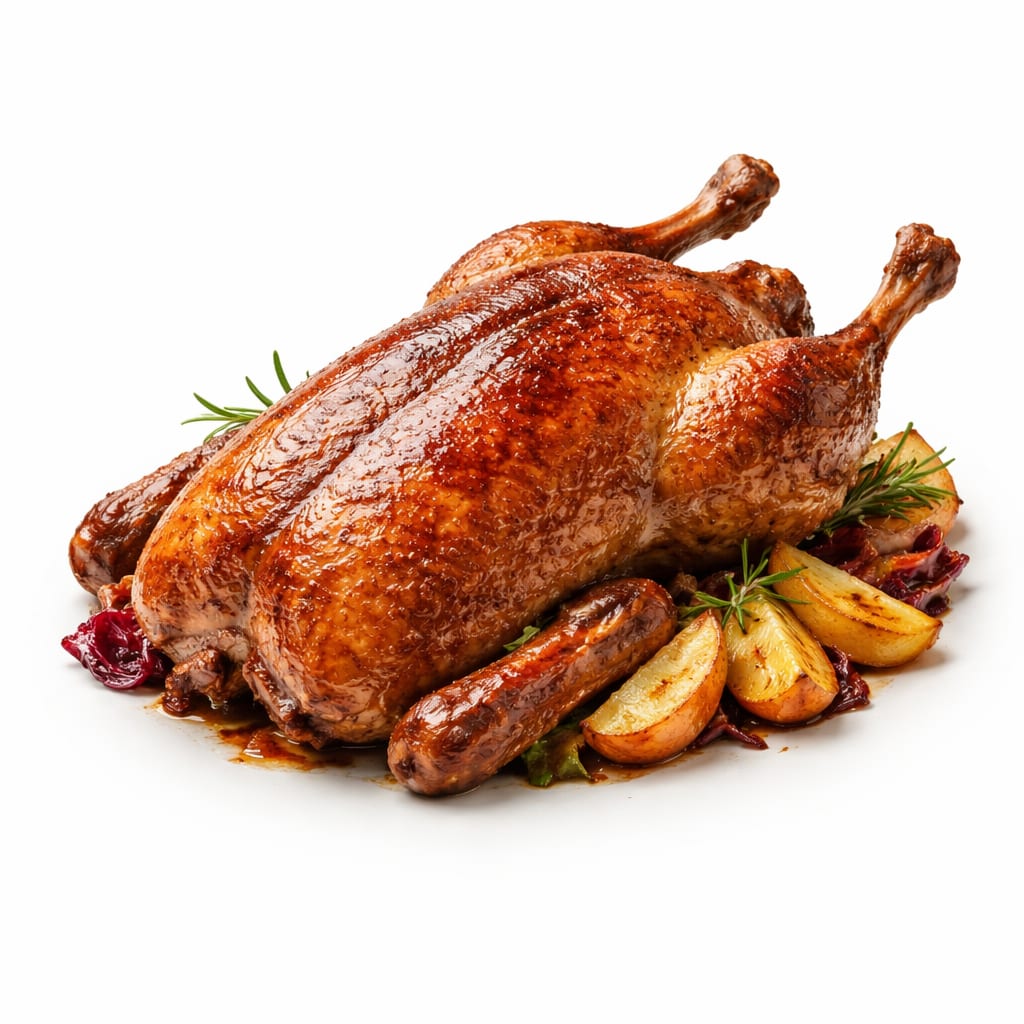
Goose
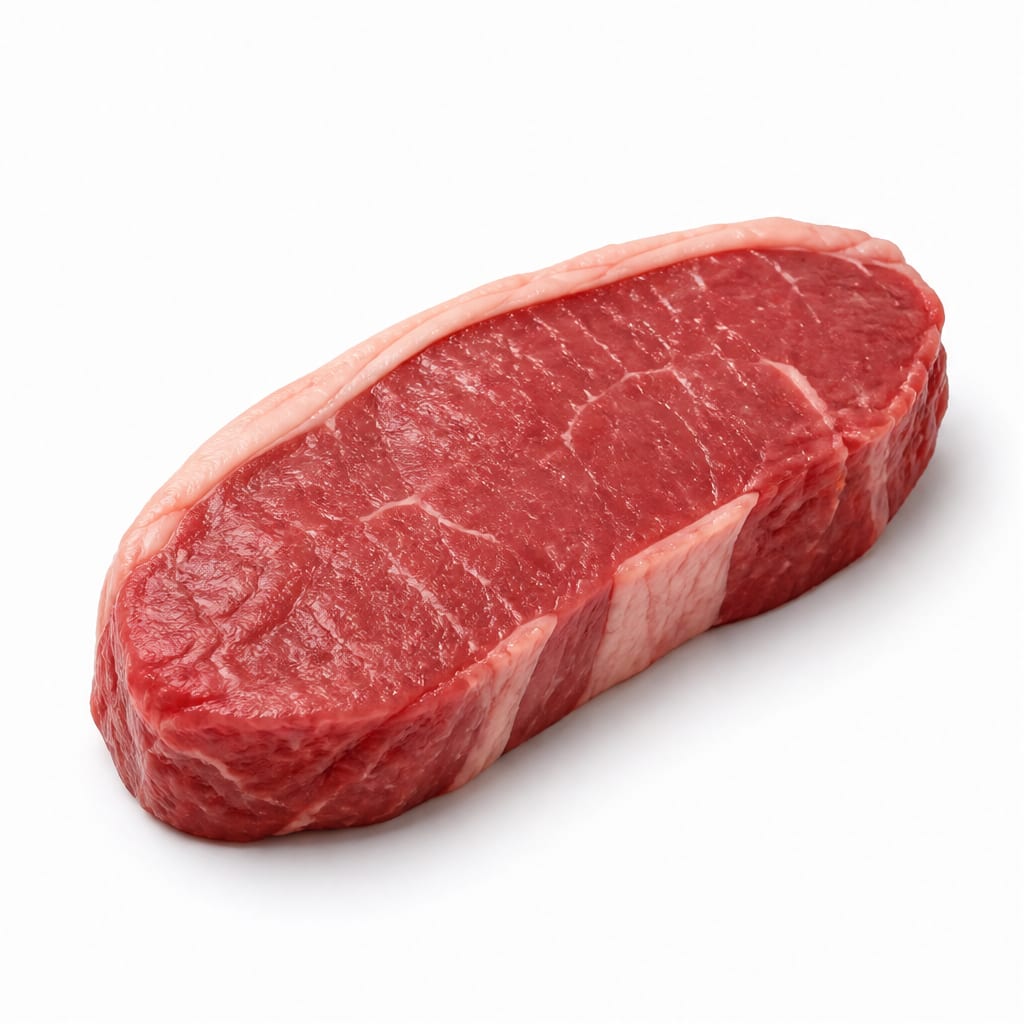
Beef sirloin
Beef sirloin offers a leaner, protein-dense option for regular meals, while goose is a richer, fattier indulgence best enjoyed occasionally.
Beef sirloin scores significantly higher due to its superior protein-to-fat ratio and better suitability for regular consumption, while goose loses points for its heavy calorie and saturated fat density.
Goose delivers intense flavor and richness from its high fat content, but beef sirloin provides far more protein per calorie with significantly less saturated fat.
At a glance
Executive summary
Overall
Beef sirloin
Healthier
Beef sirloin
More practical
Beef sirloin
Daily use
Beef sirloin
Key comparison lenses
Protein source selection for body composition
Users comparing these two meats are often looking for the most efficient way to hit protein goals without excess calories.
Fat and calorie management
The massive difference in fat content between goose and beef sirloin is the defining nutritional tradeoff.
Heart health and cholesterol impact
Saturated fat and cholesterol levels differ greatly, making cardiovascular risk a key decision factor.
Culinary use and meal frequency
Goose is typically a seasonal specialty, while beef sirloin is an everyday staple, influencing practical dietary choices.
Best choice for
Goose
- Holiday feasts and special occasions
- High-calorie bulking diets
- Keto or very low-carb diets seeking high fat
Beef sirloin
- Weekly meal prep
- Lean muscle building
- Heart-conscious diets
Least suitable for
Goose
- Cholesterol-conscious individuals
- Calorie-restricted diets
- Frequent weeknight dinners
Beef sirloin
- Those avoiding red meat entirely
- Very low-budget meal plans
Deep comparison
Dimension by dimension
Each lens scores both foods and breaks down who each option suits.
- Dimension 1 · Priority 95Beef sirloin
Protein Quality & Density
Goose · 55Beef sirloin · 92Beef sirloin packs significantly more protein per serving with far fewer calories from fat.
Tradeoff
You trade the rich, succulent mouthfeel of goose fat for the lean, muscle-fueling protein of sirloin.
Why it matters
Getting enough protein without overconsuming calories is key for body composition and metabolic health.
Real-world impact
A sirloin steak will fuel muscle repair and keep you full without leaving you sluggish, whereas a goose portion can feel heavy and overly rich.
Goose
- Those who struggle to eat enough calories
- Keto dieters seeking high fat ratios
Better for
- Those watching calorie intake
- People needing lean protein
Worse for
Beef sirloin
- Athletes needing lean protein
- Anyone tracking macros
- People aiming for weight loss
Better for
- Those who need high calorie intake for bulking easily
Worse for
- Dimension 2 · Priority 90Beef sirloin
Fat Profile & Calorie Density
Goose · 30Beef sirloin · 82Goose is an exceptionally fatty meat, while beef sirloin is naturally lean.
Tradeoff
Goose provides juicy, flavorful meat due to its fat, but it comes with a heavy calorie load and more saturated fat.
Why it matters
High saturated fat intake can impact heart health over time, and calorie-dense foods are easier to overeat.
Real-world impact
Eating goose regularly can easily push you over your daily calorie and saturated fat limits, whereas sirloin fits easily into a balanced plate.
Goose
- Endurance athletes needing dense energy
- Traditional holiday cooking
Better for
- Cardiovascular risk reduction
- Portion control
Worse for
Beef sirloin
- Weight management
- Heart-healthy eating patterns
- Everyday cooking
Better for
- Those seeking rich, decadent flavor profiles
Worse for
- Dimension 3 · Priority 75It depends
Micronutrient Profile
Goose · 78Beef sirloin · 80Both are nutritional powerhouses, but they shine in different areas. Goose offers more B vitamins like riboflavin, while beef sirloin provides exceptional zinc and B12.
Tradeoff
Goose provides slightly more iron and some B vitamins, but you consume them alongside much more fat compared to the zinc and B12-rich sirloin.
Why it matters
Zinc supports immunity, B12 is vital for nerve function, and iron is crucial for energy.
Real-world impact
Either choice will effectively prevent nutrient deficiencies, but sirloin delivers these benefits with fewer metabolic drawbacks.
Goose
- Boosting iron intake
- Adding B-vitamin variety
Better for
- Getting nutrients without excess calories
Worse for
Beef sirloin
- Supporting immune function with zinc
- Getting B12 efficiently without excess fat
Better for
- Those needing very high iron who tolerate red meat well
Worse for
- Dimension 4 · Priority 70Beef sirloin
Culinary Versatility & Practicality
Goose · 40Beef sirloin · 88Beef sirloin is an everyday staple that is easy to find and quick to cook, while goose is a specialty item requiring slow roasting.
Tradeoff
Goose demands time and culinary effort for a special occasion payoff, whereas sirloin can be seared in 10 minutes for a weeknight dinner.
Why it matters
Foods that are easy to prepare consistently are more likely to sustain healthy eating habits.
Real-world impact
You can grill a sirloin on a Tuesday night, but goose is usually reserved for holidays due to cost and cooking time.
Goose
- Weekend dinner projects
- Impressing guests
Better for
- Fast weeknight cooking
- Beginner cooks
Worse for
Beef sirloin
- Quick weeknight meals
- Grilling and meal prep
- Budget-friendly protein
Better for
- Slow-cooked, fall-apart recipes
Worse for
Timeline
Health impact over time
Short-term
Hours to days
Goose
- High satiety from fat content
- Potential sluggishness after a large portion
- Longer digestion time
Beef sirloin
- Quick and sustained energy
- Efficient muscle recovery
- Easy to digest in moderate portions
Long-term
Months to years
Goose
- Increased risk of elevated cholesterol if consumed frequently
- Potential weight gain from high calorie density
- Rich source of persistent iron stores
Beef sirloin
- Supports lean muscle mass maintenance
- Better cardiovascular profile when trimmed
- Reliable source of zinc for immune health
Risk profile
Safety & processing
Both goose and beef sirloin are whole, unprocessed meats. The primary health differences come from their natural fat content, not from additives.
Goose
Avian flu and bacterial contamination
mediumPoultry requires careful handling to avoid cross-contamination from Salmonella or Campylobacter.
Parasites in wild fowl
lowWild goose may carry parasites; farm-raised is generally safe if cooked to proper temperatures.
Beef sirloin
Red meat overconsumption
mediumFrequent consumption of red meat is associated with certain health risks; moderation is key.
Bacterial contamination
lowLike all raw meats, E. coli can be present; safe handling and cooking are required.
Who wins for whom
Audience fit
Same foods, different winners depending on your goal.
children
Beef sirloinBeef sirloin offers lean protein and zinc for growth without the heavy saturated fat load found in goose.
daily consumption
Beef sirloinBeef sirloin is leaner, more affordable, and easier to prepare, making it a practical choice for regular meals.
diabetes
Beef sirloinBoth are zero-carb, but the lower saturated fat content in beef sirloin is better for cardiovascular health, which is a key concern for diabetics.
elderly
Beef sirloinThe highly bioavailable protein in sirloin helps prevent age-related muscle loss without stressing the cardiovascular system.
muscle gain
Beef sirloinThe superior protein-to-calorie ratio in beef sirloin supports muscle growth without adding unnecessary fat.
weight loss
Beef sirloinBeef sirloin provides high protein with fewer calories and less fat, making it much easier to fit into a calorie deficit.
Your move
Decision guide
Choose Goose
- You are cooking a special holiday meal
- You are on a keto diet and want high fat
- You want a rich, indulgent flavor experience
Choose Beef sirloin
- You want a lean protein for dinner
- You are tracking your calories or macros
- You need a quick, satisfying weeknight meal
Either works if
- You need a zero-carb protein source
- You want to boost your iron and B12 intake
Avoid both if
- You follow a plant-based diet
- You have severe gout and need to limit purines
Final recommendation
Choose beef sirloin for your everyday protein needs to keep calories and saturated fat in check. Save goose for special occasions when its rich, luxurious flavor can truly shine.
Practical
Consumer tips
- 1
Trim the fat from beef sirloin before cooking to maximize its lean advantage.
- 2
If cooking goose, prick the skin to render out as much fat as possible during roasting.
- 3
Use a meat thermometer for both; overcooked goose is dry, and overcooked sirloin gets tough.
- 4
Save rendered goose fat for roasting vegetables—it is a delicious byproduct, but use it sparingly due to high saturated fat.