
Vegetable / Herb
Garlic Chives
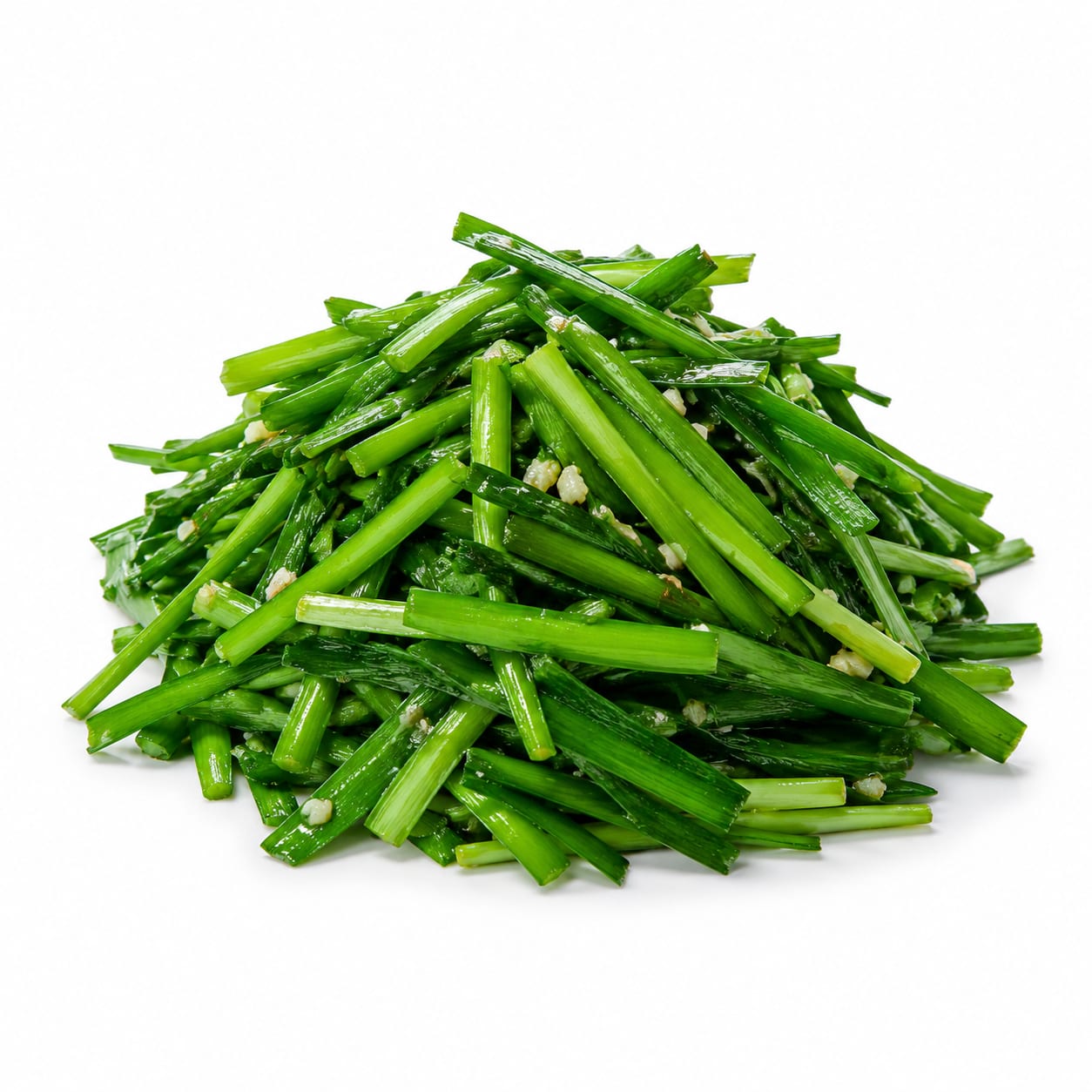
Garlic chives are a flat-leaved herb with a garlic-onion flavor used to enhance dishes without adding significant calories.
Garlic chives, also known as Chinese chives or Chinese leeks, are a flat-leaved perennial herb with a distinct flavor that combines the pungency of garlic with the mildness of chives. Widely used in Asian cuisine, they are valued both as a culinary flavoring and a nutrient-dense garnish.
low-calorie flavor-enhancing herb
Typical serving · 30g
Common varieties · standard garlic chives, yellow chives, flowering chives, broad-leaf garlic chives
Overall context score across nutrition, safety, and diet fit
At a glance
Quick facts
Simple indicators based on nutrition, processing, and diet fit.
The story
What makes it unique
Garlic chives are a high-water, low-calorie food consisting mostly of water and indigestible fiber. They digest rapidly due to their low macronutrient density. The mild galic flavor comes from allicin-like sulfur compounds, though in lower concentrations than garlic. Their fiber content, including inulin, supports gut motility and microbiome health while contributing to high volume satiety with minimal caloric load.
Varieties: standard garlic chives · yellow chives · flowering chives · broad-leaf garlic chives
Per 100g
Nutrition breakdown
Macro balance and key metrics at a glance.
Energy
Density 0.30 kcal/g
Protein
Carbs
Fat
Fiber
Sugar
1.2 g
Sodium
5 mg
Potassium
210 mg
Glycemic index
15
Glycemic load
1
Water content
88%
Standout compounds
Nutrient highlights
Vitamin K
highEssential for blood clotting and bone metabolism
Vitamin C
moderateSupports immune function and collagen synthesis
Folate
moderateImportant for cell division and DNA synthesis
Inulin Fiber
moderateActs as a prebiotic to feed beneficial gut bacteria
Allicin Compounds
lowOffers mild antimicrobial and antioxidant properties
Wellness map
Health scores & processing
NOVA processing scale
Minimally processed · Whole food
Fresh garlic chives are a whole, unprocessed agricultural product typically sold raw and consumed with minimal to no alteration.
Diet compatibility
- Weight loss
- Muscle gain
- Diabetes
- Gut health
- Low carb
- High protein
- Heart health
Relative standing
Food rankings
Qualitative ranks compared to similar whole foods.
- Satietygood
- Blood sugarexcellent
- Nutrient densitygood
- Fitness fuelmoderate
- Processing qualityexcellent
Eat with confidence
Food safety profile
Garlic chives are generally safe but carry a moderate risk of pesticide residue and potential contamination from soil or water sources. Thorough washing is essential to mitigate these risks.
Evidence confidence 85%
- Pesticidesmoderate
- Antibioticslow
- Heavy metalslow
- Contaminationmoderate
Watch for
- pesticide residues
- soil-borne bacteria
- parasitic eggs
Safer choices
Organically grown garlic chives significantly reduce pesticide exposure risks.
Prep tips
Soak the chives in a bowl of cold water with a splash of vinegar or salt for 5 minutes, then rinse thoroughly under running water to remove dirt, bacteria, and chemical residues.
Leafy herbs often retain pesticide residues on their broad surfaces. In some regions, raw consumption has been linked to parasitic infections if grown in contaminated soil or watered with untreated water.
Deep dive
Health analysis
How this food may fit different goals and preparation choices.
Weight loss
Extremely low energy density means you can eat large volumes for almost no calories, making it an excellent flavor and bulk enhancer for weight loss meals.
Blood sugar
Virtually zero impact on blood sugar due to extremely low carbohydrate content and high water volume, making it safe for diabetics.
Fitness & energy
Not a meaningful source of fuel for exercise, but useful as a zero-calorie flavoring for post-workout meals without adding heavy fats or carbs.
Gut health
Contains inulin and other dietary fibers that act as prebiotics, feeding beneficial gut bacteria and supporting healthy digestion.
Processing quality
A whole, natural food that requires no processing to consume, retaining all its natural vitamins and phytochemicals.
Food safety
The broad leaves can trap dirt and pesticide residues. Washing thoroughly is critical, especially if sourced from conventional farming.
Common mistakes
Overcooking garlic chives destroys their delicate flavor and heat-sensitive vitamin C. They should be added at the very end of cooking or used raw.
Best preparation
Quick stir-frying, raw garnishing, or folding into dumpling fillings and egg dishes just before serving.
Practical guide
Best use cases
When and how this food fits real eating patterns.
Flavor Enhancer for Low-Calorie Meals
Adds robust garlic-onion flavor to dishes without the calories or fat of garlic-infused oils or butters.
Dumpling and Egg Filling
A classic ingredient in Asian dumplings and egg omelets, providing bulk, moisture, and savory flavor.
Raw Garnish
Chopped raw over soups, salads, and grilled meats to add fresh flavor and visual appeal with zero cooking required.
Balance sheet
Pros & cons
Upsides
- Very low in calories and carbohydrates
- Provides strong flavor without added sodium or fat
- Contains prebiotic fiber for gut health
- Rich in Vitamin K for bone health
- Quick to prepare and requires no cooking
Trade-offs
- High surface area makes it prone to pesticide residue
- Flavor degrades quickly if overcooked
- Can cause bad breath similar to garlic
- Not a significant source of macronutrients
Fit check
Who is it for?
Great match
- low-calorie flavoring
- low-carb diets
- blood sugar management
- gut microbiome support
- high-volume eating
Consider alternatives
- muscle building
- primary calorie source
- strict low-FODMAP diets
Side by side
How it compares
Open the full head-to-head analysis for nutrition, safety, and practical tradeoffs.
This food
Garlic Chives
VS90% alike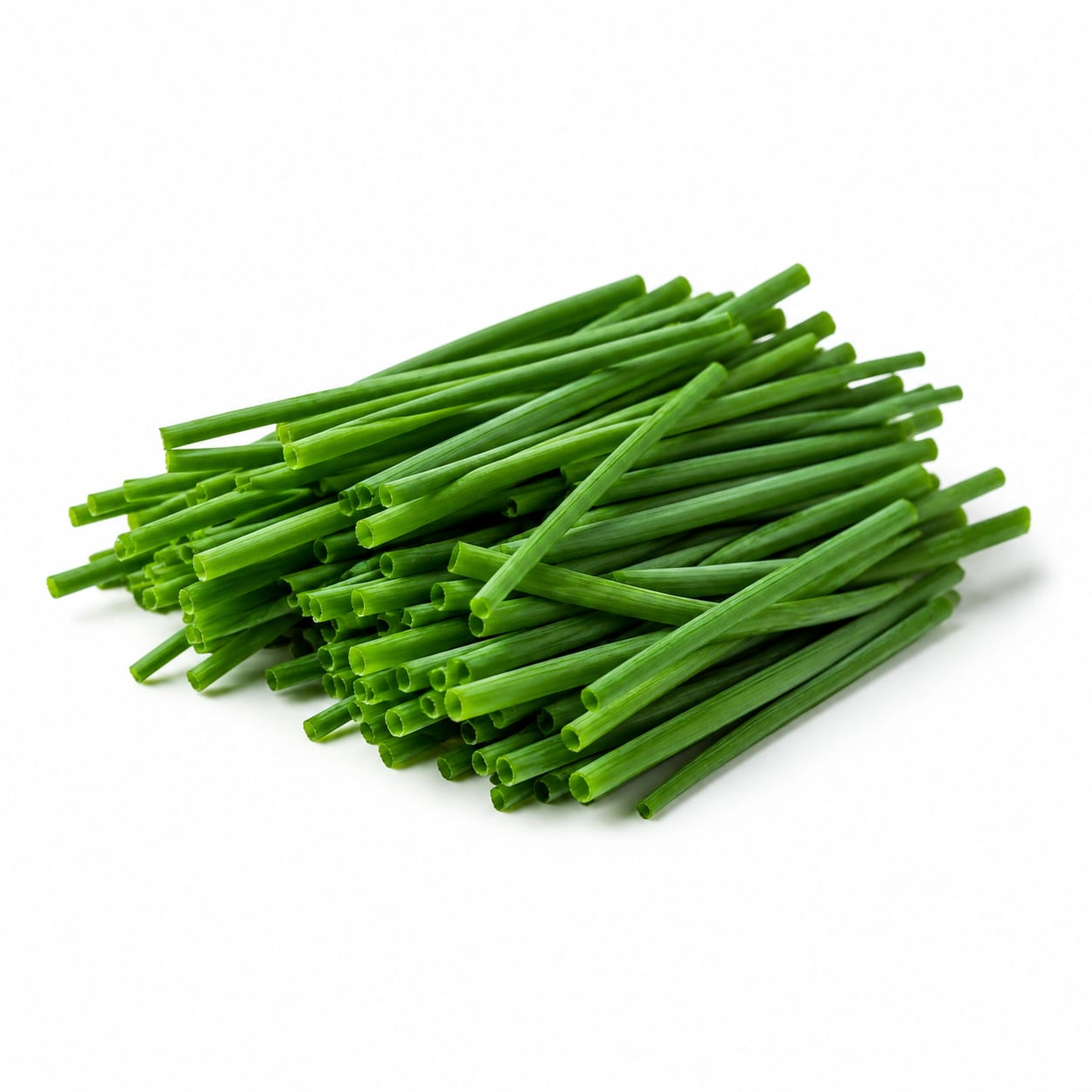
Compare with
Chives
Chives offer a mild onion flavor, while garlic chives deliver a distinct garlic taste. Both are extremely low in calories and high in vitamin K.
Garlic chives provide a garlic flavor while regular chives taste like mild onions; both are equally low in calories and great for blood sugar control.
This food
Garlic Chives
VS85% alike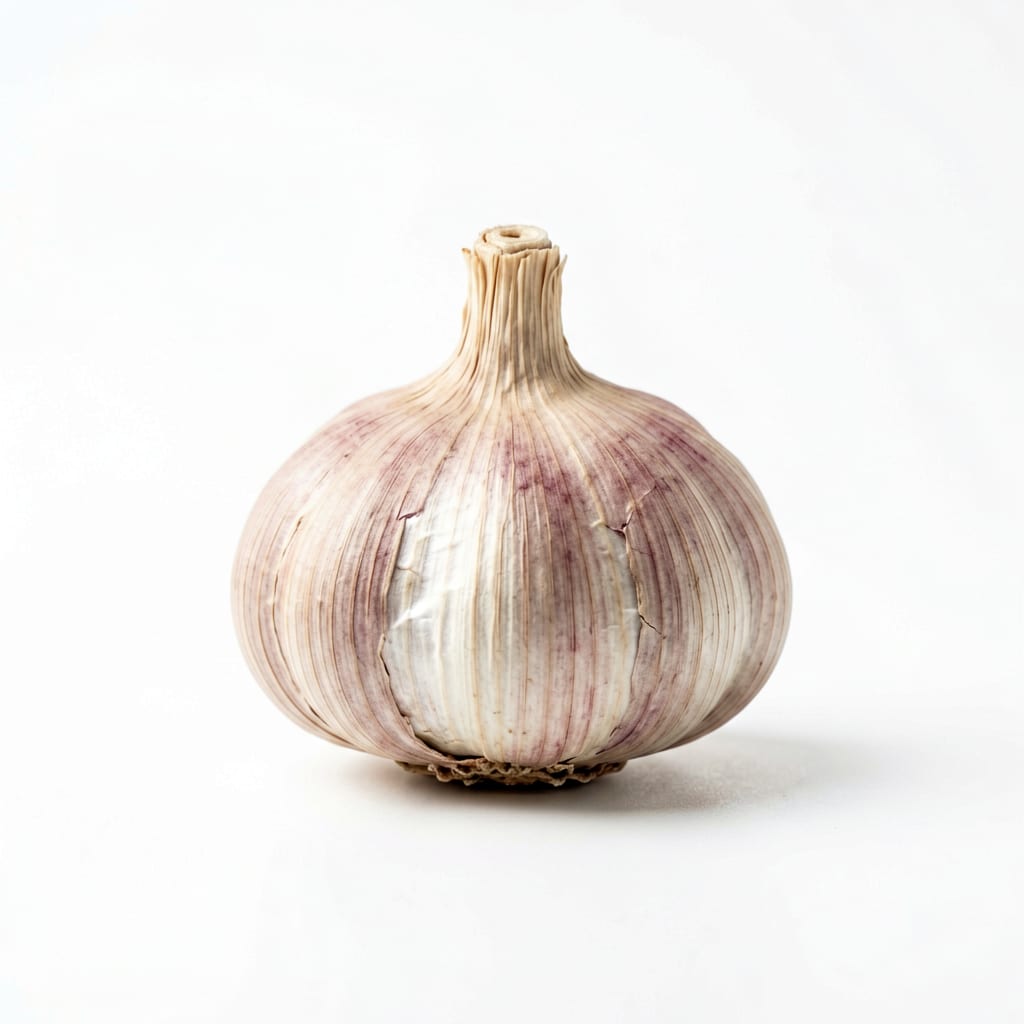
Compare with
Garlic
Garlic is much more concentrated in allicin and flavor, requiring smaller amounts. Garlic chives are milder and can be eaten in larger volumes as a vegetable.
Garlic provides stronger flavor and more allicin per gram, but garlic chives offer a milder taste and can be eaten in larger, satisfying volumes.
This food
Garlic Chives
VS80% alike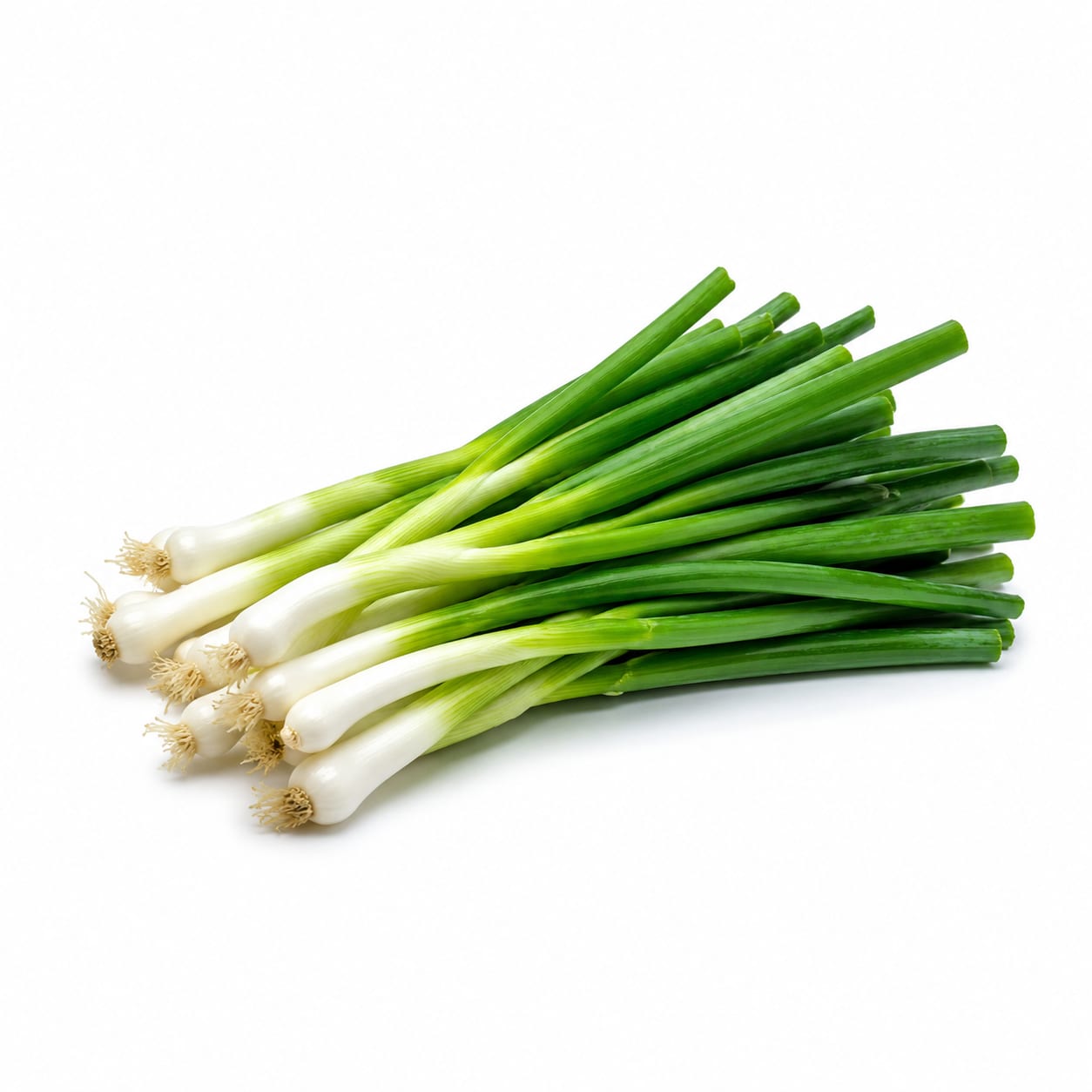
Compare with
Green Onions
Green onions have a sharper, more pungent onion flavor and a crunchy white base. Garlic chives are flatter, milder, and more garlic-forward.
Green onions offer a sharp onion bite, while garlic chives provide a flatter leaf and mild garlic flavor; both are excellent low-calorie garnishes.
This food
Garlic Chives
VS70% alike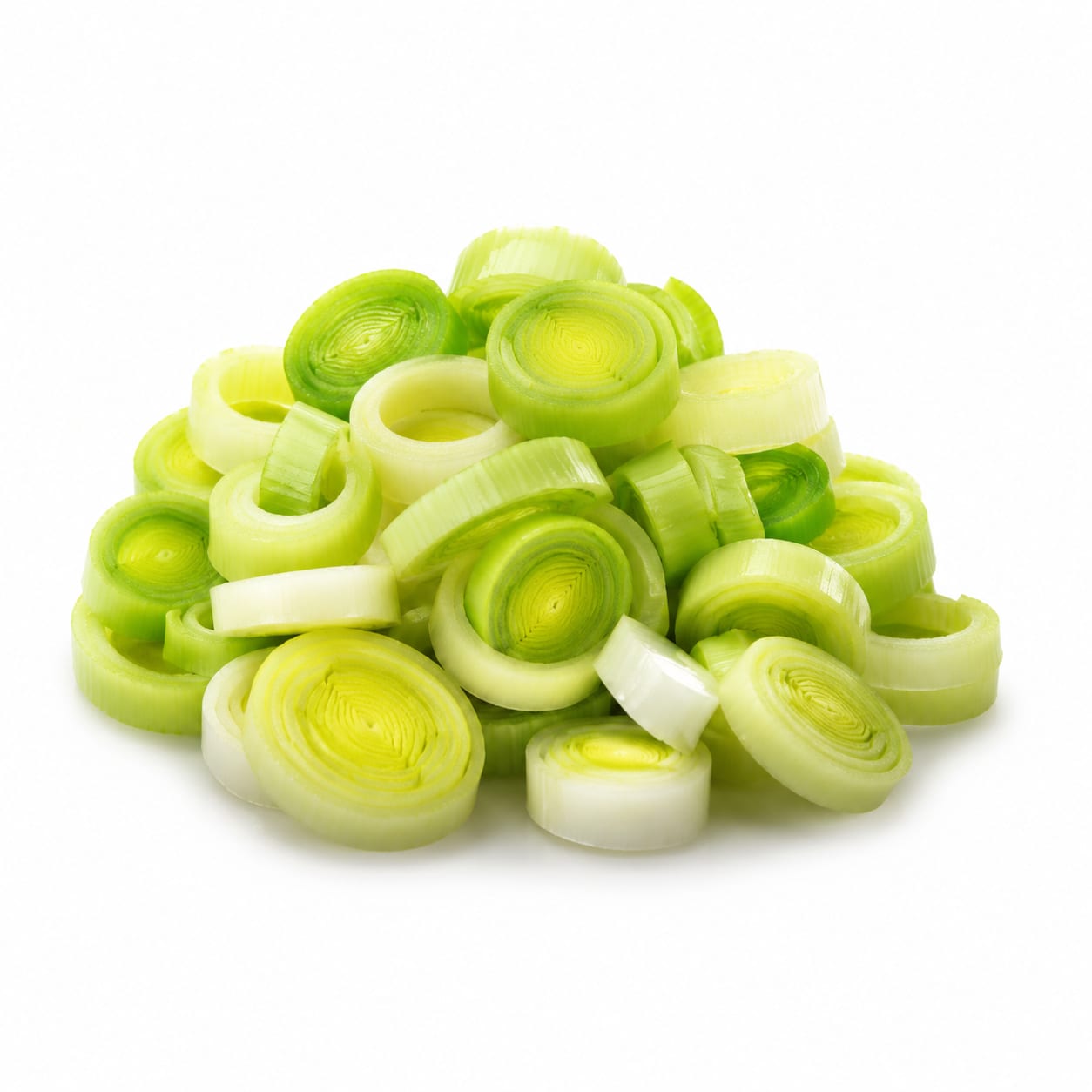
Compare with
Leeks
Leeks are much larger and used as a primary vegetable or soup base. Garlic chives are delicate and used as an herb or minor ingredient.
Leeks provide more substance and fiber per serving for soups, while garlic chives are a lighter, low-calorie herb best for finishing dishes.
This food
Garlic Chives
VS65% alike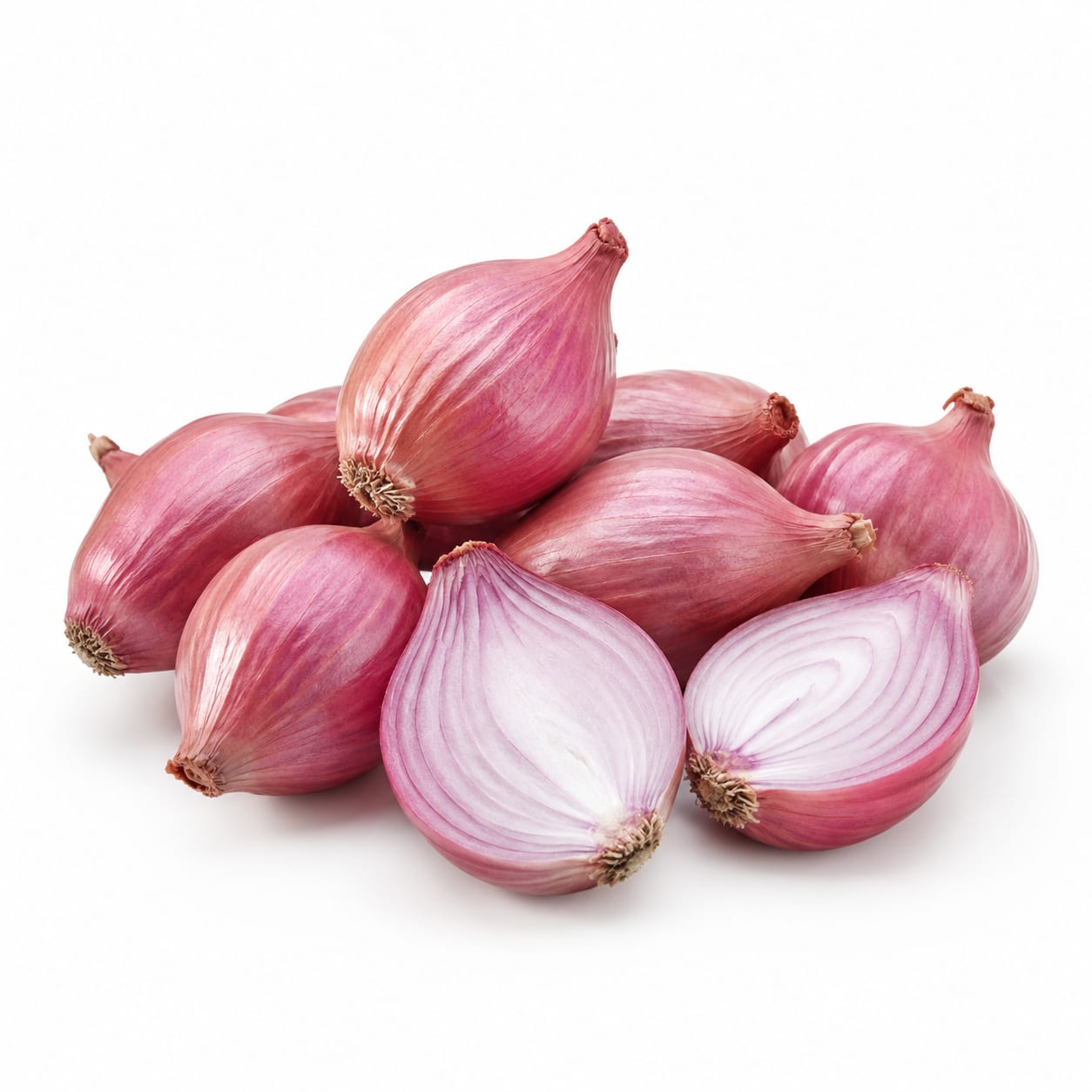
Compare with
Shallots
Shallots are bulbs with a sweet, mild onion-garlic flavor used in dressings and sauces. Garlic chives are leafy and used fresh or lightly cooked.
Shallots add sweet depth to sauces and dressings, whereas garlic chives add a fresh, mild garlic note to finished dishes with fewer calories.
This food
Garlic Chives
VS60% alike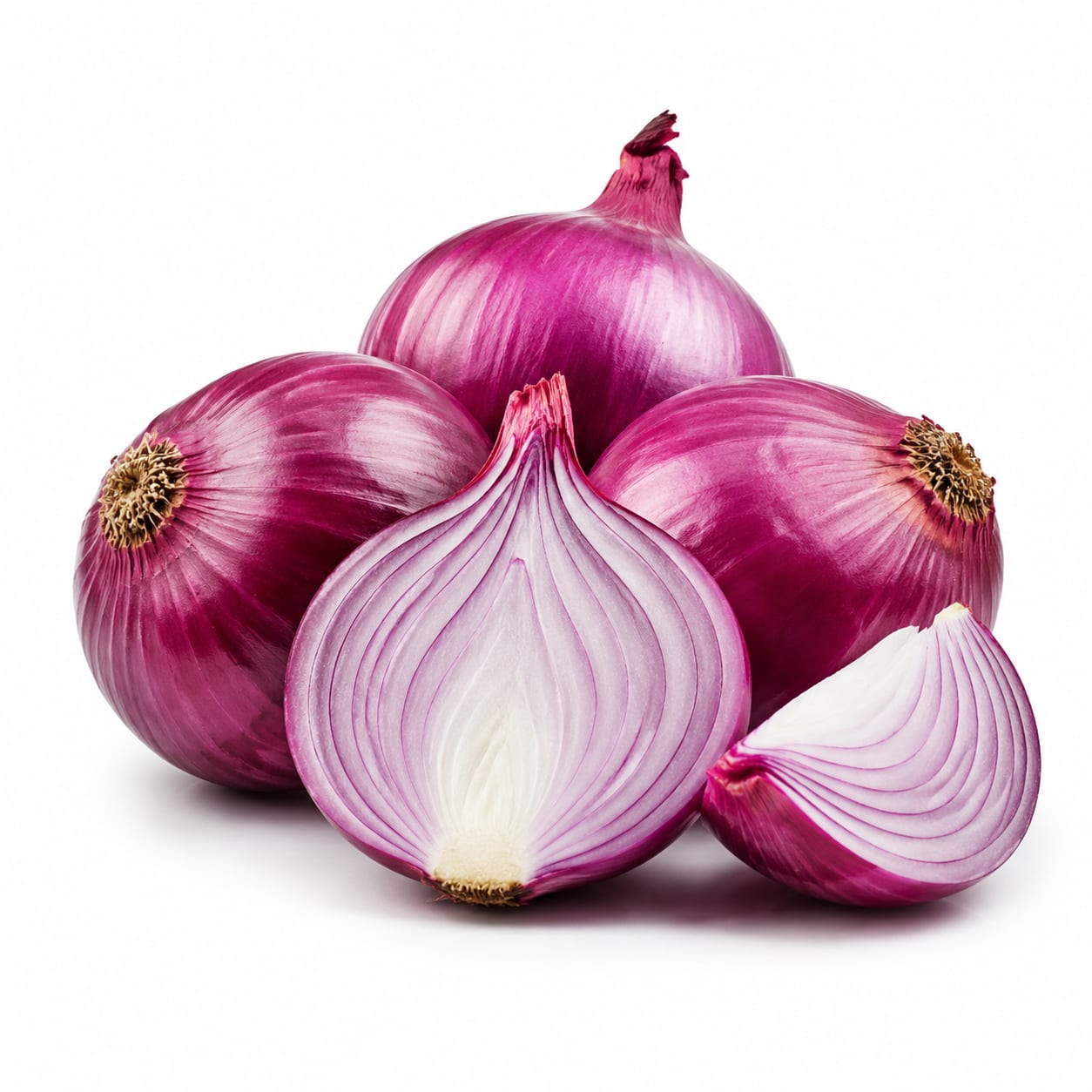
Compare with
Onions
Onions are a high-volume staple carbohydrate in cooking. Garlic chives are a low-volume, low-calorie flavoring herb.
Onions provide a foundational flavor base and more fiber, while garlic chives offer a delicate garlic flavor with almost no calories or carbs.
This food
Garlic Chives
VS50% alike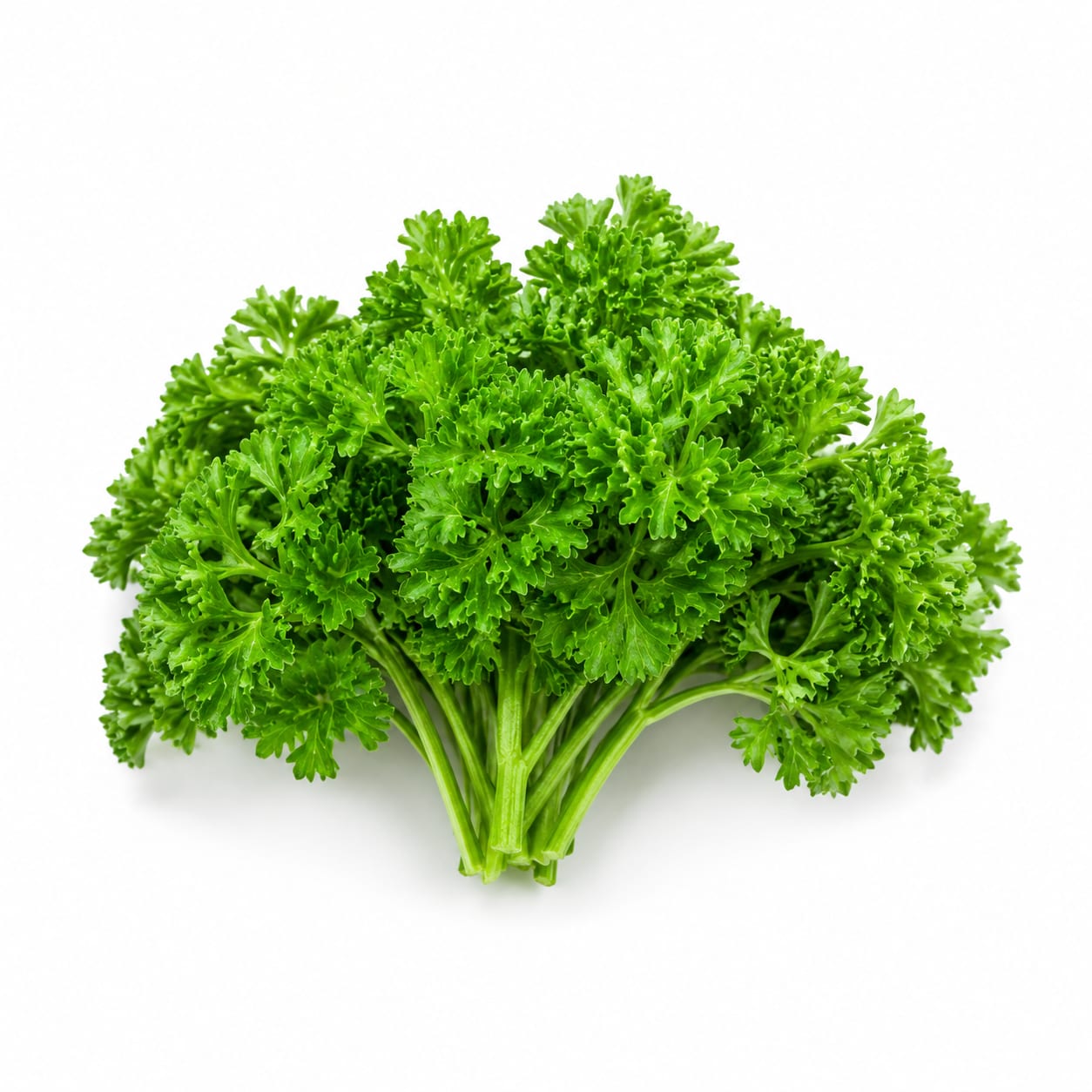
Compare with
Parsley
Parsley has a bright, grassy flavor and is extremely high in Vitamin K. Garlic chives have a savory garlic flavor and are also rich in Vitamin K.
Parsley offers a fresh, bright flavor, while garlic chives add a savory garlic note; both are excellent zero-calorie garnishes rich in Vitamin K.
This food
Garlic Chives
VS45% alike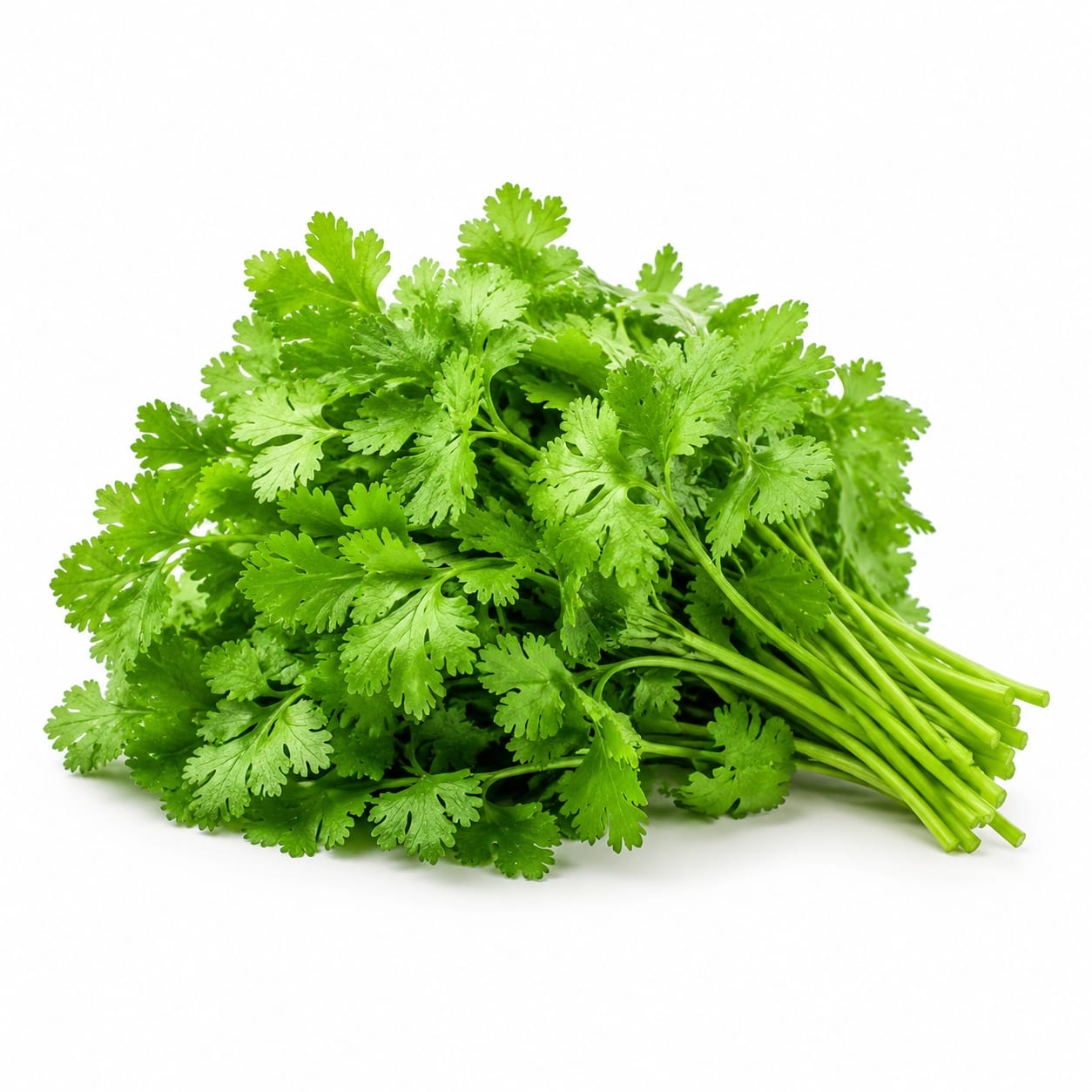
Compare with
Cilantro
Cilantro has a polarizing citrusy flavor. Garlic chives have a more universally savory, garlic-onion profile. Both are very low in calories.
Cilantro brings a bright, citrusy flavor to Latin and Asian dishes, while garlic chives deliver a savory depth; both are equally low-calorie.
This food
Garlic Chives
VS40% alike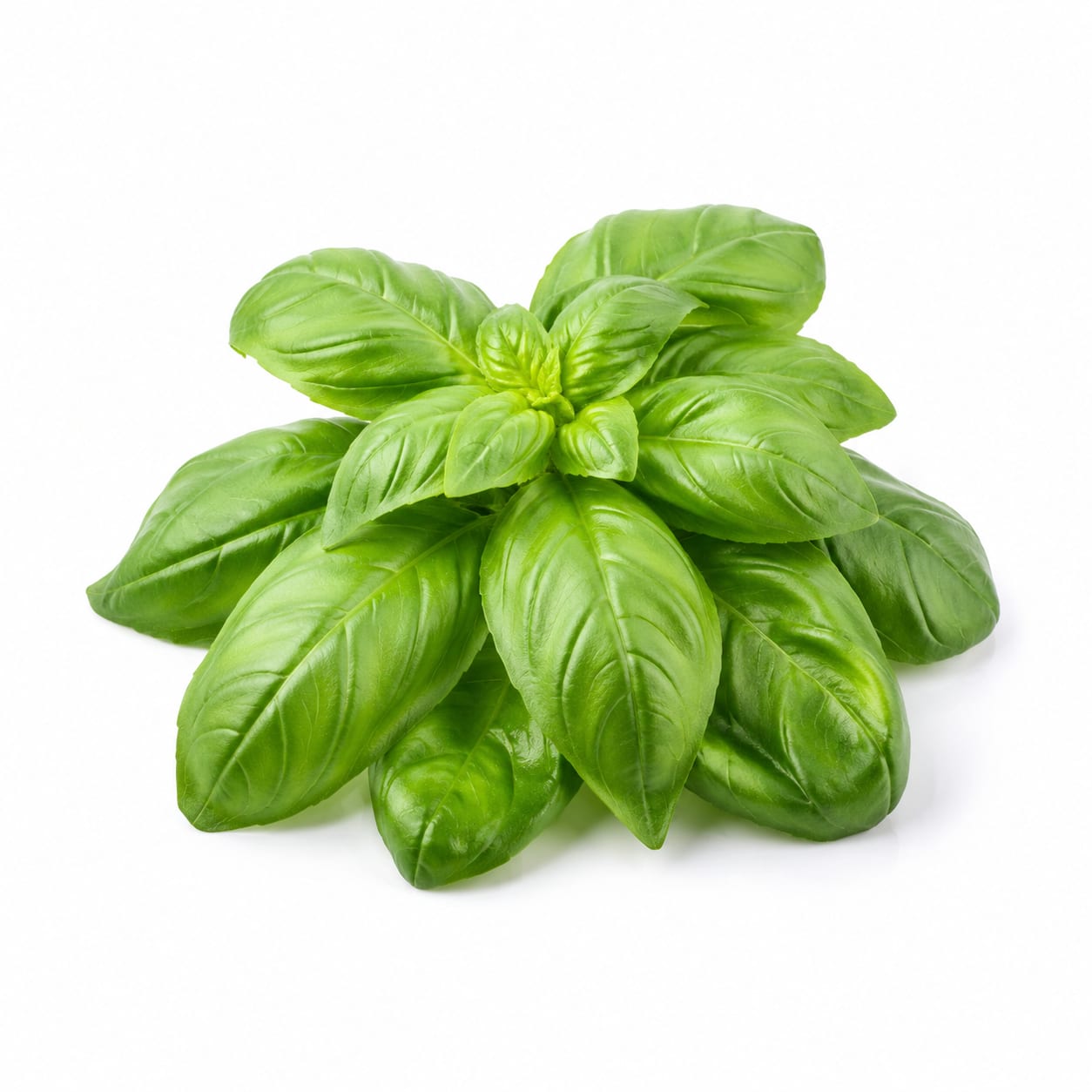
Compare with
Basil
Basil provides sweet, anise-like notes ideal for Mediterranean cooking. Garlic chives provide savory notes ideal for Asian cooking.
Basil is ideal for sweet and Mediterranean flavor profiles, while garlic chives are better suited for savory, garlic-forward Asian dishes.
This food
Garlic Chives
VS35% alike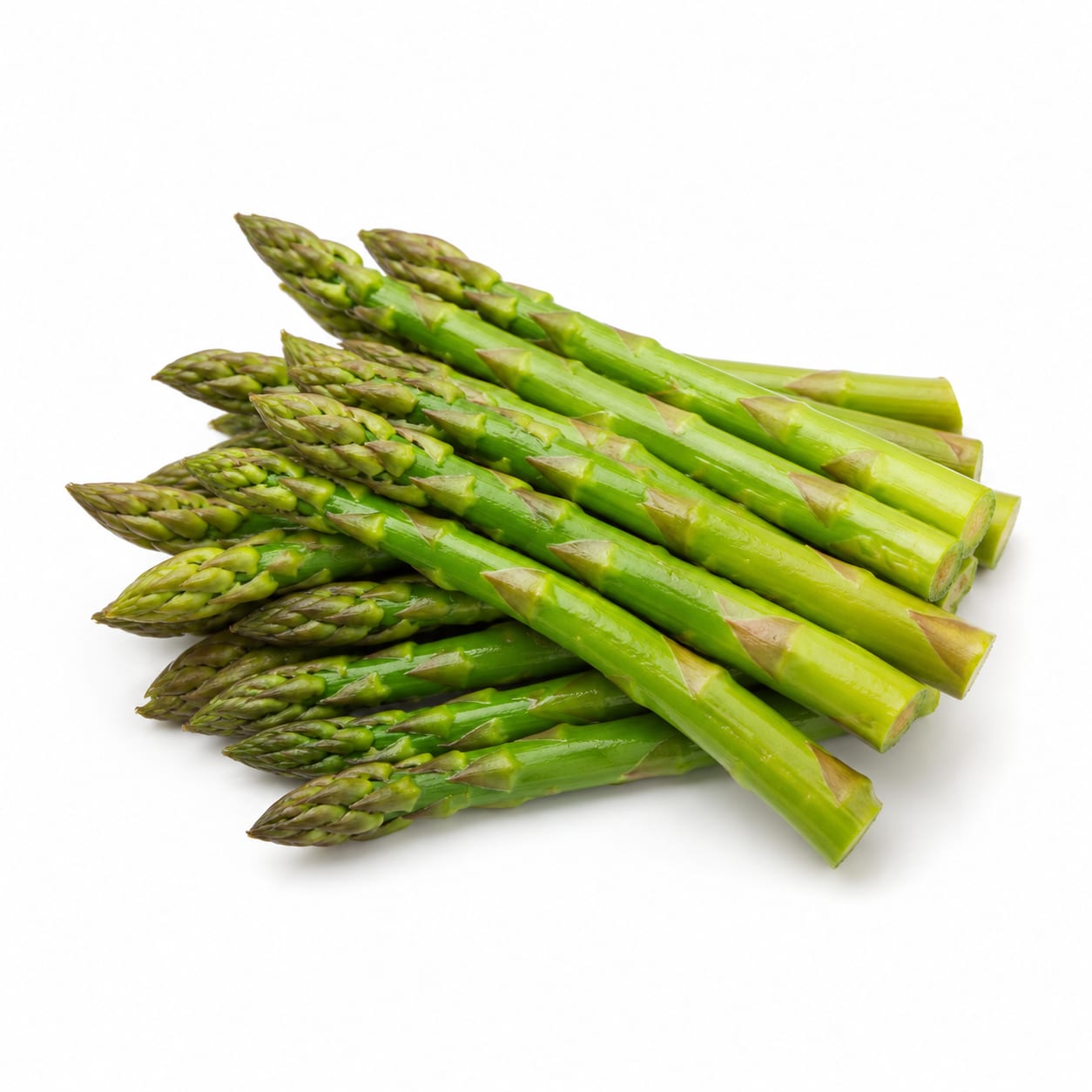
Compare with
Asparagus
Asparagus is a substantial vegetable with significant fiber and folate. Garlic chives are an herb used in small quantities for flavor rather than bulk.
Asparagus provides more fiber and acts as a proper vegetable side dish, while garlic chives are a low-calorie flavor enhancer.
Common questions
FAQ
Answers aligned with how people search for this food.
Are garlic chives good for weight loss?
Yes, garlic chives are excellent for weight loss. They provide high volume and robust flavor for very few calories, making it easier to eat satisfying meals while maintaining a calorie deficit.
What is the difference between chives and garlic chives?
Regular chives have thin, hollow stems and a mild onion flavor. Garlic chives have flat, wide leaves and a distinct garlic flavor. They are different species within the allium family.
Can diabetics eat garlic chives?
Yes, garlic chives have an extremely low glycemic index and load. They contain minimal carbohydrates and will not cause blood sugar spikes, making them very safe for people with diabetes.
How do you cook garlic chives?
Garlic chives are best cooked quickly. Add them to stir-fries, soups, or egg dishes in the last minute of cooking, or use them raw as a garnish. Overcooking destroys their delicate flavor and nutrients.
Are garlic chives the same as Chinese chives?
Yes, garlic chives are commonly referred to as Chinese chives or Chinese leeks. They are a staple herb in Chinese and other Asian cuisines, often used in dumplings and stir-fries.
Do garlic chives have health benefits?
Yes, they contain vitamins A, C, and K, along with antioxidants and prebiotic fiber. Their sulfur compounds also offer mild antimicrobial properties similar to garlic, though less potent.
Can you eat garlic chives raw?
Absolutely. Raw garlic chives make an excellent garnish for salads, soups, and potato dishes, providing a fresh, mild garlic-onion bite without the pungency of raw garlic cloves.
Are garlic chives high in carbs?
No, garlic chives are very low in carbohydrates. A typical serving contains less than 1 gram of net carbs, making them suitable for low-carb and ketogenic diets.
Transparency
Data confidence
Estimated confidence for nutrition data, interpretation, safety notes, and comparisons.
Nutrition data
Health analysis
Food safety
Comparisons