
Nutrition comparison
Garlic Chives vs Parsley: Nutrition, Flavor, and Health Benefits Compared
Discover the nutritional differences and culinary tradeoffs between Garlic Chives and Parsley. Find out which herb is better for your health and cooking needs.
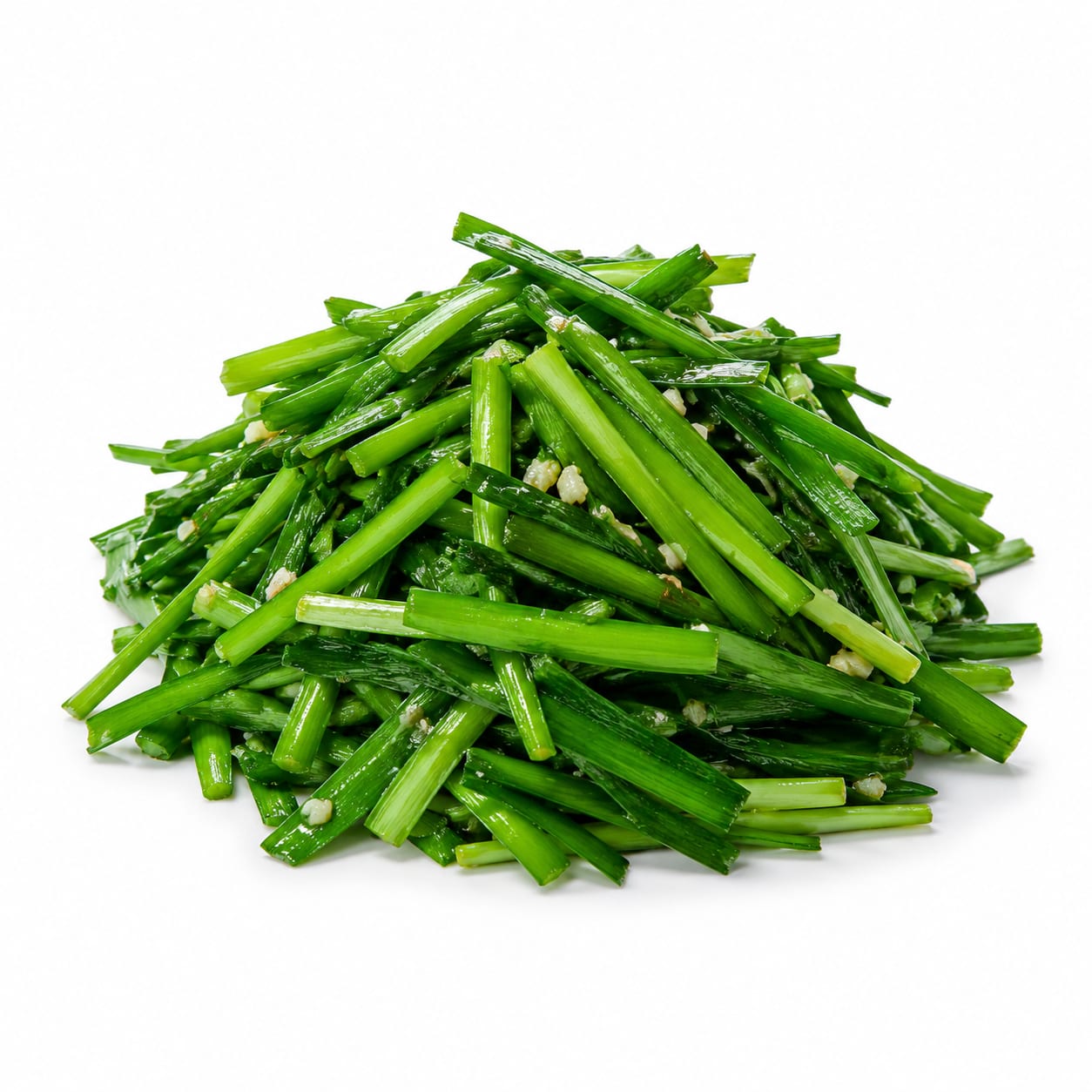
Garlic Chives
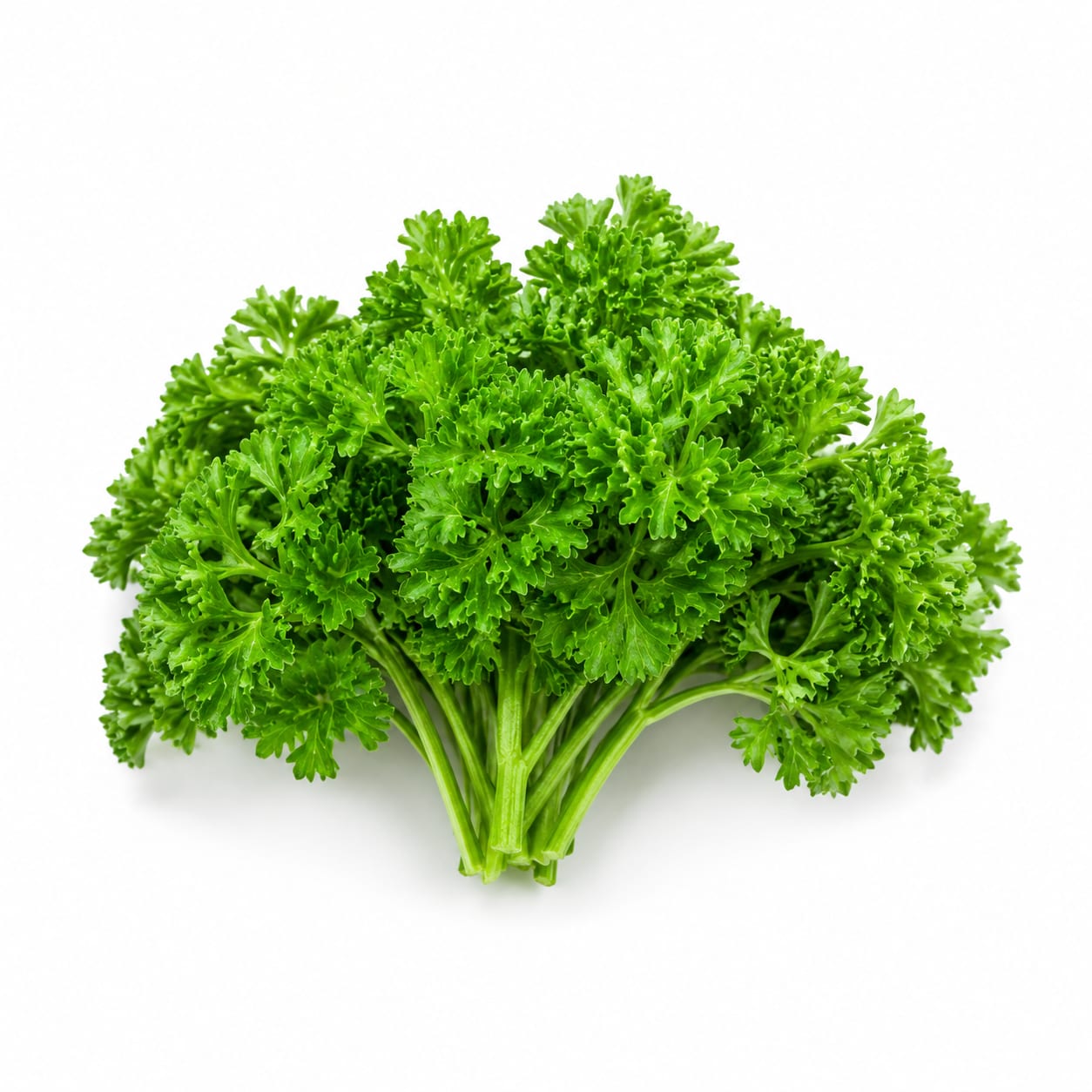
Parsley
Parsley is a vitamin K powerhouse with a fresh flavor, while Garlic Chives bring a savory, garlicky punch that shines in cooked dishes.
Parsley edges out Garlic Chives due to superior nutrient density per calorie, better raw versatility, and fewer digestive downsides, though Garlic Chives excel in specific cooked applications.
Fresh, bright versatility and massive vitamin K from Parsley versus deep, savory umami flavor and sulfur compounds from Garlic Chives.
At a glance
Executive summary
Overall
It depends
Healthier
Parsley
More practical
Parsley
Daily use
Parsley
Key comparison lenses
Nutrient density and vitamin profile
Parsley is famously nutrient-dense, especially in Vitamin K, while Garlic Chives offer a different nutritional profile with unique sulfur compounds.
Culinary application and flavor versatility
Garlic Chives provide a savory, garlicky depth for cooked dishes, whereas Parsley offers a fresh, bright flavor best used raw or as a garnish.
Digestive tolerance and breath effects
Garlic Chives can cause bloating and garlic breath, while Parsley is easy on the stomach and actively freshens breath.
Best choice for
Garlic Chives
- Hearty cooked dishes like stir-fries
- Dumpling and savory pancake fillings
- People wanting garlic flavor without using actual garlic cloves
Parsley
- Fresh salads like tabbouleh
- Garnishes for almost any dish
- Boosting Vitamin K and Vitamin C intake
- Freshening breath after meals
Least suitable for
Garlic Chives
- Raw garnishes due to strong flavor
- Date nights because of garlic breath
- People with FODMAP sensitivities or IBS
Parsley
- Cooked dumpling fillings where a savory umami punch is needed
- Dishes requiring a strong, robust allium flavor
Deep comparison
Dimension by dimension
Each lens scores both foods and breaks down who each option suits.
- Dimension 1 · Priority 90Parsley
Nutrient Density
Garlic Chives · 75Parsley · 92Parsley delivers a massive dose of Vitamin K and significant Vitamin C, easily outperforming Garlic Chives in standard serving sizes.
Tradeoff
You get more vitamins with Parsley, but Garlic Chives offer unique sulfur compounds that support immunity differently.
Why it matters
Vitamin K is crucial for bone and blood health, and Parsley is one of the best dietary sources available.
Real-world impact
A handful of Parsley covers your daily Vitamin K needs; Garlic Chives require a larger portion to hit the same mark.
Garlic Chives
- Garlic Chives provide unique organosulfur compounds that support immune function.
Better for
- Garlic Chives have a lower overall vitamin concentration per gram compared to Parsley.
Worse for
Parsley
- Parsley provides exceptional amounts of Vitamin K, Vitamin C, and folate.
Better for
- Parsley lacks the specific antimicrobial sulfur compounds found in alliums like Garlic Chives.
Worse for
- Dimension 2 · Priority 85It depends
Antioxidant & Anti-inflammatory Power
Garlic Chives · 84Parsley · 86Parsley relies on flavonoids like apigenin, while Garlic Chives use allicin-like sulfur compounds. Both are excellent but work through different pathways.
Tradeoff
Flavonoid-driven cellular defense from Parsley versus sulfur-driven antimicrobial and circulatory benefits from Garlic Chives.
Why it matters
Different antioxidants support different body systems, making variety more important than picking a single winner.
Real-world impact
Parsley helps fight cellular damage and inflammation, while Garlic Chives offer more targeted antimicrobial and circulation benefits.
Garlic Chives
- Garlic Chives offer antimicrobial protection and circulatory support.
Better for
- Garlic Chives have a less diverse flavonoid profile compared to Parsley.
Worse for
Parsley
- Parsley delivers powerful anti-inflammatory flavonoids like apigenin.
Better for
- Parsley misses the specific heart-health benefits of allium sulfur compounds.
Worse for
- Dimension 3 · Priority 75Parsley
Digestive Tolerance
Garlic Chives · 65Parsley · 88Garlic Chives contain fructans that can cause bloating, while Parsley is generally easy on the stomach and acts as a mild digestive aid.
Tradeoff
Deep savory flavor with potential gut irritation versus mild fresh flavor with soothing digestion.
Why it matters
If you have a sensitive gut, alliums like Garlic Chives can easily trigger IBS symptoms.
Real-world impact
A big serving of Garlic Chives might leave you gassy and uncomfortable; Parsley is unlikely to cause any digestive distress.
Garlic Chives
- Garlic Chives stimulate digestive juices effectively via their strong savory flavor.
Better for
- Garlic Chives are high in FODMAPs and can cause gas and bloating.
Worse for
Parsley
- Parsley is gentle on the gut, low in FODMAPs, and soothing for the stomach.
Better for
- Parsley in very large amounts might act as an overly strong diuretic.
Worse for
- Dimension 4 · Priority 80Parsley
Culinary Versatility
Garlic Chives · 78Parsley · 90Parsley works raw or cooked across global cuisines, while Garlic Chives are more niche, shining brightest in Asian dishes and cooked applications.
Tradeoff
Broad mild utility across all meals versus specific bold impact in savory dishes.
Why it matters
Parsley can seamlessly blend into almost any dish, while Garlic Chives will dominate the flavor profile.
Real-world impact
You can toss Parsley on anything for a freshness boost; Garlic Chives will make your dish taste distinctly like garlic and onions.
Garlic Chives
- Garlic Chives are perfect for dumpling fillings, savory pancakes, and stir-fries.
Better for
- Garlic Chives easily overpower delicate dishes and are rarely used as a raw garnish.
Worse for
Parsley
- Parsley works beautifully as a garnish, in salads, and in Mediterranean sauces.
Better for
- Parsley cannot provide the savory, umami depth needed for robust cooked fillings.
Worse for
Timeline
Health impact over time
Short-term
Hours to days
Garlic Chives
- Satisfies savory cravings effectively
- May cause noticeable garlic breath
- Can trigger bloating in sensitive individuals
Parsley
- Freshens breath naturally
- Provides a quick vitamin C boost
- Offers a mild diuretic effect to reduce water retention
Long-term
Months to years
Garlic Chives
- Supports cardiovascular health through sulfur compounds
- May help maintain healthy blood pressure
Parsley
- Excellent for bone health via extremely high Vitamin K
- Strong cellular protection from flavonoids
Risk profile
Safety & processing
Both Garlic Chives and Parsley are whole, natural herbs typically consumed in their raw or freshly cooked state with no artificial additives.
Garlic Chives
Pesticide residue
mediumLeafy green herbs often retain pesticide spray on their surface, requiring thorough washing.
Parsley
Pesticide residue
highParsley frequently appears on watchlists for high pesticide residues and should always be washed thoroughly or bought organic.
Who wins for whom
Audience fit
Same foods, different winners depending on your goal.
children
ParsleyParsley has a milder flavor that is easier to hide in dishes for kids, whereas Garlic Chives can be overpowering.
daily consumption
ParsleyParsley avoids garlic breath and digestive upset, making it a more comfortable daily addition to meals.
diabetes
It dependsBoth are neutral or beneficial for blood sugar, adding flavor without carbohydrates or sugar.
elderly
ParsleyParsley provides exceptional Vitamin K for bone density and is easier on the digestive system.
muscle gain
It dependsNeither herb is a protein source, but Parsley offers more Vitamin C which supports collagen and connective tissue repair.
weight loss
ParsleyParsley is virtually zero calories and makes a great volume filler in salads, while Garlic Chives are typically used in smaller, flavor-intensive amounts.
Your move
Decision guide
Choose Garlic Chives
- You are making Asian dumplings, stir-fries, or savory pancakes
- You want garlic flavor without the hassle of peeling and chopping garlic cloves
- You want to boost circulation and cardiovascular health
Choose Parsley
- You need a versatile garnish for everyday meals
- You want to freshen your breath after eating
- You are making tabbouleh, chimichurri, or other fresh herb sauces
- You need a significant Vitamin K boost
Either works if
- You just want to add fresh green color and mild nutrients to a soup or stew
Avoid both if
- You have severe pollen allergies that trigger oral allergy syndrome with fresh herbs
Final recommendation
Keep Parsley in your fridge as a daily staple for nutrients and freshness, but grab Garlic Chives when you are cooking Asian dishes or want a savory, garlicky depth without reaching for garlic.
Practical
Consumer tips
- 1
Wash Parsley thoroughly under running water to remove high pesticide residues, or choose organic.
- 2
Add Garlic Chives at the very end of cooking to preserve their delicate flavor and beneficial compounds.
- 3
Use Parsley as a salad base rather than just a garnish to easily consume a highly nutritious portion.
- 4
If you are sensitive to garlic but miss the flavor, Garlic Chives offer a milder, gentler alternative.