
Nutrition comparison
Garlic Chives vs Green Onions: Nutrition, Flavor, and Which to Choose
Compare garlic chives and green onions on nutrition, taste, digestion, and practicality. Find out which allium herb fits your cooking and health goals better.
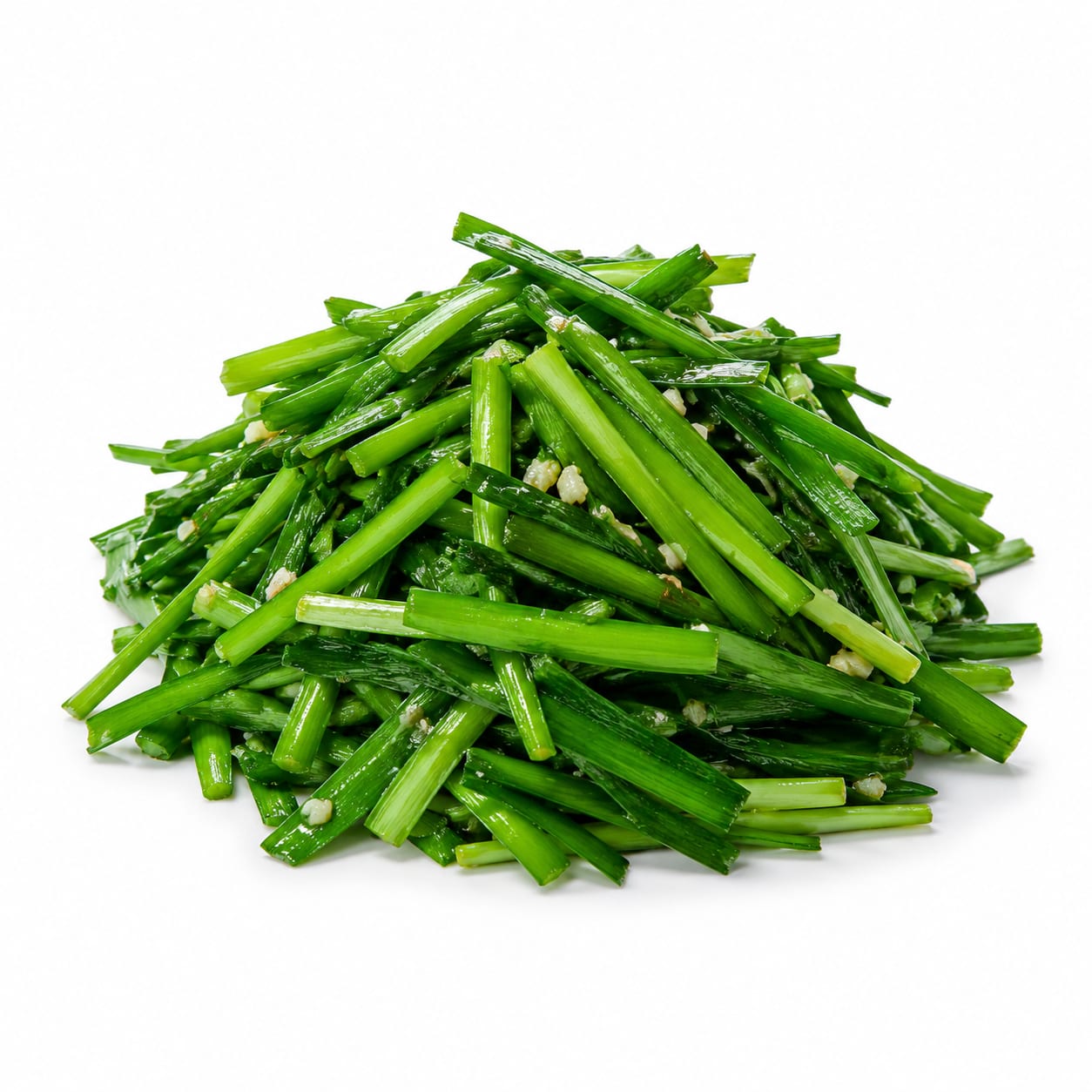
Garlic Chives
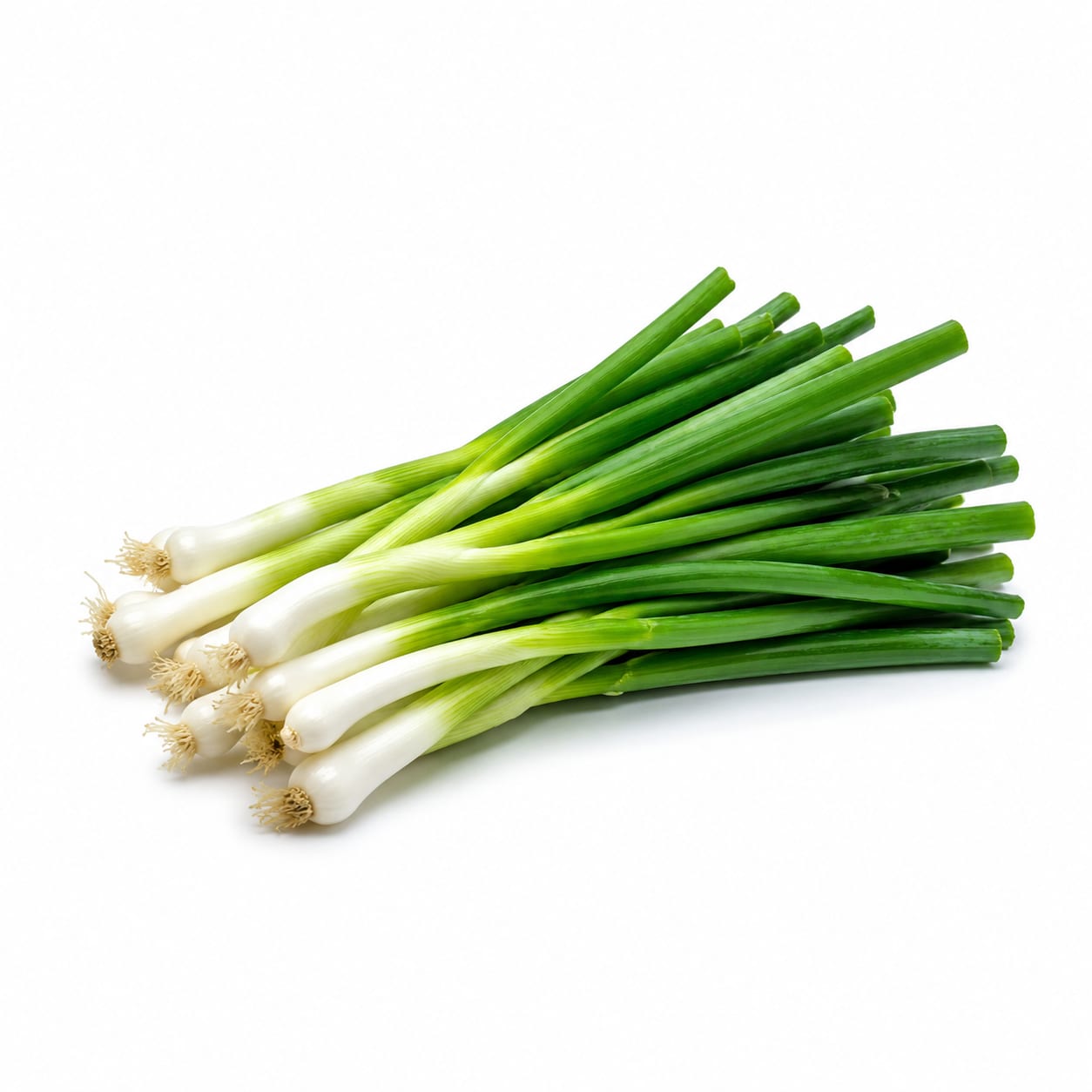
Green Onions
Garlic chives win on nutrient density and antioxidant power, but green onions win on everyday practicality and gentler digestion.
Garlic chives score slightly higher due to superior nutrient density and antioxidant content, but green onions remain competitive thanks to broader accessibility and easier digestion. The close scores reflect that both are healthy choices with different strengths.
You trade convenience and mildness for a more potent nutritional profile and bolder flavor.
At a glance
Executive summary
Overall
It depends
Healthier
Garlic Chives
More practical
Green Onions
Daily use
Green Onions
Key comparison lenses
Culinary versatility and flavor application
Garlic chives deliver a distinct garlicky punch while green onions offer milder onion sweetness, changing how each fits into dishes
Nutrient density comparison between two allium herbs
Both are nutrient-dense leafy alliums but differ significantly in vitamin and mineral profiles
Antioxidant and phytonutrient differences
Different sulfur compound profiles and flavonoid content affect long-term health benefits
Everyday practicality and accessibility
Green onions are far more available in Western grocery stores, while garlic chives require specialty markets
Digestive tolerance and sensitivity concerns
Garlic chives can cause stronger digestive reactions in sensitive individuals due to higher sulfur compound concentration
Best choice for
Garlic Chives
- People seeking maximum vitamin K and calcium from herbs
- Those wanting stronger immune and anti-inflammatory support
- Cooking Asian dishes where authentic garlicky flavor matters
- Anyone looking to diversify their allium intake beyond the usual
Green Onions
- Weeknight cooks needing a quick, reliable flavor boost
- People with sensitive stomachs who find garlic-heavy foods irritating
- Shoppers who want easy grocery store availability
- Those who prefer a milder, more versatile garnish
Least suitable for
Garlic Chives
- People with garlic or sulfur compound sensitivities
- Those without access to Asian grocery stores
- Anyone wanting a subtle, background flavor rather than a bold one
Green Onions
- Those seeking the highest possible nutrient density per bite
- Cooking traditional Asian recipes where garlic chives are essential
- People wanting stronger therapeutic benefits from their herbs
Deep comparison
Dimension by dimension
Each lens scores both foods and breaks down who each option suits.
- Dimension 1 · Priority 90Garlic Chives
Nutrient Density
Garlic Chives · 82Green Onions · 68Garlic chives pack more vitamins and minerals per serving, especially vitamin K, calcium, and iron.
Tradeoff
The nutritional edge comes with a stronger flavor that not everyone wants daily.
Why it matters
Higher nutrient density means you get more health benefits from smaller portions, which adds up over time.
Real-world impact
A handful of garlic chives in your stir-fry delivers noticeably more bone-supporting vitamin K than the same amount of green onions.
Garlic Chives
- Boosting vitamin K intake for bone health
- Increasing dietary iron and calcium naturally
- Maximizing nutrition from garnishes and herbs
Better for
- People on warfarin who need stable vitamin K intake
Worse for
Green Onions
- Getting adequate but not excessive vitamin K if you take blood thinners
- Avoiding nutrient overload when already taking supplements
Better for
- Those relying on herbs as a meaningful nutrient source
Worse for
- Dimension 2 · Priority 85Garlic Chives
Antioxidant and Anti-inflammatory Power
Garlic Chives · 80Green Onions · 65Garlic chives contain more allicin-related compounds and flavonoids, giving them stronger antioxidant and anti-inflammatory properties.
Tradeoff
More potent compounds also mean higher potential for digestive irritation in sensitive people.
Why it matters
Chronic inflammation drives many diseases, and food-based anti-inflammatory compounds offer gentle daily protection.
Real-world impact
Regularly eating garlic chives may offer more meaningful protection against cellular stress compared to the milder green onion.
Garlic Chives
- Reducing chronic inflammation through diet
- Supporting immune function during cold season
- Adding therapeutic allium compounds to meals
Better for
- Those with IBS or sulfur sensitivity who react to strong alliums
Worse for
Green Onions
- Gentle antioxidant support without digestive discomfort
- Long-term daily use without intensity fatigue
Better for
- People wanting maximum therapeutic benefit from their food choices
Worse for
- Dimension 3 · Priority 88Green Onions
Culinary Versatility
Garlic Chives · 62Green Onions · 85Green onions slide easily into almost any cuisine, while garlic chives have a more specific flavor profile that dominates dishes.
Tradeoff
Garlic chives add unique depth to Asian recipes but can overpower delicate Western dishes.
Why it matters
A versatile ingredient gets used more often, which means more consistent health benefits in practice.
Real-world impact
Green onions work as a garnish for soups, salads, tacos, and potatoes. Garlic chives shine in dumplings, stir-fries, and egg dishes but feel out of place elsewhere.
Garlic Chives
- Authentic Chinese, Korean, and Japanese recipes
- Dishes where you want garlic flavor without using garlic cloves
- Egg-based dishes and savory pancakes
Better for
- Mexican or Mediterranean recipes where the flavor clashes
- Delicate dishes where garlic dominance is unwanted
Worse for
Green Onions
- Latin American dishes like pico de gallo or garnish
- Potato dishes and creamy soups
- Any recipe needing a mild onion finish
- Salads where raw allium flavor should stay gentle
Better for
- Traditional Asian recipes specifically calling for garlic chives
Worse for
- Dimension 4 · Priority 75Green Onions
Digestive Tolerance
Garlic Chives · 55Green Onions · 78Green onions are gentler on the digestive system, while garlic chives can trigger discomfort in sensitive individuals.
Tradeoff
The compounds that make garlic chives more therapeutic also make them harder to digest for some people.
Why it matters
A food that causes bloating or discomfort gets avoided, negating any nutritional advantages.
Real-world impact
If raw garlic chives give you gas or heartburn, you will naturally eat less of them, while green onions rarely cause issues even raw.
Garlic Chives
- People with robust digestion who tolerate alliums well
Better for
- People prone to bloating from sulfur-rich foods
- Those with acid reflux triggered by garlic
Worse for
Green Onions
- Anyone with IBS, GERD, or sulfur sensitivity
- Older adults with more delicate digestion
- Those new to eating raw alliums regularly
Better for
- Anyone who finds the flavor too mild to enjoy eating regularly
Worse for
- Dimension 5 · Priority 80Green Onions
Availability and Practicality
Garlic Chives · 40Green Onions · 92Green onions are available in virtually every grocery store year-round. Garlic chives require specialty markets or home growing.
Tradeoff
Easy access means green onions become a habitual staple, while garlic chives remain an occasional specialty ingredient for most people.
Why it matters
The healthiest food is the one you actually eat consistently. Availability drives consistency.
Real-world impact
You can grab green onions at any supermarket on any day. Finding garlic chives might mean a separate trip to an Asian market or growing them yourself.
Garlic Chives
- Home gardeners who can grow their own supply
- People living near Asian grocery stores
- Cooks who plan meals around specialty ingredients
Better for
- Rural shoppers without specialty market access
- Those who dislike gardening or lack outdoor space
Worse for
Green Onions
- Busy people who shop at conventional grocery stores
- Anyone who wants to grab herbs on the way home from work
- Meal preppers who need reliable ingredient access
Better for
- Anyone who finds grocery store green onions wilted or poor quality
Worse for
Timeline
Health impact over time
Short-term
Hours to days
Garlic Chives
- Noticeable garlic breath that lingers longer than green onion
- Possible mild digestive discomfort if eaten raw in large amounts
- Quick flavor satisfaction that makes plain vegetables more appealing
Green Onions
- Very mild breath impact compared to garlic chives
- Rarely causes digestive upset even when eaten raw
- Gentle appetite stimulation without overwhelming the palate
Long-term
Months to years
Garlic Chives
- Stronger anti-inflammatory protection from higher allicin-related compounds
- Better bone density support from superior vitamin K content
- More consistent immune system support during seasonal challenges
- Potential for improved cardiovascular markers from sulfur compounds
Green Onions
- Consistent but moderate antioxidant intake from regular daily use
- Reliable vitamin C and K contribution without risk of excess
- Easier long-term adherence due to mild flavor and wide availability
- Gentle cardiovascular benefits from quercetin and sulfur compounds
Risk profile
Safety & processing
Both garlic chives and green onions are whole, unprocessed foods sold fresh. Neither typically contains additives or preservatives. The only processing concern is potential pesticide residue, which applies equally to both unless you buy organic.
Garlic Chives
Pesticide residue
mediumLeafy herbs can retain pesticide residue. Washing thoroughly or choosing organic reduces this concern significantly.
Bacterial contamination
lowLike all fresh herbs, garlic chives can carry surface bacteria. Rinse well before eating raw.
Green Onions
Pesticide residue
mediumGreen onions frequently appear on EWG's Dirty Dozen list due to detected pesticide residues. Organic is preferable.
Foodborne illness from root ends
lowThe root end can harbor soil bacteria. Trimming and washing the white bulb area thoroughly minimizes risk.
Who wins for whom
Audience fit
Same foods, different winners depending on your goal.
children
Green OnionsGreen onions have a milder taste that kids tolerate better. The garlicky intensity of garlic chives often gets rejected by young palates.
daily consumption
Green OnionsGreen onions are easier to find, gentler on digestion, and versatile enough to use every day without flavor fatigue. Consistency beats intensity for daily habits.
diabetes
Garlic ChivesGarlic chives contain more sulfur compounds that may help improve insulin sensitivity, and their stronger flavor encourages cooking at home over eating processed flavored foods.
elderly
Green OnionsOlder adults often have more sensitive digestion, making the gentler green onions a safer daily choice. Their wider availability also simplifies shopping.
muscle gain
It dependsNeither is a significant protein source. Both serve as flavor enhancers for protein-rich meals rather than muscle-building foods themselves.
weight loss
It dependsBoth are extremely low in calories and add flavor without fat. Garlic chives may edge ahead slightly because their stronger flavor makes bland diet food more satisfying with fewer additions.
Your move
Decision guide
Choose Garlic Chives
- You want the most nutrient-dense herb option available
- You cook Asian cuisine regularly and want authentic flavor
- Your digestion handles garlic well without issues
- You have access to an Asian grocery store or grow your own
- You want stronger anti-inflammatory and immune benefits
Choose Green Onions
- You need something available at any grocery store anytime
- You prefer mild flavors that complement rather than dominate
- You have sensitive digestion or react to garlic-heavy foods
- You cook a wide variety of cuisines beyond Asian
- You want a reliable daily garnish you will actually use consistently
Either works if
- You simply want to add fresh allium flavor to a dish
- You are looking for low-calorie ways to make vegetables more exciting
- You want to increase your vitamin K intake from whole foods
Avoid both if
- You have a confirmed allium allergy
- You are on strict low-FODMAP protocols during elimination phase
- You take warfarin and cannot maintain consistent vitamin K intake
Final recommendation
Keep green onions as your everyday staple for their convenience and gentle versatility, but add garlic chives when you find them for a nutritional upgrade and bold flavor boost. The best approach is using both: green onions daily, garlic chives when you want something more potent. Neither is a wrong choice.
Practical
Consumer tips
- 1
Choose organic green onions when possible, as they frequently test high for pesticide residue
- 2
Store both wrapped in a damp paper towel inside a bag in the fridge to extend freshness to a week or more
- 3
Regrow green onions by placing the root ends in water on a sunny windowsill, they will sprout new greens within days
- 4
Garlic chives can be frozen after chopping for later use in cooked dishes, though texture changes make them unsuitable for raw garnishing after freezing
- 5
If garlic chives are unavailable, combine regular chives with a small amount of minced garlic as a reasonable substitute
- 6
Wash both herbs thoroughly right before using rather than before storing, as excess moisture speeds spoilage