
Nutrition comparison
Garlic Chives vs Basil: Nutrition, Health Benefits & Best Uses
Compare Garlic Chives vs Basil to see which herb is healthier. Discover the differences in vitamins, fiber, antioxidants, and best culinary uses.
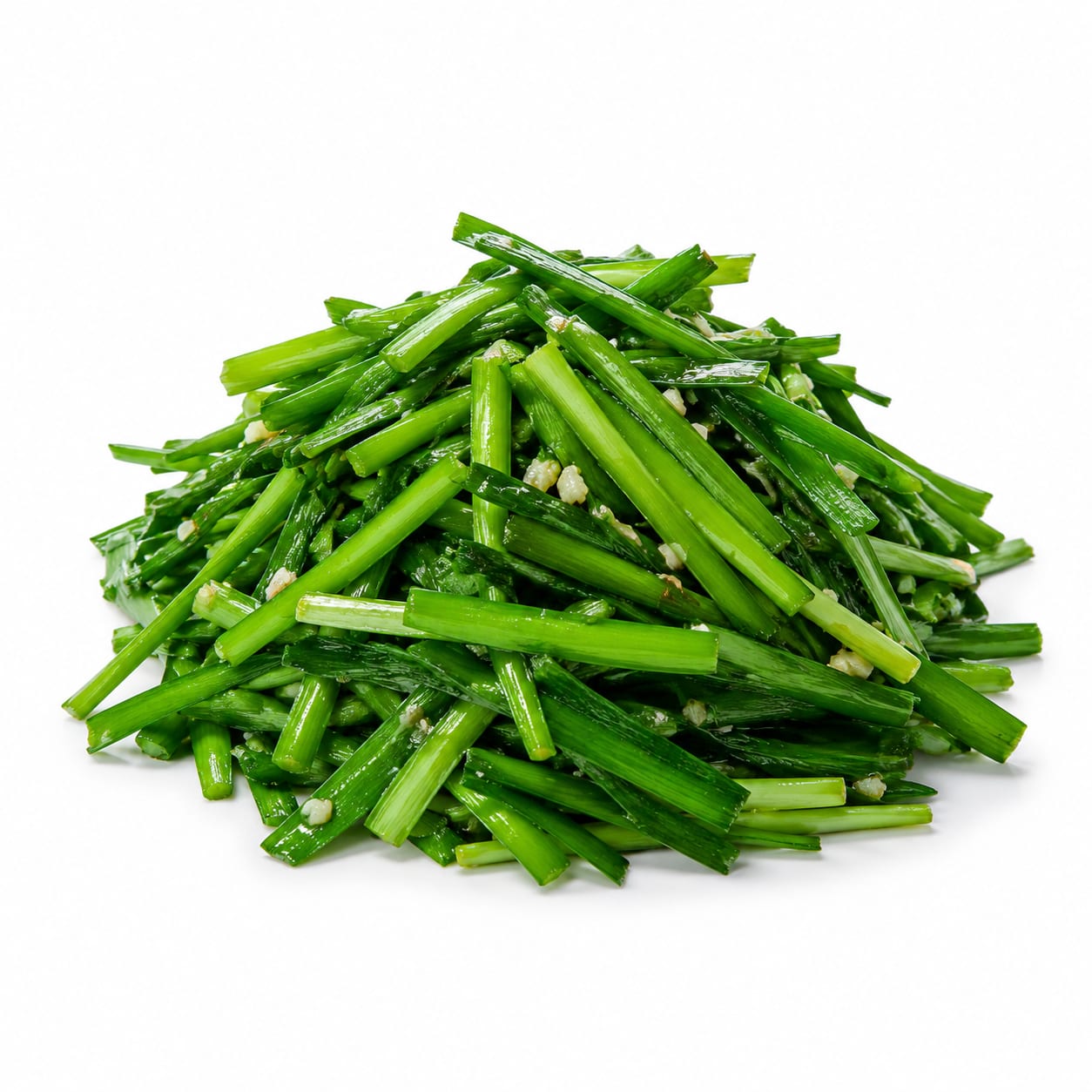
Garlic Chives
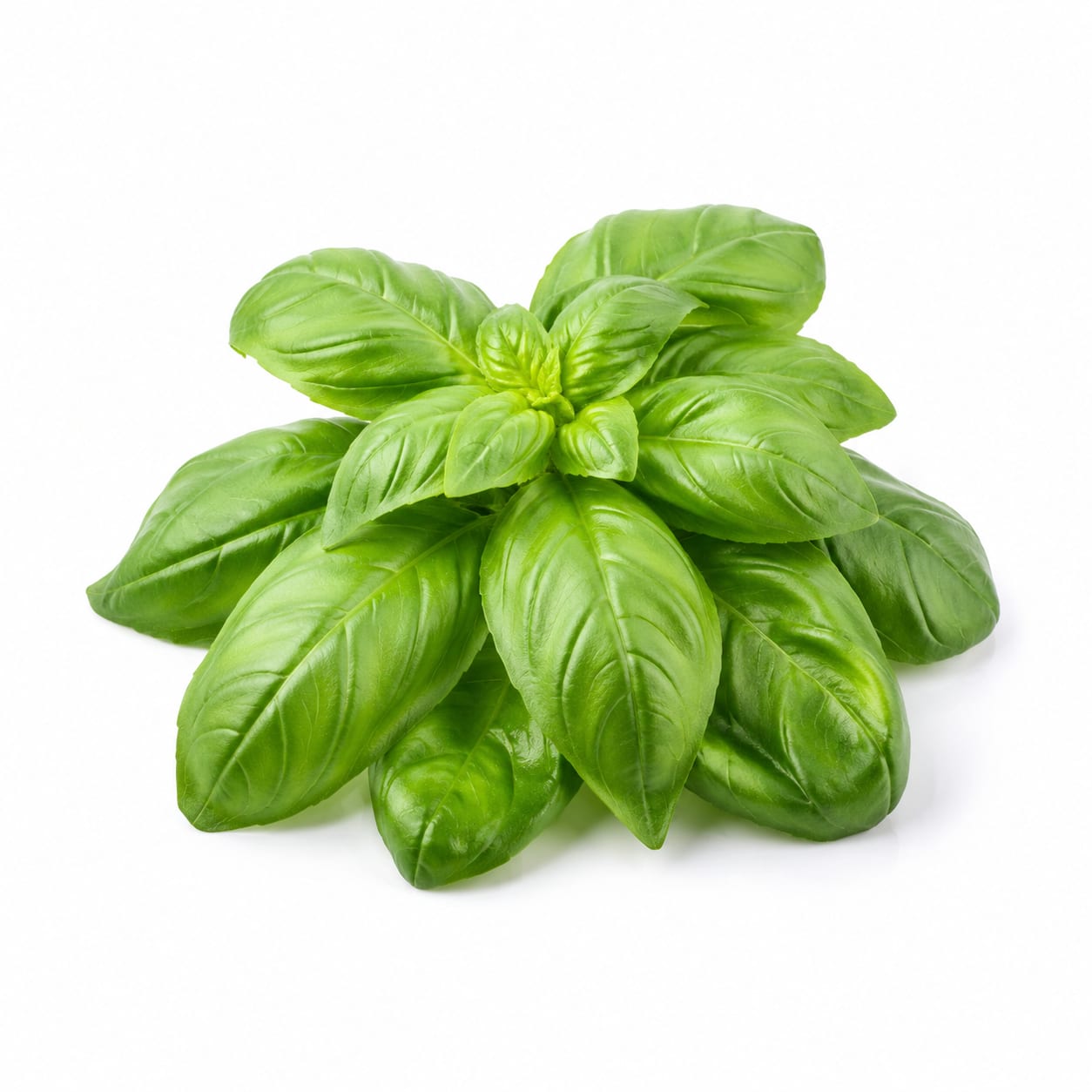
Basil
Garlic Chives and Basil both offer unique flavors and health perks, making the winner depend entirely on your dish and nutrient goals.
Scores are nearly identical because both are low-calorie, nutrient-dense herbs. Garlic Chives edges ahead slightly in fiber and vitamin C, while Basil excels in vitamin K and specific antioxidants.
Garlic Chives bring a savory, garlic-onion punch with more fiber, while Basil delivers a sweet, peppery aroma with stronger anti-inflammatory essential oils.
At a glance
Executive summary
Overall
It depends
Healthier
It depends
More practical
Basil
Daily use
It depends
Key comparison lenses
Herb selection for flavor and health benefits
Users choosing between these herbs are usually looking for the right flavor profile but often want to know which offers better nutritional perks.
Vitamin and antioxidant intake
Both herbs are nutrient-dense powerhouses, but their vitamin and antioxidant profiles differ significantly.
Culinary compatibility with global cuisines
Garlic Chives are essential in Asian cooking, while Basil defines Mediterranean dishes, making cuisine type a major deciding factor.
Best choice for
Garlic Chives
- Savory Asian dishes like dumplings and stir-fries
- Boosting daily fiber intake effortlessly
- Getting garlic flavor without actual garlic bulbs
Basil
- Mediterranean recipes like pasta and caprese
- Targeting inflammation and joint health
- Meeting daily Vitamin K needs easily
Least suitable for
Garlic Chives
- Sweet or dessert recipes
- Classic Italian dishes where sweet basil is expected
Basil
- Traditional Chinese dumpling fillings
- Recipes requiring a strong savory-allium flavor profile
Deep comparison
Dimension by dimension
Each lens scores both foods and breaks down who each option suits.
- Dimension 1 · Priority 90Garlic Chives
Nutrient Density & Vitamins
Garlic Chives · 82Basil · 80Garlic Chives offer a broader spectrum of vitamins like C and A alongside solid fiber, whereas Basil is a powerhouse specifically for Vitamin K.
Tradeoff
You trade Basil's massive Vitamin K dose for Garlic Chives' more balanced vitamin profile and gut-friendly fiber.
Why it matters
Vitamin K is crucial for bone health and clotting, but fiber and vitamin C support digestion and immunity daily.
Real-world impact
Adding Garlic Chives to your omelet gives you steadier digestion and immune support, while a handful of Basil easily covers your daily Vitamin K.
Garlic Chives
- Balanced vitamin intake
- Fiber supplementation
- Vitamin C boost
Better for
- Massive Vitamin K doses
Worse for
Basil
- Bone health support
- Blood clotting function
- Manganese intake
Better for
- Fiber content
- Broad-spectrum vitamins
Worse for
- Dimension 2 · Priority 85Basil
Antioxidant & Anti-inflammatory Power
Garlic Chives · 78Basil · 85Basil contains eugenol and lutein, offering potent anti-inflammatory effects, while Garlic Chives rely on allicin-like compounds.
Tradeoff
Basil targets inflammation more directly through its essential oils, whereas Garlic Chives offer more cardiovascular and immune support.
Why it matters
Chronic inflammation drives many diseases; choosing herbs with strong anti-inflammatory oils can be a subtle but powerful daily defense.
Real-world impact
Using Basil in pesto or salads can help calm inflammatory responses, while Garlic Chives are better for fending off colds.
Garlic Chives
- Immune defense
- Cardiovascular support
Better for
- Targeted anti-inflammatory action
Worse for
Basil
- Joint inflammation relief
- Cellular protection
- Eye health via lutein
Better for
- Direct immune-boosting allicin
Worse for
- Dimension 3 · Priority 95It depends
Culinary Versatility & Flavor Impact
Garlic Chives · 80Basil · 85Basil shines in raw applications and Mediterranean food, while Garlic Chives are essential for savory Asian cooking.
Tradeoff
Basil's sweet, anise notes clash with Asian savory profiles, and Garlic Chives' onion-garlic taste ruins Italian classics.
Why it matters
An herb is only healthy if you actually eat it, so choosing the one that fits your cooking style matters most.
Real-world impact
Use Basil for caprese salads and pasta, but reach for Garlic Chives when making potstickers or stir-fries.
Garlic Chives
- Savory dumplings
- Stir-fries
- Egg dishes
Better for
- Raw salad applications
- Dessert garnishes
Worse for
Basil
- Fresh salads
- Pasta sauces
- Pesto
Better for
- Hot savory soups
- Asian dumpling fillings
Worse for
- Dimension 4 · Priority 75Garlic Chives
Digestive Health & Fiber
Garlic Chives · 85Basil · 65Garlic Chives provide significantly more dietary fiber per serving than Basil, promoting better gut health.
Tradeoff
You get more digestive bulk from Garlic Chives, but you miss out on Basil's soothing essential oils that can ease indigestion.
Why it matters
Fiber feeds gut bacteria and keeps things moving, which is often a missing piece in modern diets.
Real-world impact
A serving of Garlic Chives helps you feel lighter and more regular, whereas Basil acts more as a digestive relaxant.
Garlic Chives
- Gut microbiome support
- Regularity
- Satiety
Better for
- Calming an upset stomach
Worse for
Basil
- Soothing indigestion
- Bloating relief
Better for
- Substantial fiber contribution
Worse for
Timeline
Health impact over time
Short-term
Hours to days
Garlic Chives
- May cause mild garlic breath
- Can stimulate digestion quickly
Basil
- Soothes mild stomach discomfort
- Freshens breath
Long-term
Months to years
Garlic Chives
- Supports cardiovascular health
- Improves bowel regularity
Basil
- Reduces systemic inflammation
- Protects eye health
Risk profile
Safety & processing
Both Garlic Chives and Basil are whole, natural herbs typically consumed fresh or dried without additives.
Garlic Chives
Bacterial contamination
lowLike all fresh leafy greens, Garlic Chives can harbor bacteria if not washed properly, especially if grown close to the ground.
Basil
Pesticide residue
mediumBasil often ranks high for pesticide residue when not organically grown, so washing thoroughly is essential.
Who wins for whom
Audience fit
Same foods, different winners depending on your goal.
children
BasilBasil's milder, sweeter flavor is usually more appealing to kids than the strong garlic-onion taste of Garlic Chives.
daily consumption
It dependsIt depends on your cuisine; Basil is perfect for Mediterranean daily use, while Garlic Chives are a daily staple in Asian diets.
diabetes
Garlic ChivesThe higher fiber content in Garlic Chives helps slow glucose absorption, offering slightly better blood sugar stability.
elderly
BasilBasil's exceptional Vitamin K content is crucial for bone density and clotting in older adults, and its anti-inflammatory properties ease joint issues.
muscle gain
It dependsNeither herb significantly impacts muscle gain directly, though both add flavor to high-protein meals without extra calories.
weight loss
Garlic ChivesGarlic Chives add robust savory flavor and more fiber, helping you feel fuller and more satisfied with fewer calories.
Your move
Decision guide
Choose Garlic Chives
- You cook a lot of Asian dishes like dumplings or stir-fries
- You want to increase your daily fiber intake effortlessly
- You love garlic and onion flavors but want a greener, fresher alternative
Choose Basil
- You eat a Mediterranean or Italian diet regularly
- You need a significant Vitamin K boost for bone health
- You want a sweet, fresh herb for salads and raw dishes
Either works if
- You just need a flavorful, low-calorie garnish for eggs or soups
- You are looking to add more antioxidants to your diet generally
Avoid both if
- You have a severe allergy to alliums or mint family plants
- You are on blood thinners and need to strictly limit Vitamin K intake
Final recommendation
Keep both on hand if possible. Use Basil for your pastas, salads, and Mediterranean nights, and switch to Garlic Chives for savory Asian cooking and an extra fiber boost.
Practical
Consumer tips
- 1
Wash Basil thoroughly under running water to remove pesticide residues, or buy organic
- 2
Store Basil like a bouquet of flowers on the counter; refrigerating it turns the leaves black
- 3
Garlic Chives can be stored in a damp paper towel in the fridge to stay crisp for over a week
- 4
Add Garlic Chives at the very end of cooking to preserve their delicate garlic flavor and vitamin C
- 5
Make a large batch of Basil pesto and freeze it in ice cube trays for easy flavor boosts year-round