
Nutrition comparison
Garlic Chives vs Cilantro: Nutrition, Detox Benefits, and Which Herb to Use Daily
Compare garlic chives and cilantro side by side—nutrient density, heavy metal detox, digestive safety, and taste accessibility. Find out which herb fits your health goals and cooking style.
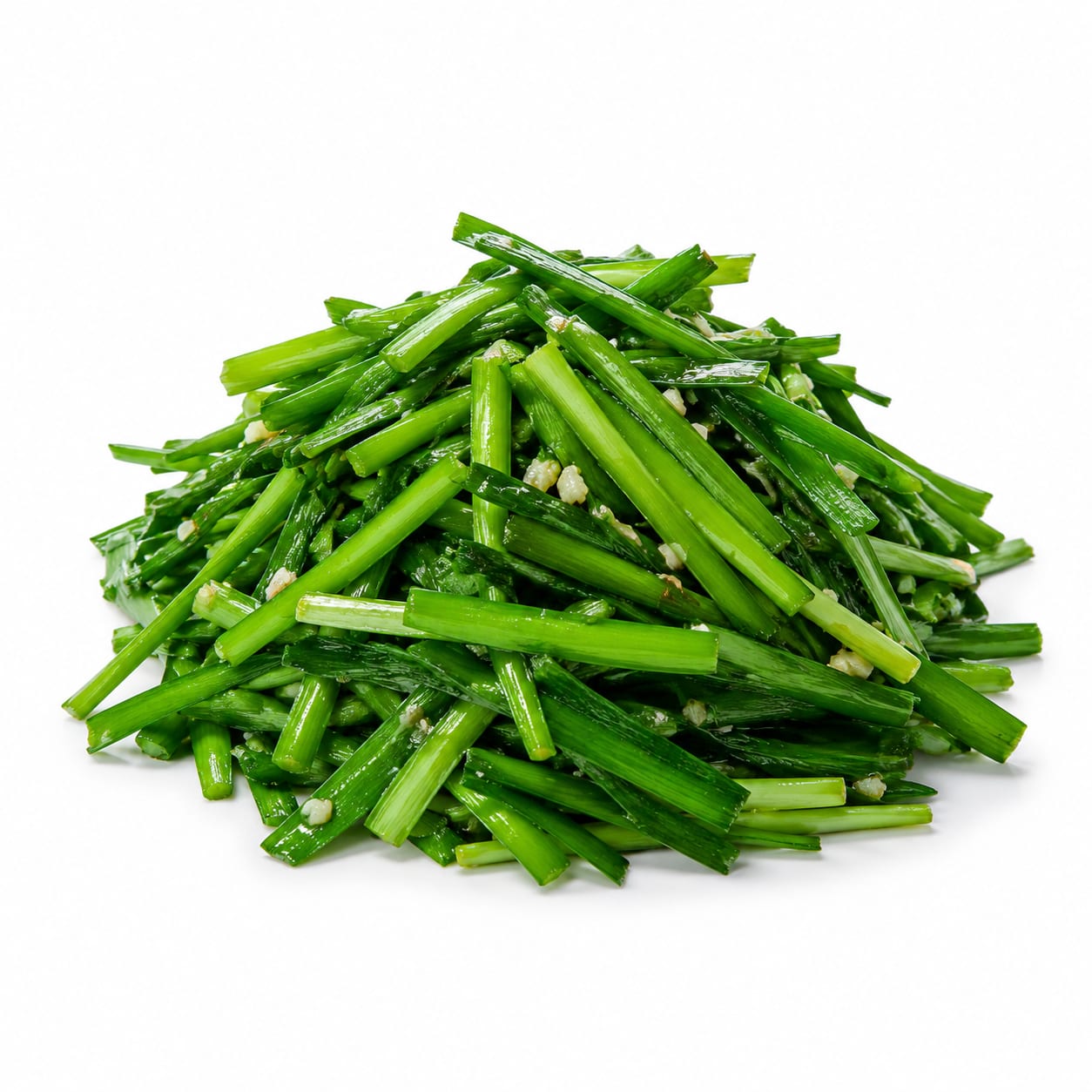
Garlic Chives
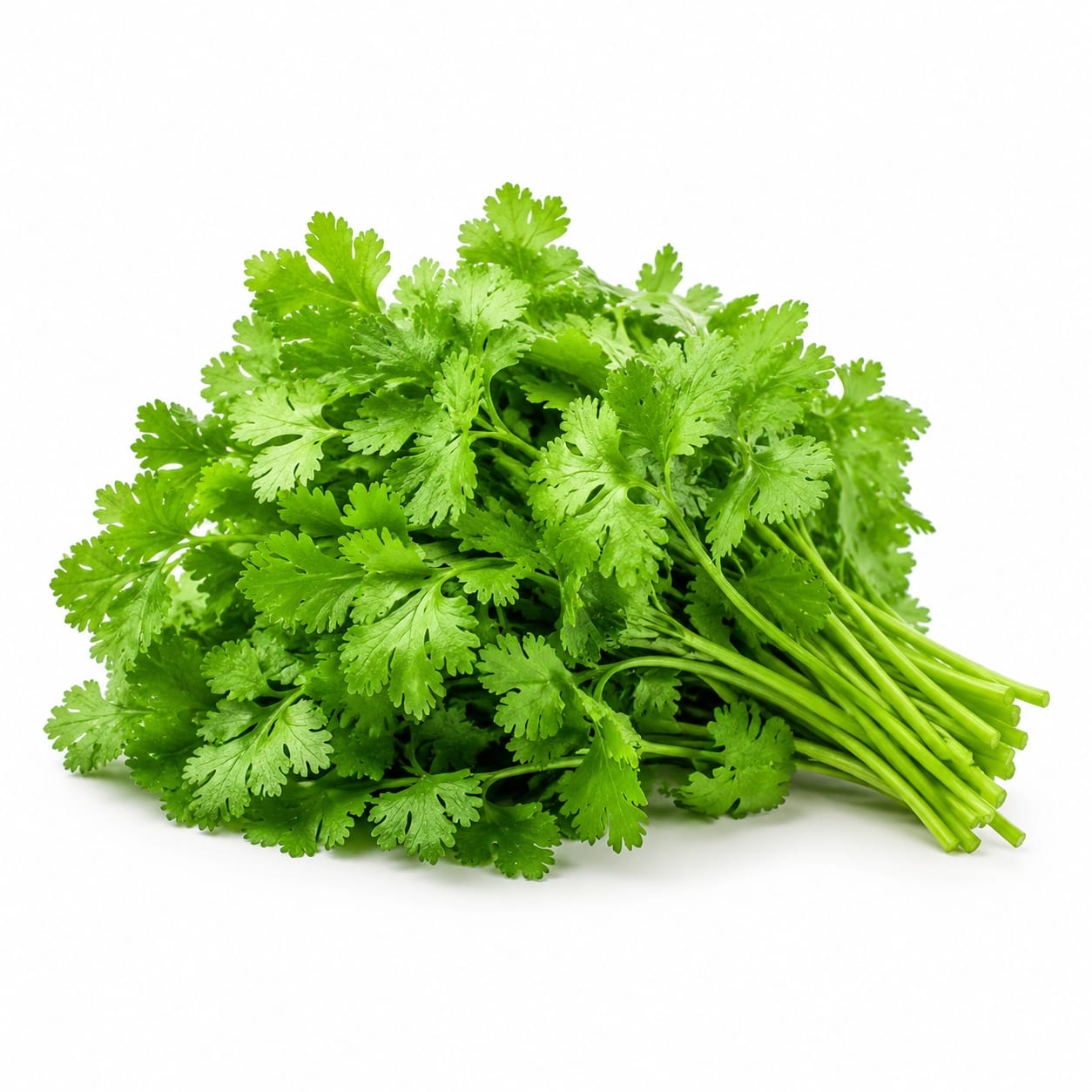
Cilantro
Garlic chives win on nutrient density and gentle digestibility, while cilantro excels at detox support and broader cuisine compatibility—but the soap-taste gene makes it inaccessible for some people.
Garlic chives score slightly higher due to superior nutrient density and fewer accessibility barriers, but cilantro's unique detox properties and wider culinary reach keep it competitive.
Garlic chives offer steadier nutrition and easier daily use, whereas cilantro provides unique heavy-metal chelation benefits but alienates a significant portion of eaters.
At a glance
Executive summary
Overall
It depends
Healthier
Garlic Chives
More practical
Cilantro
Daily use
Garlic Chives
Key comparison lenses
herbal nutrient density comparison
Users choosing between fresh herbs want to know which packs more vitamins and minerals per bite
culinary versatility and flavor compatibility
These herbs serve very different flavor roles and are rarely interchangeable in recipes
digestive and detoxification benefits
Both herbs are traditionally used for gut health and detox, but through different mechanisms
genetic taste perception issues
Cilantro's infamous soap-taste gene creates a unique accessibility concern that garlic chives avoid
daily consumption safety and sustainability
Herbs used daily need to be gentle long-term; sulfur compounds and oxalates matter here
Best choice for
Garlic Chives
- People seeking consistent vitamin K and folate intake
- Those with cilantro aversion or sensitivity
- Anyone wanting gentle digestive support without strong flavors
- Home cooks focused on Asian cuisine
Cilantro
- People interested in natural heavy-metal detox support
- Fans of Mexican, Indian, Thai, or Middle Eastern cooking
- Those who enjoy bright, citrusy flavor profiles
- Anyone wanting broader recipe versatility across cuisines
Least suitable for
Garlic Chives
- People on blood-thinning medications due to high vitamin K
- Those who dislike mild garlic-onion flavors
- Cooks needing a bright, acidic herbal finish
Cilantro
- People with the OR6A2 gene variant who perceive soapy taste
- Those with oxalate sensitivity or kidney stone history
- Anyone needing consistent flavor results for guests
Deep comparison
Dimension by dimension
Each lens scores both foods and breaks down who each option suits.
- Dimension 1 · Priority 90Garlic Chives
Nutrient Density
Garlic Chives · 82Cilantro · 71Garlic chives deliver more folate, vitamin K, and iron per serving than cilantro, making them the more concentrated nutrient source.
Tradeoff
Cilantro still provides solid vitamin A and C, but garlic chives cover a broader micronutrient base with less volume needed.
Why it matters
When using herbs as functional foods rather than just garnish, every bite should count nutritionally.
Real-world impact
A handful of garlic chives in your eggs gives you a meaningful folate and vitamin K bump; cilantro requires larger quantities for similar impact.
Garlic Chives
- Pregnant women needing folate support
- Anyone with vitamin K deficiency concerns
- Older adults needing iron from gentle sources
Better for
- People on warfarin who must limit vitamin K intake
Worse for
Cilantro
- Those primarily seeking vitamin A for skin and eye health
- People wanting vitamin C alongside their herbs
Better for
- Anyone relying on herbs as a significant folate source
Worse for
- Dimension 2 · Priority 86Cilantro
Detoxification and Heavy Metal Chelation
Garlic Chives · 55Cilantro · 88Cilantro is well-documented for binding heavy metals like mercury and lead, while garlic chives offer mild liver support through sulfur compounds but lack direct chelation evidence.
Tradeoff
Cilantro's chelation power is rare among common herbs, but garlic chives' sulfur compounds still support phase II liver detox pathways.
Why it matters
For people concerned about environmental toxin exposure, daily cilantro consumption offers a unique protective mechanism most herbs cannot match.
Real-world impact
Adding cilantro to smoothies or meals regularly may help your body gradually eliminate stored heavy metals; garlic chives support liver function but through a slower, less targeted pathway.
Garlic Chives
- People wanting gentle, ongoing liver support without strong detox reactions
Better for
- People specifically seeking heavy metal removal
Worse for
Cilantro
- Those with known heavy metal exposure concerns
- People doing structured detox protocols
- Anyone living in high-pollution urban areas
Better for
- Those sensitive to rapid detox symptoms like headaches or fatigue
Worse for
- Dimension 3 · Priority 80Garlic Chives
Digestive Tolerance and Gentleness
Garlic Chives · 79Cilantro · 65Garlic chives are generally well-tolerated and may soothe digestion, while cilantro's oxalate content can irritate sensitive stomachs and contribute to kidney stones in prone individuals.
Tradeoff
Cilantro's digestive benefits come with an oxalate cost that garlic chives largely avoid, making chives the safer daily choice for sensitive systems.
Why it matters
Herbs consumed daily must be gentle enough for long-term use without accumulating risks like oxalate buildup.
Real-world impact
If you have a history of kidney stones or sensitive digestion, garlic chives are the safer daily herb; cilantro is fine occasionally but less ideal as a staple.
Garlic Chives
- People with kidney stone history
- Those with irritable bowel patterns
- Anyone using herbs daily without medical supervision
Better for
- People specifically seeking carminative gas-relief properties
Worse for
Cilantro
- People with robust digestion and no oxalate concerns
- Those using cilantro intermittently rather than daily
Better for
- Anyone with calcium oxalate kidney stone risk
- People with histamine sensitivity
Worse for
- Dimension 4 · Priority 84Cilantro
Culinary Versatility and Cuisine Coverage
Garlic Chives · 62Cilantro · 86Cilantro appears across Mexican, Indian, Thai, Vietnamese, and Middle Eastern cuisines, while garlic chives are primarily featured in East and Southeast Asian cooking.
Tradeoff
Garlic chives have a more specialized flavor profile that limits cross-cuisine use, but they fill a unique savory-garlic niche that cilantro cannot replicate.
Why it matters
An herb you can use in more dishes gets eaten more often, delivering its health benefits more consistently.
Real-world impact
Cilantro can finish tacos, curries, pho, and salads; garlic chives shine in dumplings, stir-fries, and egg dishes but feel out of place in most Western recipes.
Garlic Chives
- Cooks specializing in Chinese, Korean, or Japanese cuisine
- Anyone wanting a mild garlic substitute that cooks well into dishes
Better for
- Cooks wanting a bright, raw finishing herb
- Those preparing Latin American or South Asian dishes
Worse for
Cilantro
- Home cooks exploring multiple global cuisines
- People wanting a fresh finishing herb for diverse meals
- Anyone who eats Mexican or South Asian food regularly
Better for
- Recipes requiring a cooked-in savory allium flavor
Worse for
- Dimension 5 · Priority 76Garlic Chives
Genetic Taste Accessibility
Garlic Chives · 90Cilantro · 52Roughly 14-21% of people perceive cilantro as soapy due to the OR6A2 gene variant, while garlic chives have a nearly universally pleasant mild garlic flavor.
Tradeoff
Cilantro's flavor is polarizing by genetics, not preference—making it objectively inaccessible for a significant minority, whereas garlic chives are broadly enjoyed.
Why it matters
No health benefit matters if you cannot stomach the food; genetic aversion creates a real barrier to consistent consumption.
Real-world impact
If you serve cilantro to a group, roughly one in five people may find it genuinely unpleasant; garlic chives are the safer choice for shared meals.
Garlic Chives
- Cooking for groups with unknown taste preferences
- People who have never enjoyed cilantro
- Parents introducing herbs to children
Better for
- No significant accessibility downside
Worse for
Cilantro
- Genetic cilantro lovers who experience its bright citrus notes
- Cooks preparing food for known cilantro enthusiasts
Better for
- Anyone with the OR6A2 gene variant
- Dinner hosts unfamiliar with guests' taste preferences
Worse for
- Dimension 6 · Priority 78It depends
Antioxidant and Anti-inflammatory Profile
Garlic Chives · 76Cilantro · 74Garlic chives provide allicin-derived sulfur antioxidants, while cilantro offers quercetin and kaempferol—both are potent but through different pathways.
Tradeoff
Sulfur compounds in garlic chives support cardiovascular and immune function, while cilantro's flavonoids target cellular oxidative stress more directly.
Why it matters
Different antioxidant families complement each other; rotating both herbs gives broader protection than relying on one.
Real-world impact
Garlic chives may better support heart health and immunity long-term; cilantro may better protect cells from everyday oxidative wear and tear.
Garlic Chives
- People prioritizing cardiovascular protection
- Those wanting immune support during cold season
Better for
- People seeking diverse flavonoid intake
Worse for
Cilantro
- People focused on cellular anti-aging strategies
- Those wanting skin-protective flavonoids
Better for
- Those wanting sulfur-based cardiovascular benefits
Worse for
Timeline
Health impact over time
Short-term
Hours to days
Garlic Chives
- Mild digestive soothing after meals
- Subtle savory satisfaction that reduces salt cravings
- Gentle antimicrobial effect from sulfur compounds
Cilantro
- Fresh palate-cleansing sensation during meals
- Possible mild detox reaction if consumed in large amounts
- Quick vitamin C boost when eaten raw
Long-term
Months to years
Garlic Chives
- Consistent vitamin K intake supports bone density over decades
- Steady folate contributes to cardiovascular health maintenance
- Sulfur compounds may reduce chronic inflammation markers gradually
Cilantro
- Regular heavy metal chelation may reduce accumulated toxic burden
- Flavonoid intake supports cellular aging defense
- Oxalate accumulation could increase kidney stone risk if consumed excessively
Risk profile
Safety & processing
Both garlic chives and cilantro are whole, unprocessed fresh herbs typically consumed raw or lightly cooked. Neither carries meaningful processing concerns when purchased fresh.
Garlic Chives
Pesticide residue on conventionally grown chives
mediumLeafy herbs often retain surface pesticides; washing thoroughly or choosing organic reduces exposure significantly.
Vitamin K interaction with blood thinners
mediumConsistent daily consumption could interfere with warfarin effectiveness; patients should maintain steady intake patterns rather than fluctuating.
Cilantro
Oxalate accumulation and kidney stone formation
mediumCilantro contains moderate oxalates; daily heavy consumption by stone-prone individuals could contribute to recurrence.
Pesticide residue on conventionally grown cilantro
mediumCilantro frequently appears on EWG's Dirty Dozen list for pesticide residues; organic is strongly preferable.
Contamination from improper washing
lowLike all fresh herbs, cilantro can harbor bacteria from farm handling; thorough washing before raw consumption is essential.
Who wins for whom
Audience fit
Same foods, different winners depending on your goal.
children
Garlic ChivesGarlic chives have a milder, more universally accepted flavor, while cilantro's soapy perception affects some children genetically.
daily consumption
Garlic ChivesLower oxalate load, fewer genetic taste barriers, and broader micronutrient coverage make garlic chives the safer daily staple.
diabetes
Garlic ChivesSulfur compounds in garlic chives may modestly improve insulin sensitivity, while both herbs are equally negligible for blood sugar impact.
elderly
Garlic ChivesHigher vitamin K and folate content supports bone density and cardiovascular maintenance in aging populations, with fewer oxalate concerns.
muscle gain
Garlic ChivesGarlic chives provide slightly more iron and folate per serving, supporting oxygen transport and recovery marginally better than cilantro.
weight loss
It dependsBoth herbs are virtually calorie-free and add flavor without energy density; choice depends on which flavor profile keeps you satisfied longer.
Your move
Decision guide
Choose Garlic Chives
- You want a gentle daily herb with strong micronutrient returns
- You or your family members dislike cilantro's taste
- You have kidney stone concerns or oxalate sensitivity
- You cook primarily East Asian cuisine
- You are on blood thinners and prefer steady, predictable vitamin K intake
Choose Cilantro
- Heavy metal detox is a priority for you
- You love the flavor and cook Mexican, Indian, or Thai food often
- You want maximum recipe versatility across global cuisines
- You tolerate oxalates well and have no kidney stone history
- You prefer a bright, raw finishing herb over a cooked-in flavor
Either works if
- You simply want to add fresh herbs to your diet for general health
- You enjoy both flavors and can rotate them across meals
- You are looking for antioxidant diversity from different compound families
Avoid both if
- You have severe pollen allergies to Apiaceae or Allium families
- You cannot source either herb fresh and only have access to flavorless dried versions
Final recommendation
Use garlic chives as your reliable daily herb for steady nutrition and gentle digestion, and add cilantro strategically when cooking cuisines where it shines or when you want its unique detox benefits. Rotating both gives you the broadest antioxidant coverage without overloading on either's specific drawbacks.
Practical
Consumer tips
- 1
Buy organic cilantro whenever possible—it consistently ranks high for pesticide residue on conventional farms
- 2
Add garlic chives at the end of cooking to preserve their delicate sulfur compounds and vitamins
- 3
If cilantro tastes soapy to you, try crushing the leaves before adding them—some people find this reduces the aldehyde compounds responsible
- 4
Grow both herbs on a windowsill; fresh-cut herbs retain far more nutrients than store-bought bunches sitting for days
- 5
Freeze cilantro in olive oil ice cube trays for convenient cooking portions that preserve flavor
- 6
Garlic chives regrow after cutting, making them more sustainable for home gardeners than single-harvest cilantro