
Nutrition comparison
Garlic Chives vs Garlic: Which Allium Is Better for Your Health?
Compare garlic chives and garlic for immune support, heart health, digestion, and cooking. Learn which one fits your goals and how to use both effectively.
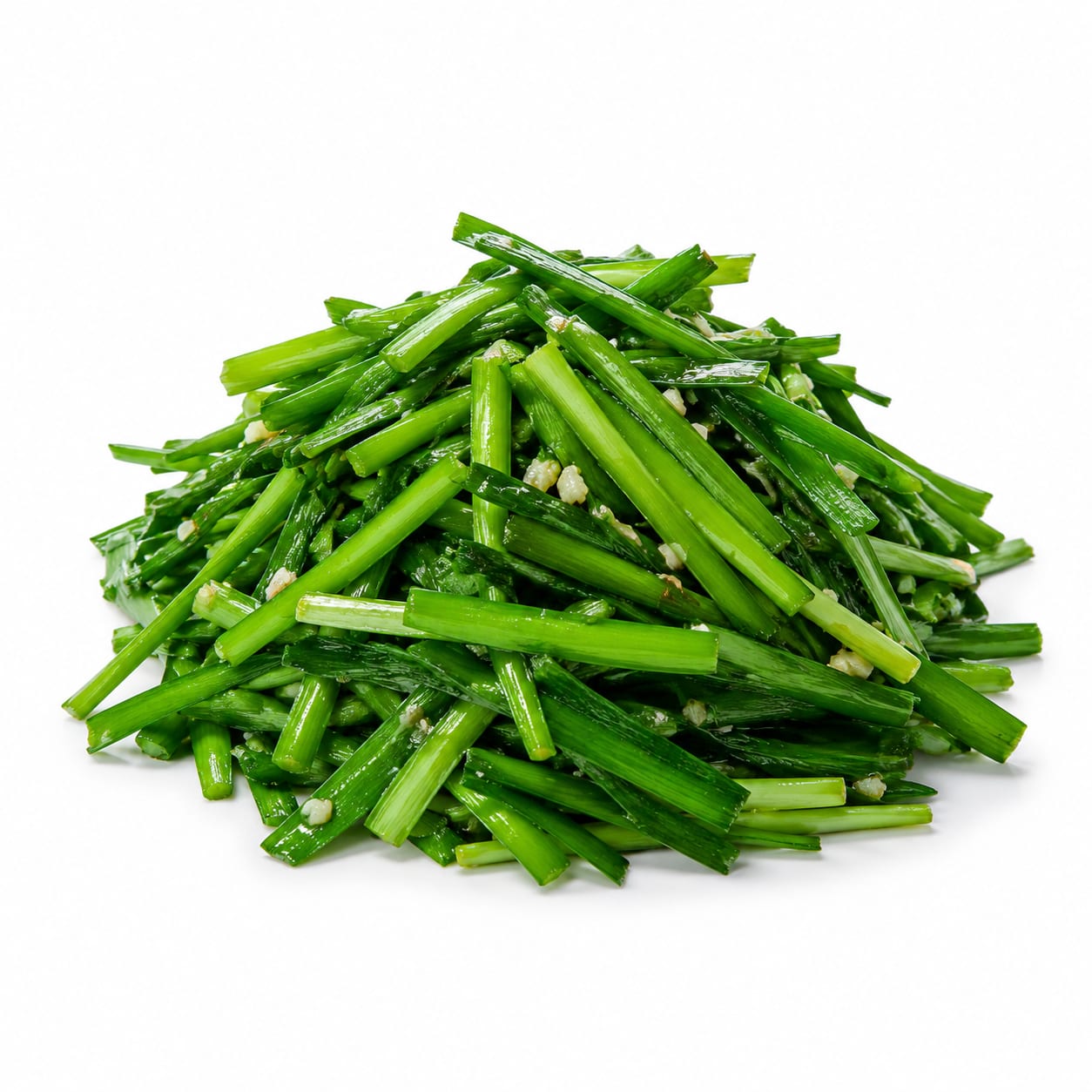
Garlic Chives
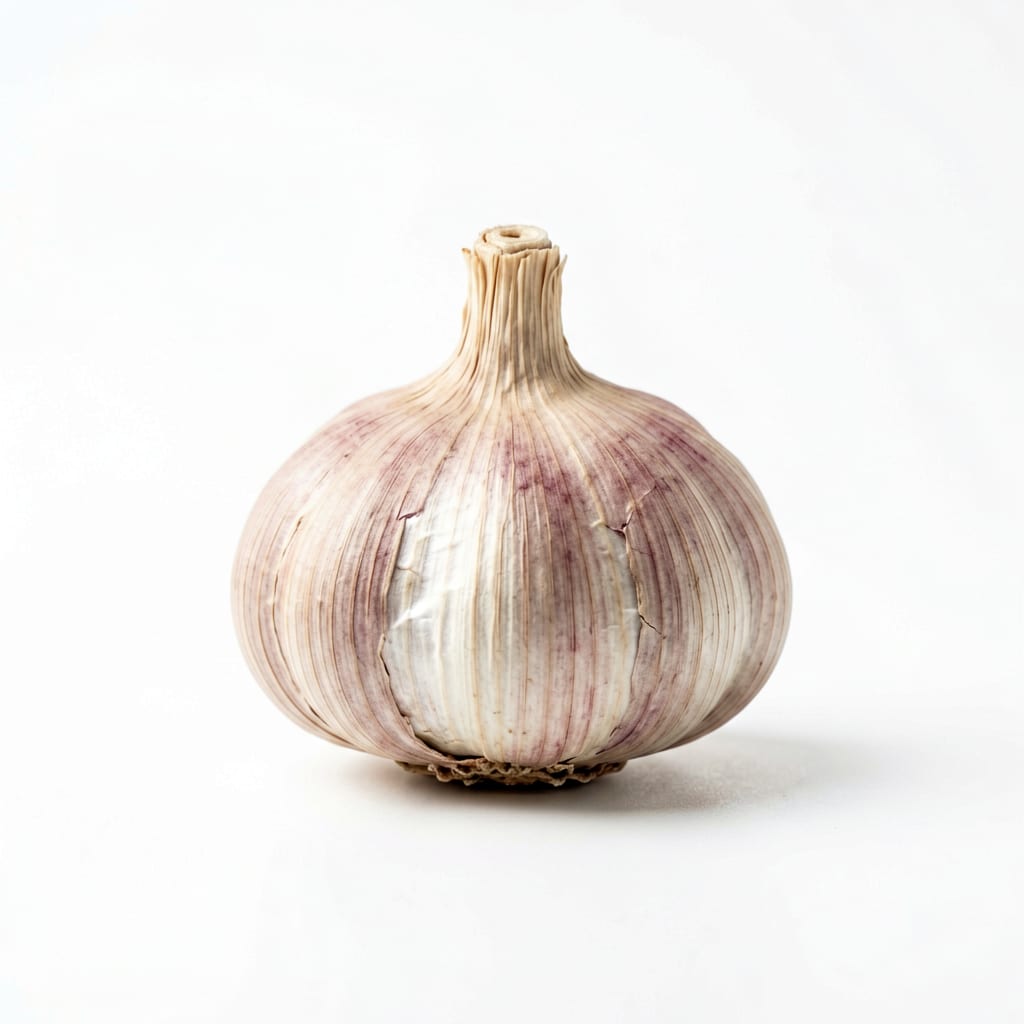
Garlic
Garlic delivers stronger medicinal punch in tiny doses; garlic chives offer a gentler, veggie-like experience you can eat in larger quantities.
Garlic scores higher due to its vastly more concentrated bioactive compounds and stronger evidence base for immune and cardiovascular benefits. Garlic chives score well as a nutrient-dense vegetable but cannot match the therapeutic potency per serving.
Concentrated potency versus comfortable volume — garlic wins on bioactive strength per gram, but garlic chives let you consume meaningful amounts without digestive pushback.
At a glance
Executive summary
Overall
It depends
Healthier
Garlic
More practical
Garlic
Daily use
It depends
Key comparison lenses
immune and antimicrobial potency
Garlic is renowned for allicin-driven immune support; users often compare allium family members for cold and infection prevention
cardiovascular benefit
Both foods support heart health but through different compounds and at different potencies
digestive tolerance
Garlic can cause significant GI distress at higher doses while garlic chives are gentler on the stomach
culinary versatility and flavor
These foods serve very different kitchen roles — one is a leafy vegetable, the other a pungent seasoning
nutrient diversity
Garlic chives offer vitamins A, C, and K that garlic lacks, while garlic provides concentrated sulfur compounds
Best choice for
Garlic Chives
- People with sensitive stomachs who find raw garlic painful
- Anyone wanting a mild garlic flavor in salads and wraps without overpowering the dish
- Those seeking leafy green nutrients like vitamin A, vitamin K, and folate alongside allium benefits
- Home cooks making dumplings, stir-fries, or savory pancakes where garlic chives are a traditional ingredient
Garlic
- Anyone targeting immune support during cold and flu season
- People looking for cardiovascular benefits backed by extensive research
- Those who want maximum antimicrobial and antibacterial effect from food
- Anyone cooking nearly any savory dish that benefits from bold, aromatic depth
Least suitable for
Garlic Chives
- People wanting strong antimicrobial or therapeutic effects from an allium food
- Those who dislike mild or grassy flavors
- Cooks needing a pantry staple with long shelf life
Garlic
- People with IBS, GERD, or sensitive stomachs who experience burning or bloating
- Anyone on blood-thinning medications without doctor approval
- Those who dislike intense pungent flavors
Deep comparison
Dimension by dimension
Each lens scores both foods and breaks down who each option suits.
- Dimension 1 · Priority 92Garlic
Immune and Antimicrobial Power
Garlic Chives · 55Garlic · 93Garlic is one of the most potent natural antimicrobial foods available, thanks to allicin and other sulfur compounds formed when garlic is crushed.
Tradeoff
Garlic chives contain some antimicrobial allium compounds but at far lower concentrations — you would need to eat impractical amounts to approach garlic's effect.
Why it matters
If you are reaching for an allium food specifically to fight off illness, garlic is dramatically more effective.
Real-world impact
A clove or two of raw garlic at the first sign of a sore throat is a time-tested remedy; garlic chives simply cannot replicate that intervention.
Garlic Chives
- Gentle daily immune maintenance without GI irritation
Better for
- Not potent enough for therapeutic antimicrobial use
Worse for
Garlic
- Acute immune support during illness
- Antibacterial and antifungal food-based remedies
- Prebiotic effects that feed beneficial gut bacteria
Better for
- Can cause stomach burning when consumed raw in medicinal amounts
Worse for
- Dimension 2 · Priority 88Garlic
Cardiovascular Support
Garlic Chives · 52Garlic · 85Garlic has decades of research linking it to lower blood pressure, improved cholesterol markers, and reduced arterial stiffness.
Tradeoff
Garlic chives may offer mild circulatory benefits from their allium compounds and antioxidants, but the evidence is thin compared to garlic's extensive clinical backing.
Why it matters
For anyone specifically eating allium foods to protect their heart, garlic has the strongest data by far.
Real-world impact
Regular garlic consumption — even aged garlic extract — has measurable effects on blood pressure within weeks. Garlic chives are a healthy vegetable but not a targeted heart-health intervention.
Garlic Chives
- Contributing leafy green antioxidants that support vascular health indirectly
Better for
- No meaningful clinical evidence for cardiovascular-specific outcomes
Worse for
Garlic
- Directly lowering blood pressure with regular consumption
- Improving cholesterol profiles over time
- Reducing arterial plaque formation risk
Better for
- Benefits require consistent daily intake over weeks to become measurable
Worse for
- Dimension 3 · Priority 70Garlic Chives
Nutrient Diversity
Garlic Chives · 82Garlic · 58Garlic chives bring a broader vitamin profile including significant vitamin A, vitamin C, vitamin K, and folate — nutrients largely absent in garlic.
Tradeoff
Garlic offers more manganese and vitamin B6 per gram, but you eat so little garlic at a time that the actual nutrient contribution is minimal.
Why it matters
If you want your allium food to double as a meaningful vitamin source, garlic chives deliver more usable nutrition per serving.
Real-world impact
A cup of chopped garlic chives in a stir-fry contributes real vitamin A and K toward your daily needs. A clove of garlic contributes flavor and bioactives but negligible vitamins.
Garlic Chives
- Vitamin A for eye and skin health
- Vitamin K for bone metabolism and blood clotting
- Folate for cell repair and energy
- Eating as a vegetable side dish, not just a seasoning
Better for
- Lower mineral density per gram compared to garlic
Worse for
Garlic
- Manganese for bone health and metabolism
- Vitamin B6 for brain function and energy
Better for
- Serving sizes are too small to provide meaningful vitamin contributions
Worse for
- Dimension 4 · Priority 80Garlic Chives
Digestive Tolerance
Garlic Chives · 85Garlic · 45Garlic chives are gentle and well-tolerated even in generous portions. Raw garlic can cause significant stomach pain, bloating, and heartburn in sensitive people.
Tradeoff
Garlic's therapeutic potency comes with a real digestive cost for many people — the stronger the medicine, the harsher it can be on the gut lining.
Why it matters
If you have IBS, GERD, or any digestive sensitivity, garlic may cause more discomfort than benefit when consumed raw.
Real-world impact
Many people cannot eat raw garlic on an empty stomach without burning sensations. Garlic chives can be eaten freely in salads and wraps with almost no digestive complaints.
Garlic Chives
- People with IBS or sensitive digestion
- Comfortable consumption in raw dishes
- No heartburn risk when eaten in normal portions
Better for
- Very large amounts may cause mild bloating due to fiber
Worse for
Garlic
- Roasted or cooked garlic is much gentler and retains some benefits
Better for
- Raw garlic commonly causes heartburn, gas, and stomach cramps
- Can irritate existing ulcers or GERD
- Medicinal doses are often poorly tolerated
Worse for
- Dimension 5 · Priority 75Garlic
Culinary Versatility
Garlic Chives · 55Garlic · 90Garlic is a foundational ingredient in nearly every world cuisine and works in soups, sauces, roasts, marinades, and dressings. Garlic chives are more niche.
Tradeoff
Garlic chives shine in specific Asian dishes — dumplings, scallion pancakes, stir-fries — but lack the universal adaptability of garlic.
Why it matters
If you want one allium that improves almost anything you cook, garlic is unmatched. Garlic chives are a specialty ingredient.
Real-world impact
Garlic goes into pasta sauce, curry paste, salad dressing, roasted vegetables, and bread spreads. Garlic chives mainly appear in East and Southeast Asian recipes.
Garlic Chives
- Chinese and Korean dumpling fillings
- Stir-fries where a mild garlic-herb note is desired
- Garnishing soups and savory pancakes
Better for
- Limited to specific regional cuisines for best results
- Perishable — wilts within days in the fridge
Worse for
Garlic
- Nearly any savory dish across all world cuisines
- Raw, roasted, sautéed, or fermented preparations
- Pantry staple with months of shelf life
- Infused oils, butters, and condiments
Better for
- Easy to overuse and dominate a dish
- Burns quickly in hot oil if not careful
Worse for
- Dimension 6 · Priority 72Garlic
Antioxidant and Anti-inflammatory Profile
Garlic Chives · 65Garlic · 82Both foods offer antioxidants, but garlic's sulfur compounds — particularly allicin and diallyl disulfide — have more documented anti-inflammatory effects.
Tradeoff
Garlic chives contribute chlorophyll and flavonoids that garlic lacks, giving them a different but weaker antioxidant profile.
Why it matters
Chronic inflammation drives most lifestyle diseases; choosing foods with proven anti-inflammatory compounds matters for long-term health.
Real-world impact
Regular garlic intake is associated with lower inflammatory markers in studies. Garlic chives likely help too, but the research is not as robust.
Garlic Chives
- Chlorophyll-based antioxidants from the green leaf tissue
- Quercetin and kaempferol flavonoids
Better for
- Less scientific validation for specific anti-inflammatory outcomes
Worse for
Garlic
- Allicin and diallyl disulfide with strong anti-inflammatory data
- Aged garlic extract studied for reducing oxidative stress markers
Better for
- Allicin degrades quickly with cooking, reducing antioxidant potential
Worse for
Timeline
Health impact over time
Short-term
Hours to days
Garlic Chives
- Mild digestive support from fiber content
- Gentle antimicrobial effect without stomach irritation
- Quick vitamin C contribution toward immune function
Garlic
- Noticeable immune-stimulating effect within hours of consuming raw crushed garlic
- Potential stomach burning or heartburn if taken raw on an empty stomach
- Immediate breath and body odor changes from sulfur compounds
Long-term
Months to years
Garlic Chives
- Steady intake of vitamin K supports bone density over years
- Folate contributes to healthy cell turnover and energy metabolism
- Mild cardiovascular support as part of an allium-rich diet
Garlic
- Consistent reduction in blood pressure and LDL cholesterol with daily intake
- Lower risk of certain cancers associated with high allium vegetable consumption
- Improved gut microbiome diversity from prebiotic fructans
- Potential blood-thinning effect requiring monitoring if on anticoagulant medications
Risk profile
Safety & processing
Both garlic chives and garlic are whole, unprocessed plant foods typically sold fresh with nothing added. Garlic powder is more processed but still retains meaningful bioactives. Neither food raises ultra-processing concerns.
Garlic Chives
Bacterial contamination from soil
lowLike all leafy greens grown close to soil, garlic chives can carry dirt and bacteria. Thorough washing before raw consumption is sufficient.
Pesticide residue
mediumLeafy allium crops can retain pesticide residues on their flat surfaces. Buying organic or washing thoroughly reduces exposure.
Garlic
Botulism in homemade garlic oil
highStoring raw garlic in oil at room temperature creates an anaerobic environment where Clostridium botulinum can produce deadly toxin. Always refrigerate garlic oil and use within a few days.
Blood-thinning interaction
mediumGarlic has documented antiplatelet effects. People on warfarin or other blood thinners should consult their doctor before consuming large amounts regularly.
Allergic contact dermatitis
lowSome people develop skin irritation from handling raw garlic, caused by diallyl disulfide. Wearing gloves while peeling large quantities prevents this.
Who wins for whom
Audience fit
Same foods, different winners depending on your goal.
children
Garlic ChivesGarlic chives have a milder, less overwhelming flavor that kids tolerate better in dishes. Raw garlic is often rejected by children and can upset young stomachs.
daily consumption
It dependsGarlic is better as a daily therapeutic supplement in small amounts. Garlic chives are better as a daily vegetable you can enjoy in larger portions without side effects.
diabetes
GarlicGarlic has demonstrated modest improvements in insulin sensitivity and fasting glucose in multiple studies, while garlic chives lack equivalent evidence.
elderly
GarlicOlder adults benefit most from garlic's cardiovascular and immune effects, which address age-related health priorities directly.
muscle gain
It dependsNeither food is relevant for muscle building — both are flavor and health additions, not protein sources.
weight loss
Garlic ChivesGarlic chives can be eaten in satisfying volumes as a vegetable side dish with very few calories, while garlic is consumed in such tiny amounts it has negligible calorie impact either way.
Your move
Decision guide
Choose Garlic Chives
- You have a sensitive stomach and raw garlic causes you pain or bloating
- You want a leafy green vegetable that also adds mild garlic flavor to meals
- You cook East or Southeast Asian dishes regularly and want an authentic ingredient
- You are looking for vitamins A, K, and folate from an allium source
Choose Garlic
- You want the strongest immune and antimicrobial support from food
- You are focused on cardiovascular health and want the most evidence-backed allium
- You cook a wide range of cuisines and need a versatile flavor base
- You are comfortable with small potent doses rather than large gentle servings
Either works if
- You simply want to include more allium vegetables in your diet for general health
- You enjoy both flavors and can rotate them across different meals
Avoid both if
- You are on blood-thinning medications and have not consulted your doctor
- You have a confirmed allium allergy — both foods belong to the same plant family
Final recommendation
Use both. Garlic delivers the heavy medicinal lifting in small doses — a clove or two daily gives you immune and cardiovascular benefits with strong research behind it. Garlic chives fill a different role: they are a nutrient-dense vegetable you can enjoy in generous portions without any digestive penalty. Think of garlic as your daily supplement and garlic chives as your leafy green side dish. Together they cover far more nutritional ground than either one alone.
Practical
Consumer tips
- 1
Let crushed garlic sit for 10 minutes before cooking — this allows allicin to form fully before heat deactivates the enzyme
- 2
Garlic chives wilt fast; store them wrapped in a damp paper towel inside a bag in the fridge and use within 3-4 days
- 3
If raw garlic bothers your stomach, try roasted garlic — it becomes sweet, mild, and far gentler while retaining some benefits
- 4
Never store raw garlic in olive oil at room temperature — botulism risk is real and serious
- 5
Garlic chives pair beautifully with eggs — try them in omelets or scrambled eggs for an easy nutrient boost
- 6
Aged garlic extract is a good option if you want garlic's benefits without the breath or digestive side effects