
Nutrition comparison
Garlic Chives vs Chives: Flavor, Health Benefits, and Which to Choose
Compare garlic chives and chives side by side. Learn which herb offers more medicinal benefits, which is gentler on digestion, and how to choose the right one for your cooking.
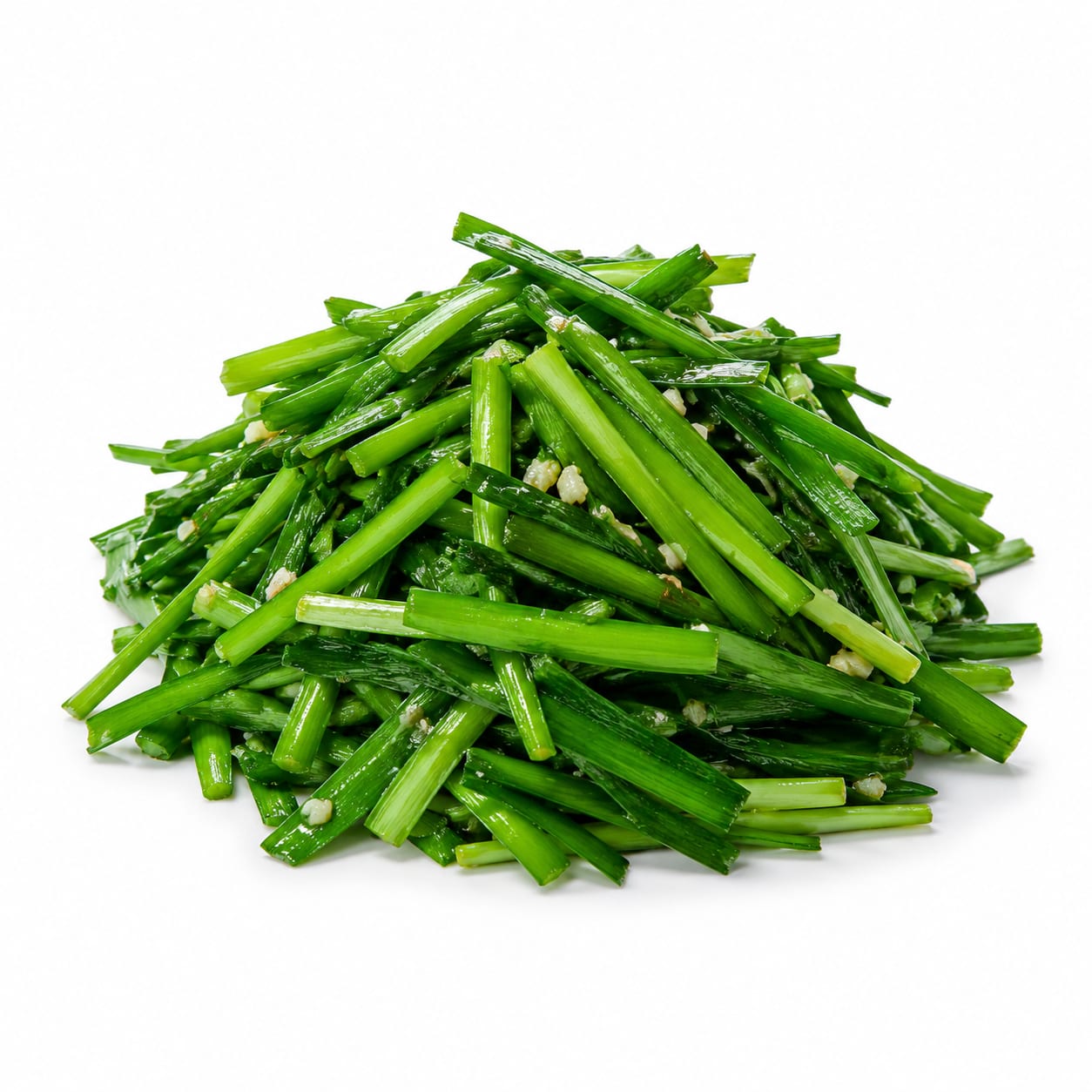
Garlic Chives
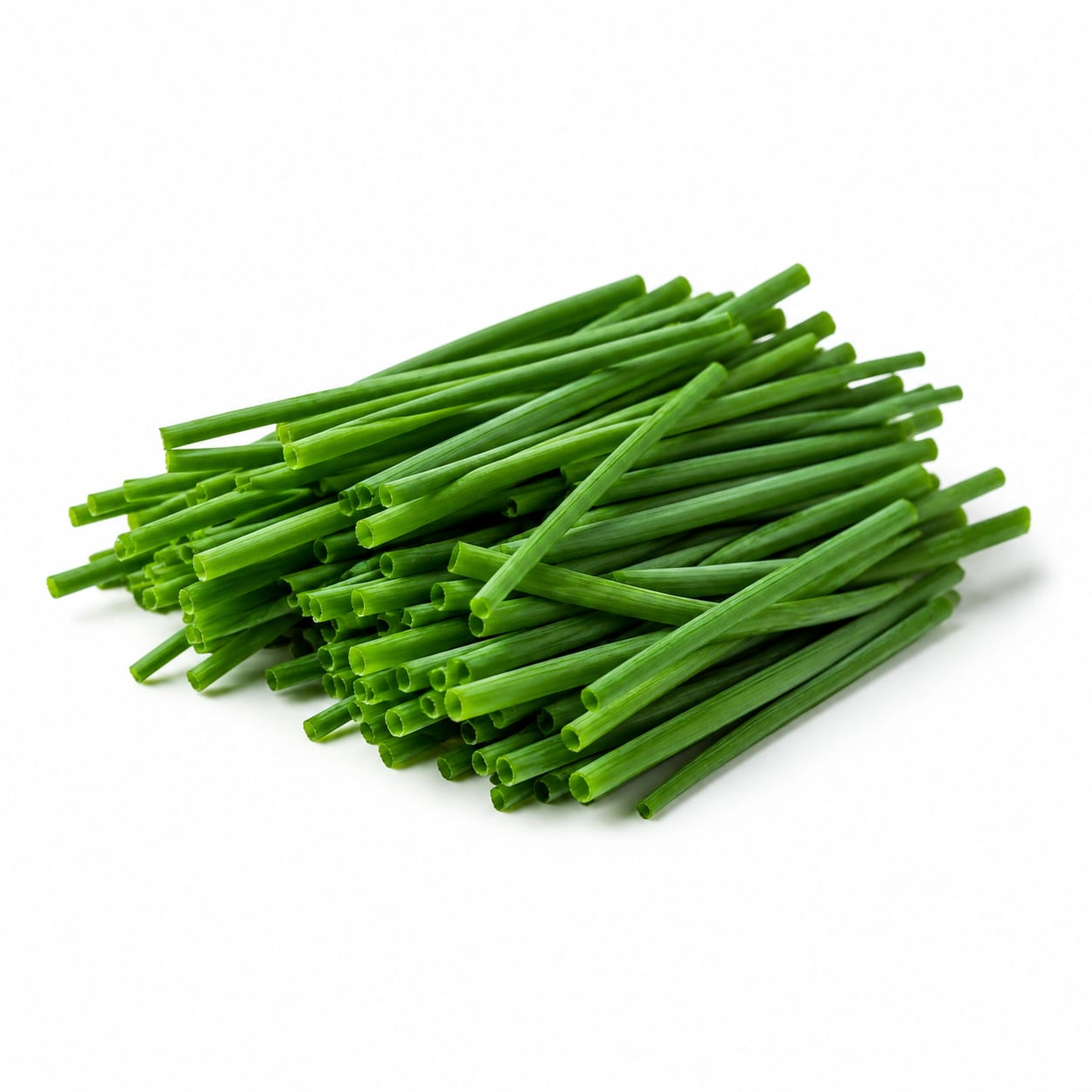
Chives
Garlic chives deliver stronger medicinal benefits and bolder flavor, while chives win on versatility, gentleness, and everyday accessibility.
Garlic chives edge ahead on medicinal potency and nutrient density, but chives stay competitive through superior versatility, gentler digestion, and wider availability. The close scores reflect that both are excellent herbs with different strengths.
Potent garlic-onion healing power versus mild onion elegance that pairs with almost anything
At a glance
Executive summary
Overall
It depends
Healthier
Garlic Chives
More practical
Chives
Daily use
Chives
Key comparison lenses
Culinary versatility and flavor impact
The primary difference users care about is how each herb transforms a dish—garlic chives bring bold garlic-onion punch while chives offer delicate onion freshness
Medicinal and antioxidant potency
Garlic chives contain allicin-like sulfur compounds that chives lack, making the medicinal comparison significant
Digestive tolerance and gentleness
Sulfur compounds in garlic chives can cause digestive discomfort in sensitive individuals, while chives are generally gentler
Nutrient density comparison
Both are nutrient-rich herbs but differ in specific vitamin and mineral concentrations worth exploring
Everyday practicality and availability
Chives are far more available in Western grocery stores, while garlic chives require Asian markets or specialty shops
Best choice for
Garlic Chives
- Immune support and cold prevention
- Asian stir-fry and dumpling recipes
- People seeking natural antimicrobial benefits
- Bold flavor without adding garlic cloves
Chives
- Delicate garnishing and finishing dishes
- Sensitive digestion or IBS
- Children and picky eaters
- Everyday Western cooking and meal prep
Least suitable for
Garlic Chives
- People with garlic intolerance or FODMAP sensitivity
- Subtle dishes where garlic would overwhelm
- Quick grocery runs at standard supermarkets
Chives
- Recipes needing strong garlic flavor depth
- Traditional Asian dishes requiring authentic garlic chive taste
- Those seeking maximum medicinal compound intake
Deep comparison
Dimension by dimension
Each lens scores both foods and breaks down who each option suits.
- Dimension 1 · Priority 92It depends
Flavor Impact and Culinary Range
Garlic Chives · 85Chives · 88Garlic chives bring a bold garlic-onion punch that dominates dishes, while chives offer a gentle onion freshness that enhances without overwhelming.
Tradeoff
Intensity versus subtlety—garlic chives can replace both garlic and onion, but chives fit into far more recipes without clashing
Why it matters
Flavor determines how often you actually reach for the herb. A versatile mild herb gets used daily; a potent one sits in the fridge for special recipes.
Real-world impact
Chives land on scrambled eggs, soups, salads, and potatoes effortlessly. Garlic chives shine in dumplings, stir-fries, and pancakes but feel out of place on your morning omelet.
Garlic Chives
- Stir-fries and savory pancakes
- Dumpling and wonton fillings
- Dishes where you want garlic without chopping garlic
Better for
- Light vinaigrettes where garlic dominates
- Subtle French or Scandinavian recipes
Worse for
Chives
- Egg dishes and creamy soups
- Delicate fish and seafood preparations
- Salad garnishes and potato dishes
Better for
- Any dish needing deep garlic backbone
- Authentic Chinese and Korean recipes
Worse for
- Dimension 2 · Priority 85Garlic Chives
Medicinal and Antimicrobial Potency
Garlic Chives · 88Chives · 62Garlic chives contain allicin-like sulfur compounds that give them genuine antimicrobial and immune-supporting properties chives simply lack.
Tradeoff
Stronger medicine comes with stronger breath and potential stomach upset—chives are gentler but less therapeutically useful
Why it matters
If you eat herbs partly for health benefits, garlic chives work harder for you at the cellular level.
Real-world impact
During cold season, regularly eating garlic chives may help fend off minor infections. Chives taste pleasant but will not move the needle on immunity the same way.
Garlic Chives
- Immune system support during winter
- Natural antimicrobial food therapy
- Cardiovascular protective compounds
Better for
- Date nights and close conversations
- Anyone with sulfur compound sensitivity
Worse for
Chives
- People avoiding strong medicinal compounds
- Situations where gentle flavor matters more than potency
Better for
- Those specifically seeking allicin benefits
- Natural cold and flu prevention strategies
Worse for
- Dimension 3 · Priority 78Chives
Digestive Tolerance
Garlic Chives · 58Chives · 85Chives are gentle on the stomach for nearly everyone, while garlic chives can trigger bloating and discomfort in sensitive people.
Tradeoff
Medicinal sulfur compounds that heal can also irritate—garlic chives are functional but not always comfortable
Why it matters
An herb you cannot digest comfortably is an herb you will stop eating, no matter how healthy it is.
Real-world impact
If you have IBS or FODMAP sensitivity, garlic chives may cause gas and bloating within hours. Chives rarely cause any digestive complaint even in larger quantities.
Garlic Chives
- People with robust digestion who tolerate garlic well
Better for
- Low-FODMAP diet followers
- People prone to garlic-induced bloating
Worse for
Chives
- IBS and FODMAP-sensitive individuals
- Elderly with delicate digestion
- Children with sensitive stomachs
Better for
- No significant digestive downsides
Worse for
- Dimension 4 · Priority 72Garlic Chives
Nutrient Density
Garlic Chives · 79Chives · 73Both herbs pack impressive vitamins, but garlic chives deliver slightly more vitamin C, calcium, and iron per serving thanks to their broader leaf structure and sulfur compound profile.
Tradeoff
Marginal nutritional advantage versus easier consumption in larger quantities—chives are so mild you might eat more of them
Why it matters
Herbs are eaten in small amounts, so nutrient density per bite matters more than per calorie.
Real-world impact
A handful of garlic chives in your stir-fry gives a noticeable vitamin C and iron bump. Chives contribute similar nutrients but you would need to eat more to match the dose.
Garlic Chives
- Maximizing micronutrient intake per bite
- Iron and calcium supplementation through food
Better for
- Portions are often limited by strong flavor
Worse for
Chives
- Consistent daily intake across many meals
- Situations where you eat larger volumes of the herb
Better for
- Slightly lower concentration of key minerals
Worse for
- Dimension 5 · Priority 68Chives
Availability and Everyday Convenience
Garlic Chives · 45Chives · 90Chives are available at nearly every grocery store year-round. Garlic chives require Asian markets, specialty shops, or home growing.
Tradeoff
Unique flavor and medicinal power versus the frustration of hunting for ingredients
Why it matters
The healthiest herb does nothing if you cannot find it. Convenience drives consistency.
Real-world impact
You can grab chives at any supermarket on any day. Garlic chives might require a trip across town or ordering seeds to grow yourself.
Garlic Chives
- Home gardeners who can grow their own supply
- People living near Asian grocery stores
Better for
- Last-minute recipe decisions
- Small towns without Asian markets
Worse for
Chives
- Busy weeknight cooks who shop at standard stores
- Anyone who values grab-and-go ingredient access
- Rural areas with limited specialty shopping
Better for
- No real availability downside
Worse for
Timeline
Health impact over time
Short-term
Hours to days
Garlic Chives
- Noticeable garlic breath within 30 minutes of eating
- Potential mild bloating if sensitive to sulfur compounds
- Mild warming sensation from circulatory stimulation
Chives
- Fresh breath-friendly compared to garlic chives
- Virtually no digestive discomfort at normal portions
- Pleasant mild flavor encourages eating more greens
Long-term
Months to years
Garlic Chives
- Consistent intake may support cardiovascular health through allicin-like compounds
- Regular antimicrobial exposure could support gut pathogen balance
- Potential for cumulative digestive irritation if overconsumed
Chives
- Steady antioxidant intake from quercetin and vitamin C supports cellular health
- Very sustainable for daily use with no known cumulative downsides
- Consistent but modest anti-inflammatory contribution
Risk profile
Safety & processing
Both garlic chives and chives are whole, unprocessed herbs typically sold fresh or dried without additives. Neither raises processing concerns.
Garlic Chives
Pesticide residue on imported bunches
mediumGarlic chives from certain Asian import channels may have higher pesticide residues. Washing thoroughly and choosing organic reduces this risk significantly.
Bacterial contamination from farm to market
lowLike all fresh herbs, garlic chives can harbor bacteria on leaves. Rinse well before eating, especially when used raw.
Chives
Pesticide residue
lowChives from conventional farming carry minimal pesticide residue due to their small surface area and quick growth cycle. Still worth washing.
Cross-contamination in pre-packaged containers
lowPre-cut chives in plastic containers can develop bacterial growth if left too long. Use within a few days of opening.
Who wins for whom
Audience fit
Same foods, different winners depending on your goal.
children
ChivesChives offer mild onion flavor kids tolerate well, while garlic chives can taste too intense and cause tummy aches in sensitive little ones.
daily consumption
ChivesChives are mild enough to eat every day across multiple meals without flavor fatigue or digestive strain.
diabetes
Garlic ChivesGarlic chives contain sulfur compounds that may improve insulin sensitivity, giving them a slight metabolic edge over chives.
elderly
ChivesGentle digestion and easy availability make chives more practical for older adults, though garlic chives could benefit those with cardiovascular concerns if tolerated.
muscle gain
It dependsNeither herb contributes meaningful protein or calories for muscle building. Both serve only as flavor tools for protein-rich meals.
weight loss
It dependsBoth are nearly calorie-free flavor enhancers. Garlic chives may slightly edge ahead because stronger flavor increases meal satisfaction with less food, but the difference is negligible.
Your move
Decision guide
Choose Garlic Chives
- You cook Asian cuisine regularly and want authentic flavor
- You are specifically seeking allicin and sulfur compound benefits
- You have robust digestion and enjoy bold garlic flavors
- You grow your own herbs and want something more potent than standard chives
Choose Chives
- You want a versatile garnish that works with nearly any dish
- You have sensitive digestion or follow a low-FODMAP approach
- You shop at regular grocery stores and value convenience
- You cook for children or people who dislike strong garlic taste
Either works if
- You simply want a fresh herb to brighten up meals
- You are looking for vitamin C and vitamin K from whole food sources
- You enjoy growing herbs and want to try both in your garden
Avoid both if
- You have a true allium allergy—neither is safe
- You are on a strict zero-allium diet for medical testing
Final recommendation
Keep chives in your weekly rotation for everyday cooking, and seek out garlic chives when you want their bold flavor and extra medicinal kick. If you can only choose one, chives win on sustainability and ease—garlic chives win on potency and purpose.
Practical
Consumer tips
- 1
Grow both in your garden—garlic chives are perennial and nearly indestructible once established
- 2
Wash garlic chives extra thoroughly if buying from Asian markets to reduce pesticide exposure
- 3
Add chives at the very end of cooking to preserve their delicate flavor and vitamin C
- 4
Use garlic chives in egg dishes, dumplings, and savory pancakes where their flavor can shine
- 5
Store both herbs wrapped in damp paper towels inside plastic bags in the fridge for up to a week
- 6
Freeze chopped chives in ice cube trays with olive oil for instant flavor bombs