
Nutrition comparison
Garlic Chives vs Asparagus: Nutrition, Flavor, and Health Benefits Compared
Compare garlic chives and asparagus side by side. Discover which vegetable offers more fiber, folate, and gut health benefits, and when each one is the better choice for your meals.
Overall winner · Asparagus
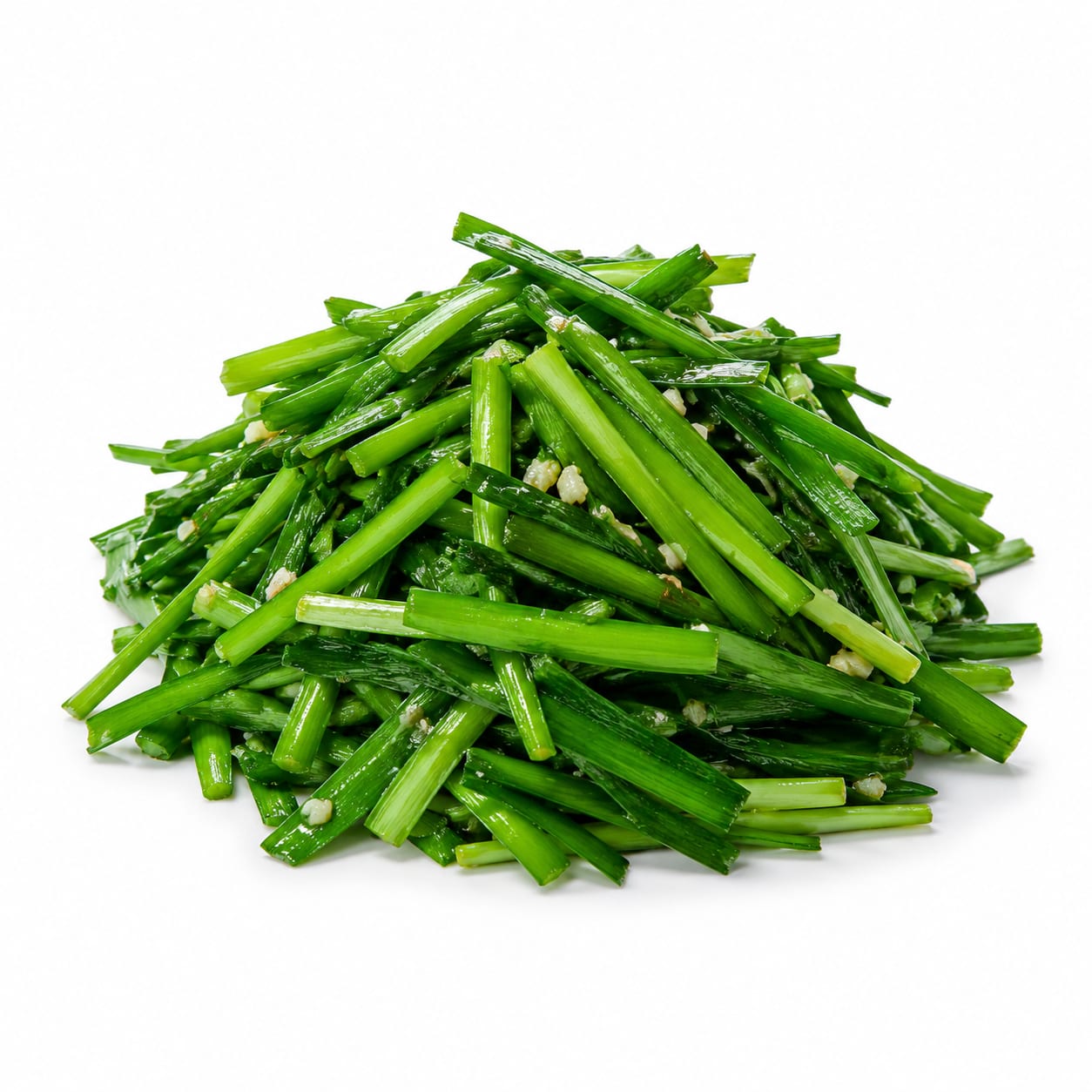
Garlic Chives
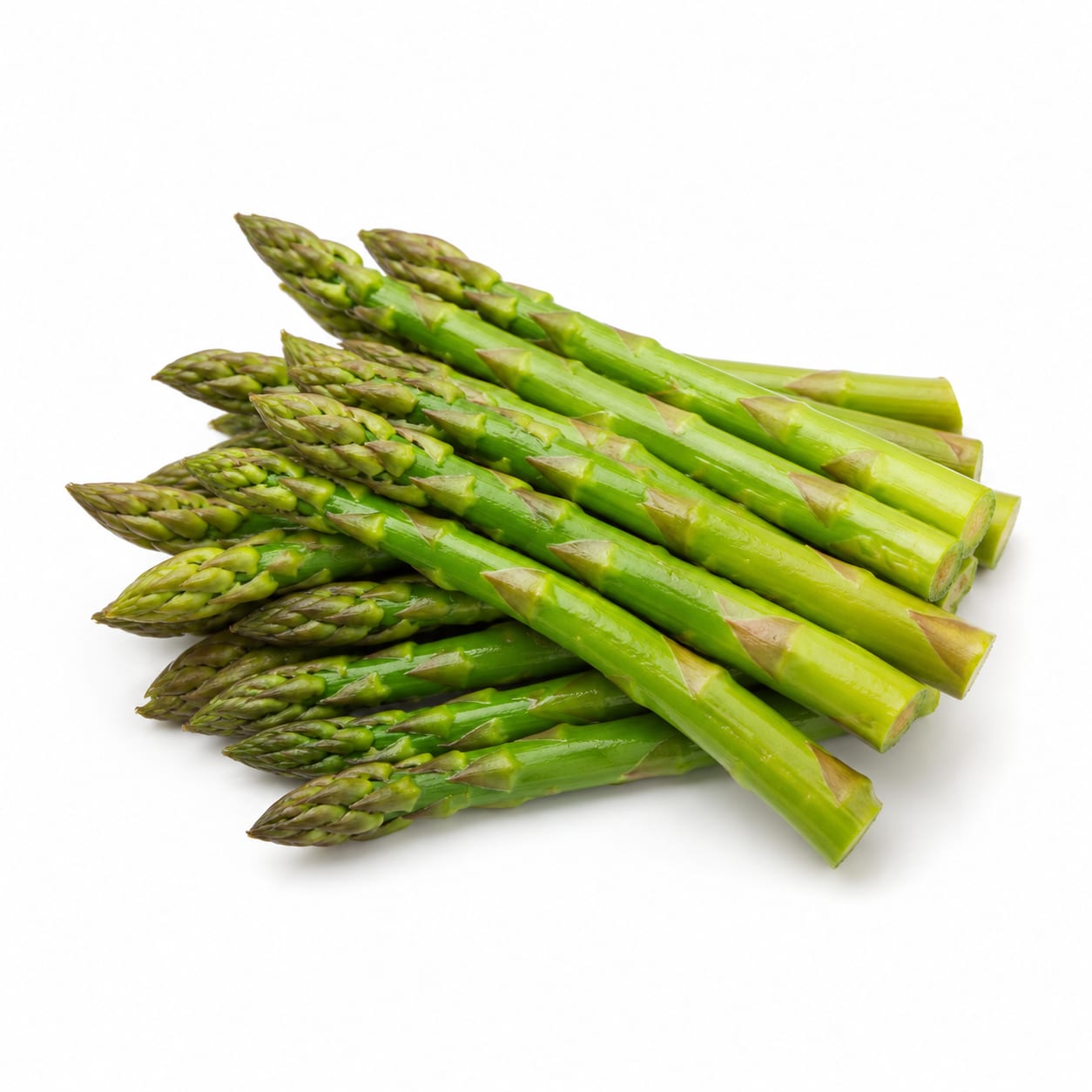
Asparagus
Asparagus delivers more fiber, more folate, and stronger gut-health benefits per serving, making it the more nutritionally complete choice for most people.
Asparagus scores notably higher due to superior fiber, folate, and prebiotic content at a realistic serving size. Garlic chives remain valuable for flavor and antimicrobial benefits but cannot match asparagus as a standalone vegetable side.
Garlic chives offer unique antimicrobial and flavor-enhancing properties in a tiny package, but asparagus provides substantially more food volume, fiber, and key nutrients per realistic serving.
At a glance
Executive summary
Overall
Asparagus
Healthier
Asparagus
More practical
Asparagus
Daily use
Asparagus
Key comparison lenses
nutrient density comparison
Both are green vegetables with distinct micronutrient profiles, making vitamin and mineral content the primary decision factor
digestive and gut health benefits
Asparagus is renowned for prebiotic fiber while garlic chives offer antimicrobial compounds, creating a meaningful gut health tradeoff
culinary versatility and accessibility
Garlic chives are niche and Asian-market dependent, whereas asparagus is mainstream and widely available
medicinal and functional properties
Garlic chives carry allicin-related antimicrobial benefits that asparagus lacks
weight management suitability
Both are low-calorie vegetables but differ in satiety potential and serving practicality
Best choice for
Garlic Chives
- Adding bold garlic-onion flavor without extra sodium or seasoning
- Boosting antimicrobial defense during cold season
- Asian stir-fry and dumpling recipes where the herb is traditional
- Small-space or container gardening with quick harvest cycles
Asparagus
- Improving digestive health and feeding beneficial gut bacteria
- Increasing daily folate intake during pregnancy or planning
- Building satisfying, fiber-rich meals that keep you full longer
- A versatile side dish that pairs with virtually any protein
Least suitable for
Garlic Chives
- Anyone needing significant fiber or fullness from their vegetables
- People unfamiliar with Asian grocery shopping who cannot find it easily
- Those sensitive to allium flavors or garlic-like compounds
Asparagus
- People with gout flares triggered by purine-rich foods
- Those bothered by the characteristic urine odor after eating asparagus
- Anyone on a very tight budget who finds asparagus expensive out of season
Deep comparison
Dimension by dimension
Each lens scores both foods and breaks down who each option suits.
- Dimension 1 · Priority 92Asparagus
Fiber and Satiety
Garlic Chives · 35Asparagus · 82Asparagus provides roughly 3 grams of fiber per serving compared to garlic chives at under 1 gram, making it far more filling and gut-friendly.
Tradeoff
Garlic chives are typically used as a garnish or flavor accent in small quantities, so their fiber contribution is negligible even when generous.
Why it matters
Fiber is the single most underconsumed nutrient in modern diets, and vegetables are the easiest way to fix that gap.
Real-world impact
A serving of asparagus with dinner helps you feel satisfied and supports regular digestion. Garlic chives alone will not move the needle on fullness.
Garlic Chives
- Flavor enhancement without adding bulk
Better for
- Anyone relying on vegetables for satiety
Worse for
Asparagus
- Staying full between meals
- Supporting healthy bowel movements
- Feeding beneficial gut bacteria
Better for
- Those who prefer lighter, less fibrous sides
Worse for
- Dimension 2 · Priority 88Asparagus
Folate and Vitamin K
Garlic Chives · 55Asparagus · 90Asparagus is one of the richest vegetable sources of folate and delivers exceptional vitamin K, both critical for cellular health and blood clotting.
Tradeoff
Garlic chives contain respectable vitamin K and some folate, but the tiny serving sizes mean you get far less total nutrient delivery.
Why it matters
Folate is essential for DNA repair and is especially important before and during pregnancy. Vitamin K supports bone density and wound healing.
Real-world impact
One cup of cooked asparagus covers over 60% of daily folate needs. You would need several cups of garlic chives to approach that, which is unrealistic.
Garlic Chives
- Contributing small amounts of vitamin K as a garnish
Better for
- Those relying on a single vegetable for folate
Worse for
Asparagus
- Pregnant women or those planning pregnancy
- Older adults concerned about bone health
- Anyone recovering from surgery or injury
Better for
- People on blood thinners who must limit vitamin K
Worse for
- Dimension 3 · Priority 78Garlic Chives
Antimicrobial and Medicinal Compounds
Garlic Chives · 85Asparagus · 40Garlic chives contain allicin-related sulfur compounds with documented antimicrobial and immune-supporting properties that asparagus simply does not offer.
Tradeoff
These benefits come from the same pungent compounds that limit how much you can eat at once, capping the total dose you realistically consume.
Why it matters
Regular intake of allium compounds is associated with reduced infection risk and lower inflammation markers in population studies.
Real-world impact
Adding garlic chives to meals during cold season may give your immune system a gentle extra layer of support. Asparagus cannot replicate this effect.
Garlic Chives
- Immune support during winter months
- Natural antimicrobial food therapy
- Anti-inflammatory dietary patterns
Better for
- Those sensitive to sulfur compounds or alliums
Worse for
Asparagus
- Gut microbiome support through prebiotics
Better for
- Anyone specifically seeking antimicrobial food benefits
Worse for
- Dimension 4 · Priority 75Asparagus
Culinary Versatility and Accessibility
Garlic Chives · 45Asparagus · 80Asparagus works as a standalone side, soup ingredient, salad addition, or roasted dish. Garlic chives are primarily a finishing herb in Asian cuisines.
Tradeoff
Garlic chives deliver concentrated flavor that replaces garlic and onion in one ingredient, but their culinary role is narrow.
Why it matters
The most nutritious vegetable is the one you actually eat regularly. Accessibility and ease of use determine real-world consistency.
Real-world impact
You can find asparagus in any grocery store and prepare it a dozen ways. Garlic chives require an Asian market or home garden and suit fewer recipes.
Garlic Chives
- Quick flavor boost without chopping multiple alliums
- Traditional Asian recipes where substitution feels wrong
Better for
- Those without access to Asian grocery stores
Worse for
Asparagus
- Weeknight cooking with minimal planning
- Meal prep that works across multiple cuisines
- Beginners learning to cook vegetables
Better for
- Recipes specifically calling for Chinese chive flavor
Worse for
- Dimension 5 · Priority 70It depends
Antioxidant Diversity
Garlic Chives · 72Asparagus · 75Asparagus offers a broader antioxidant profile including glutathione and saponins, while garlic chives concentrate specific sulfur-based antioxidants.
Tradeoff
Different antioxidant families serve different purposes. Garlic chives excel at sulfur-based defense while asparagus covers more categories moderately.
Why it matters
A diverse antioxidant intake protects cells from varied damage pathways and supports long-term disease prevention.
Real-world impact
Eating both vegetables gives you complementary antioxidant coverage. Choosing only one leaves gaps that other foods must fill.
Garlic Chives
- Sulfur-based antioxidant pathways
- Combining with other allium vegetables for synergy
Better for
- Those seeking a single vegetable for antioxidant coverage
Worse for
Asparagus
- Glutathione support for liver detoxification
- Broader spectrum antioxidant coverage in one food
Better for
- Those specifically targeting sulfur-compound benefits
Worse for
- Dimension 6 · Priority 68Asparagus
Calorie Efficiency and Weight Management
Garlic Chives · 55Asparagus · 78Both are low-calorie, but asparagus provides more food volume and fiber per calorie, making it more effective for managing hunger during weight loss.
Tradeoff
Garlic chives add flavor to weight-loss meals without calories, but they cannot serve as a filling vegetable base.
Why it matters
Successful weight management depends on eating enough volume to feel satisfied while staying in a calorie deficit.
Real-world impact
A plate of roasted asparagus feels like a real side dish for under 40 calories. Garlic chives are a garnish that disappears into the meal.
Garlic Chives
- Flavoring low-calorie meals without oils or sauces
Better for
- Anyone eating primarily for fullness
Worse for
Asparagus
- Creating filling meals on a calorie budget
- Replacing higher-calorie sides like potatoes or rice
Better for
- Those who find asparagus too filling before finishing their plate
Worse for
Timeline
Health impact over time
Short-term
Hours to days
Garlic Chives
- Immediate flavor satisfaction with almost no caloric load
- Mild digestive stimulation from sulfur compounds
- Possible garlic-scented breath similar to eating fresh garlic
Asparagus
- Noticeable increase in dietary fiber supporting same-day digestion
- Quick folate boost supporting energy metabolism
- Characteristic urine odor within hours due to asparagusic acid breakdown
Long-term
Months to years
Garlic Chives
- Consistent antimicrobial compound intake may support immune resilience
- Vitamin K contribution supports bone maintenance over years
- Low volume intake limits long-term nutrient impact compared to larger-serving vegetables
Asparagus
- Sustained prebiotic fiber intake reshapes gut microbiome toward healthier composition
- High folate intake supports cardiovascular and cognitive health with aging
- Glutathione and antioxidant load may reduce oxidative stress markers over time
Risk profile
Safety & processing
Both garlic chives and asparagus are whole, unprocessed vegetables typically sold fresh. Neither carries meaningful additive concerns unless canned or frozen with added sodium.
Garlic Chives
Pesticide residue on imported bunches
mediumGarlic chives are often imported with less regulatory oversight. Washing thoroughly or choosing organic reduces exposure.
Parasite contamination from raw usage
lowWhen used raw as garnish, unwashed chives can carry soil-borne organisms. Cooking eliminates this risk.
Asparagus
Pesticide residue on conventional spears
mediumAsparagus typically ranks moderate on pesticide lists. Peeling the lower stalk or choosing organic minimizes concern.
Gout flare potential
lowAsparagus contains purines that can trigger gout in sensitive individuals, though the risk is lower than with organ meats or certain seafood.
Who wins for whom
Audience fit
Same foods, different winners depending on your goal.
children
AsparagusAsparagus spears are fun to eat, easier to portion, and milder in flavor. Garlic chives may taste too intense for young palates.
daily consumption
AsparagusAsparagus is easier to find, easier to prepare in variety, and delivers more nutritional substance per serving for everyday meals.
diabetes
AsparagusHigher fiber content in asparagus slows glucose absorption more effectively, supporting steadier blood sugar after meals.
elderly
AsparagusFolate, vitamin K, and prebiotic fiber in asparagus address common age-related concerns including bone density, gut health, and cognitive support.
muscle gain
AsparagusNeither vegetable is a protein source, but asparagus provides more folate and antioxidants that support recovery and cellular repair after training.
weight loss
AsparagusAsparagus delivers more fiber and volume per calorie, making it easier to create satisfying meals in a deficit.
Your move
Decision guide
Choose Garlic Chives
- You cook Asian cuisines regularly and want authentic flavor
- You are looking for natural antimicrobial food support
- You grow your own herbs and want a prolific, low-maintenance crop
- You need a garlic-onion substitute that fits in small quantities
Choose Asparagus
- You want a nutrient-dense vegetable side that actually fills you up
- You are pregnant, planning pregnancy, or need more folate
- You are focused on gut health and prebiotic fiber intake
- You prefer a vegetable that works across many cuisines and cooking methods
Either works if
- You simply want more green vegetables in your diet
- You are looking for low-calorie flavor and nutrition boosters
- You rotate vegetables weekly and enjoy variety
Avoid both if
- You are on a strict vitamin K restriction due to blood thinners
- You have severe allium allergies that extend to garlic chives
- You have active gout and are avoiding purine-rich vegetables
Final recommendation
Keep asparagus as your regular vegetable for its fiber, folate, and gut-health benefits. Add garlic chives as a flavor weapon when you want antimicrobial support or authentic Asian taste. They complement each other beautifully rather than compete.
Practical
Consumer tips
- 1
Snap asparagus stalks at the natural bend point to remove woody ends automatically
- 2
Roast asparagus at 400°F for 12 minutes with olive oil for the easiest side dish imaginable
- 3
Store garlic chives wrapped in a damp paper towel inside a bag in the fridge for up to a week
- 4
Add garlic chives at the very end of cooking to preserve their delicate flavor and antimicrobial compounds
- 5
Freeze asparagus spears on a sheet pan before bagging to prevent clumping for meal prep
- 6
Choose thinner asparagus spears for more tender texture and faster cooking
- 7
Grow garlic chives in a windowsill pot for a perpetual fresh supply without grocery trips