
Nutrition comparison
Garlic Chives vs Leeks: Nutrition, Flavor, and Health Comparison
Compare Garlic Chives and Leeks side by side. Learn which allium vegetable offers more fiber, vitamin K, and culinary versatility for your health goals.
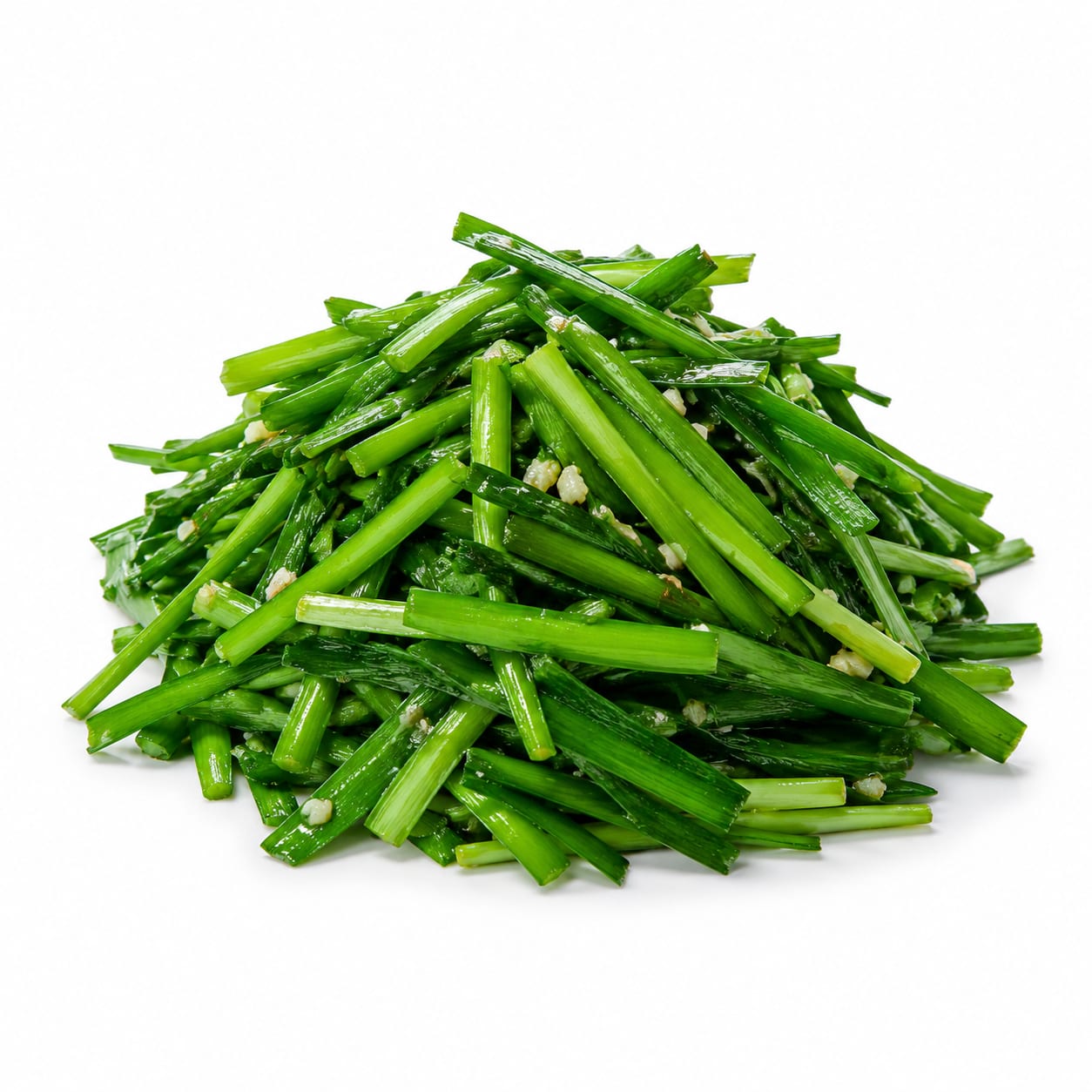
Garlic Chives
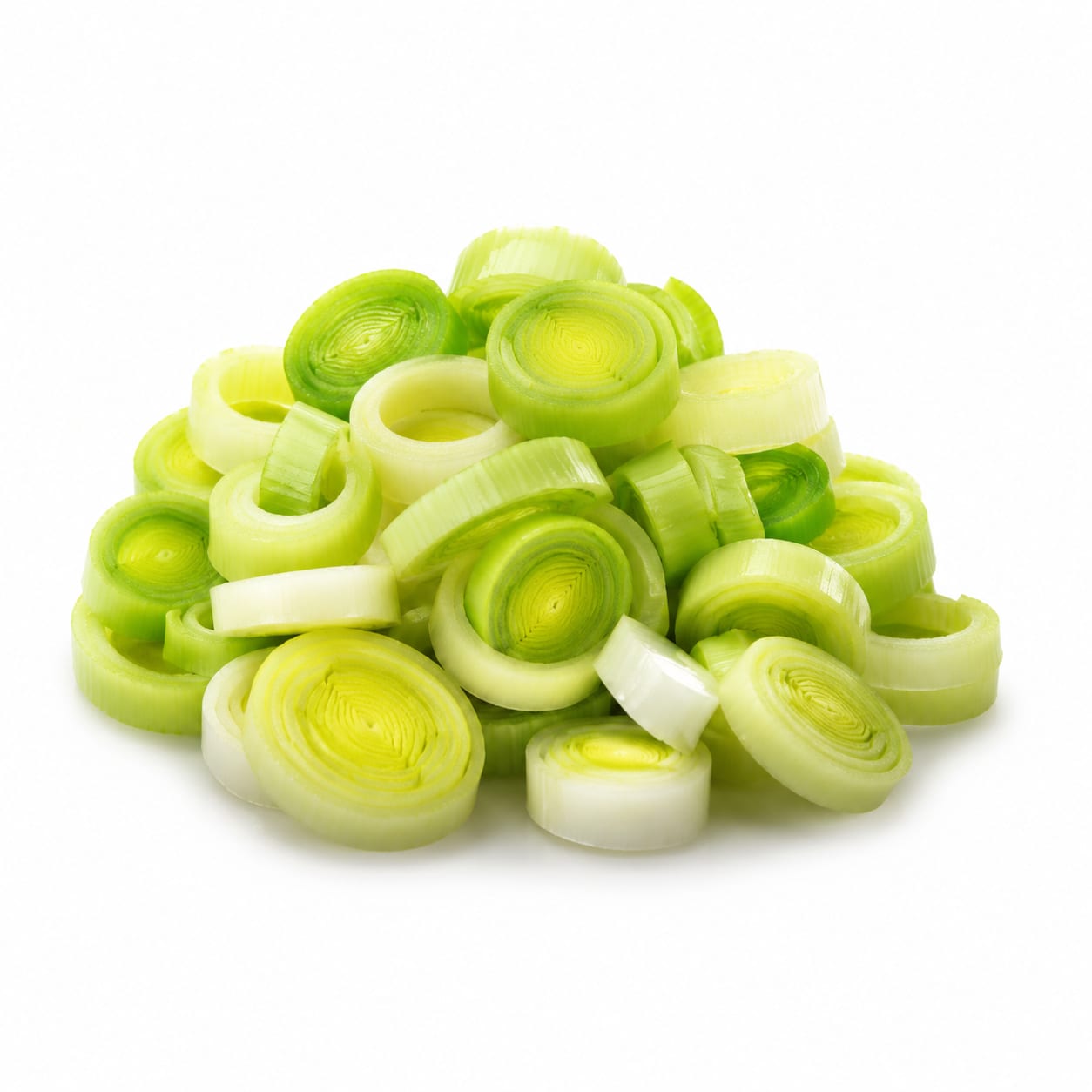
Leeks
Leeks win as a substantive vegetable with more fiber and versatility, while Garlic Chives deliver a more concentrated punch of certain vitamins and sulfur compounds in tiny amounts.
Leeks score higher overall because they function as a real vegetable with meaningful fiber, folate, and culinary substance. Garlic Chives are excellent at what they do, but their tiny serving sizes limit their nutritional contribution despite impressive nutrient density per gram.
Leeks give you bulk, fiber, and a milder onion sweetness for cooking; Garlic Chives give you intense garlic-onion flavor and higher vitamin K density but in quantities too small to serve as a vegetable side.
At a glance
Executive summary
Overall
It depends
Healthier
It depends
More practical
Leeks
Daily use
Leeks
Key comparison lenses
Nutrient density per calorie
Both are very low-calorie allium vegetables, so users want to know which delivers more nutrition per bite
Culinary role and versatility
Garlic Chives are primarily a garnish herb while Leeks are a substantial vegetable ingredient, making them fundamentally different in kitchen use
Antioxidant and anti-inflammatory benefits
Both belong to the allium family known for sulfur compounds and flavonoids, but their profiles differ significantly
Fiber and digestive health
Leeks offer considerably more fiber per serving due to their bulk, while Garlic Chives are consumed in small quantities
Practical availability and ease of use
Leeks are widely available in Western grocery stores; Garlic Chives require Asian markets or specialty shops
Best choice for
Garlic Chives
- Flavor enhancement without adding sodium or calories
- Vitamin K boost in small garnish quantities
- Quick meals needing bold allium flavor without chopping onions
- Asian stir-fry and dumpling recipes
Leeks
- Hearty soups and stews as a main vegetable
- Fiber intake and digestive regularity
- Meal bulk and satiety on low-calorie diets
- Gentle introduction to allium flavors for sensitive palates
Least suitable for
Garlic Chives
- Anyone needing significant fiber from their vegetables
- People who dislike strong garlic flavor
- Cooking traditions where the herb is unavailable
- Large-batch meal prep as a standalone vegetable
Leeks
- Quick weeknight cooking (they require thorough cleaning and longer cook times)
- People sensitive to fructans or FODMAPs
- Recipes needing intense garlic flavor
- Raw applications due to tough texture
Deep comparison
Dimension by dimension
Each lens scores both foods and breaks down who each option suits.
- Dimension 1 · Priority 90Garlic Chives
Nutrient Density Per Gram
Garlic Chives · 88Leeks · 72Garlic Chives pack more vitamins K, A, and C per gram than Leeks, but you eat far fewer grams per sitting.
Tradeoff
Higher density means less when typical servings are only 1-2 tablespoons of chopped chives versus a cup of cooked leeks.
Why it matters
If you judge by the label alone, Garlic Chives look superior, but real meals tell a different story.
Real-world impact
A full cup of cooked Leeks delivers more total vitamins and minerals than a typical garnish of Garlic Chives, even though the chives are richer per gram.
Garlic Chives
- Maximizing micronutrients in tiny additions
- Supplementing dishes already rich in bulk vegetables
Better for
- Anyone tracking total daily vitamin intake from vegetables
- Situations where you need meaningful nutrition volume
Worse for
Leeks
- Getting more total nutrition from a single vegetable serving
- Replacing higher-calorie vegetables in filling meals
Better for
- Strict per-calorie nutrient density comparisons
- Diets requiring every gram to maximize micronutrient return
Worse for
- Dimension 2 · Priority 85Leeks
Fiber and Satiety
Garlic Chives · 35Leeks · 82Leeks provide substantial fiber per serving; Garlic Chives contribute negligible fiber because you eat so little.
Tradeoff
You would need to eat an unrealistic amount of Garlic Chives to match the fiber in one serving of Leeks.
Why it matters
Fiber is one of the most important nutrients most people lack, and vegetables are a primary source.
Real-world impact
A cup of cooked Leeks gives you roughly 1.6g of fiber toward your daily goal. A tablespoon of Garlic Chives gives you almost nothing.
Garlic Chives
- Not applicable — Garlic Chives cannot realistically serve as a fiber source
Better for
- Anyone relying on vegetables for daily fiber intake
- Low-calorie diets where satiety matters
Worse for
Leeks
- Supporting digestive regularity
- Adding bulk to meals without adding calories
- Stabilizing blood sugar after eating
Better for
- People with severe FODMAP sensitivity who cannot tolerate fructans
Worse for
- Dimension 3 · Priority 80Garlic Chives
Antioxidant and Anti-Inflammatory Profile
Garlic Chives · 84Leeks · 76Garlic Chives contain more concentrated sulfur compounds and allicin-related antioxidants, while Leeks offer kaempferol and milder allium benefits.
Tradeoff
Garlic Chives deliver stronger antimicrobial and anti-inflammatory compounds per gram, but Leeks provide a steadier antioxidant dose through larger servings.
Why it matters
Both support heart health and immune function, but through slightly different compound pathways.
Real-world impact
Regular consumption of either vegetable supports cardiovascular health, but Garlic Chives may offer more potent antimicrobial effects when consumed fresh.
Garlic Chives
- Immune support during cold season
- Adding fresh antimicrobial compounds to raw dishes
Better for
- Cooking diminishes the key sulfur compounds significantly
- People who only eat cooked preparations
Worse for
Leeks
- Consistent daily antioxidant intake through larger serving sizes
- Kaempferol-specific anti-inflammatory benefits
Better for
- Situations calling for concentrated antimicrobial activity
Worse for
- Dimension 4 · Priority 75Leeks
Culinary Versatility and Practicality
Garlic Chives · 58Leeks · 80Leeks work as a base vegetable in countless Western recipes; Garlic Chives are a specialty herb with narrower but irreplaceable uses.
Tradeoff
Leeks are more versatile overall but require cleaning and longer cooking; Garlic Chives are ready instantly but limited to finishing and garnishing roles.
Why it matters
The best healthy food is one you actually cook with regularly, not one that sits in your fridge unused.
Real-world impact
Leeks can be a weekly staple in soups, pasta, and roasted dishes. Garlic Chives shine in specific Asian recipes but rarely appear in everyday Western cooking.
Garlic Chives
- Instant flavor in scrambled eggs, dumplings, and stir-fries
- No cooking required — just snip and sprinkle
Better for
- Limited to garnish and finishing roles
- Hard to find in conventional grocery stores
Worse for
Leeks
- Classic soup bases like potato-leek or vichyssoise
- Slow-cooked dishes where sweetness develops over time
- Acting as a milder onion substitute for sensitive eaters
Better for
- Time-intensive cleaning to remove dirt between layers
- Not suitable for raw quick-use applications
Worse for
- Dimension 5 · Priority 70Garlic Chives
Vitamin K Content
Garlic Chives · 92Leeks · 68Garlic Chives are remarkably rich in vitamin K per gram, far exceeding Leeks in concentration.
Tradeoff
The concentration advantage shrinks when comparing realistic serving sizes, though Garlic Chives still deliver a meaningful vitamin K punch even in small amounts.
Why it matters
Vitamin K supports bone health and blood clotting, and many adults under-consume it.
Real-world impact
Adding a handful of fresh Garlic Chives to a dish can meaningfully move your daily vitamin K intake, while a cup of Leeks provides a moderate but solid contribution.
Garlic Chives
- Targeted vitamin K supplementation through food
- Bone health support in small dietary additions
Better for
- People on blood thinners who must limit vitamin K intake
Worse for
Leeks
- Broader nutrient contribution including folate and manganese alongside vitamin K
Better for
- Situations where maximizing vitamin K per bite matters
Worse for
- Dimension 6 · Priority 65Garlic Chives
Digestive Tolerance and FODMAP Considerations
Garlic Chives · 62Leeks · 45Both contain fructans that can trigger IBS symptoms, but Garlic Chives are eaten in such small amounts that the total fructan load is usually lower.
Tradeoff
Leeks are moderate-to-high FODMAP in typical serving sizes, while Garlic Chives are low FODMAP in typical garnish amounts but high FODMAP per gram.
Why it matters
For people with IBS or SIBO, allium vegetables are common triggers, and portion control is the main tool for tolerance.
Real-world impact
A small sprinkle of Garlic Chives may be tolerated by someone who cannot handle a full serving of Leeks.
Garlic Chives
- IBS-friendly flavor enhancement in tiny amounts
- Low-FODMAP garnish option when kept to a tablespoon or less
Better for
- Anyone eating large quantities, which would deliver a significant fructan load
Worse for
Leeks
- People without FODMAP sensitivity who benefit from prebiotic fructans
Better for
- IBS or SIBO patients who react to fructans
- Low-FODMAP diet followers who cannot manage portion control
Worse for
Timeline
Health impact over time
Short-term
Hours to days
Garlic Chives
- Fresh Garlic Chives may provide mild antimicrobial effects when consumed raw
- Small amounts are unlikely to cause digestive upset in most people
- Vitamin K from a garnish-sized serving contributes to daily intake without overwhelming
Leeks
- Leeks contribute noticeable fiber that supports satiety after meals
- Fructan content may cause bloating in sensitive individuals within hours
- Mild blood sugar stabilization from soluble fiber during the meal
Long-term
Months to years
Garlic Chives
- Regular consumption supports bone density through consistent vitamin K intake
- Allicin-related compounds may contribute to cardiovascular protection over time
- Antimicrobial properties may support gut microbiome balance when consumed raw regularly
Leeks
- Consistent fiber intake supports colorectal health and digestive regularity
- Kaempferol and other flavonoids contribute to reduced inflammation markers over years
- Folate content supports cardiovascular and cognitive health with regular consumption
Risk profile
Safety & processing
Both Garlic Chives and Leeks are whole, unprocessed vegetables typically sold fresh. Neither carries meaningful processing or additive concerns. The main difference is that Garlic Chives are sometimes sold dried or freeze-dried as a seasoning, which slightly reduces certain heat-sensitive nutrients but remains a natural product.
Garlic Chives
Pesticide residue on non-organic bunches
mediumLeafy herbs like Garlic Chives can retain pesticide residue on their broad, thin leaves. Washing thoroughly or choosing organic reduces this concern.
Contamination from agricultural water
lowAs with any fresh herb, there is a small risk of bacterial contamination from irrigation water. Rinse before eating raw.
Leeks
Soil and grit trapped between layers
mediumLeeks grow in mounded soil, and dirt gets deeply embedded between their layers. Inadequate cleaning can lead to gritty, unpleasant texture and potential soil-borne bacteria exposure.
Pesticide residue on outer layers
lowThe outer layers that receive the most pesticide exposure are typically discarded before cooking, significantly reducing residue intake.
Who wins for whom
Audience fit
Same foods, different winners depending on your goal.
children
LeeksLeeks offer a milder, sweeter flavor that children often accept better than the intense garlic taste of Garlic Chives. They also provide meaningful nutrition in kid-friendly soups.
daily consumption
LeeksLeeks integrate easily into daily cooking as a vegetable side or soup base. Garlic Chives are better as an occasional garnish due to their strong flavor and limited availability.
diabetes
LeeksThe soluble fiber in Leeks helps slow glucose absorption after meals. Garlic Chives have minimal fiber impact due to tiny serving sizes.
elderly
LeeksLeeks are easier to chew when cooked, provide more fiber for common digestive slowdowns in aging, and deliver folate for cognitive support.
muscle gain
It dependsNeither is a meaningful protein source. Both can flavor muscle-building meals, but Leeks add more vegetable bulk to high-protein dishes.
weight loss
LeeksLeeks provide more volume and fiber per serving, helping you feel full on fewer calories. Garlic Chives add flavor without calories but cannot fill you up.
Your move
Decision guide
Choose Garlic Chives
- You cook Asian dishes regularly and want authentic flavor
- You need a potent vitamin K source in small quantities
- You want raw antimicrobial benefits from fresh allium compounds
- You grow your own herbs and want a hardy perennial that produces for years
Choose Leeks
- You make soups, stews, or braised dishes weekly
- You want a filling low-calorie vegetable for weight management
- You need to increase your daily fiber intake
- You prefer milder flavors that blend into dishes without dominating
Either works if
- You want cardiovascular benefits from allium vegetables
- You are looking to diversify your vegetable intake beyond onions and garlic
- You value whole, unprocessed plant foods in your diet
Avoid both if
- You have severe FODMAP intolerance and react to allium vegetables even in small amounts
- You are on warfarin or another vitamin K-antagonist blood thinner and must strictly limit vitamin K intake
Final recommendation
Keep both in your kitchen if possible — they serve completely different purposes. Leeks are your substantive vegetable for soups, sides, and fiber. Garlic Chives are your finishing herb for bold flavor and a concentrated vitamin K boost. If you must choose one for regular use, Leeks offer more practical nutritional value as a daily vegetable.
Practical
Consumer tips
- 1
Clean Leeks by slicing lengthwise and fanning the layers under running water to remove trapped soil — skipping this step ruins the dish
- 2
Add Garlic Chives at the very end of cooking or as a raw garnish to preserve their heat-sensitive beneficial compounds
- 3
Grow Garlic Chives at home — they are one of the easiest perennial herbs and will produce for years with minimal care
- 4
Use Leek greens (the dark green tops) for homemade stock instead of discarding them — they add deep savory flavor
- 5
Store Garlic Chives wrapped in a damp paper towel in the refrigerator and use within 3-4 days before they wilt
- 6
If you cannot find fresh Garlic Chives, dried versions work in soups and dumpling fillings but lose the raw antimicrobial benefits