
Nutrition comparison
Garlic Chives vs Onions: Nutrition, Flavor, and Health Benefits Compared
Garlic chives vs onions: which allium is healthier? Compare nutrients, gut health benefits, cooking versatility, and which one fits your diet best.
Overall winner · Onions
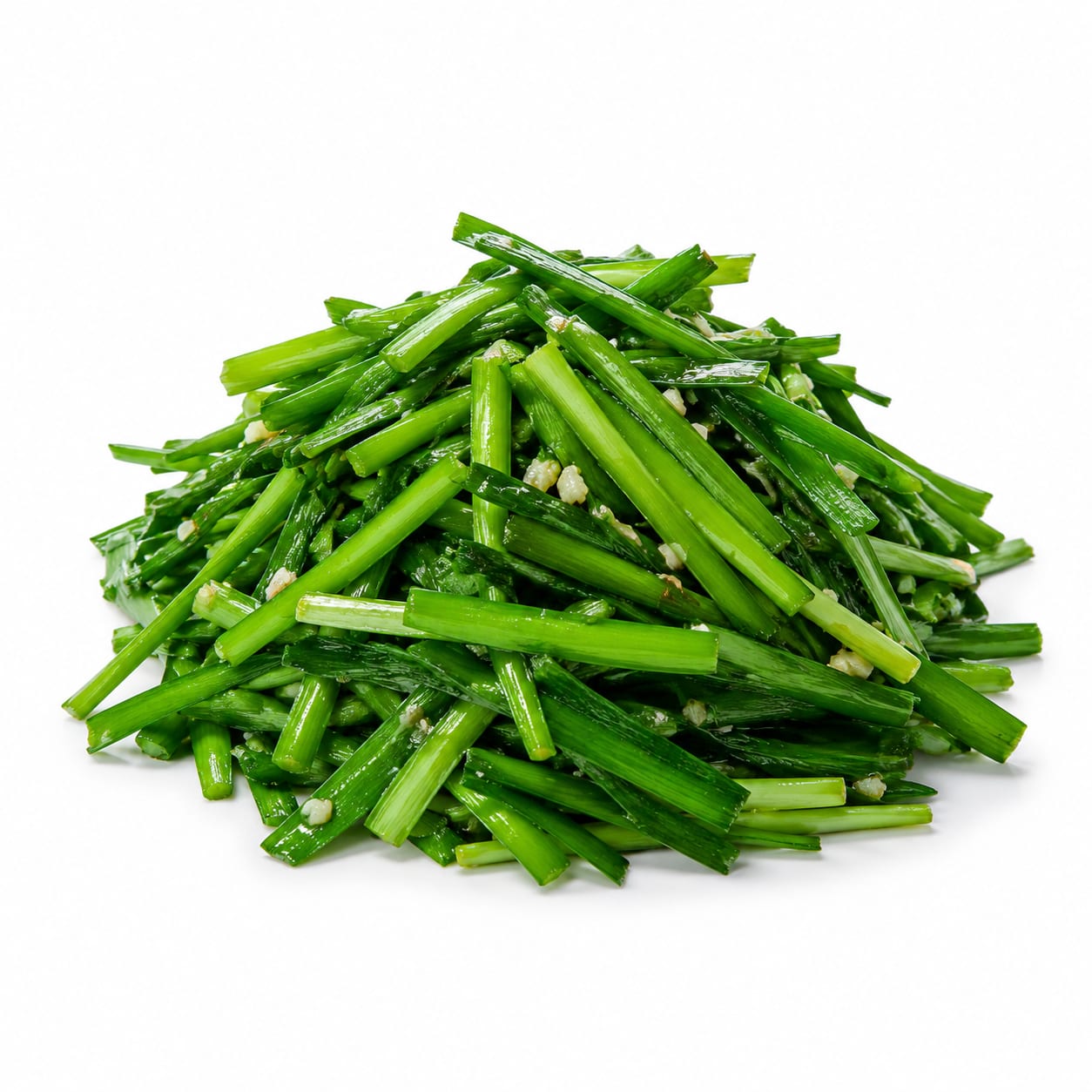
Garlic Chives
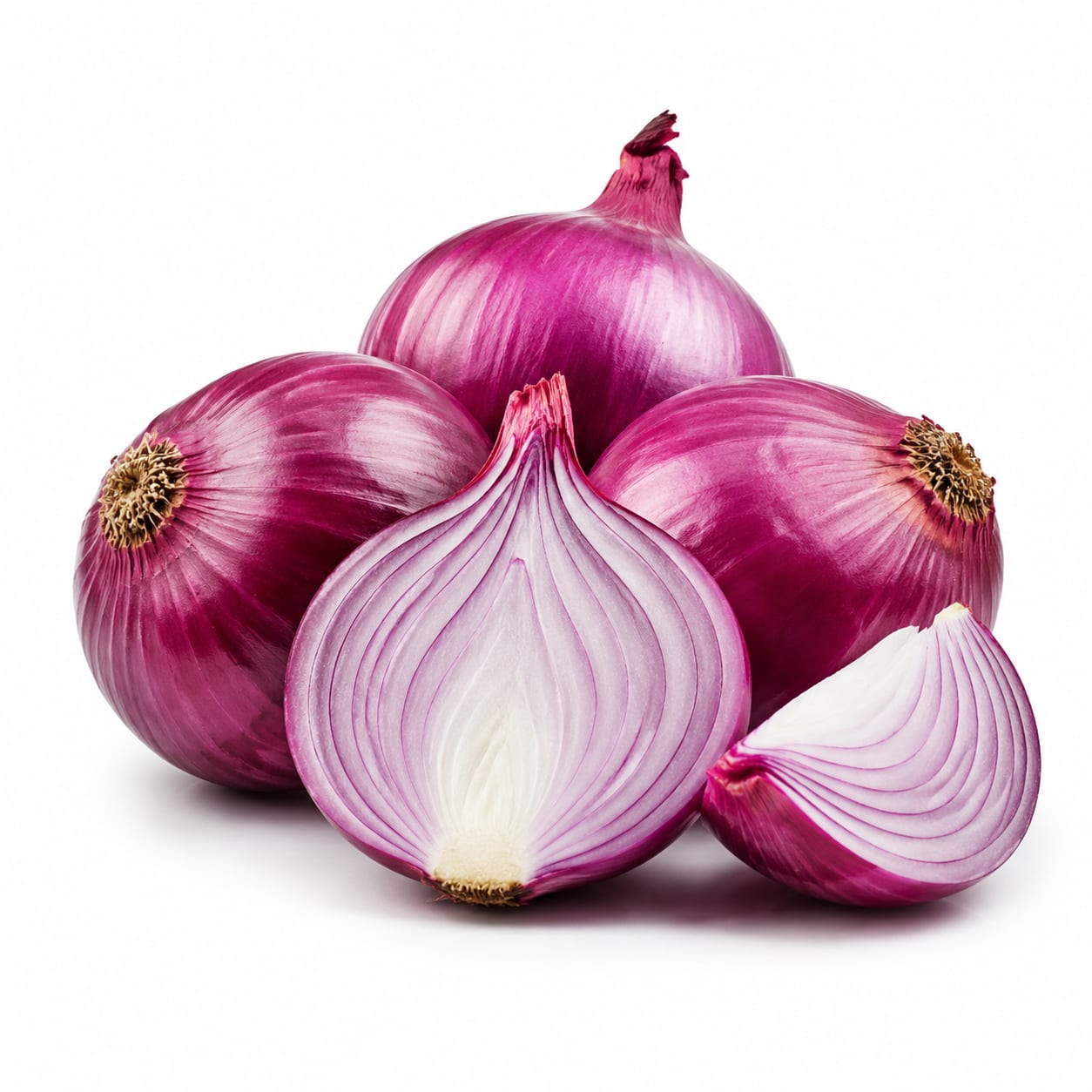
Onions
Onions win for everyday practicality and gut health, while garlic chives shine as a nutrient-dense garnish with unique flavor
Onions score higher due to superior prebiotic fiber content, cooking versatility, availability, and stronger evidence for metabolic benefits. Garlic chives are nutritionally impressive per gram but are typically consumed in small amounts as a garnish, limiting their real-world impact
Onions offer more prebiotic fiber and cooking versatility at a lower cost, but garlic chives deliver more vitamins A and K per bite with a gentler flavor
At a glance
Executive summary
Overall
Onions
Healthier
Onions
More practical
Onions
Daily use
Onions
Key comparison lenses
flavor versatility and cooking convenience
Onions are a kitchen staple used in nearly every cuisine, while garlic chives are more of a specialty herb with limited culinary roles
antioxidant and anti-inflammatory benefits
Both are allium vegetables with sulfur compounds and flavonoids, but their antioxidant profiles differ significantly
digestive and gut health support
Onions are notably rich in prebiotic fibers, while garlic chives offer gentler digestive benefits
nutrient density per serving
Garlic chives pack more vitamins A, C, and K per gram, but are typically eaten in much smaller quantities
blood sugar and metabolic health
Both have blood sugar-friendly properties, but onions have more research backing their metabolic benefits
Best choice for
Garlic Chives
- People wanting a mild garlic-onion flavor without the pungency
- Those seeking extra vitamin K for bone and blood health
- Home cooks exploring Asian cuisine
- Anyone looking to diversify their allium intake beyond the basics
Onions
- Cooking on a budget who need maximum flavor per dollar
- People focused on gut health and prebiotic fiber intake
- Anyone meal prepping or batch cooking for the week
- Those wanting a versatile base ingredient for soups, stews, and stir-fries
Least suitable for
Garlic Chives
- People with limited access to Asian grocery stores
- Anyone needing large quantities for bulk cooking
- Those who dislike even mild garlic flavor
- Budget-conscious shoppers looking for maximum volume
Onions
- People with IBS or fructose intolerance who react to onion
- Those who find onion flavor overpowering in raw dishes
- Anyone seeking high vitamin A or K from their allium vegetables
Deep comparison
Dimension by dimension
Each lens scores both foods and breaks down who each option suits.
- Dimension 1 · Priority 88It depends
Antioxidant Power
Garlic Chives · 78Onions · 82Onions are richer in quercetin, one of the most studied anti-inflammatory flavonoids, while garlic chives provide more carotenoids and vitamin A precursors
Tradeoff
Onions give you more quercetin for heart and immune health; garlic chives give you more vitamin A for vision and skin
Why it matters
Chronic inflammation drives most lifestyle diseases, so choosing the right antioxidant source matters for long-term health
Real-world impact
Eating onions regularly may reduce allergy symptoms and support heart health over years, while garlic chives contribute more to eye health and immune resilience
Garlic Chives
- Eye health and vision support
- Skin health and wound healing
- Immune function through vitamin A
Better for
- Lower total flavonoid content per typical serving
Worse for
Onions
- Heart health and blood vessel protection
- Allergy and histamine response modulation
- Long-term anti-inflammatory protection
Better for
- Minimal vitamin A content compared to garlic chives
Worse for
- Dimension 2 · Priority 85Onions
Gut Health and Prebiotic Fiber
Garlic Chives · 55Onions · 88Onions are among the richest food sources of inulin and fructooligosaccharides, which feed beneficial gut bacteria. Garlic chives contain some prebiotic fiber but in much smaller amounts
Tradeoff
Onions actively nourish your gut microbiome with significant prebiotic fiber; garlic chives contribute modestly and are eaten in smaller quantities
Why it matters
A healthy gut microbiome affects everything from digestion to mood to immune function
Real-world impact
Regular onion consumption can improve bowel regularity and support beneficial bacteria growth within weeks
Garlic Chives
- Gentler on sensitive stomachs when cooked
- Less likely to cause bloating in small amounts
Better for
- Low prebiotic fiber per typical serving
- Usually eaten in quantities too small to significantly impact gut health
Worse for
Onions
- Substantial prebiotic fiber for gut bacteria
- Better for improving bowel regularity
- Stronger support for microbiome diversity
Better for
- Can cause significant gas and bloating in sensitive individuals
- Raw onion is a common IBS trigger
Worse for
- Dimension 3 · Priority 80Garlic Chives
Vitamin and Mineral Density
Garlic Chives · 85Onions · 65Per gram, garlic chives are richer in vitamins A, C, K, and folate. However, because they are eaten in smaller quantities, the actual nutrient gap narrows in practice
Tradeoff
Garlic chives win on paper for nutrient density, but you would need to eat large amounts to fully leverage this advantage
Why it matters
Vitamin K supports bone density and blood clotting, while folate is critical for cell repair and pregnancy
Real-world impact
A generous handful of garlic chives can meaningfully boost your vitamin K intake for the day, but a whole onion still delivers solid vitamin C and B6
Garlic Chives
- Vitamin K for bone and blood health
- Vitamin A for vision and immunity
- Folate for cell repair and DNA synthesis
Better for
- Small typical serving sizes limit real-world nutrient delivery
Worse for
Onions
- Vitamin B6 for brain function and energy
- More practical serving sizes to reach nutrient targets
Better for
- Lower vitamin K and A content per serving
Worse for
- Dimension 4 · Priority 90Onions
Cooking Versatility and Convenience
Garlic Chives · 50Onions · 92Onions are foundational to nearly every world cuisine and can be caramelized, raw, pickled, roasted, or fried. Garlic chives are primarily used as a finishing herb in Asian dishes
Tradeoff
Onions are the workhorse of the kitchen; garlic chives are a specialty ingredient that adds unique flavor but has limited roles
Why it matters
A food you actually cook with regularly delivers more health benefits than one that sits in the fridge
Real-world impact
Most people can use onions daily across multiple meals, while garlic chives might appear once or twice a week at most
Garlic Chives
- Quick garnish that needs no cooking
- Unique flavor that elevates dumplings, eggs, and pancakes
Better for
- Limited to mostly Asian-inspired dishes
- Wilts quickly and has short fridge life
- Harder to find in standard grocery stores
Worse for
Onions
- Works as a base flavor in soups, stews, sauces, and stir-fries
- Multiple cooking methods expand recipe options
- Available year-round in every grocery store
- Long shelf life and easy to store
Better for
- Requires peeling and chopping which causes tearing
- Strong flavor can overpower delicate dishes
Worse for
- Dimension 5 · Priority 75Onions
Blood Sugar and Metabolic Health
Garlic Chives · 65Onions · 78Onions have demonstrated blood sugar-lowering effects in multiple studies, partly due to sulfur compounds and prebiotic fiber. Garlic chives share some sulfur compounds but lack the same evidence base
Tradeoff
Onions offer more proven metabolic benefits and fiber to slow glucose absorption; garlic chives may help but have less research support
Why it matters
Stable blood sugar reduces cravings, fatigue, and long-term diabetes risk
Real-world impact
Adding onion to a meal can modestly reduce the glycemic impact of carbohydrates through fiber and sulfur compounds
Garlic Chives
- Low calorie garnish that adds flavor without sugar spikes
- Contains some chromium which supports insulin sensitivity
Better for
- Less fiber per serving to buffer blood sugar
- Limited clinical evidence for metabolic benefits
Worse for
Onions
- Prebiotic fiber slows sugar absorption
- More studied for blood sugar regulation
- Sulfur compounds may improve insulin sensitivity
Better for
- Caramelized onions with added sugar negate blood sugar benefits
Worse for
- Dimension 6 · Priority 70Onions
Cost and Accessibility
Garlic Chives · 40Onions · 90Onions are one of the cheapest vegetables available worldwide and stock every grocery store. Garlic chives are specialty items often requiring Asian markets or specialty produce sections
Tradeoff
Onions deliver maximum health value per dollar and are universally available; garlic chives cost more and require more effort to source
Why it matters
The healthiest food is the one you can actually afford and find consistently
Real-world impact
A bag of onions costs a few dollars and lasts weeks; garlic chives cost more per ounce and spoil within days
Garlic Chives
- Easy to grow at home in small spaces
- Can be regrown from cuttings on a windowsill
Better for
- Expensive relative to serving size
- Short shelf life leads to food waste
- Not available in many standard grocery stores
Worse for
Onions
- Available in every supermarket year-round
- Extremely low cost per serving
- Long storage life reduces waste
Better for
- Minimal downside on cost and accessibility
Worse for
Timeline
Health impact over time
Short-term
Hours to days
Garlic Chives
- Mild garlic breath that dissipates faster than raw onion breath
- Gentle digestive stimulation without significant bloating when eaten in typical amounts
- Quick vitamin K and C boost from fresh garnishing
Onions
- Noticeable breath and body odor after consumption, especially raw
- Possible gas and bloating from prebiotic fiber, particularly if gut bacteria are adjusting
- Tearing and eye irritation during chopping from sulfur gas release
Long-term
Months to years
Garlic Chives
- Gradual improvement in vitamin K status supporting bone density
- Mild immune support from consistent vitamin A and C intake
- Potential cardiovascular benefits from allicin-like compounds, though less studied than onion and garlic
Onions
- Improved gut microbiome diversity and bowel regularity from prebiotic fiber
- Reduced inflammation and allergy symptoms from quercetin accumulation
- Better blood sugar regulation with regular consumption
- Possible reduction in certain cancer risk from sulfur compounds
Risk profile
Safety & processing
Both garlic chives and onions are whole, unprocessed vegetables typically sold fresh without additives. Neither raises processing concerns when purchased fresh
Garlic Chives
Pesticide residue
mediumLeafy herbs like garlic chives can retain pesticide residues on their surface. Washing thoroughly or choosing organic reduces this risk
Rapid spoilage and bacterial growth
lowGarlic chives wilt and spoil quickly, sometimes within 2-3 days. Spoiled herbs can harbor bacteria, so use promptly and discard if slimy
Onions
Pesticide residue on outer layers
lowOnion skins protect the edible layers from most pesticide exposure. Peeling removes the majority of any residue
Cross-contamination in food service
lowDiced onions are a common vector for cross-contamination in restaurant kitchens due to their ubiquitous use and hand-processing
Fructose intolerance reactions
mediumOnions contain significant fructans that trigger symptoms in people with IBS or fructose malabsorption, causing gas, pain, and bloating
Who wins for whom
Audience fit
Same foods, different winners depending on your goal.
children
Garlic ChivesGarlic chives have a milder, less overwhelming flavor that kids may accept more easily than pungent onion, especially raw
daily consumption
OnionsOnions are easier to incorporate daily across multiple meals, have a longer shelf life, and offer more consistent health benefits at practical serving sizes
diabetes
OnionsOnions have more evidence for blood sugar regulation and their prebiotic fiber slows glucose absorption after meals
elderly
OnionsOnions support gut health, bone density through prebiotic calcium absorption, and cardiovascular health, all critical concerns for older adults
muscle gain
OnionsNeither is a protein source, but onions pair better with high-protein meals as a flavor base and provide B6 for amino acid metabolism
weight loss
OnionsOnions add massive flavor to meals with minimal calories and their prebiotic fiber increases fullness, making it easier to eat less overall
Your move
Decision guide
Choose Garlic Chives
- You want a delicate garlic-onion flavor without overpowering your dish
- You are cooking Asian recipes like dumplings, scallion pancakes, or congee
- You want to boost your vitamin K and A intake through garnishes
- You can grow them at home for a steady fresh supply
Choose Onions
- You need a versatile flavor base for everyday cooking
- Gut health and prebiotic fiber are a priority for you
- You want maximum health benefits on a budget
- You are meal prepping and need ingredients that last
- You are managing blood sugar or inflammatory conditions
Either works if
- You want to add allium flavor to eggs or stir-fries
- You are looking for low-calorie flavor enhancers
- You want natural anti-inflammatory compounds in your diet
Avoid both if
- You have a confirmed allium allergy
- You are on a low-FODMAP diet and sensitive to fructans
- You are preparing food for someone taking blood thinners without medical guidance, due to vitamin K content
Final recommendation
Keep onions as your daily allium staple for their versatility, gut health benefits, and proven metabolic effects. Add garlic chives as a specialty garnish when you want their unique flavor or an extra vitamin K boost. Using both gives you the broadest spectrum of allium benefits without having to choose
Practical
Consumer tips
- 1
Store garlic chives wrapped in a damp paper towel in a bag in the fridge and use within 3 days for best quality
- 2
Grow garlic chives on a sunny windowsill for a constant fresh supply without grocery store trips
- 3
Chill onions for 30 minutes before cutting to reduce tear-inducing sulfur gas release
- 4
Caramelize a large batch of onions on the weekend and refrigerate to add instant depth to weekday meals
- 5
Freeze diced onions in portions for quick cooking without the chopping and crying every time
- 6
If onion causes bloating, try cooking it thoroughly which breaks down some fructans and reduces digestive irritation
- 7
Add garlic chives at the very end of cooking to preserve their delicate flavor and heat-sensitive vitamins