
Nutrition comparison
Garlic Chives vs Shallots: Nutrition, Flavor, and Cooking Comparison
Compare Garlic Chives vs Shallots to see which is healthier. Learn about Vitamin K, quercetin, culinary uses, and storage differences.
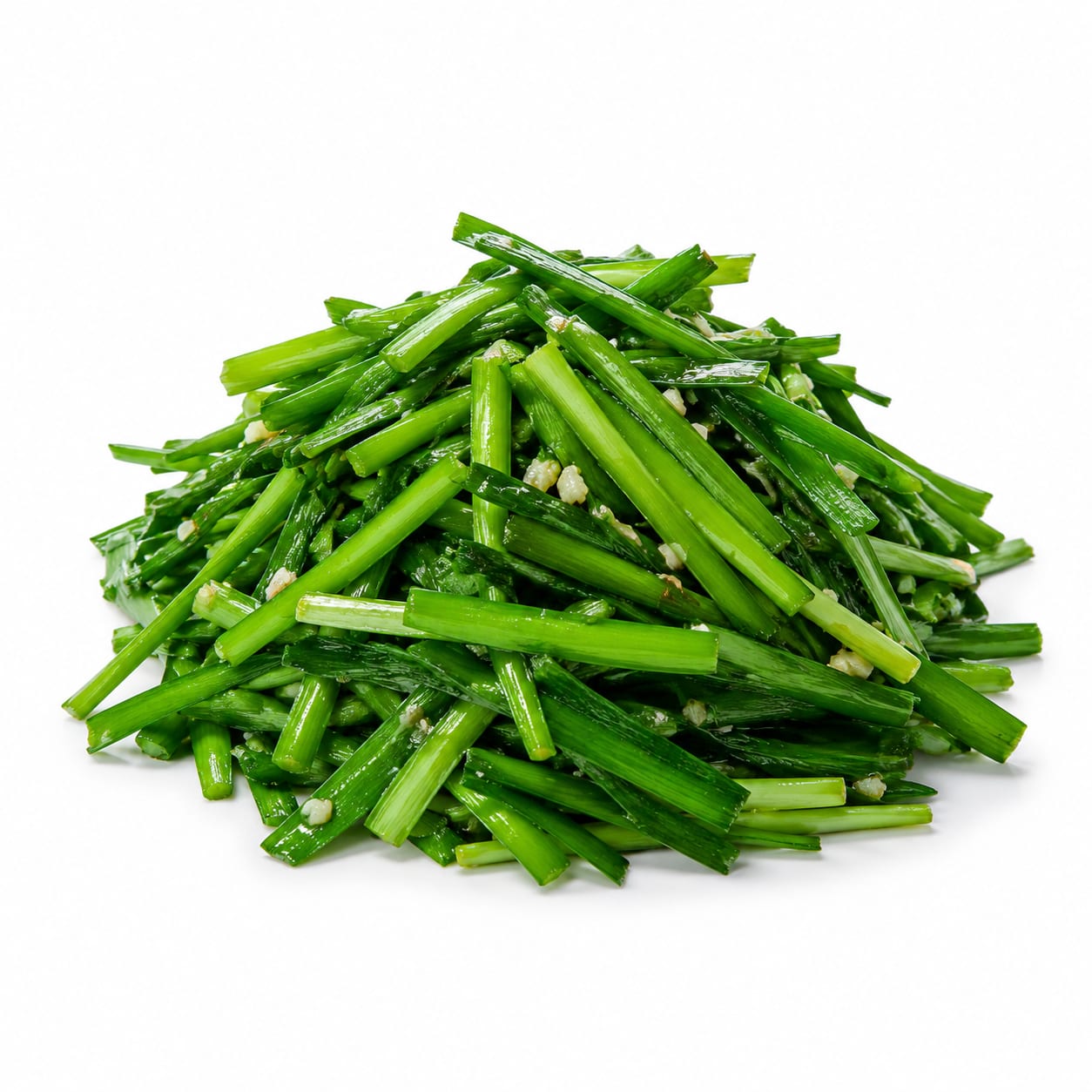
Garlic Chives
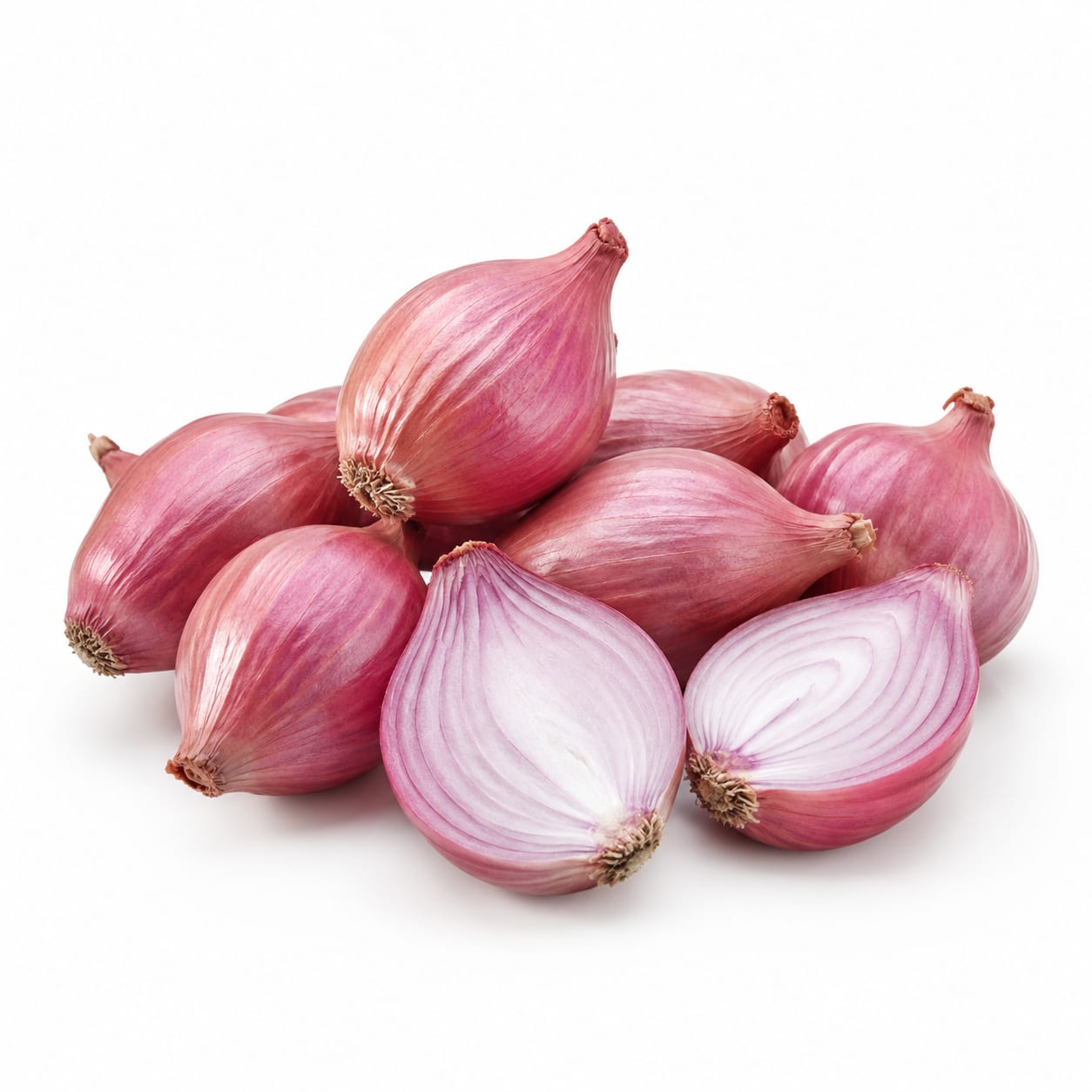
Shallots
Garlic chives shine as a nutrient-dense fresh herb, while shallots excel as a versatile cooking base with superior antioxidants when caramelized.
Shallots score slightly higher due to broader culinary versatility and longer shelf life, but Garlic chives offer a stronger micronutrient punch per serving.
Fresh herbaceous punch and vitamin K versus sweet depth and quercetin-rich caramelization.
At a glance
Executive summary
Overall
It depends
Healthier
It depends
More practical
Shallots
Daily use
Shallots
Key comparison lenses
Culinary application and flavor profile
Garlic chives act as a fresh herb while shallots serve as a cooking base, leading to very different kitchen uses.
Micronutrient density
Garlic chives offer heavy hitting vitamins like K and A, whereas shallots provide different antioxidants and minerals.
Storage and practicality
Shallots are a pantry staple with a long shelf life, while Garlic chives are highly perishable.
Antioxidant benefits
Shallots are renowned for quercetin, while Garlic chives provide allicin-like compounds and carotenoids.
Best choice for
Garlic Chives
- Boosting Vitamin K and A intake
- Adding fresh garlic-onion flavor to dumplings and eggs
- Garnishing Asian dishes
Shallots
- Building flavor bases for sauces and stews
- Getting more quercetin antioxidants
- Making caramelized or crispy toppings
Least suitable for
Garlic Chives
- Long-term storage without wilting
- Dishes requiring deep caramelization
- Low-FODMAP diets in large amounts
Shallots
- Fresh raw garnishes where a light herb is needed
- Quick dishes where peeling feels tedious
- People avoiding alliums due to heartburn
Deep comparison
Dimension by dimension
Each lens scores both foods and breaks down who each option suits.
- Dimension 1 · Priority 90Garlic Chives
Micronutrient Density
Garlic Chives · 88Shallots · 75Garlic chives pack more Vitamin K, Vitamin A, and Vitamin C per serving than shallots.
Tradeoff
Shallots provide more potassium and folate, but Garlic chives win on bone and eye health vitamins.
Why it matters
Vitamin K is often overlooked, and Garlic chives deliver it abundantly for blood clotting and bone strength.
Real-world impact
Adding Garlic chives to your eggs gives a noticeable vitamin boost that shallots can't match in a fresh garnish.
Garlic Chives
- Bone health
- Eye health
- Immune support
Better for
- Potassium intake
Worse for
Shallots
- Heart health
- Electrolyte balance
Better for
- Vitamin K needs
Worse for
- Dimension 2 · Priority 85Shallots
Antioxidant Profile
Garlic Chives · 80Shallots · 90Shallots are incredibly rich in quercetin and kaempferol, especially when cooked slowly.
Tradeoff
Garlic chives offer allicin-like sulfur compounds best eaten raw, while shallots develop antioxidants through caramelization.
Why it matters
Quercetin is a powerful anti-inflammatory flavonoid that supports heart health and reduces allergy symptoms.
Real-world impact
Eating caramelized shallots regularly can help lower inflammation, while raw Garlic chives offer antimicrobial benefits.
Garlic Chives
- Antimicrobial protection
- Raw antioxidant intake
Better for
- Heat-stable antioxidants
Worse for
Shallots
- Anti-inflammatory benefits
- Heart-protective antioxidants
Better for
- Quick raw applications
Worse for
- Dimension 3 · Priority 95Shallots
Culinary Versatility and Cooking
Garlic Chives · 70Shallots · 92Shallots are a foundational aromatic that can be raw, caramelized, or fried, while Garlic chives are limited to fresh or lightly cooked uses.
Tradeoff
Garlic chives wilt and lose flavor if overcooked, whereas shallots deepen and sweeten with heat.
Why it matters
A good cooking base needs to withstand heat and time, making shallots more adaptable to various recipes.
Real-world impact
You can build a rich pan sauce with shallots, but Garlic chives are best tossed in at the end or used as a garnish.
Garlic Chives
- Quick stir-fries
- Fresh dumpling fillings
Better for
- Slow-cooked stews
- Caramelized toppings
Worse for
Shallots
- Pan sauces
- Roasted dishes
- Vinaigrettes
Better for
- Delicate fresh garnishes
Worse for
- Dimension 4 · Priority 80Shallots
Storage and Practicality
Garlic Chives · 55Shallots · 90Shallots can sit in a pantry for weeks, while Garlic chives wilt in the fridge within days.
Tradeoff
Garlic chives require careful storage and quick use, whereas shallots are a low-maintenance pantry staple.
Why it matters
Food that spoils quickly often leads to waste, making shallots more reliable for spontaneous cooking.
Real-world impact
You can always keep shallots on hand for a quick meal, but Garlic chives require a dedicated grocery run.
Garlic Chives
- Immediate fresh use
Better for
- Long-term storage
- Spontaneous cooking
Worse for
Shallots
- Meal prep
- Pantry stocking
- Reducing food waste
Better for
- None significant
Worse for
Timeline
Health impact over time
Short-term
Hours to days
Garlic Chives
- Fresh breath antimicrobial boost
- Mild digestive stimulation
Shallots
- Flavor satisfaction without heaviness
- Quick source of dietary nitrates
Long-term
Months to years
Garlic Chives
- Stronger bones from Vitamin K
- Better vision from Vitamin A
Shallots
- Reduced inflammation from quercetin
- Improved heart health from potassium and antioxidants
Risk profile
Safety & processing
Both Garlic chives and shallots are whole, natural foods with no artificial additives when bought fresh.
Garlic Chives
Pesticide residue
mediumLeafy herbs like Garlic chives can retain pesticides on their broad, flat surfaces; washing thoroughly is essential.
Shallots
Sprouting and mold
lowShallots can develop mold if stored in damp conditions; discard any soft or moldy bulbs.
Who wins for whom
Audience fit
Same foods, different winners depending on your goal.
children
ShallotsShallots offer a milder, sweeter flavor when cooked that is usually more accepted by kids than the pungent garlic taste of chives.
daily consumption
ShallotsShallots are easier to incorporate into a wider variety of daily cooked meals without wilting or spoiling.
diabetes
ShallotsShallots contain quercetin, which has been linked to improved blood sugar regulation and reduced diabetic complications.
elderly
Garlic ChivesThe high Vitamin K content in Garlic chives is crucial for bone health and preventing fractures in older adults.
muscle gain
It dependsNeither is a significant protein source, though both add flavor to high-protein dishes.
weight loss
It dependsBoth are extremely low in calories and high in flavor, making them equally great for adding taste without density.
Your move
Decision guide
Choose Garlic Chives
- You want a fresh, vibrant garnish for eggs, soups, or dumplings
- You need a boost in Vitamin K and Vitamin A
- You are making an Asian-inspired stir-fry and want a garlic-onion punch
Choose Shallots
- You are building a sauce, stew, or dressing from scratch
- You want a reliable pantry staple that lasts for weeks
- You are looking to maximize anti-inflammatory quercetin intake
Either works if
- You just need a mild allium flavor for a dish
- You are trying to eat more low-calorie flavor enhancers
Avoid both if
- You are on a strict low-FODMAP diet and sensitive to fructans
- You have severe allium allergies or gastrointestinal reflux triggered by onions or garlic
Final recommendation
Keep shallots in your pantry as a daily cooking workhorse, and treat Garlic chives as a special fresh herb to grab when you want a vibrant vitamin boost and bold garlic flavor.
Practical
Consumer tips
- 1
Store Garlic chives wrapped in a damp paper towel in an open plastic bag in the fridge to extend their life by a few days.
- 2
Dice shallots finely and cook them low and slow to unlock their natural sweetness and maximum antioxidant benefits.
- 3
Add Garlic chives at the very end of cooking to preserve their delicate flavor and vitamin content.
- 4
Freeze chopped shallots in an ice cube tray with a little olive oil for an easy flavor base on busy nights.