
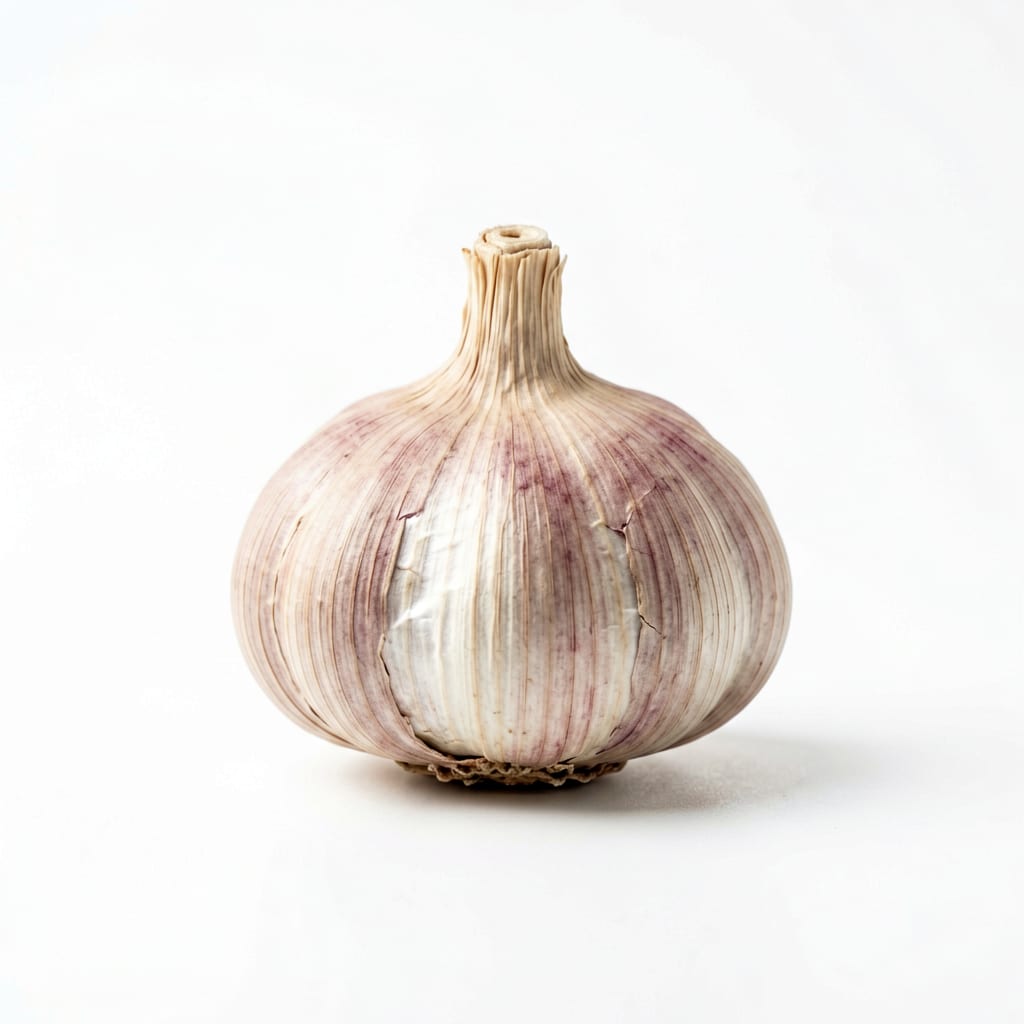
Vegetable / Spice
Garlic
A pungent allium bulb used globally for flavor and medicinal compounds like allicin.
A pungent bulbous plant widely used as a flavoring agent and traditional medicine, recognized for its potent sulfur-containing compounds.
concentrated flavor and bioactive compound source
Typical serving · 3g
Common varieties · softneck, hardneck, elephant garlic, black garlic, rocambole
Overall context score across nutrition, safety, and diet fit
At a glance
Quick facts
Simple indicators based on nutrition, processing, and diet fit.
The story
What makes it unique
Garlic is rich in organosulfur compounds, particularly allicin, which forms when garlic is crushed. It digests moderately, provides negligible macronutrients per culinary serving, and offers significant cardioprotective and antimicrobial properties. Its prebiotic fructans support gut microbiota.
Varieties: softneck · hardneck · elephant garlic · black garlic · rocambole
Per 100g
Nutrition breakdown
Macro balance and key metrics at a glance.
Energy
Density 1.49 kcal/g
Protein
Carbs
Fat
Fiber
Sugar
1 g
Sodium
17 mg
Potassium
401 mg
Glycemic index
10
Glycemic load
3
Water content
59%
Standout compounds
Nutrient highlights
Manganese
highbone health and metabolism
Vitamin B6
moderatebrain health and energy metabolism
Vitamin C
moderateimmune function and antioxidant
Allicin
highantibacterial and cardiovascular support
Fructans
highprebiotic fiber for gut microbiome
Wellness map
Health scores & processing
NOVA processing scale
minimally processed · Whole food
Whole garlic bulbs are unprocessed agricultural products; minimal processing occurs before consumption.
Diet compatibility
- Weight loss
- Muscle gain
- Diabetes
- Gut health
- Low carb
- High protein
- Heart health
Relative standing
Food rankings
Qualitative ranks compared to similar whole foods.
- Satietymoderate
- Blood sugarexcellent
- Nutrient densitygood
- Fitness fuelmoderate
- Processing qualityexcellent
Eat with confidence
Food safety profile
Safe in typical culinary amounts. Raw garlic can cause digestive upset in high doses. Homemade garlic-in-oil mixtures pose a rare but serious botulism risk if not refrigerated or acidified.
Evidence confidence 95%
- Pesticideslow
- Antibioticslow
- Heavy metalslow
- Contaminationlow
Watch for
- botulinum spores in oil infusions
Safer choices
commercially prepared garlic oil
Prep tips
store in cool dry place; refrigerate homemade garlic-in-oil mixtures immediately
none significant
Deep dive
Health analysis
How this food may fit different goals and preparation choices.
Weight loss
Extremely low in calories per serving while providing intense flavor, making it an excellent tool for seasoning without adding energy density.
Blood sugar
Very low glycemic index and load; some evidence suggests garlic extracts may improve insulin sensitivity and reduce fasting blood sugar.
Fitness & energy
Not a direct energy source, but its anti-inflammatory and antioxidant properties may aid in exercise recovery.
Gut health
Contains fructans, a type of prebiotic fiber that feeds beneficial gut bacteria, though high amounts can trigger IBS symptoms in sensitive individuals.
Processing quality
Typically consumed as a whole, unprocessed food with maximal nutrient retention.
Food safety
Safe for culinary use, but overconsumption of raw garlic can irritate the GI tract. Improperly stored garlic in oil can harbor Clostridium botulinum.
Common mistakes
Cooking garlic immediately after chopping destroys the heat-sensitive enzyme that forms allicin, reducing its health benefits.
Best preparation
Crush or mince, let sit for 10 minutes, then add to dishes near the end of cooking to preserve bioactive compounds.
Practical guide
Best use cases
When and how this food fits real eating patterns.
flavor enhancement for low-calorie cooking
Adds intense savory flavor to dishes without the caloric cost of oils or heavy sauces.
heart-healthy diet seasoning
Provides cardiovascular protective compounds like allicin to support healthy blood pressure.
prebiotic gut health support
Feeds beneficial gut bacteria through its naturally occurring fructans.
immune-boosting addition to meals
Offers antimicrobial and antiviral properties that can help support the immune system.
Balance sheet
Pros & cons
Upsides
- Rich in bioactive compounds like allicin
- Very low calorie and carbohydrate per serving
- Provides prebiotic fiber for gut health
- Strong evidence for cardiovascular benefits
- Enhances flavor without added sodium or fat
Trade-offs
- Can cause bad breath and body odor
- Raw garlic can irritate the gastrointestinal tract
- Fructans may trigger symptoms in people with IBS
- Allicin is easily destroyed by heat
Fit check
Who is it for?
Great match
- low-calorie flavoring
- heart-healthy diets
- blood sugar management
- gut microbiome support
Consider alternatives
- people on blood thinners in large amounts
- individuals with severe IBS or fructan intolerance
- those with GERD sensitive to spicy foods
Side by side
How it compares
Open the full head-to-head analysis for nutrition, safety, and practical tradeoffs.
This food
Garlic
VS85% alike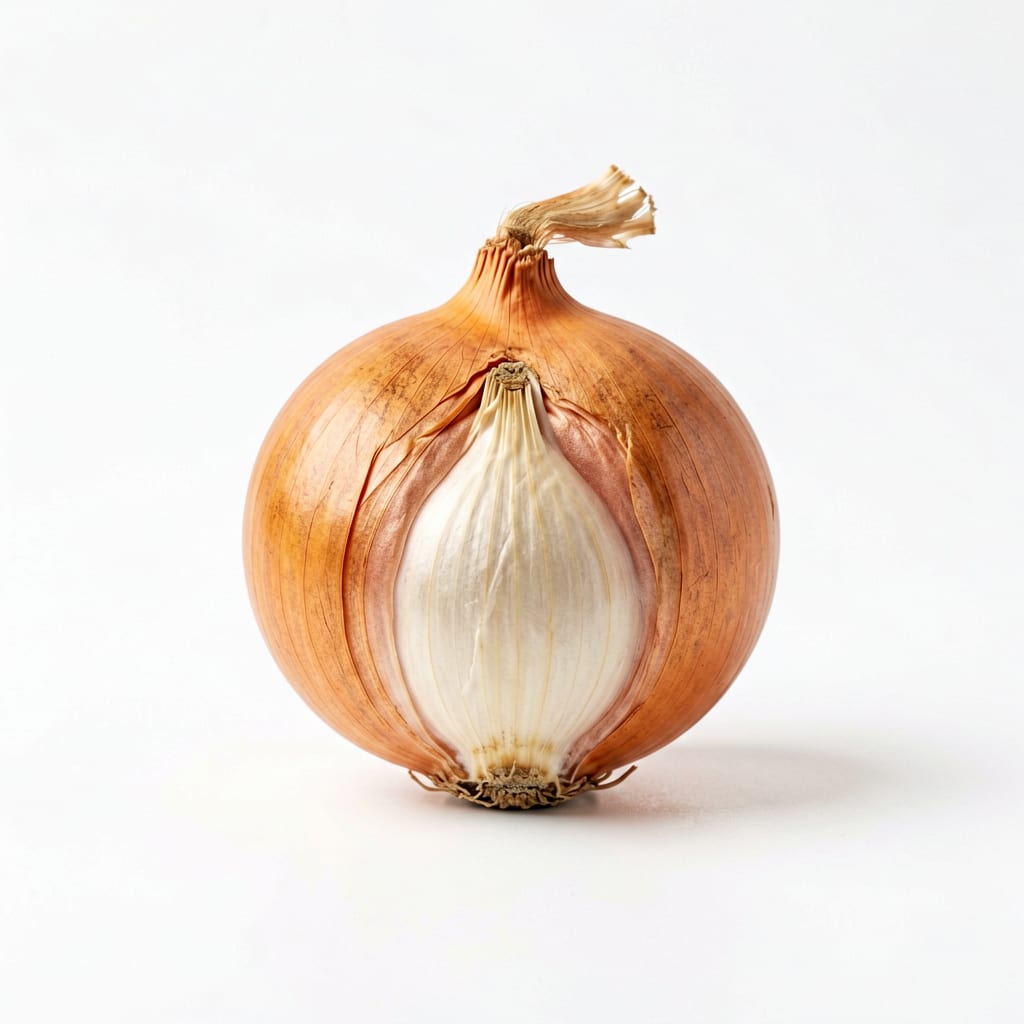
Compare with
Onion
Onions are sweeter and eaten in larger volumes, while garlic is more concentrated in allicin and flavor.
Garlic provides more concentrated bioactives like allicin, while onions offer higher volume and sweetness for satiety per calorie.
This food
Garlic
VS90% alike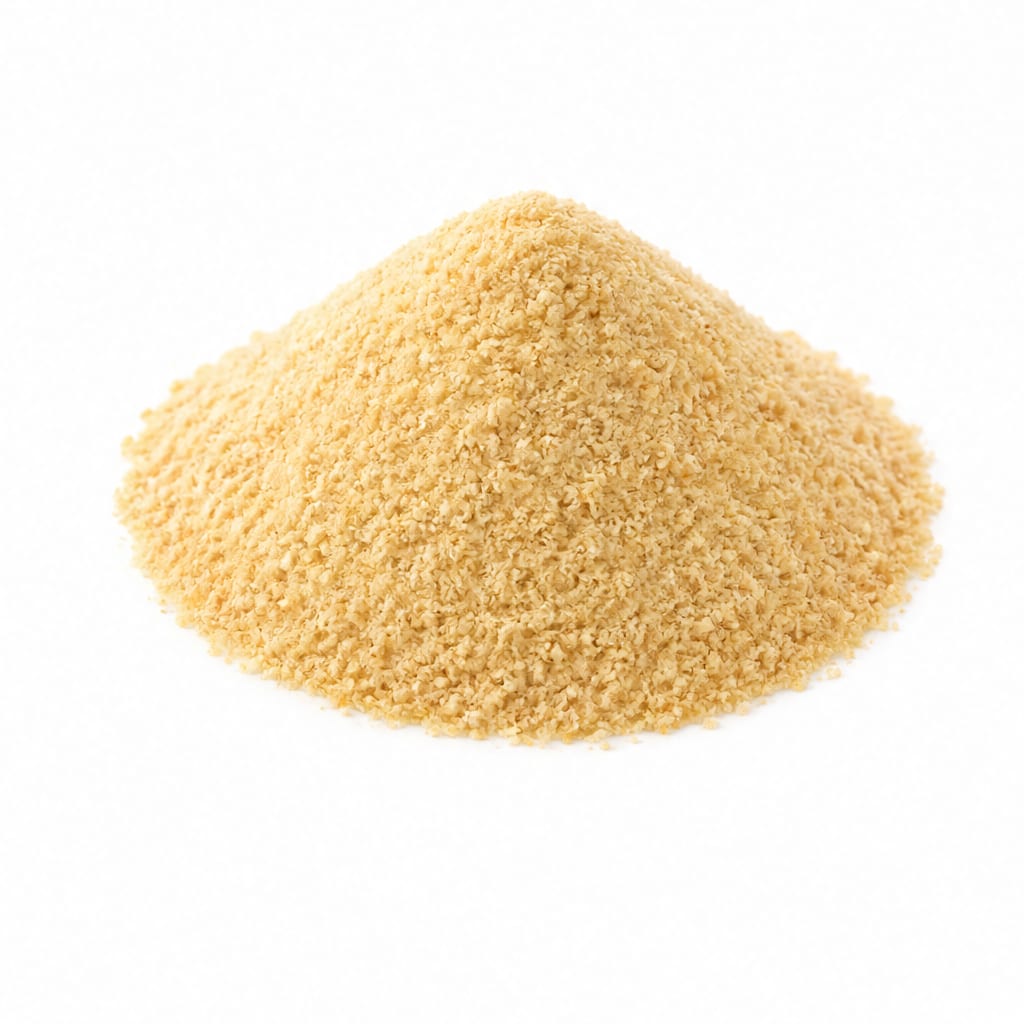
Compare with
Garlic Powder
Garlic powder is more concentrated per gram but lacks active allicin; fresh garlic provides live bioactives.
Fresh garlic contains active allicin, while garlic powder offers convenience but lacks the same medicinal potency.
This food
Garlic
VS80% alike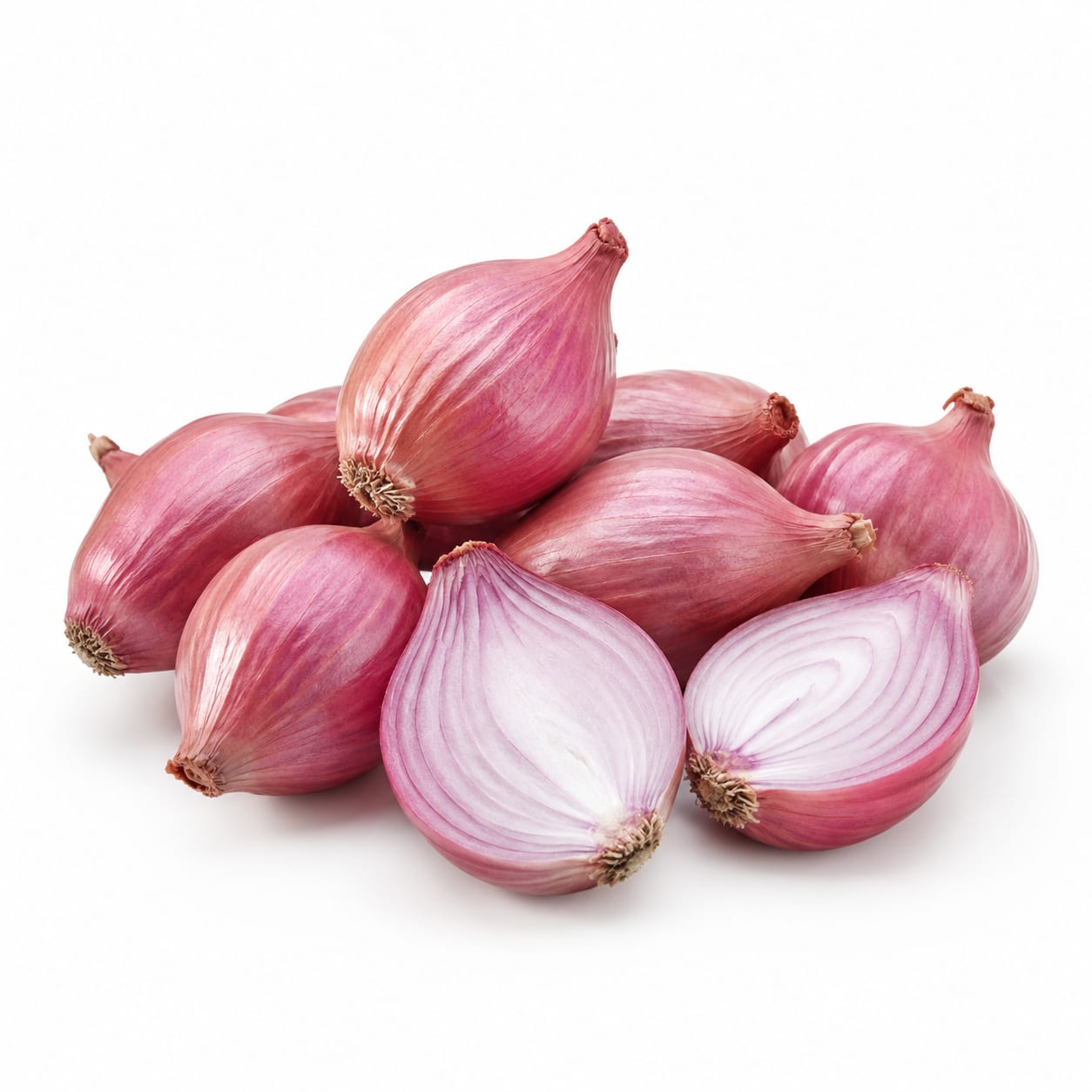
Compare with
Shallots
Shallots offer a milder, sweeter flavor profile, while garlic provides stronger pungent compounds and higher manganese.
Shallots provide a milder flavor and more folate, while garlic delivers stronger cardiovascular benefits and manganese.
This food
Garlic
VS70% alike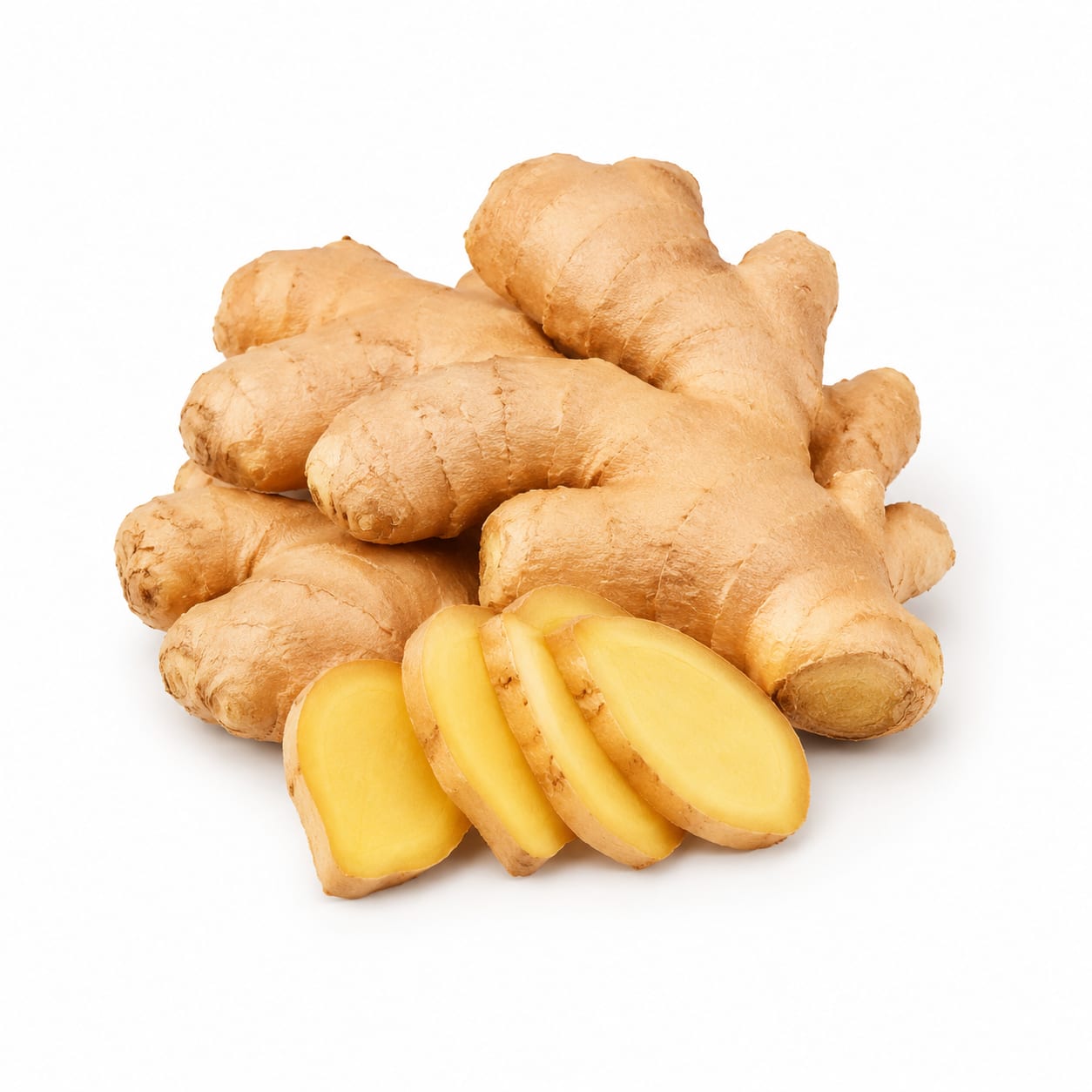
Compare with
Ginger
Ginger excels at anti-nausea and digestion, while garlic is superior for cardiovascular and immune support.
Ginger is better for digestion and nausea, while garlic is superior for heart health and immune support.
This food
Garlic
VS75% alike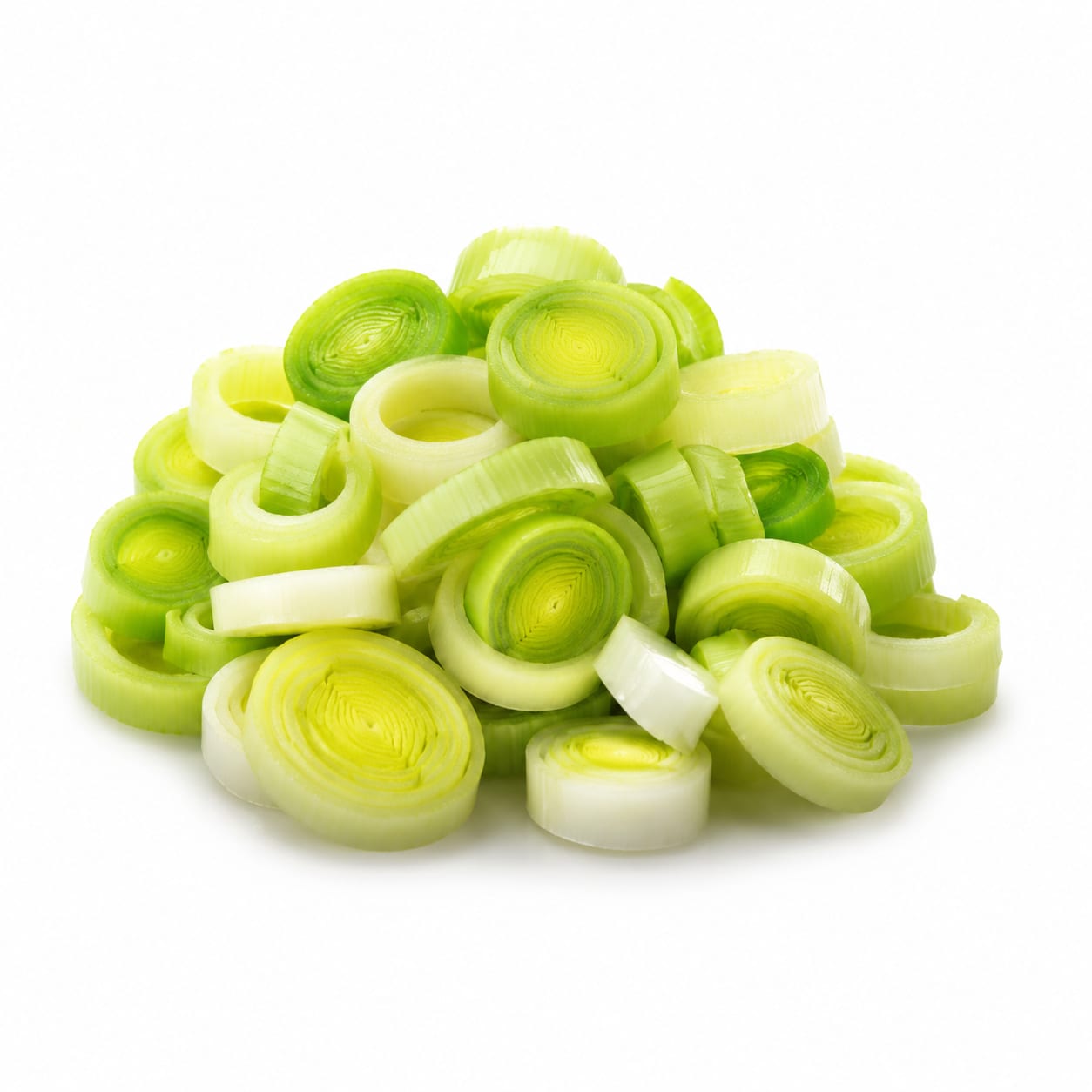
Compare with
Leeks
Leeks are milder and higher in folate, while garlic is a more concentrated source of sulfur compounds and manganese.
Leeks offer a milder flavor and higher folate, while garlic is a concentrated source of sulfur compounds and prebiotics.
This food
Garlic
VS65% alike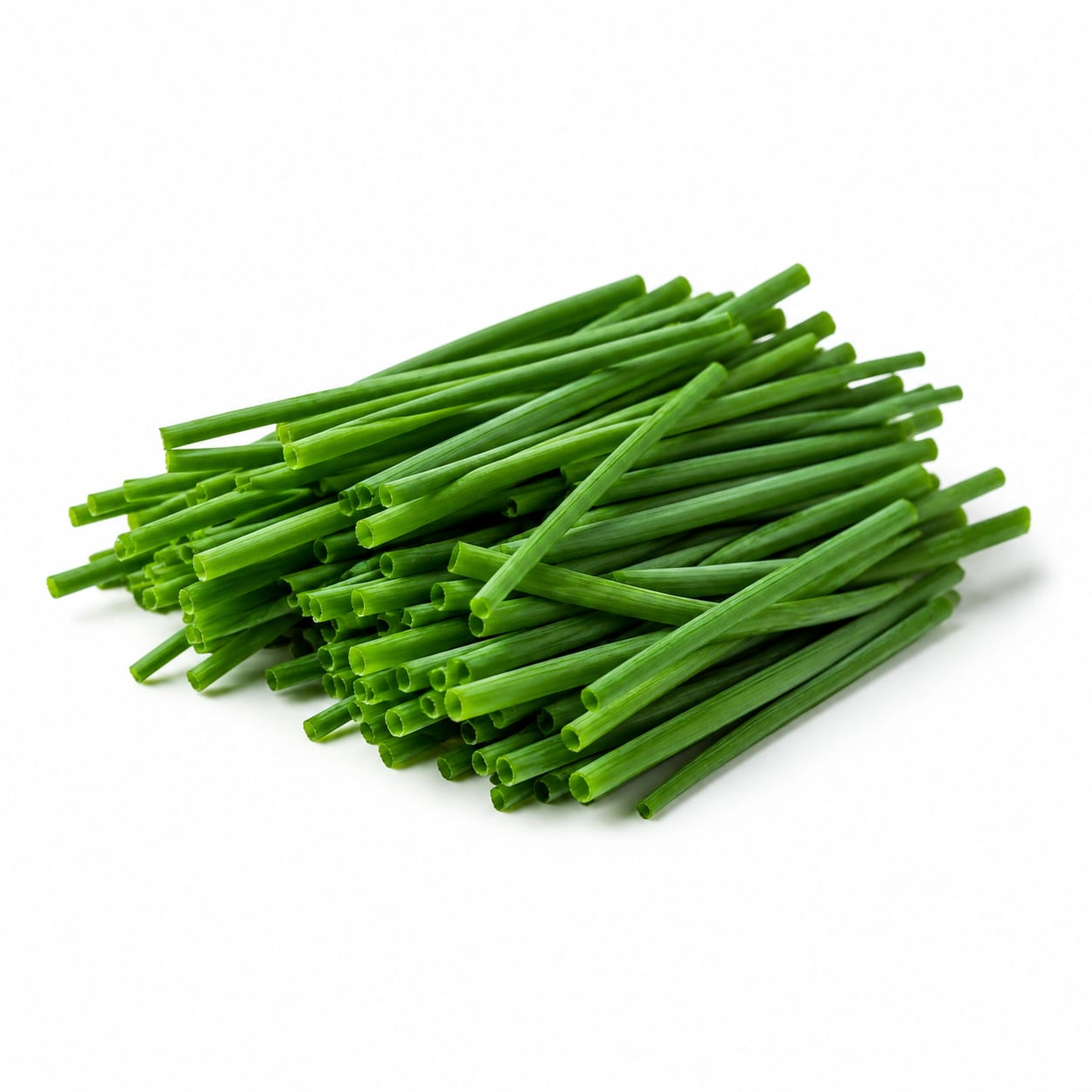
Compare with
Chives
Chives are eaten fresh as a garnish, while garlic is used as a potent flavor base with stronger medicinal properties.
Chives are a mild garnish high in vitamin K, while garlic is a potent flavor base with stronger antimicrobial properties.
This food
Garlic
VS60% alike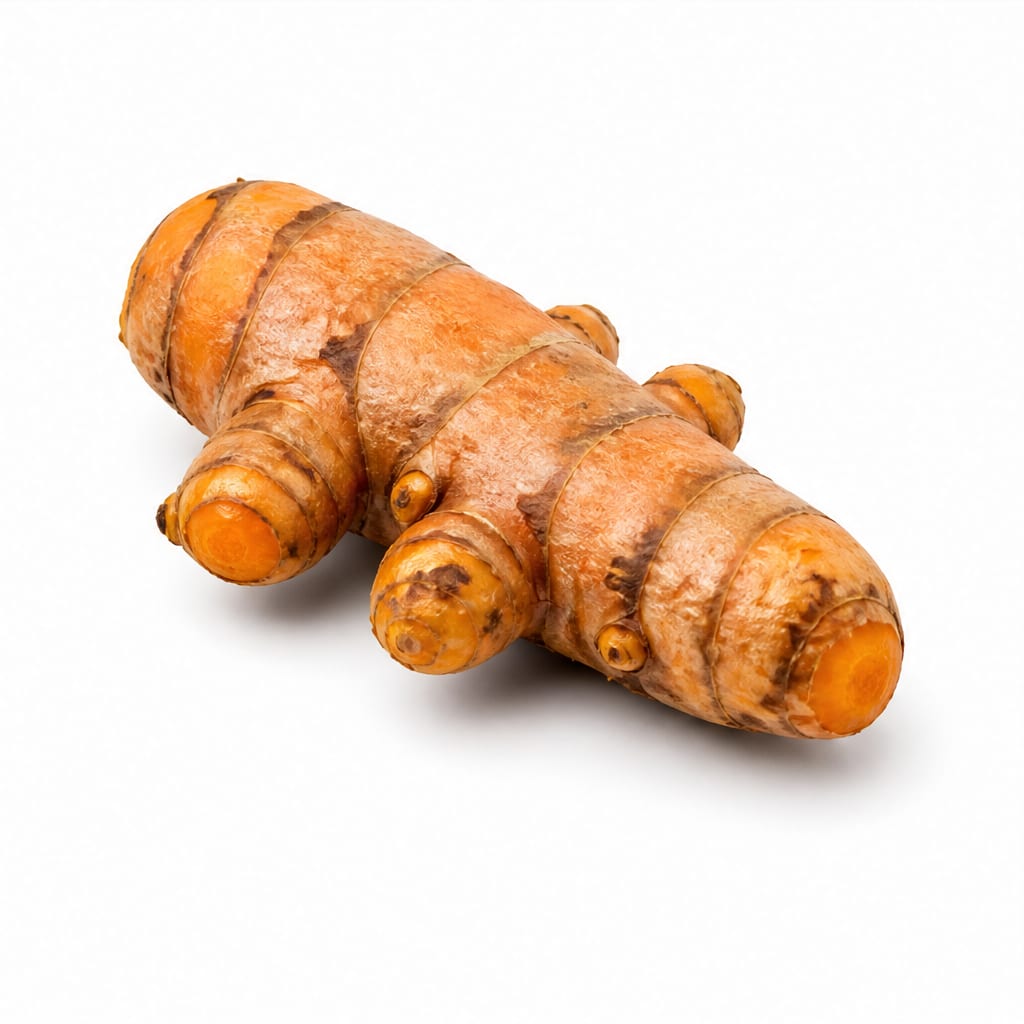
Compare with
Turmeric
Turmeric provides curcumin for joint health, while garlic provides allicin for heart health and immunity.
Turmeric provides curcumin for joint health, while garlic provides allicin for heart health and blood sugar control.
This food
Garlic
VS55% alike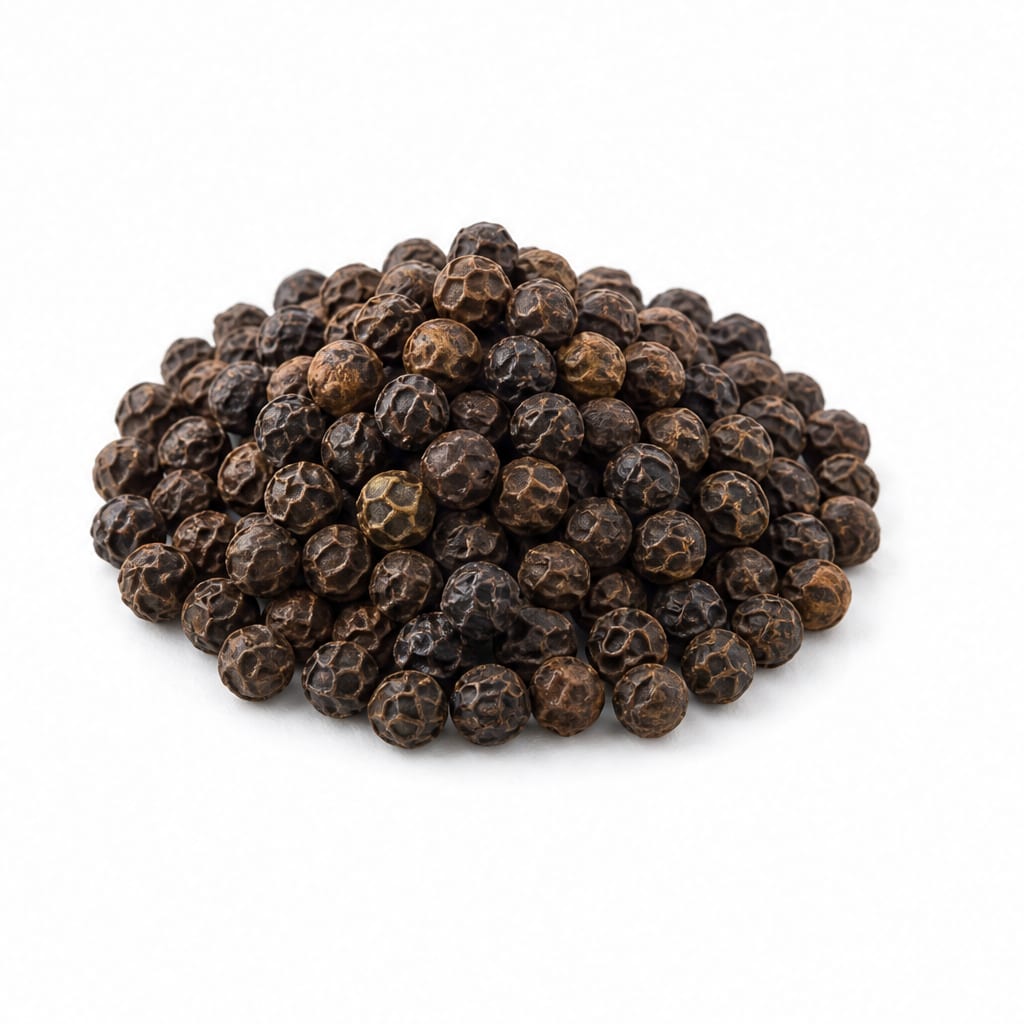
Compare with
Black Pepper
Black pepper enhances nutrient absorption, while garlic provides direct cardiovascular and prebiotic benefits.
Black pepper enhances nutrient absorption, while garlic provides direct cardiovascular and prebiotic benefits.
This food
Garlic
VS40% alike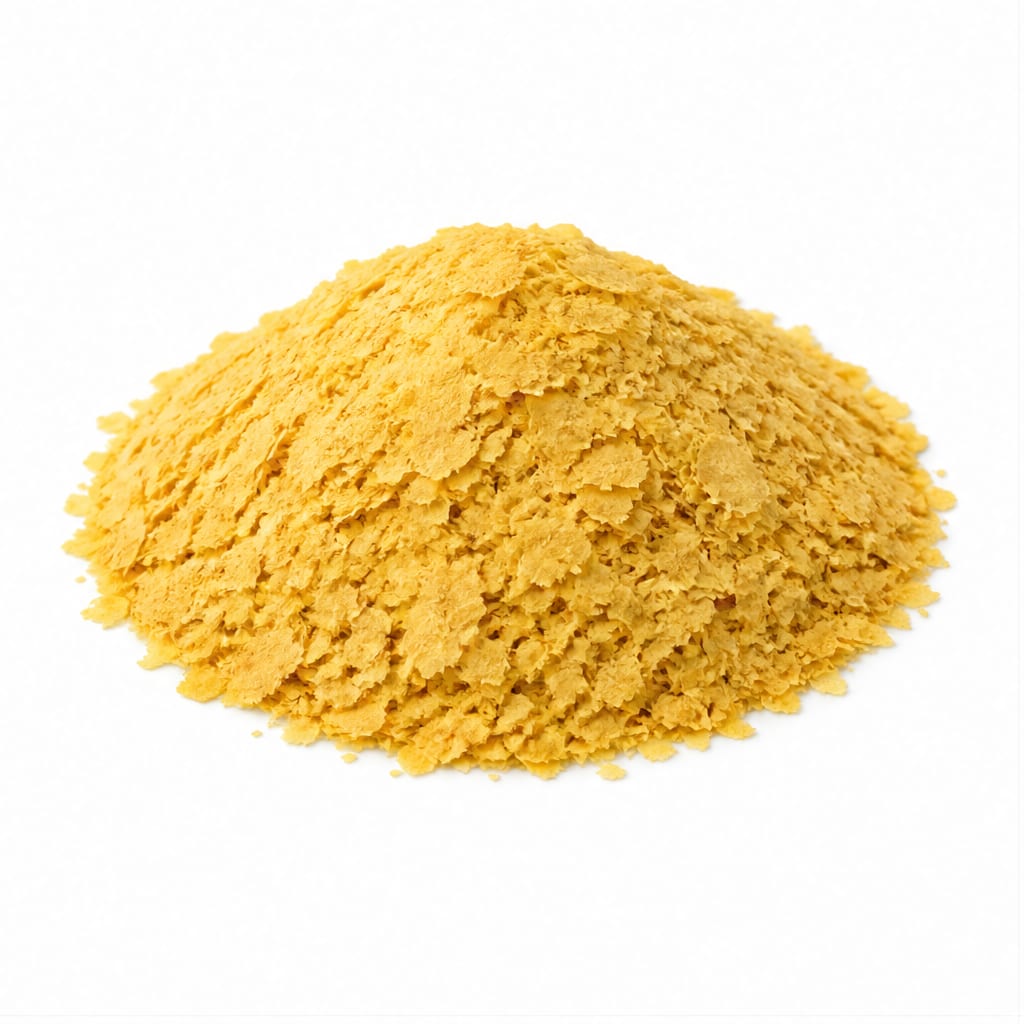
Compare with
Nutritional Yeast
Nutritional yeast provides B-vitamins and a cheesy flavor, while garlic provides sulfur compounds and a pungent kick.
Nutritional yeast provides B-vitamins and protein, while garlic provides sulfur compounds and intense low-calorie flavor.
This food
Garlic
VS50% alike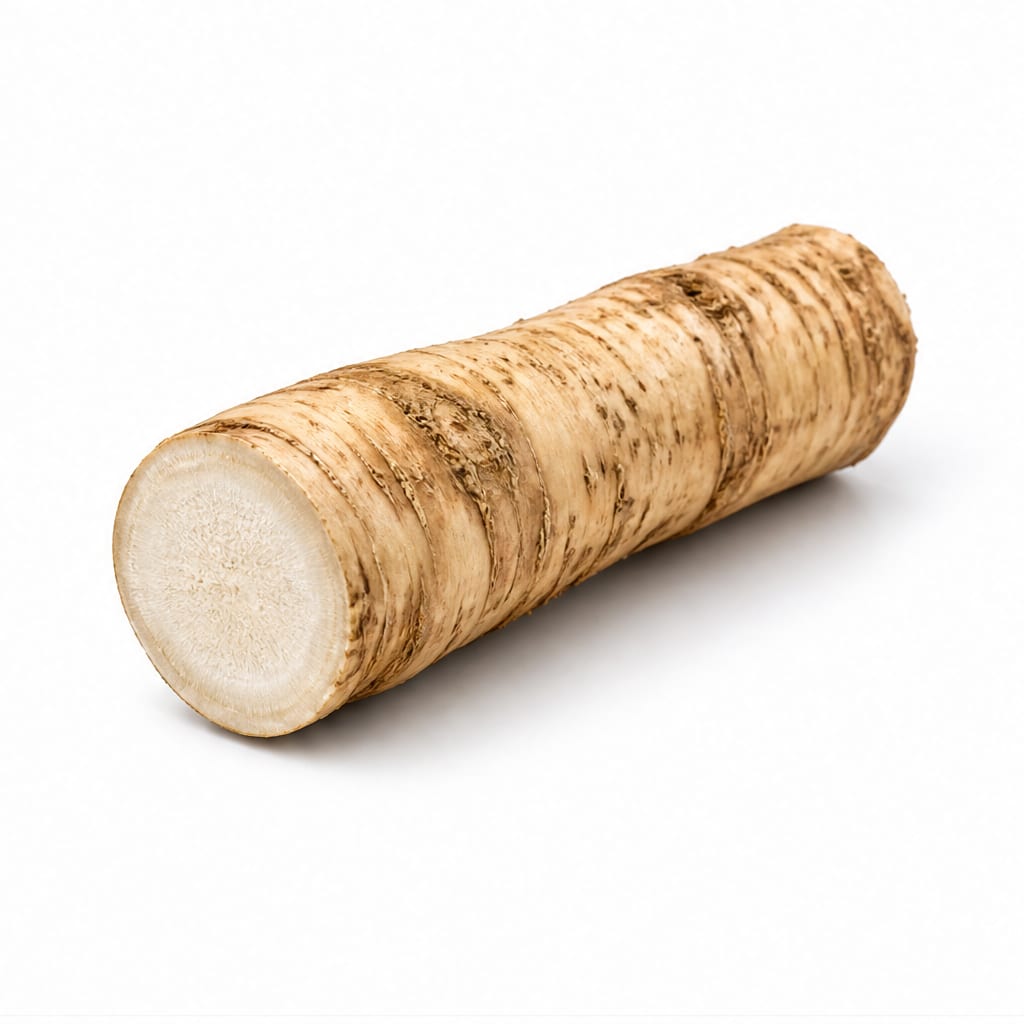
Compare with
Horseradish
Horseradish offers sinus-clearing heat, while garlic delivers broader cardiovascular and antimicrobial benefits.
Horseradish offers sinus-clearing heat and vitamin C, while garlic delivers broader cardiovascular and antimicrobial benefits.
Common questions
FAQ
Answers aligned with how people search for this food.
Is garlic good for high blood pressure?
Yes, studies show garlic, particularly aged garlic extract, can modestly reduce blood pressure due to its allicin content and sulfur compounds.
What happens if you eat garlic every day?
Eating garlic daily can support cardiovascular health, provide antioxidant benefits, and boost immune function, though excessive raw garlic may cause heartburn or digestive upset.
Does garlic help you lose weight?
Garlic is very low in calories and adds strong flavor to food without added fat or sugar, making it an excellent seasoning for weight loss diets.
Is garlic a prebiotic?
Yes, garlic contains fructooligosaccharides (fructans) which are prebiotic fibers that feed beneficial bacteria in the gut.
Can diabetics eat garlic?
Yes, garlic has a very low glycemic index and some evidence suggests it may help improve insulin sensitivity and regulate blood sugar levels.
Why let garlic sit after chopping?
Letting chopped or crushed garlic sit for about 10 minutes allows the enzyme alliinase to convert alliin into allicin, the compound responsible for most of garlic's health benefits.
Is raw garlic better than cooked?
Raw garlic retains more allicin, but cooking it after letting it sit for 10 minutes preserves some benefits while making it easier to digest.
Can garlic be toxic?
Garlic is safe in culinary amounts, but consuming extremely high doses of raw garlic can cause gastrointestinal distress, and improper storage in oil can lead to botulism.
Transparency
Data confidence
Estimated confidence for nutrition data, interpretation, safety notes, and comparisons.
Nutrition data
Health analysis
Food safety
Comparisons