
Nutrition comparison
Garlic vs Leeks: Which Allium Is Healthier for You?
Compare garlic and leeks side by side — immune power, digestion, heart health, and daily practicality. Learn which one fits your health goals and when to use both.
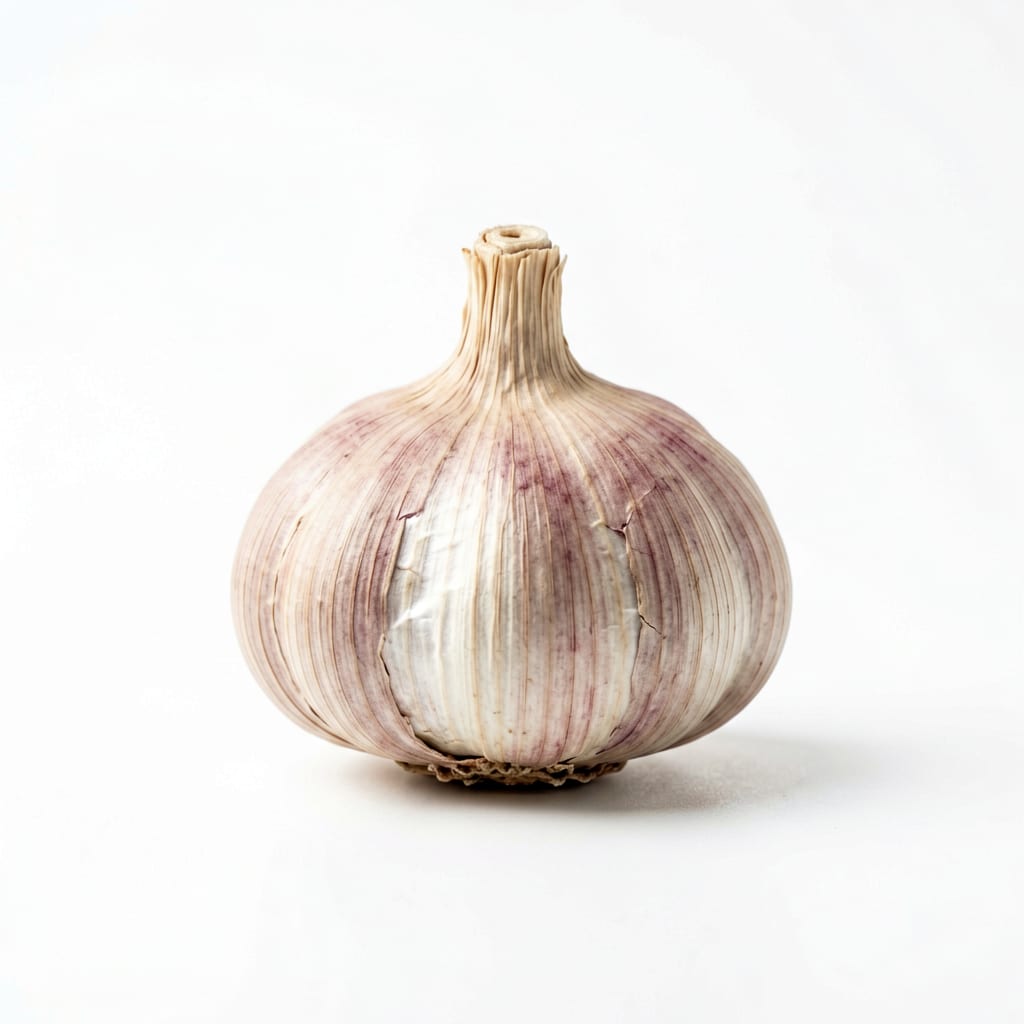
Garlic
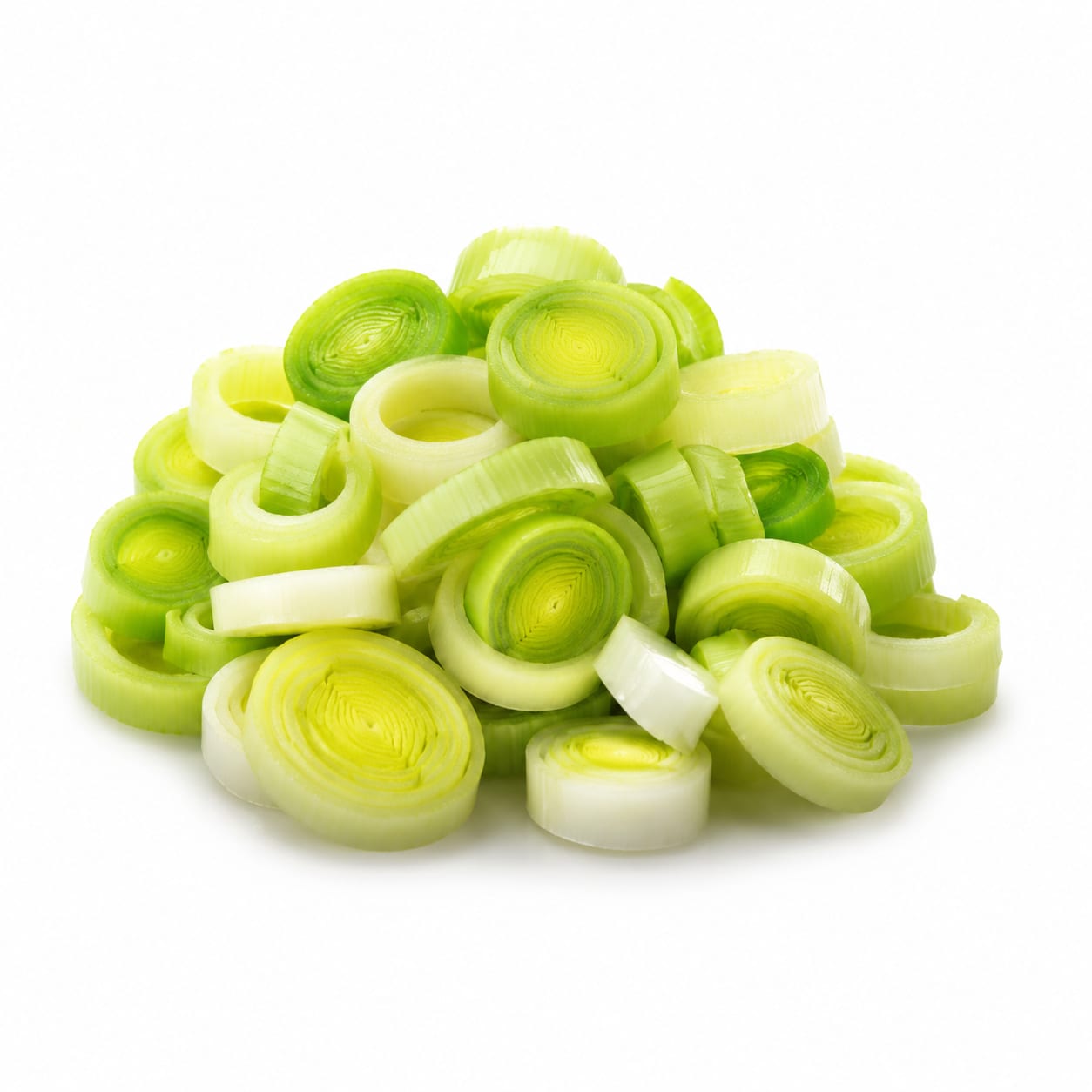
Leeks
Garlic wins for concentrated medicinal power and immune support; leeks win for gentle, eat-by-the-bowl nutrition and digestive comfort.
Garlic scores slightly higher for its unmatched medicinal potency per gram, but leeks close the gap by being a more substantial, gut-friendly vegetable you can actually eat in volume. The near-tie reflects that they fill different niches rather than competing directly.
Potent medicine in tiny doses versus mild nourishment in satisfying portions — they serve fundamentally different roles on your plate.
At a glance
Executive summary
Overall
It depends
Healthier
It depends
More practical
Garlic
Daily use
Leeks
Key comparison lenses
immune and antimicrobial potency
Garlic is renowned for allicin's antimicrobial power, making this the most lopsided and important distinction
everyday vegetable nutrition vs condiment nutrition
Leeks are eaten as a vegetable in cup-sized portions while garlic is used in teaspoons, making direct calorie-for-calorie comparison misleading without context
digestive tolerance and gut friendliness
Garlic is a common IBS trigger while leeks are generally gentler, a key real-world concern
heart health pathways
Both support cardiovascular health but through different mechanisms — allicin vs folate and flavonoids
practical kitchen versatility
Garlic is a near-universal flavor base; leeks serve a narrower but valuable culinary role
Best choice for
Garlic
- Immune system support during cold season
- Adding bold flavor without calories or sodium
- Antimicrobial and antibacterial needs
- Blood pressure management through allicin
Leeks
- Gentle fiber intake and digestive regularity
- Folate and vitamin K needs during pregnancy
- Low-flavor-impact base for soups and stews
- Eating as a satisfying vegetable side dish
Least suitable for
Garlic
- People with IBS or garlic intolerance
- Those on blood-thinning medications without doctor approval
- Anyone who finds strong flavors overwhelming
- Large-portion eating as a vegetable
Leeks
- Quick weeknight cooking when prep time matters
- Budget-conscious shoppers seeking cheap flavor bases
- Anyone needing potent antimicrobial food therapy
- Dishes where you want bold, punchy flavor
Deep comparison
Dimension by dimension
Each lens scores both foods and breaks down who each option suits.
- Dimension 1 · Priority 92Garlic
immune_and_antimicrobial_power
Garlic · 95Leeks · 42Garlic's allicin is one of nature's most potent antimicrobial compounds; leeks offer mild antioxidant support but nothing comparable.
Tradeoff
You get powerful germ-fighting from garlic but must tolerate its pungency and potential stomach irritation.
Why it matters
If you're reaching for food-as-medicine during illness, garlic is in a different league entirely.
Real-world impact
A daily clove of raw garlic during cold season can meaningfully reduce sick days; leeks won't move that needle much.
Garlic
- Fighting off early cold symptoms
- Daily immune maintenance in small doses
- Gut microbial balance through prebiotic fructans
Better for
- Sensitive stomachs during illness when you already feel nauseous
- People who find raw garlic caustic
Worse for
Leeks
- Gentle antioxidant support without irritation
- Vitamin A and K contributions to immune barriers
Better for
- Acute immune challenges requiring strong intervention
Worse for
- Dimension 2 · Priority 88Leeks
nutritional_density_per_realistic_serving
Garlic · 55Leeks · 82Per typical serving, leeks deliver far more vitamins, fiber, and minerals because you eat them in cup-sized portions versus garlic's teaspoon-sized doses.
Tradeoff
Garlic is incredibly nutrient-dense per gram, but nobody eats 100 grams of garlic. Leeks reward you for eating more.
Why it matters
Nutrition labels can mislead — garlic looks superior per 100g, but real meals tell a different story.
Real-world impact
A cup of cooked leeks gives you meaningful folate, vitamin K, and fiber. A clove of garlic gives you a trace of manganese and a lot of flavor.
Garlic
- Manganese and selenium per calorie
- Allicin-related sulfur compounds unavailable elsewhere
Better for
- Cannot serve as a nutritional vegetable side
Worse for
Leeks
- Folate for cell repair and pregnancy
- Vitamin K for bone and blood health
- Vitamin A for vision and skin
- Substantial fiber per serving
Better for
- Lower concentration of unique bioactive compounds per gram
Worse for
- Dimension 3 · Priority 80Leeks
digestive_tolerance
Garlic · 38Leeks · 72Garlic is a top IBS trigger and causes heartburn in many people; leeks are gentler though their fructans can still bother some.
Tradeoff
Garlic's medicinal power comes with digestive risk; leeks trade potency for comfort.
Why it matters
If you have a sensitive gut, garlic can cause bloating, gas, and pain that erases its benefits.
Real-world impact
Many people with IBS avoid garlic entirely. Leeks are often tolerated in moderate cooked portions.
Garlic
- Prebiotic stimulation of beneficial gut bacteria when tolerated
Better for
- Common trigger for IBS and FODMAP sensitivity
- Can cause heartburn, especially raw
- Garlic breath is a social downside
Worse for
Leeks
- Easier on sensitive stomachs when cooked
- Less likely to cause acid reflux
- More comfortable for daily eating
Better for
- Still contain fructans that bother some people
- Large portions can cause bloating
Worse for
- Dimension 4 · Priority 75Garlic
heart_health_support
Garlic · 85Leeks · 68Garlic has stronger evidence for blood pressure reduction and cholesterol improvement; leeks contribute through folate and flavonoids but less dramatically.
Tradeoff
Garlic acts more like a supplement for heart health; leeks are a heart-friendly food but not a therapeutic one.
Why it matters
For people managing hypertension, garlic has clinical-grade evidence behind it.
Real-world impact
Aged garlic extract has been shown to lower blood pressure comparably to some medications. Leeks support heart health as part of a vegetable-rich diet.
Garlic
- Blood pressure reduction via allicin
- Cholesterol modulation
- Blood-thinning effect reducing clot risk
Better for
- Blood-thinning can be dangerous before surgery
- Interacts with certain medications
Worse for
Leeks
- Folate lowering homocysteine levels
- Flavonoid kaempferol protecting blood vessels
- No blood-thinning risk for surgery patients
Better for
- Less dramatic measurable impact on cardiovascular markers
Worse for
- Dimension 5 · Priority 70Garlic
culinary_versatility_and_practicality
Garlic · 90Leeks · 60Garlic is a universal flavor foundation used across nearly every savory cuisine; leeks have a narrower but elegant role.
Tradeoff
Garlic goes in everything; leeks shine in specific dishes but require more prep and cost more.
Why it matters
Practicality determines what actually ends up in your meals day to day.
Real-world impact
Most home cooks reach for garlic daily. Leeks are more of a special-occasion ingredient for soups and gratins.
Garlic
- Works in nearly every savory dish globally
- Available cheaply year-round
- Stores for weeks without spoilage
- Minimal prep — peel and mince
Better for
- Can overpower delicate dishes
- Burns easily and becomes bitter
Worse for
Leeks
- Adds subtle sweetness garlic cannot replicate
- Creates creamy texture when cooked down
- Stars in elegant dishes like vichyssoise
Better for
- Requires thorough washing to remove hidden dirt
- More expensive per serving
- Shorter shelf life and more perishable
- Limited to certain cuisine styles
Worse for
- Dimension 6 · Priority 65Leeks
fiber_and_satiety
Garlic · 20Leeks · 78Leeks provide meaningful fiber per serving; garlic contributes negligible fiber because you eat so little of it.
Tradeoff
If you want fullness and gut regularity from your food, leeks deliver; garlic is not a fiber source.
Why it matters
Fiber is the most underconsumed nutrient in Western diets, and vegetable portions matter.
Real-world impact
A cup of leeks gives you about 1.6g of fiber toward your daily goal. Garlic gives you almost nothing.
Garlic
- Prebiotic inulin feeds gut bacteria even in small amounts
Better for
- Cannot contribute meaningfully to daily fiber targets
Worse for
Leeks
- Meaningful insoluble and soluble fiber per serving
- Contributes to daily fullness and regularity
- Supports satiety as part of a vegetable dish
Better for
- Still not a high-fiber champion compared to legumes or broccoli
Worse for
Timeline
Health impact over time
Short-term
Hours to days
Garlic
- Immediate antimicrobial action from raw allicin
- Potential heartburn or stomach burning from raw cloves
- Noticeable blood-thinning effect within hours
- Strong breath and body odor that persists for hours
Leeks
- Gentle digestive comfort from cooked portions
- Mild blood sugar stabilization from fiber
- Quick folate contribution toward daily needs
- Soothing, light feeling after eating
Long-term
Months to years
Garlic
- Consistent blood pressure reduction with daily intake
- Improved cholesterol markers over months
- Enhanced immune resilience with fewer colds
- Potential digestive damage if consumed excessively raw
Leeks
- Steady cardiovascular protection through folate and flavonoids
- Improved digestive regularity from consistent fiber
- Bone health support from vitamin K accumulation
- Reduced inflammation from kaempferol intake
Risk profile
Safety & processing
Both garlic and leeks are whole, unprocessed vegetables as typically purchased. Garlic is sometimes sold pre-minced in jars with preservatives — avoid those for maximum benefit. Fresh is best for both.
Garlic
Botulism in homemade garlic oil
highGarlic in oil at room temperature creates anaerobic conditions where botulism thrives. Always refrigerate and use within days.
Blood-thinning interaction
mediumGarlic compounds inhibit platelet aggregation. Stop concentrated garlic supplements 7-10 days before surgery.
Allergic contact dermatitis
lowSome people develop skin irritation from handling raw garlic, especially crushed.
Leeks
Pesticide residue in layered leaves
mediumLeeks frequently appear on the Dirty Dozen list. Pesticides get trapped between tight leaf layers. Buy organic when possible and wash thoroughly.
Hidden soil contamination
mediumDirt and bacteria hide between leek layers. Split and wash each layer under running water to avoid foodborne illness.
Fructan intolerance
lowLeeks contain fructans that trigger symptoms in FODMAP-sensitive individuals, though less severely than garlic.
Who wins for whom
Audience fit
Same foods, different winners depending on your goal.
children
LeeksLeeks are milder and more palatable for kids. Garlic's strong flavor and potential stomach irritation make it a harder sell to young eaters.
daily consumption
LeeksLeeks can be eaten daily as a vegetable without side effects. Daily garlic is beneficial for most but carries higher risk of digestive issues and drug interactions.
diabetes
GarlicGarlic has stronger evidence for improving insulin sensitivity and reducing fasting blood sugar. Leeks help through fiber but less directly.
elderly
LeeksLeeks offer gentle fiber and folate without the digestive irritation or blood-thinning risks that make garlic problematic for seniors on medications.
muscle gain
It dependsNeither is a protein source. Garlic may slightly improve circulation for nutrient delivery; leeks provide folate for cell repair. Both are supporting actors, not stars.
weight loss
LeeksLeeks provide bulk, fiber, and satiety as a low-calorie vegetable you can eat in volume. Garlic adds flavor without calories but does not fill you up.
Your move
Decision guide
Choose Garlic
- You want potent immune support, especially during cold and flu season
- You are managing blood pressure and want a food-based approach
- You need bold flavor without adding sodium or calories
- You tolerate garlic well and enjoy its taste
Choose Leeks
- You have a sensitive stomach or IBS and need a gentler allium
- You want a vegetable you can eat in satisfying portions
- You are pregnant or trying to conceive and need folate
- You prefer subtle, sweet flavors over pungent intensity
Either works if
- You want cardiovascular protective foods in your diet
- You are building flavor bases for soups and stews
- You are eating a vegetable-forward anti-inflammatory diet
Avoid both if
- You have a confirmed allium allergy
- You are on blood thinners and have not consulted your doctor about garlic intake
- You are preparing for surgery within the next week
Final recommendation
Use both. Garlic as your daily medicinal flavor bomb — one or two cloves cooked into meals. Leeks as your gentle, nourishing vegetable — a cup in soup or sautéed as a side. They complement rather than compete. If you must pick one for health impact, garlic wins on potency. If you must pick one for everyday eating comfort, leeks win on gentleness.
Practical
Consumer tips
- 1
Let crushed garlic sit for 10 minutes before cooking to activate allicin fully — heat destroys the enzyme if applied too soon
- 2
Roasting garlic mellows its bite and makes it spreadable like butter on bread
- 3
Split leeks lengthwise and fan the layers under running water to remove hidden dirt
- 4
Buy organic leeks when possible — they consistently rank high for pesticide residue
- 5
Freeze minced garlic in olive oil in ice cube trays for convenient cooking portions
- 6
Use leek greens for homemade stock — they add depth that rivals garlic