
Nutrition comparison
Garlic vs Garlic Powder: Nutrition, Flavor, and Which to Use When
Fresh garlic delivers more allicin and complex flavor. Garlic powder offers convenience and shelf stability. Compare health benefits, taste, and practical tradeoffs to decide which belongs in your kitchen.
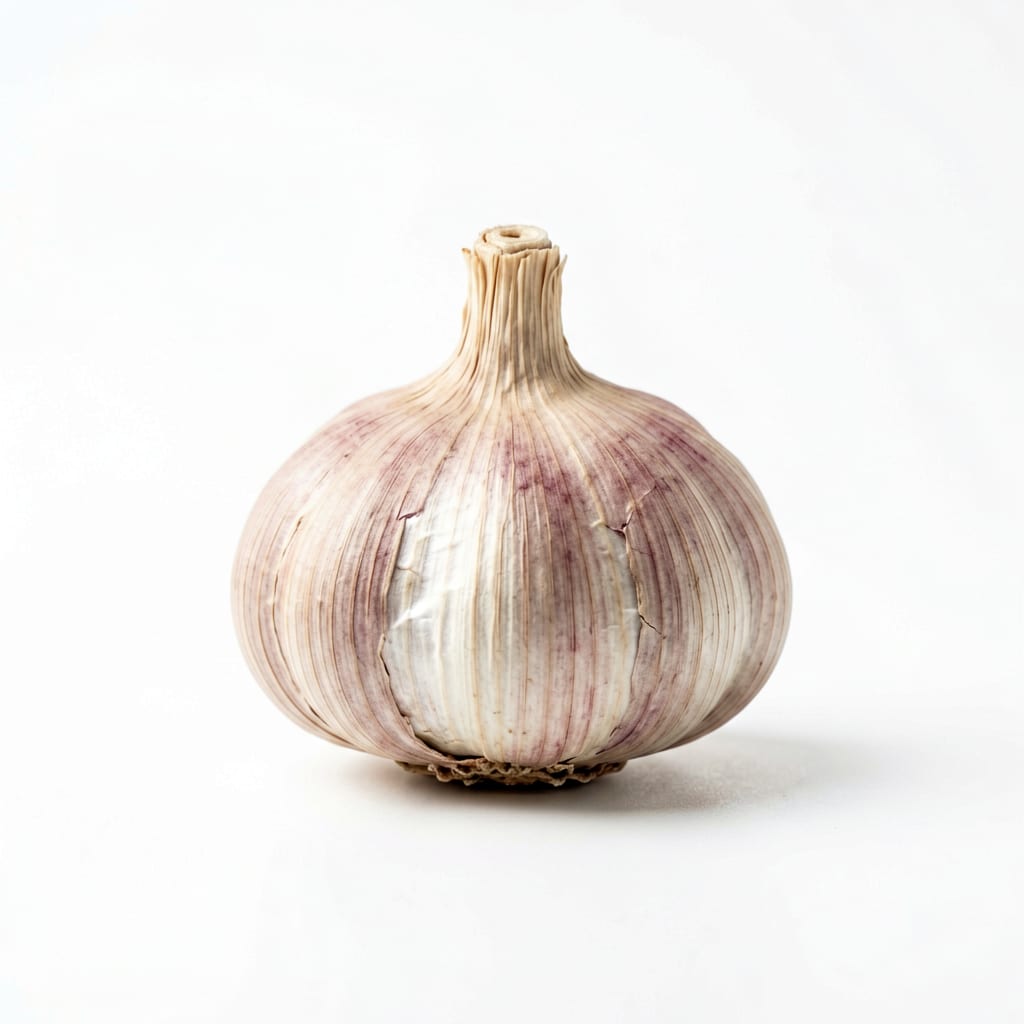
Garlic
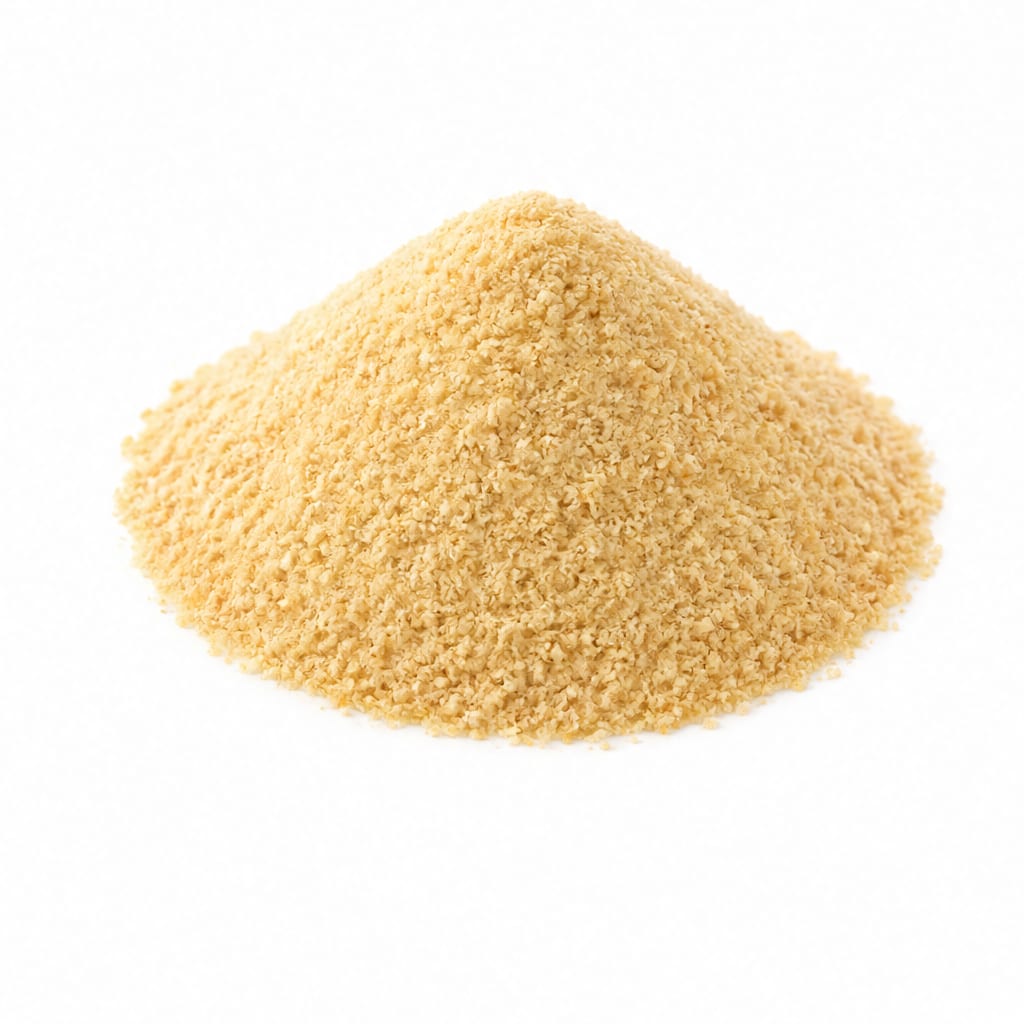
Garlic Powder
Fresh garlic wins on health benefits and flavor depth. Garlic powder wins on convenience, shelf stability, and consistency. Most kitchens benefit from having both.
Fresh garlic scores higher due to superior allicin content, richer flavor, and zero processing. Garlic powder closes the gap significantly through unmatched convenience and practicality. The modest gap reflects that both serve different but legitimate purposes.
Maximum allicin and vibrant flavor versus speed, consistency, and zero waste.
At a glance
Executive summary
Overall
It depends
Healthier
Garlic
More practical
Garlic Powder
Daily use
It depends
Key comparison lenses
nutrient preservation and allicin availability
Fresh garlic produces allicin when crushed, its most prized bioactive compound. Garlic powder loses significant allicin potential during dehydration and storage.
convenience and everyday usability
Garlic powder is shelf-stable and ready in seconds. Fresh garlic requires peeling, mincing, and hands that smell for hours. This tradeoff drives most real-world decisions.
flavor quality and cooking versatility
Fresh garlic delivers complex, layered flavor that changes with cooking method. Garlic powder offers consistent but flatter flavor, better for dry rubs and quick seasoning.
processing and additive concerns
Some garlic powders contain anti-caking agents or added salt. Fresh garlic is a single-ingredient whole food with no hidden additives.
shelf life and food waste
Fresh garlic sprouts, softens, or molds within weeks. Garlic powder lasts months to years, reducing waste for infrequent cooks.
Best choice for
Garlic
- People seeking maximum cardiovascular and immune benefits
- Home cooks who value layered, complex flavor
- Anyone avoiding processed or additive-containing foods
- Raw applications like dressings, dips, and marinades
Garlic Powder
- Busy weeknight cooks who need flavor in seconds
- Camping, travel, or any situation without refrigeration
- Dry rubs, spice blends, and baked seasoning mixes
- People who frequently waste fresh garlic because it goes bad
Least suitable for
Garlic
- Quick meal prep where peeling and mincing feels like a barrier
- Dry spice rubs and seasoning blends where moisture is unwanted
- Infrequent cooks who cannot use a bulb before it spoils
Garlic Powder
- Raw preparations where fresh garlic flavor is central
- People strictly avoiding any processed or dehydrated foods
- Dishes where garlic is the star ingredient rather than background seasoning
Deep comparison
Dimension by dimension
Each lens scores both foods and breaks down who each option suits.
- Dimension 1 · Priority 95Garlic
allicin_and_bioactive_compounds
Garlic · 92Garlic Powder · 38Fresh garlic produces allicin when its cells are damaged by crushing or chopping. Dehydration and grinding destroy most allicin-forming enzymes in garlic powder.
Tradeoff
You sacrifice the majority of garlic's signature health compound for shelf stability and convenience.
Why it matters
Allicin is linked to garlic's cardiovascular, antimicrobial, and anti-inflammatory benefits. Without it, garlic powder functions more as flavoring than functional food.
Real-world impact
If you are eating garlic specifically for heart health or immune support, fresh is meaningfully more effective. Let crushed fresh garlic sit for 10 minutes before cooking to maximize allicin formation.
Garlic
- Cardiovascular protection
- Immune system support
- Antimicrobial benefits
- Anti-inflammatory effects
Better for
- Allicin degrades quickly with high heat, so long cooking reduces the gap
Worse for
Garlic Powder
- Consistent dosing if using standardized supplements
Better for
- Most allicin potential lost during manufacturing
- Enzymatic activity essentially destroyed
Worse for
- Dimension 2 · Priority 88Garlic Powder
convenience_and_speed
Garlic · 35Garlic Powder · 95Garlic powder is ready instantly with no peeling, sticky fingers, or lingering smell. Fresh garlic requires multiple prep steps and cleanup.
Tradeoff
The 30 seconds saved per meal adds up, but you lose the aromatic complexity that makes cooking feel rewarding.
Why it matters
When convenience is the barrier between cooking at home and ordering takeout, garlic powder removes friction that matters.
Real-world impact
On a tired Tuesday night, reaching for garlic powder can mean the difference between actually cooking and grabbing fast food. That real-world win counts.
Garlic
- Recipes where the ritual of prep is enjoyable
- Dishes where you want the aroma to fill the kitchen
Better for
- Peeling and mincing adds 2-3 minutes per meal
- Garlic smell lingers on fingers for hours
- Sticky residue on knives and cutting boards
Worse for
Garlic Powder
- Weeknight rush cooking
- Seasoning blends and dry rubs
- Situations without cutting boards or knives available
Better for
- Easy to over-pour since it is more concentrated than expected
Worse for
- Dimension 3 · Priority 82Garlic
flavor_complexity_and_cooking_versatility
Garlic · 90Garlic Powder · 62Fresh garlic delivers sweet, pungent, and savory notes that transform with cooking time. Garlic powder provides consistent but one-dimensional garlic flavor.
Tradeoff
Fresh garlic rewards technique and attention. Garlic powder offers reliable, repeatable results with zero skill required.
Why it matters
The difference is noticeable in simple dishes where garlic is prominent. In complex sauces with many spices, the gap shrinks.
Real-world impact
Roasted garlic spread on bread is a completely different experience than garlic powder butter. But in a 15-ingredient chili, no one can tell which you used.
Garlic
- Sautéed dishes where garlic blooms in oil
- Raw applications like Caesar dressing or tzatziki
- Roasted whole cloves as a side dish
- Any dish where garlic is a primary flavor
Better for
- Burns easily in hot oil, turning bitter
- Inconsistent mince size affects even cooking
Worse for
Garlic Powder
- Dry rubs for grilled meats
- Homemade seasoning blends like taco seasoning
- Bread dipping oil mixtures
- Quick pan sauces where you forgot fresh garlic
Better for
- Cannot be roasted or caramelized
- Clumps in liquids if not dissolved properly
- Lacks the sweetness that develops with slow cooking
Worse for
- Dimension 4 · Priority 70Garlic Powder
shelf_life_and_waste_reduction
Garlic · 30Garlic Powder · 95Garlic powder lasts 1-2 years in the pantry. Fresh garlic lasts 1-3 months and often sprouts or molds before being fully used.
Tradeoff
Fresh garlic demands attention and timely use. Garlic powder asks nothing and waits indefinitely.
Why it matters
Food waste is both expensive and demoralizing. If you cook irregularly, fresh garlic may become garbage more often than ingredients.
Real-world impact
A jar of garlic powder you reach for twice a month will still be good a year later. That bulb of fresh garlic in your fridge door has maybe two weeks before it starts growing green shoots.
Garlic
- Frequent cooks who use garlic daily and cycle through bulbs quickly
Better for
- Sprouting reduces flavor quality
- Mold can develop invisibly under skins
- Soft cloves indicate spoilage and should be discarded
Worse for
Garlic Powder
- Occasional cooks
- Small households that cannot use a full bulb quickly
- Emergency pantry staples for unexpected meals
- Camping and travel cooking
Better for
- Flavor degrades slowly over many months
- Clumping can make portion control inconsistent
Worse for
- Dimension 5 · Priority 75Garlic
additive_and_processing_concerns
Garlic · 98Garlic Powder · 55Fresh garlic is a whole food with one ingredient. Garlic powder is dehydrated and ground, and some brands add anti-caking agents or salt.
Tradeoff
The processing required to make garlic shelf-stable introduces potential additives and reduces nutrient density, even in pure versions.
Why it matters
For clean-eating advocates, this is the clearest distinction. Even high-quality garlic powder undergoes industrial dehydration that alters its natural state.
Real-world impact
Reading the ingredient label on garlic powder matters. Some brands are just garlic. Others contain silicon dioxide, calcium stearate, or added sodium. Always check.
Garlic
- Whole food purists
- Anyone avoiding hidden sodium
- People sensitive to anti-caking agents
Better for
- No concerns — it is a whole, unprocessed food
Worse for
Garlic Powder
- Not applicable — fresh garlic always wins on cleanliness of ingredients
Better for
- Risk of hidden additives depending on brand
- Some products labeled garlic powder include salt
- Industrial dehydration reduces volatile beneficial compounds
Worse for
- Dimension 6 · Priority 55Garlic Powder
cost_effectiveness
Garlic · 60Garlic Powder · 78Per serving, garlic powder is cheaper because it is more concentrated and never spoils. Fresh garlic is affordable upfront but waste increases the real cost.
Tradeoff
Fresh garlic feels cheaper at the store but costs more per usable serving if you throw half of it away.
Why it matters
For budget-conscious households, the true cost includes what ends up in the compost bin.
Real-world impact
A $0.50 bulb where you use two cloves and throw away the rest costs more per meal than a $4 jar of garlic powder that lasts 100 servings.
Garlic
- Daily cooks who use entire bulbs quickly
- Bulk buyers at farmers markets with low per-bulb prices
Better for
- Waste from spoilage inflates real cost significantly
Worse for
Garlic Powder
- Infrequent users who cannot finish fresh bulbs
- Cost per serving calculations when waste is factored in
Better for
- Premium or organic brands can be surprisingly expensive
Worse for
Timeline
Health impact over time
Short-term
Hours to days
Garlic
- Fresh crushed garlic may help reduce cold duration when consumed at first signs of illness
- Can cause mild digestive discomfort or heartburn in sensitive individuals, especially raw
- Topical application may cause skin irritation or burns due to allicin potency
Garlic Powder
- Provides consistent but milder antimicrobial and flavor benefits
- Less likely to cause digestive upset since allicin content is minimal
- Convenient enough to encourage more frequent use, which may compound modest benefits over time
Long-term
Months to years
Garlic
- Regular consumption linked to modest blood pressure reduction in clinical studies
- Associated with improved cholesterol markers when consumed consistently
- Allicin and related compounds may support immune function over months and years
- Anti-inflammatory properties may contribute to reduced chronic disease risk
Garlic Powder
- Retains some antioxidant capacity but significantly less than fresh
- May still contribute trace minerals like manganese and vitamin B6
- Convenience may support more consistent dietary flavor without added salt or fat
- Long-term health benefits are weaker but not absent
Risk profile
Safety & processing
Fresh garlic is a whole food straight from the ground. Garlic powder undergoes slicing, dehydration, and grinding, which preserves some nutrients but destroys heat-sensitive compounds like the alliinase enzyme needed for allicin formation. The additive concern for garlic powder is brand-dependent — pure versions exist, but many commercial products include anti-caking agents or added salt.
Garlic
Botulism from improper oil storage
highStoring fresh garlic in oil at room temperature creates an anaerobic environment where Clostridium botulinum can produce deadly toxin. Always refrigerate garlic-in-oil and use within a week.
Mold growth on aging bulbs
mediumAs garlic ages and softens, mold can develop under the skin. Discard any cloves that feel soft, show green mold, or smell off.
Sprouting and quality decline
lowGreen sprouts indicate aging but are not dangerous. They taste bitter and can be removed before cooking.
Garlic Powder
Hidden sodium content
mediumSome garlic powder products, especially those labeled garlic salt, contain significant added sodium. Check labels carefully if managing blood pressure.
Anti-caking agent sensitivities
lowSilicon dioxide and calcium stearate are generally recognized as safe but may concern individuals avoiding food additives entirely.
Clumping and moisture contamination
lowIf moisture enters the container, garlic powder can clump and potentially develop mold. Always use dry utensils.
Who wins for whom
Audience fit
Same foods, different winners depending on your goal.
children
Garlic PowderGarlic powder provides milder, more evenly distributed flavor that is less likely to overwhelm young palates. It also avoids the risk of a child biting into an unexpected raw garlic piece.
daily consumption
It dependsFresh garlic is better if you cook daily and can use it before it spoils. Garlic powder is better if your cooking is irregular or you need quick seasoning without prep.
diabetes
GarlicFresh garlic shows modest evidence for improved insulin sensitivity and blood sugar regulation. Allicin appears to play a role in these metabolic benefits.
elderly
GarlicCardiovascular and anti-inflammatory benefits of fresh allicin are most relevant for older adults. Those with arthritis or dexterity issues may still prefer powder for ease of use.
muscle gain
It dependsNeither food is relevant for muscle gain in meaningful quantities. Both serve as flavor tools for protein-rich meals.
weight loss
It dependsBoth are essentially zero-calorie flavor enhancers. Fresh garlic has a slight edge for metabolic benefits from allicin, but garlic powder's convenience may encourage more home cooking instead of higher-calorie takeout.
Your move
Decision guide
Choose Garlic
- You cook most days and can use a bulb before it ages
- You specifically want cardiovascular or immune health benefits from allicin
- Flavor quality is a priority and you enjoy the cooking process
- You eat raw garlic preparations like dressings, hummus, or bruschetta regularly
- You avoid processed foods and additives as a general principle
Choose Garlic Powder
- You cook infrequently and waste fresh garlic more often than you use it
- Speed and convenience are non-negotiable on busy weeknights
- You make dry rubs, spice blends, or seasoned salts
- You need a reliable pantry staple that never lets you down
- You are camping, traveling, or living somewhere without reliable refrigeration
Either works if
- You are making a complex dish with many competing flavors where the difference is invisible
- You want garlic flavor but do not care about maximizing health benefits
- Cost per serving is your primary concern and you use garlic moderately
Avoid both if
- You have a garlic allergy or intolerance, which is rare but serious
- You are on blood-thinning medications and your doctor has advised limiting garlic intake
- You experience significant GERD or IBS symptoms triggered by alliums
Final recommendation
Keep both in your kitchen. Use fresh garlic when you have the time and the dish deserves it — especially raw preparations, simple sautés, and anything where garlic is a star. Use garlic powder for rushed weeknights, dry seasoning blends, and as a backup when fresh has spoiled. The health gap matters if you are eating garlic specifically for medicinal benefits. For everyday flavor, both do the job well enough that convenience should guide your choice.
Practical
Consumer tips
- 1
Crush or mince fresh garlic and let it sit for 10 minutes before cooking to maximize allicin formation — the enzyme needs time to work
- 2
Buy garlic powder with only one ingredient on the label: garlic. Avoid products with added salt, silicon dioxide, or calcium stearate when possible
- 3
Store fresh garlic in a cool, dark, dry place with airflow — not in the refrigerator, which accelerates sprouting
- 4
Replace garlic powder every 6-8 months for best flavor, even though it is technically safe longer
- 5
Use roughly 1/8 teaspoon of garlic powder per clove of fresh garlic as a substitution ratio
- 6
Freeze peeled fresh garlic cloves in a small container if you cannot use a full bulb quickly — texture changes slightly but flavor remains strong
- 7
Smell your garlic powder before using — if the aroma is faint, it has lost potency and you may need more than usual