
Nutrition comparison
Garlic vs Black Pepper: Which Spice Is Healthier for Daily Use?
Compare garlic and black pepper for health benefits, safety, and daily use. Learn which spice is better for immunity, heart health, and nutrient absorption.
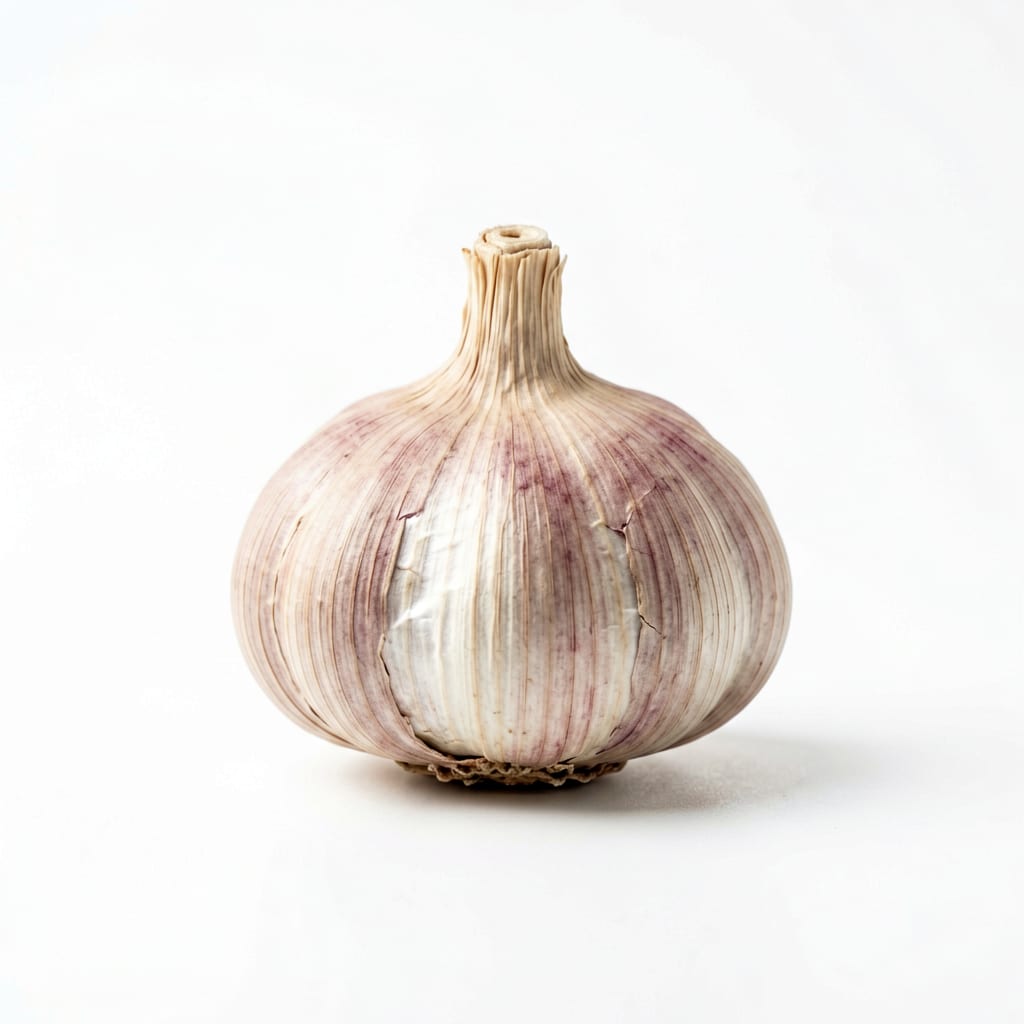
Garlic
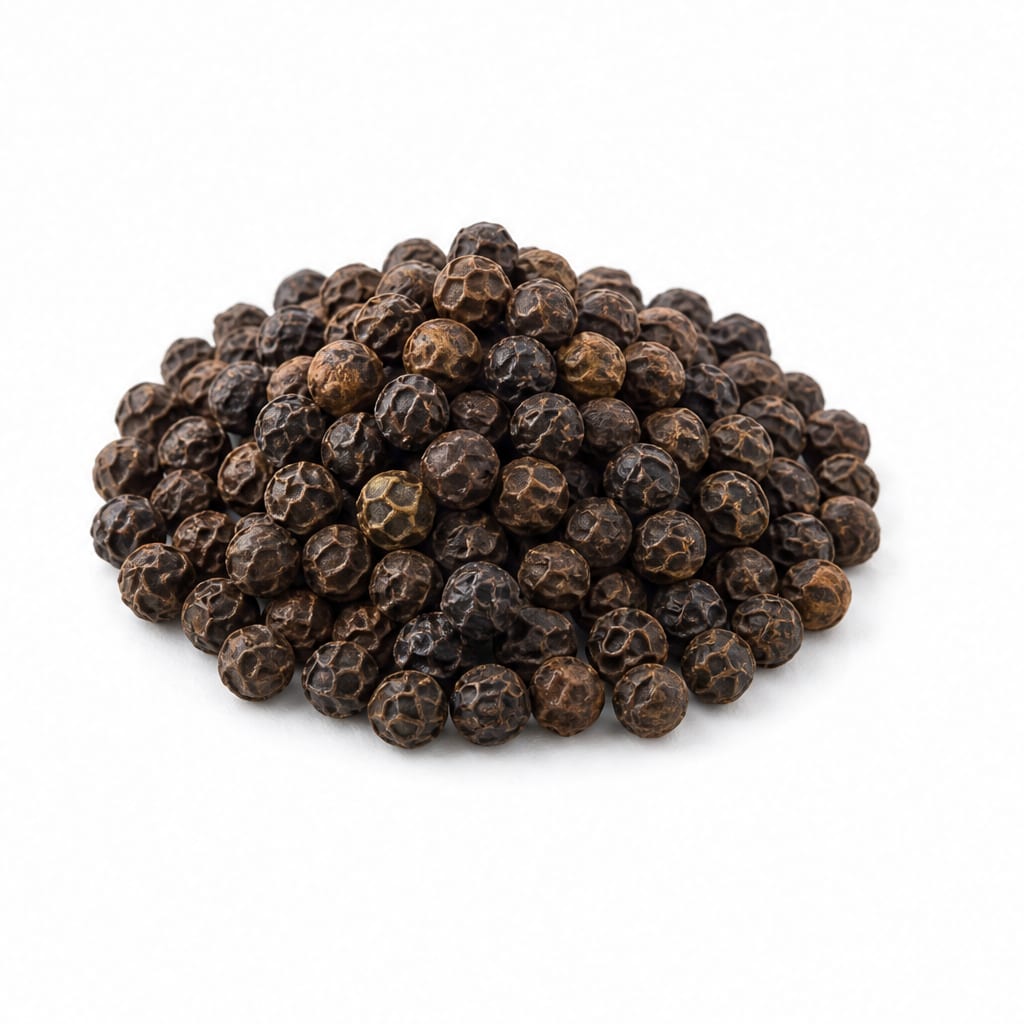
Black Pepper
Garlic is the stronger medicine; black pepper is the smarter daily utility player. They serve completely different purposes on your plate.
Garlic scores slightly higher for direct medicinal impact, but black pepper's role as a bioavailability enhancer and its superior daily tolerability keep it close. The real answer depends on what you need the spice to do for you.
Garlic delivers more direct health benefits but comes with digestive risks and social downsides, while black pepper quietly makes everything else you eat work better
At a glance
Executive summary
Overall
It depends
Healthier
Garlic
More practical
Black Pepper
Daily use
Black Pepper
Key comparison lenses
medicinal potency and bioactive compound strength
Both are prized for therapeutic compounds—allicin in garlic and piperine in black pepper—but they work very differently in the body
daily seasoning safety and tolerability
Users want to know which spice they can use liberally every day without side effects or interactions
nutrient absorption enhancement
Black pepper is famous for boosting bioavailability of other nutrients, a unique advantage garlic lacks
cardiovascular and immune health support
Garlic has stronger evidence for heart health and immunity, making it a go-to functional food
digestive tolerance and GI impact
Garlic can cause heartburn and GI upset in sensitive people, while black pepper is generally gentler
Best choice for
Garlic
- People wanting immune system support during cold season
- Anyone looking to support healthy cholesterol levels naturally
- Those who benefit from garlic's antimicrobial properties
- Home cooks making savory dishes where garlic is a flavor base
Black Pepper
- Anyone taking turmeric or other supplements needing absorption enhancement
- People with sensitive stomachs who still want flavor
- Those who want a zero-hassle daily seasoning with no social downsides
- Meal preppers wanting versatile spice that pairs with everything
Least suitable for
Garlic
- People on blood thinners like warfarin
- Those with GERD or acid reflux triggered by alliums
- Anyone heading to close-quarters social events
- People with IBS who react to fermentable carbohydrates
Black Pepper
- People avoiding all spice due to ulcer conditions
- Those on medications that interact with piperine metabolism
- Anyone with a confirmed pepper allergy
Deep comparison
Dimension by dimension
Each lens scores both foods and breaks down who each option suits.
- Dimension 1 · Priority 95Garlic
Medicinal Potency
Garlic · 92Black Pepper · 65Garlic is one of the most clinically validated functional foods, with strong evidence for cardiovascular and immune benefits. Black pepper's piperine has interesting properties but less direct therapeutic impact.
Tradeoff
Garlic's allicin is powerful but unstable—it degrades quickly with cooking. Black pepper's piperine is heat-stable and enhances other compounds, making it a team player rather than a star.
Why it matters
If you're choosing a spice specifically for health outcomes, garlic has more peer-reviewed evidence behind it for measurable benefits like blood pressure reduction.
Real-world impact
Regular garlic consumption may lower blood pressure by 5-8%, comparable to some medications. Black pepper's direct health effects are subtler and harder to feel day-to-day.
Garlic
- Lowering blood pressure naturally
- Reducing cold duration and severity
- Fighting bacterial and fungal infections
Better for
- Benefits drop sharply if overcooked or pre-mined jars are used
- Raw garlic needed for maximum allicin is harsh on stomachs
Worse for
Black Pepper
- Making turmeric's curcumin absorb 2000% better
- Enhancing selenium and B-vitamin absorption
- Supporting other supplements you already take
Better for
- Does not deliver strong standalone therapeutic effects
- Piperine can interfere with how your liver processes certain medications
Worse for
- Dimension 2 · Priority 90Black Pepper
Daily Tolerability
Garlic · 55Black Pepper · 88Black pepper is easy on most digestive systems and has no social stigma. Garlic can cause heartburn, body odor, and breath that lingers for hours.
Tradeoff
Garlic's sulfur compounds that create odor are the same ones delivering health benefits. You cannot separate the medicine from the smell.
Why it matters
A supplement or seasoning you avoid using is worthless. Black pepper's neutrality makes it a more reliable daily habit.
Real-world impact
You can shake black pepper on every meal without thinking. Garlic requires portion awareness, cooking consideration, and sometimes social planning.
Garlic
- Garlic breath can last 24+ hours
- Common trigger for heartburn and GERD
- Raw garlic can cause nausea on empty stomach
Worse for
Black Pepper
- No breath or body odor concerns
- Rarely triggers acid reflux
- Easy to use generously without second-guessing
Better for
- Dimension 3 · Priority 85Black Pepper
Nutrient Synergy
Garlic · 45Black Pepper · 94Black pepper's piperine is one of nature's best bioavailability enhancers. It makes other nutrients more absorbable. Garlic works well alone but does not boost other foods' absorption.
Tradeoff
Black pepper's value multiplies when combined with other healthy foods. Garlic's value is more self-contained.
Why it matters
If you eat nutrient-rich foods, black pepper helps you actually absorb what you pay for. This is especially critical for fat-soluble vitamins and curcumin.
Real-world impact
Adding black pepper to a turmeric golden milk or a nutrient-dense salad means you get more from what you already eat. Garlic adds its own benefits but does not amplify others.
Garlic
- Does not meaningfully enhance absorption of companion nutrients
Worse for
Black Pepper
- Turmeric and curcumin absorption
- Fat-soluble vitamin uptake from meals
- Selenium and beta-carotene bioavailability
Better for
- Dimension 4 · Priority 78Garlic
Anti-inflammatory Impact
Garlic · 82Black Pepper · 68Both have anti-inflammatory properties, but garlic's allicin and sulfur compounds have more robust evidence for reducing inflammatory markers.
Tradeoff
Garlic's anti-inflammatory effect is stronger but requires consistent intake of properly prepared garlic. Black pepper's is gentler but more consistent since it is easier to consume daily.
Why it matters
Chronic inflammation drives most modern disease. Small daily anti-inflammatory inputs compound over decades.
Real-world impact
People eating garlic regularly show lower CRP and IL-6 markers. Black pepper helps, but the effect size is smaller and harder to measure in isolation.
Garlic
- Reducing systemic inflammation markers
- Joint discomfort support
- Post-exercise inflammation recovery
Better for
Black Pepper
- Low-effort daily anti-inflammatory maintenance
Better for
- Less potent when used alone for inflammation
Worse for
- Dimension 5 · Priority 72Black Pepper
Culinary Versatility
Garlic · 70Black Pepper · 85Black pepper goes on virtually everything from eggs to fruit to soup. Garlic dominates savory dishes but feels wrong in many contexts.
Tradeoff
Garlic defines cuisines but is polarizing. Black pepper is the most universally accepted seasoning in the world.
Why it matters
The more ways you can use a healthy ingredient, the more often you actually consume it.
Real-world impact
Black pepper goes on your morning eggs, lunch salad, and dinner steak without feeling repetitive. Garlic works in dinner dishes but feels excessive at breakfast for most people.
Garlic
- Mediterranean and Asian cuisine foundations
- Roasted vegetable dishes
- Soups and stews where garlic is a base note
Better for
- Does not work in most breakfast foods
- Overpowering in delicate dishes
- Flavor fatigue if overused
Worse for
Black Pepper
- Universal table seasoning
- Works across all meal times
- Pairs with both savory and some sweet dishes
Better for
Timeline
Health impact over time
Short-term
Hours to days
Garlic
- May cause heartburn or burning sensation in sensitive individuals
- Raw garlic can produce noticeable body odor within hours
- Can temporarily lower blood pressure, which matters if already on medication
- May cause mild nausea if consumed raw on empty stomach
Black Pepper
- Can trigger sneezing or throat irritation if inhaled
- Mild digestive stimulation shortly after consumption
- Virtually unnoticeable at normal culinary amounts
Long-term
Months to years
Garlic
- Consistent intake associated with lower cardiovascular disease risk
- May reduce frequency and severity of common colds by roughly 30%
- Supports healthy cholesterol levels when consumed regularly
- Potential blood-thinning effect that compounds with age
Black Pepper
- Enhanced absorption of nutrients from your overall diet
- May support gut microbiome diversity over time
- Mild anti-inflammatory contribution that accumulates
- Piperine may affect how liver enzymes process certain medications long-term
Risk profile
Safety & processing
Both are whole, natural spices when purchased in their unadulterated forms. Pre-mined jarred garlic and pre-ground pepper lose potency and may contain preservatives, so fresh is always better for both.
Garlic
Blood thinner interaction
highGarlic compounds inhibit platelet aggregation. Combined with warfarin or aspirin, this increases bleeding risk significantly. Tell your doctor before surgery.
Botulism in improper storage
mediumGarlic stored in oil at room temperature creates anaerobic conditions where Clostridium botulinum thrives. Always refrigerate garlic-in-oil preparations.
GERD and digestive irritation
mediumRaw garlic is a common trigger for acid reflux and IBS symptoms. Cooking reduces but does not eliminate this risk.
Black Pepper
Drug metabolism interference
mediumPiperine inhibits CYP3A4 and P-glycoprotein, enzymes that process many common medications. This can increase blood levels of drugs like phenytoin and theophylline.
Adulteration with cheaper fillers
lowPre-ground black pepper is occasionally adulterated with papaya seeds or other fillers. Buying whole peppercorns eliminates this risk.
Who wins for whom
Audience fit
Same foods, different winners depending on your goal.
children
Black PepperBlack pepper is milder and less likely to cause digestive upset in kids, while garlic's strong flavor and potential stomach irritation make it harder for children to tolerate
daily consumption
Black PepperBlack pepper can be used at every meal without side effects, social concerns, or medication interactions for most people. Garlic requires more caution and planning.
diabetes
GarlicGarlic has modest evidence for improving insulin sensitivity and lowering fasting blood glucose, while black pepper's direct glycemic impact is minimal
elderly
It dependsGarlic's cardiovascular benefits are valuable for older adults, but blood thinner interactions become more concerning with age. Black pepper is safer but less therapeutically impactful.
muscle gain
It dependsNeither directly impacts muscle gain meaningfully, though black pepper's absorption enhancement may help with protein and nutrient uptake from meals
weight loss
Black PepperBlack pepper adds flavor without digestive distress and may slightly boost metabolism through thermogenesis, making it easier to stick with bland weight-loss meals
Your move
Decision guide
Choose Garlic
- You want direct, measurable health benefits like blood pressure or cholesterol support
- You rarely take blood thinners or have upcoming surgeries
- You enjoy cooking Mediterranean, Asian, or Latin cuisines where garlic is foundational
- You are fighting a cold and want immune support
Choose Black Pepper
- You want a zero-maintenance daily health booster
- You take turmeric, resveratrol, or other supplements that need absorption help
- You have a sensitive stomach or GERD
- You want something you can use at every meal without thinking
Either works if
- You are building a well-stocked spice rack for general health
- You want anti-inflammatory support from whole food sources
- You cook most meals at home and can use both strategically
Avoid both if
- You are on blood thinners and have not consulted your doctor about garlic
- You have a bleeding disorder or upcoming surgery within two weeks
- You take medications metabolized by CYP3A4 enzymes without medical guidance
Final recommendation
Use both, but for different reasons. Let garlic be your medicine when you need cardiovascular or immune support, and let black pepper be your daily utility player that makes everything else work better. If forced to pick one for everyday use, black pepper wins on safety and consistency. If you need therapeutic results, garlic is the stronger tool.
Practical
Consumer tips
- 1
Let crushed garlic sit for 10 minutes before cooking to allow allicin to form fully
- 2
Buy whole peppercorns and grind fresh—pre-ground pepper loses piperine within months
- 3
If garlic causes you heartburn, try roasted garlic instead of raw—it is gentler and sweeter
- 4
Add black pepper to any meal containing turmeric for dramatically better curcumin absorption
- 5
Avoid jarred pre-minced garlic if possible—it loses most allicin within days of opening
- 6
If on blood thinners, talk to your doctor before adding concentrated garlic supplements