
Nutrition comparison
Garlic vs Turmeric: Which Spice Is Better for Inflammation, Immunity, and Heart Health?
Compare garlic and turmeric for anti-inflammatory power, immune support, joint pain relief, and heart health. Learn which spice fits your health goals and how to use both effectively.
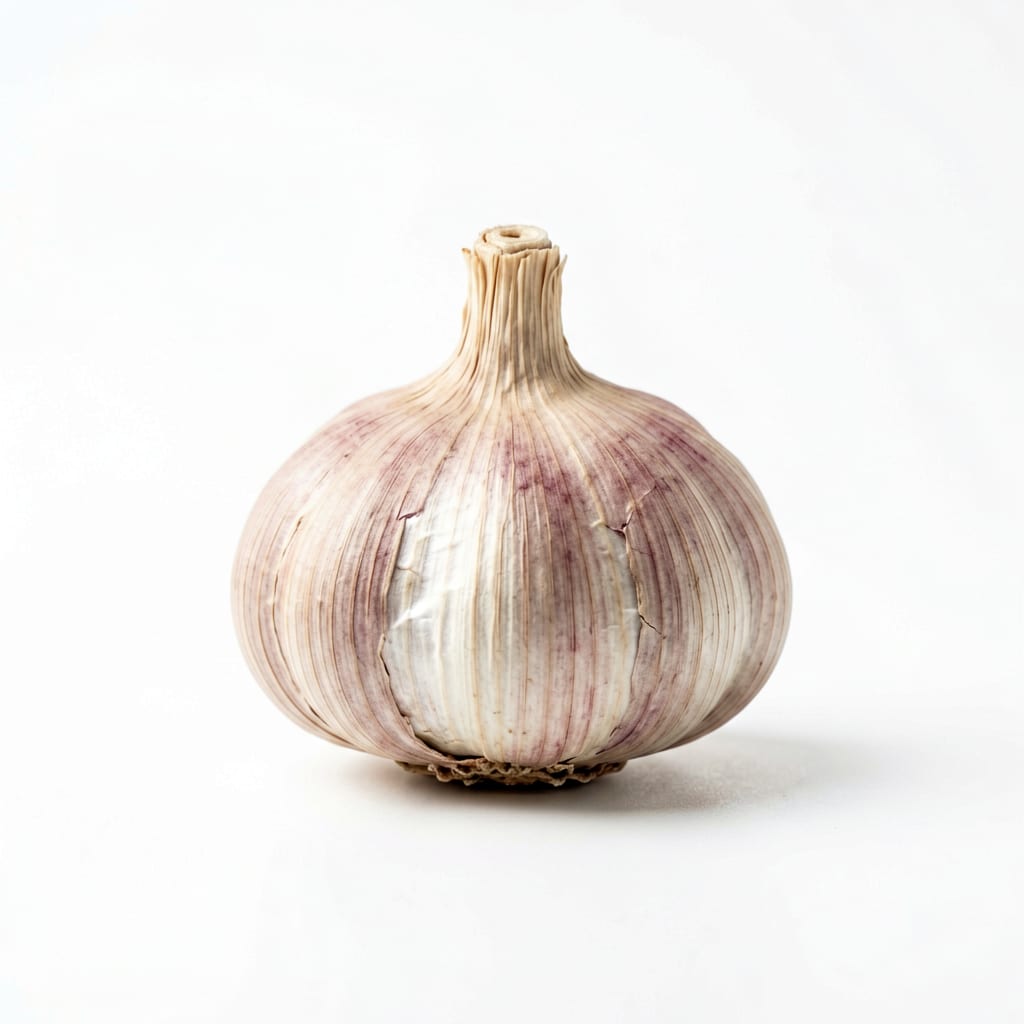
Garlic
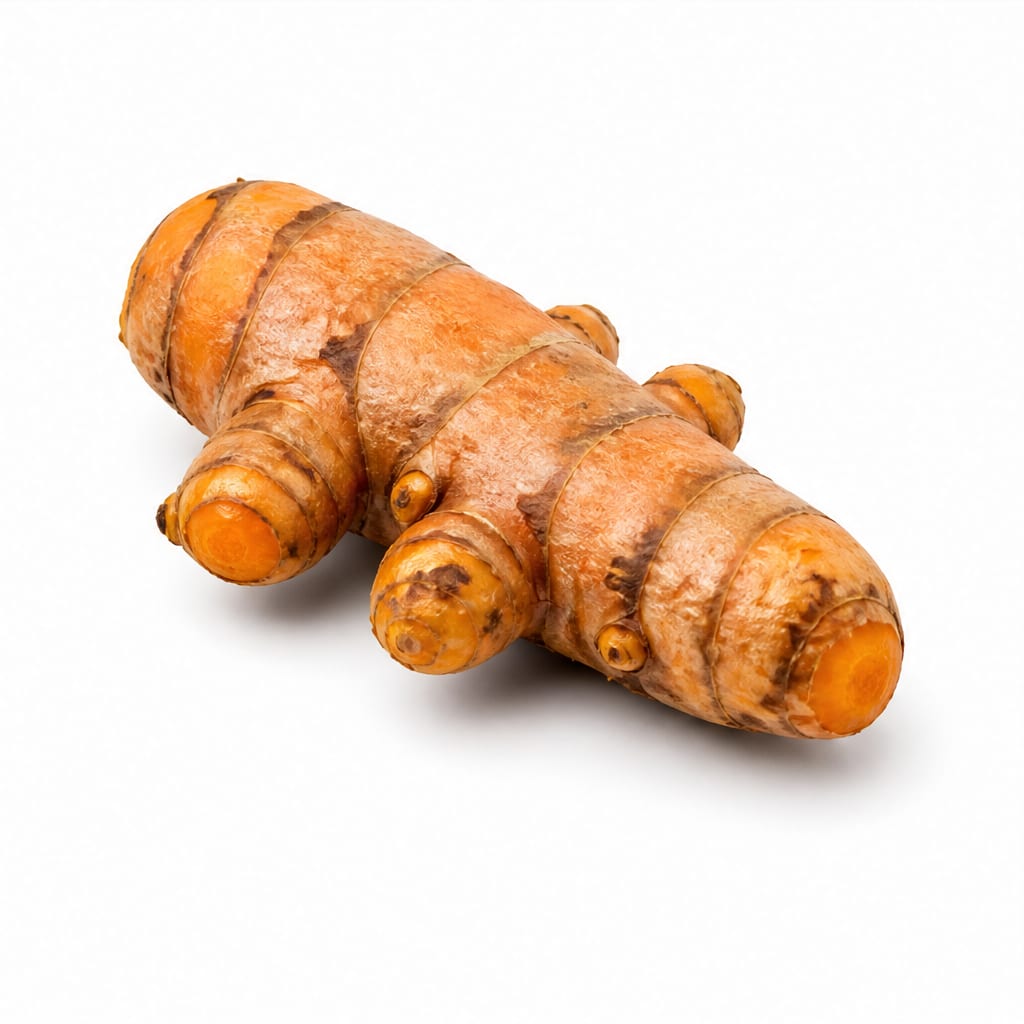
Turmeric
Garlic wins for immune defense and heart health; turmeric wins for chronic inflammation and joint support. Both are medicinal powerhouses with different specialties.
Garlic scores slightly higher due to easier daily integration and stronger acute immune evidence. Turmeric matches closely with superior chronic inflammation benefits but loses points on absorption difficulty and less culinary versatility.
Garlic acts fast against pathogens and supports cardiovascular health directly, while turmeric excels at taming long-term inflammation and joint pain — but needs help with absorption.
At a glance
Executive summary
Overall
It depends
Healthier
It depends
More practical
Garlic
Daily use
Garlic
Key comparison lenses
anti-inflammatory potency
Both are legendary for fighting inflammation, but through completely different active compounds — allicin vs curcumin
immune system support
Garlic is a go-to for cold and flu season; turmeric supports immunity more indirectly through reducing chronic inflammation
bioavailability and absorption challenges
Turmeric's curcumin is notoriously poorly absorbed; garlic's allicin degrades quickly with cooking — both have real-world usability hurdles
daily culinary integration
Users want to know which spice is easier to incorporate consistently for long-term health benefits
joint and pain management
Turmeric is widely used for arthritis and joint pain; garlic less so
heart and cardiovascular health
Garlic has stronger clinical evidence for blood pressure and cholesterol management
Best choice for
Garlic
- People fighting off colds or infections
- Those managing blood pressure or cholesterol
- Anyone wanting an easy daily culinary addition
- Households cooking savory meals regularly
Turmeric
- People with chronic joint pain or arthritis
- Those dealing with systemic inflammation
- Anyone seeking antioxidant support for aging
- People comfortable with supplement routines or golden milk
Least suitable for
Garlic
- People on blood-thinning medications without doctor approval
- Those with GERD or acid reflux triggered by garlic
- Anyone sensitive to strong flavors or social garlic breath
Turmeric
- People with gallbladder issues or bile duct obstruction
- Those on anticoagulants without medical supervision
- Anyone expecting quick results without consistent long-term use
Deep comparison
Dimension by dimension
Each lens scores both foods and breaks down who each option suits.
- Dimension 1 · Priority 95Turmeric
anti-inflammatory power
Garlic · 72Turmeric · 90Turmeric's curcumin is one of the most studied natural anti-inflammatory compounds, especially for chronic conditions like arthritis.
Tradeoff
Garlic fights inflammation too, but turmeric targets the COX-2 enzyme pathway similar to ibuprofen — making it more directly comparable to OTC pain relief.
Why it matters
Chronic inflammation drives heart disease, cancer, and autoimmune conditions. Choosing the right spice for your inflammation type matters.
Real-world impact
Someone with daily knee pain is more likely to feel relief from turmeric than garlic over weeks of consistent use.
Garlic
- Acute inflammation from infections
Better for
- Managing ongoing joint pain
Worse for
Turmeric
- Chronic joint inflammation
- Arthritis management
- Systemic low-grade inflammation
- Post-exercise muscle soreness
Better for
- Fighting an active cold or infection
Worse for
- Dimension 2 · Priority 90Garlic
immune support
Garlic · 88Turmeric · 70Garlic is a frontline immune defender with direct antimicrobial, antiviral, and antibacterial properties. Turmeric supports immunity indirectly.
Tradeoff
Garlic acts like a natural antibiotic when crushed raw; turmeric modulates immune function over time but doesn't directly kill pathogens.
Why it matters
When cold season hits, you want something that fights invaders directly — garlic delivers that more reliably.
Real-world impact
Eating raw garlic at the first sign of a sore throat is a time-tested remedy with real mechanistic backing. Turmeric would not have the same acute effect.
Garlic
- Fighting active infections
- Cold and flu season defense
- Direct antimicrobial action
Better for
- Modulating overactive immune responses
Worse for
Turmeric
- Long-term immune regulation
- Autoimmune condition support
Better for
- Acute infection fighting
Worse for
- Dimension 3 · Priority 80Garlic
cardiovascular health
Garlic · 85Turmeric · 68Garlic has stronger clinical evidence for lowering blood pressure and improving cholesterol. Turmeric helps vascular health but less directly.
Tradeoff
Garlic actively relaxes blood vessels and reduces arterial plaque risk; turmeric protects blood vessels from inflammation damage but doesn't lower blood pressure as effectively.
Why it matters
Heart disease is the leading cause of death worldwide. Food-based intervention that measurably lowers blood pressure is a big deal.
Real-world impact
Regular garlic consumption can reduce systolic blood pressure by 5-8 mmHg in some studies — comparable to some medications for mild hypertension.
Garlic
- Blood pressure management
- Cholesterol improvement
- Arterial health
Better for
- Endothelial inflammation
Worse for
Turmeric
- Vascular inflammation reduction
Better for
- Direct blood pressure reduction
Worse for
- Dimension 4 · Priority 88Garlic
bioavailability and ease of use
Garlic · 75Turmeric · 45Garlic's allicin activates by simply crushing or chopping and waiting 10 minutes. Turmeric's curcumin needs black pepper and fat to be absorbed at all.
Tradeoff
Garlic works in everyday cooking with minimal effort. Turmeric practically demands a strategy — pair with piperine and dietary fat or you absorb almost nothing.
Why it matters
The best supplement is the one you actually absorb. Beautiful nutrient profiles mean nothing if the compound passes through you unused.
Real-world impact
Sprinkling turmeric on food alone gives almost zero curcumin absorption. Adding black pepper increases bioavailability by 2000%, but most people don't know this.
Garlic
- Easy kitchen integration
- No absorption enhancers needed
- Works in most savory dishes naturally
Better for
- Allicin degrades with high-heat cooking
Worse for
Turmeric
- Supplement form with piperine is reliable and consistent
Better for
- Very poor absorption without preparation strategy
- Requires fat and black pepper for meaningful uptake
- Easy to use incorrectly and get no benefit
Worse for
- Dimension 5 · Priority 82Turmeric
joint and pain management
Garlic · 50Turmeric · 88Turmeric is one of the most evidence-backed natural options for osteoarthritis and joint pain. Garlic is not typically used for this purpose.
Tradeoff
If your primary concern is achy knees or an arthritic hip, turmeric is the clear choice. Garlic simply doesn't target joint inflammation the same way.
Why it matters
Joint pain affects quality of life daily. Having a food-based option that can reduce NSAID dependence is genuinely valuable.
Real-world impact
Multiple studies show curcumin extracts matching ibuprofen for osteoarthritis knee pain over 4-6 weeks, with fewer stomach side effects.
Garlic
- General anti-inflammatory support
Better for
- Targeted joint pain relief
Worse for
Turmeric
- Osteoarthritis symptom relief
- Rheumatoid arthritis adjunct support
- Post-workout joint recovery
- Reducing NSAID dependence
Better for
- Dimension 6 · Priority 70Turmeric
digestive tolerance
Garlic · 55Turmeric · 72Garlic is a common IBS trigger and causes heartburn in many people. Turmeric is gentler on most stomachs and may even soothe mild digestive inflammation.
Tradeoff
Garlic's potency comes with digestive costs for sensitive people. Turmeric is better tolerated at culinary doses, though high supplement doses can still cause issues.
Why it matters
A health food that causes bloating or reflux defeats its own purpose for a large portion of users.
Real-world impact
People with IBS or FODMAP sensitivities often must avoid garlic entirely. Turmeric is typically well-tolerated in food amounts.
Garlic
- Stimulating digestion in tolerant individuals
Better for
- FODMAP sensitivity
- GERD and acid reflux triggers
- Garlic breath and social discomfort
Worse for
Turmeric
- IBS-friendly seasoning
- Gentler on acid reflux
- Soothing mild gut inflammation
Better for
- High doses may cause nausea or diarrhea
Worse for
- Dimension 7 · Priority 75Turmeric
antioxidant capacity
Garlic · 74Turmeric · 85Both are antioxidant-rich, but turmeric's curcumin scavenges free radicals across more pathways and has broader cellular protective effects.
Tradeoff
Garlic offers strong antioxidant support through sulfur compounds. Turmeric covers more oxidative stress pathways but needs proper absorption to deliver.
Why it matters
Oxidative damage accelerates aging and disease. Broad-spectrum antioxidant coverage from food is a legitimate long-term health strategy.
Real-world impact
Turmeric's antioxidant range makes it popular for skin health, brain aging, and cellular protection — areas where garlic gets less attention.
Garlic
- Direct free radical scavenging from sulfur compounds
Better for
- Narrower antioxidant pathway range
Worse for
Turmeric
- Broader antioxidant pathway coverage
- Brain and skin aging protection
- Cellular defense against multiple oxidative stressors
Better for
- Antioxidant benefits only realized with proper absorption
Worse for
Timeline
Health impact over time
Short-term
Hours to days
Garlic
- Immediate antimicrobial action when consumed raw and crushed
- Potential blood pressure-lowering effect within hours
- Possible heartburn or digestive discomfort in sensitive individuals
- Noticeable breath and body odor
Turmeric
- Minimal immediate effects — benefits build over weeks
- Mild digestive soothing at culinary doses
- Possible warming sensation from ginger-family compounds
- Unlikely to cause acute side effects at food amounts
Long-term
Months to years
Garlic
- Reduced cardiovascular disease risk with regular consumption
- Lower incidence of common infections over cold seasons
- Potential blood-thinning effects requiring medication monitoring
- Consistent anti-inflammatory baseline support
Turmeric
- Reduced chronic inflammation markers with consistent use
- Slowed joint degeneration in arthritis-prone individuals
- Potential neuroprotective benefits emerging from early research
- Possible improved skin health from antioxidant accumulation
Risk profile
Safety & processing
Both garlic and turmeric are whole, minimally processed foods in their natural form. Concerns arise mainly with supplements — turmeric supplements sometimes contain fillers or unauthorized additives, and some turmeric powders have been flagged for lead chromate contamination. Fresh garlic and whole turmeric root are the safest forms.
Garlic
Blood thinning interaction
mediumGarlic has antiplatelet effects. People on warfarin, aspirin, or other anticoagulants should consult their doctor before consuming large amounts or supplements.
Digestive irritation
lowRaw garlic can cause heartburn, nausea, or IBS symptoms in sensitive individuals. Cooking reduces this risk significantly.
Turmeric
Lead chromate adulteration in powders
highSome turmeric powders, especially from certain regions, have been contaminated with lead chromate to enhance yellow color. Buy reputable tested brands.
Gallbladder aggravation
mediumTurmeric stimulates bile production. People with gallstones or bile duct obstruction should avoid high doses.
Blood thinning at supplement doses
mediumHigh-dose curcumin supplements can slow blood clotting. Culinary amounts are generally safe, but supplement-level doses need medical oversight with anticoagulants.
Who wins for whom
Audience fit
Same foods, different winners depending on your goal.
children
TurmericTurmeric is gentler on developing digestive systems and less likely to cause reflux or breath concerns. Garlic's strong flavor and potential stomach irritation make it less kid-friendly.
daily consumption
GarlicGarlic integrates effortlessly into most savory cooking without absorption strategy. Turmeric requires planning for bioavailability, making consistent daily use harder to sustain.
diabetes
GarlicGarlic has stronger evidence for improving insulin sensitivity and lowering fasting blood sugar. Turmeric shows promise but with less consistent clinical data.
elderly
TurmericJoint pain, chronic inflammation, and brain health are top elderly concerns where turmeric excels. Garlic still helps cardiovascular health but turmeric addresses more age-related priorities simultaneously.
muscle gain
GarlicGarlic may modestly support testosterone levels and reduce exercise-induced oxidative stress. Turmeric's anti-inflammatory effects could theoretically impair acute training adaptations if overused.
weight loss
It dependsNeither directly causes weight loss. Garlic may slightly boost metabolism and reduce appetite; turmeric may reduce inflammation that impedes fat loss. Both are near-neutral for direct weight effects.
Your move
Decision guide
Choose Garlic
- You want stronger immune defense during cold season
- Heart health and blood pressure are your top priorities
- You prefer a set-it-and-forget-it kitchen staple
- You cook savory meals daily and want effortless health benefits
- You need something that works without absorption tricks
Choose Turmeric
- Joint pain or arthritis is your primary concern
- You are fighting chronic systemic inflammation
- You are willing to pair it with black pepper and fat for absorption
- You want antioxidant support for skin, brain, or aging
- You prefer golden milk or smoothie-based routines over cooking
Either works if
- You want general anti-inflammatory support
- You are building a spice-based wellness routine
- You have no specific health condition and just want to eat well
- You already use both and want validation that both are worthwhile
Avoid both if
- You are on blood thinners without doctor approval for either
- You have upcoming surgery within two weeks
- You have severe FODMAP sensitivity and gallbladder issues simultaneously
Final recommendation
Use both. Garlic in daily cooking for immune and heart support, turmeric as a targeted anti-inflammatory with black pepper and fat when joints or chronic inflammation are the concern. They complement each other beautifully — garlic handles acute defense, turmeric handles long-term repair. If forced to pick one for daily ease, garlic wins. If forced to pick one for chronic pain, turmeric wins.
Practical
Consumer tips
- 1
Crush garlic and let it sit for 10 minutes before cooking to activate allicin — the compound responsible for most health benefits
- 2
Always pair turmeric with a pinch of black pepper and some dietary fat — this increases curcumin absorption by up to 2000%
- 3
Buy turmeric from reputable brands that test for heavy metals, especially lead chromate adulteration in imported powders
- 4
Fresh turmeric root is safer than powder and has higher essential oil content, but stains everything it touches
- 5
Roasted garlic loses much of its allicin — raw or lightly cooked garlic retains the most medicinal potency
- 6
If garlic causes heartburn, try fermented black garlic — it is gentler on the stomach while retaining antioxidant benefits
- 7
Turmeric supplements often overpromise — food-amount doses with proper absorption strategy can match many supplement benefits
- 8
Both spices can thin blood — tell your doctor before surgery and check interactions with anticoagulant medications