
Nutrition comparison
Garlic vs Horseradish: Which Is Healthier for Daily Use?
Compare garlic and horseradish for heart health, immune support, and daily practicality. Learn which pungent root delivers more real-world health benefits and when to choose each.
Overall winner · Garlic
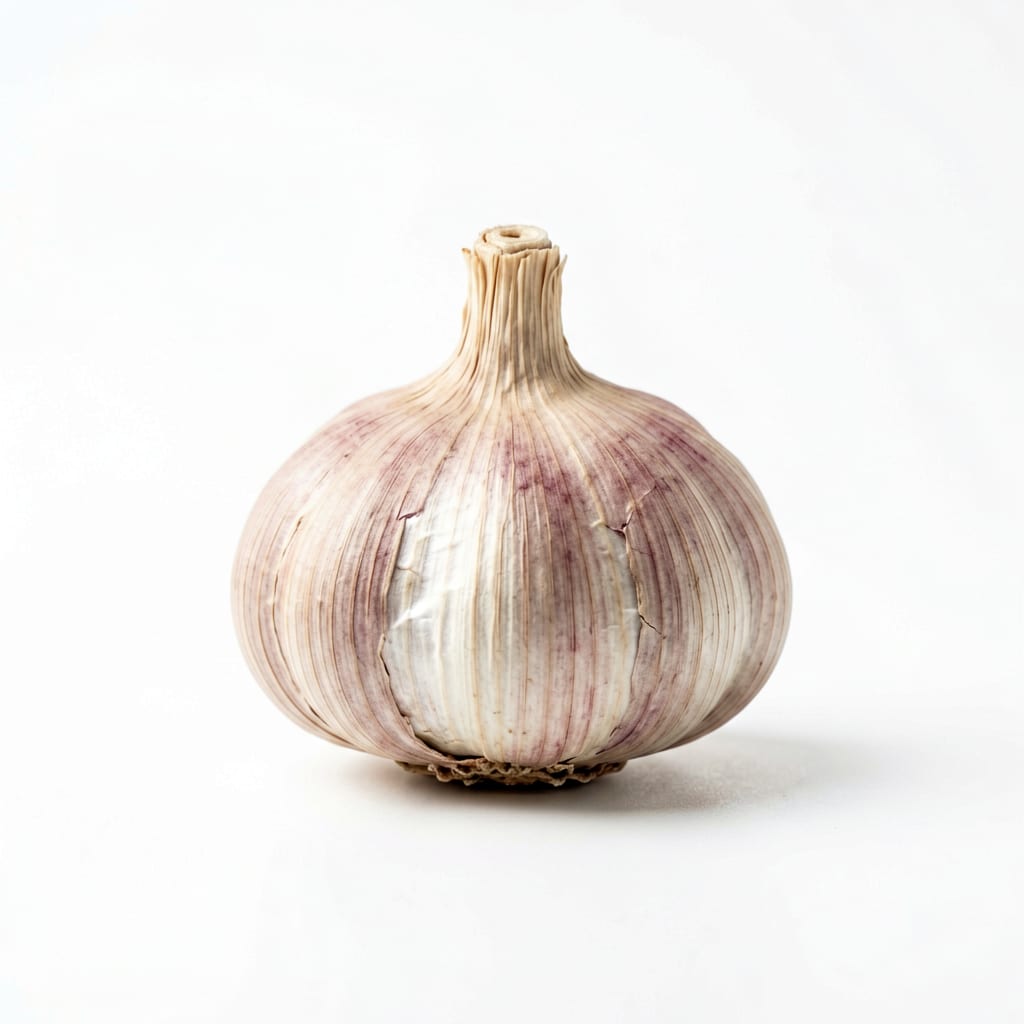
Garlic
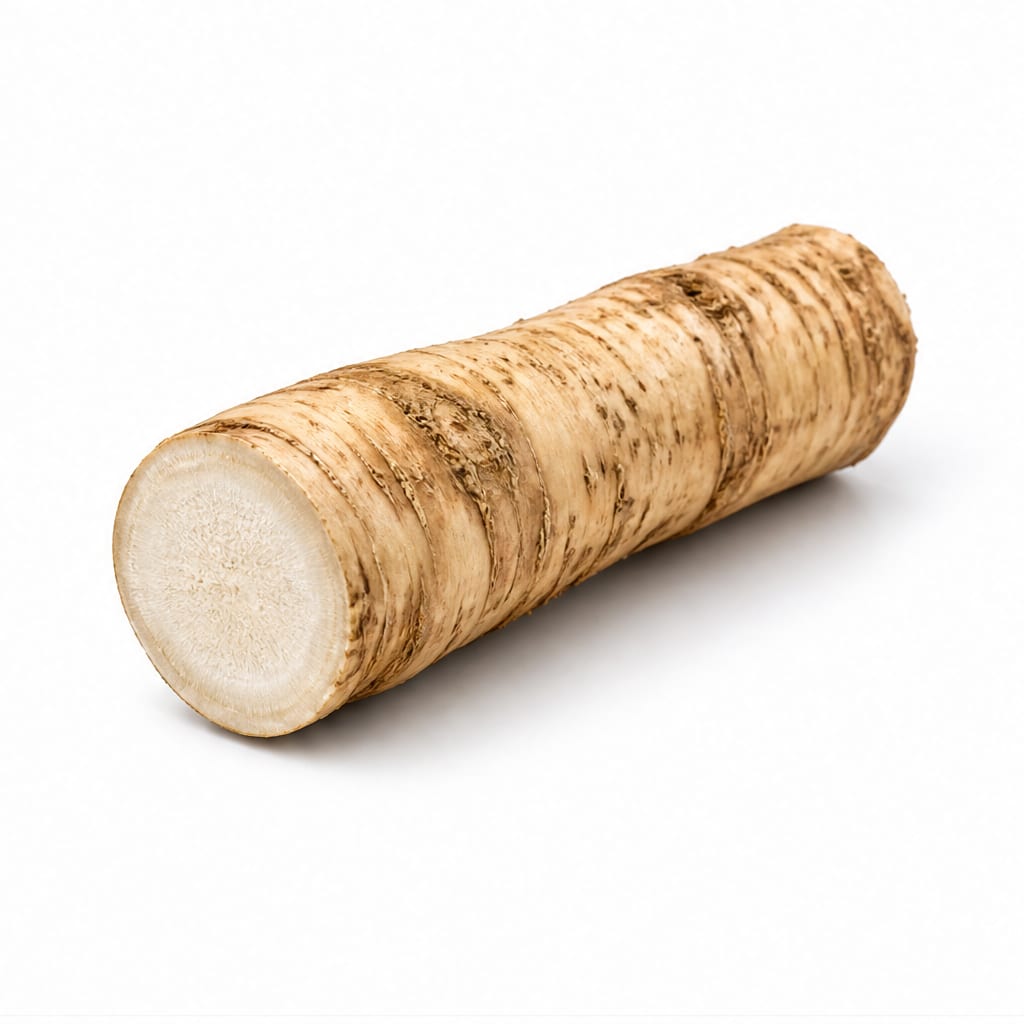
Horseradish
Garlic wins for daily health impact and versatility, while horseradish is a potent but niche player best used for sinus relief and bold condiment flavor.
Garlic scores notably higher because its health benefits are backed by far more research, it can be consumed in meaningful quantities daily, and it fits virtually any savory dish. Horseradish is potent but used in such small amounts that its nutritional impact is limited in practice.
Garlic offers broader, better-studied health benefits you can use every day; horseradish delivers a sharper, more concentrated punch but in amounts too small to matter much nutritionally.
At a glance
Executive summary
Overall
Garlic
Healthier
Garlic
More practical
Garlic
Daily use
Garlic
Key comparison lenses
immune and cardiovascular health support
Both foods are prized for medicinal compounds—allicin in garlic and glucosinolates in horseradish—but garlic has far stronger evidence for heart health
everyday culinary versatility
Garlic is a daily staple in most cuisines while horseradish is a niche condiment, making practicality a key differentiator
anti-inflammatory and antimicrobial benefits
Both punch above their weight for fighting inflammation and microbes, but through different mechanisms and with different evidence levels
digestive tolerance and sensitivity
Both can irritate the gut in sensitive people, but the nature and severity differ significantly
Best choice for
Garlic
- Heart health and cholesterol management
- Daily immune support
- Anti-inflammatory routines
- Anyone wanting broad medicinal benefits from food
- Home cooks needing an all-purpose flavor base
Horseradish
- Sinus congestion and cold relief
- Adding bold kick to roast beef and fish
- People avoiding garlic breath or garlic sensitivity
- Quick antimicrobial punch in small doses
Least suitable for
Garlic
- People on blood thinners (increased bleeding risk)
- Those with GERD or severe acid reflux
- Anyone sensitive to FODMAPs
- People who dislike lingering breath odor
Horseradish
- People with stomach ulcers or severe gastritis
- Children who cannot handle intense pungency
- Anyone needing large therapeutic doses (impractical quantity)
- Those with mustard or cruciferous allergies
Deep comparison
Dimension by dimension
Each lens scores both foods and breaks down who each option suits.
- Dimension 1 · Priority 94Garlic
Cardiovascular Health
Garlic · 90Horseradish · 38Garlic is one of the most evidence-backed foods for heart health, while horseradish has minimal cardiovascular research.
Tradeoff
You get real, measurable heart benefits from regular garlic consumption. Horseradish simply cannot match this no matter how much you eat.
Why it matters
Heart disease remains the leading cause of death worldwide, and garlic is one of the few foods with consistent clinical support for modest cholesterol and blood pressure improvement.
Real-world impact
Eating 1-2 cloves of garlic daily can modestly lower blood pressure over months—similar to some mild medications. Horseradish offers no comparable effect.
Garlic
- Lowering blood pressure naturally
- Reducing LDL cholesterol
- Improving arterial flexibility over time
- Long-term heart disease risk reduction
Better for
- People already on blood thinners who need to limit garlic
Worse for
Horseradish
- Anyone seeking proven cardiovascular benefits from food
Worse for
- Dimension 2 · Priority 86Garlic
Immune and Antimicrobial Support
Garlic · 85Horseradish · 72Both fight microbes effectively, but garlic has broader and better-documented immune benefits with regular use.
Tradeoff
Garlic works as a daily immune tonic. Horseradish is more like an emergency decongestant—intense but occasional.
Why it matters
Cold and flu season makes people reach for natural remedies. Understanding which actually helps preventively versus reactively matters for real-world choices.
Real-world impact
Regular garlic eaters report fewer colds in studies. Horseradish clears your sinuses fast when you are already sick but does not prevent illness the same way.
Garlic
- Preventive immune support through cold season
- Broader antibacterial and antiviral activity
- Long-term immune resilience
Better for
- Needs consistent daily intake for preventive effect
Worse for
Horseradish
- Acute sinus congestion relief
- Clearing thick mucus during illness
- Quick-hit antimicrobial action in the throat
Better for
- Not practical as a daily preventive measure
- Effects are brief and localized
Worse for
- Dimension 3 · Priority 88Garlic
Culinary Versatility and Daily Practicality
Garlic · 95Horseradish · 45Garlic is a universal flavor foundation. Horseradish is a specialty condiment with a narrow role.
Tradeoff
Garlic disappears into almost any savory dish. Horseradish dominates whatever it touches, limiting where you can use it.
Why it matters
The healthiest food only helps if you actually eat it regularly. Versatility directly determines whether benefits accumulate or stay theoretical.
Real-world impact
You can easily eat garlic in pasta, stir-fries, soups, roasted vegetables, marinades, and dressings daily. Horseradish works with roast beef, some fish, and Bloody Marys—that is about it.
Garlic
- Works in virtually every savory cuisine
- Easy to incorporate multiple times daily
- Mild cooking mellows flavor for wider appeal
- Available fresh, powdered, or pre-minced
Better for
- Raw garlic breath is socially costly
Worse for
Horseradish
- Delivers unique experience nothing else replicates
- Instant flavor intensity with zero cooking
Better for
- Very limited pairing options
- Overpowers delicate dishes
- Most people only reach for it occasionally
Worse for
- Dimension 4 · Priority 78Garlic
Anti-Inflammatory and Cancer-Fighting Potential
Garlic · 78Horseradish · 62Garlic's sulfur compounds have stronger anti-inflammatory and anti-cancer evidence. Horseradish has promising glucosinolates but less proof.
Tradeoff
Garlic gives you more researched protection with easier dosing. Horseradish contains interesting compounds but you would need unrealistic amounts for therapeutic effect.
Why it matters
Chronic inflammation drives most modern disease. Choosing foods that actively fight it is a high-leverage daily decision.
Real-world impact
Populations eating high-garlic diets show lower rates of certain cancers. No equivalent population data exists for horseradish.
Garlic
- More studied anti-cancer properties
- Consistent daily intake is realistic
- Reduces markers of systemic inflammation over time
Better for
- Benefits require consistent long-term intake
Worse for
Horseradish
- Glucosinolates are genuinely promising compounds
- Complementary mechanism to garlic's sulfur pathway
Better for
- Portion sizes are too small for meaningful compound delivery
- Research is preliminary, not clinical
Worse for
- Dimension 5 · Priority 70It depends
Digestive Tolerance
Garlic · 55Horseradish · 50Both can upset sensitive stomachs, but through different mechanisms. Neither is gut-friendly in excess.
Tradeoff
Garlic causes issues through FODMAP fermentable carbs. Horseradish irritates through sheer pungency and mustard oils. Pick your poison carefully.
Why it matters
IBS and sensitive digestion are extremely common. A healthy food that causes bloating or pain undermines compliance and quality of life.
Real-world impact
Raw garlic causes bloating and gas in FODMAP-sensitive people. Horseradish can burn an already irritated stomach lining. Both require moderation for sensitive individuals.
Garlic
- Cooked garlic is much gentler than raw
- Well-tolerated by most people in moderate amounts
Better for
- Significant FODMAP trigger for IBS sufferers
- Raw garlic causes noticeable bloating in many
Worse for
Horseradish
- No FODMAP issues
- Used in such small amounts that total irritation is usually minimal
Better for
- Direct irritant to inflamed stomach lining
- Can trigger heartburn and reflux acutely
Worse for
Timeline
Health impact over time
Short-term
Hours to days
Garlic
- Raw garlic can cause immediate heartburn and garlic breath lasting hours
- Moderate blood thinning effect within hours of consumption
- Mild blood pressure dip noticeable in hypertensive individuals
Horseradish
- Instant sinus clearing and mucus thinning within seconds
- Possible tearing or coughing from volatile mustard oils
- Stomach warmth or burning sensation if eaten in larger amounts
Long-term
Months to years
Garlic
- Modest but consistent reduction in blood pressure and LDL cholesterol
- Lower risk of certain cancers in high-consumption populations
- Improved immune resilience with fewer colds over time
- Potential increased bleeding risk if consumed heavily alongside anticoagulants
Horseradish
- Possible anti-cancer benefits from glucosinolates but evidence is preliminary
- Occasional use unlikely to provide measurable long-term health changes
- May support urinary tract health through antimicrobial action
Risk profile
Safety & processing
Both are whole root foods in their natural form. However, prepared horseradish commonly contains vinegar, salt, preservatives, or cream, while fresh garlic bulbs are almost always sold pure and unadulterated.
Garlic
Botulism from improperly stored garlic in oil
highHomemade garlic-in-oil at room temperature creates ideal anaerobic conditions for botulism toxin. Always refrigerate and use within days.
Increased bleeding with anticoagulant medications
mediumGarlic's blood-thinning effect compounds with warfarin, aspirin, or similar drugs. Consult your doctor if taking blood thinners regularly.
Allergic contact dermatitis
lowSome people develop skin irritation from handling raw garlic, especially crushed. Rare but worth knowing for frequent cooks.
Horseradish
Stomach lining irritation and ulcer aggravation
mediumThe volatile mustard oils in horseradish can inflame an already sensitive or ulcerated stomach. Avoid during active flares.
Cross-reactivity with mustard allergy
mediumHorseradish contains similar proteins to mustard. People with mustard allergy should approach horseradish cautiously.
Sodium content in prepared versions
lowJarred horseradish often contains added salt. Check labels if watching sodium intake.
Who wins for whom
Audience fit
Same foods, different winners depending on your goal.
children
GarlicCooked garlic is mild and appears in many kid-friendly dishes. Horseradish is far too pungent for most children and can cause distress if they eat too much.
daily consumption
GarlicGarlic is one of the most consumed medicinal foods globally, with a long safety record at culinary doses. Horseradish is too intense and limited for daily use.
diabetes
GarlicGarlic may modestly improve insulin sensitivity and blood sugar regulation. Horseradish has no meaningful glycemic impact either way but lacks evidence for diabetic benefit.
elderly
GarlicCardiovascular and immune benefits matter most for older adults, and garlic delivers both. Horseradish's sinus-clearing property is occasionally useful but not a daily priority.
muscle gain
It dependsNeither directly supports muscle growth. Both add flavor to high-protein meals without adding calories. Garlic has a slight edge for anti-inflammatory recovery support.
weight loss
GarlicBoth are essentially zero-calorie flavor enhancers, but garlic is easier to use across all meals, making bland diet food more enjoyable and sustainable.
Your move
Decision guide
Choose Garlic
- You want a daily heart-healthy and immune-supporting food
- You cook regularly and need an all-purpose flavor enhancer
- You are looking for the most researched natural anti-inflammatory
- You want health benefits that accumulate with consistent small doses
Choose Horseradish
- You are congested and need fast, natural sinus relief
- You want a bold condiment for roast beef, fish, or cocktails
- You are sensitive to garlic or FODMAPs but still want pungent flavor
- You are dealing with a cold and want something that clears you out fast
Either works if
- You want zero-calorie flavor intensity without artificial ingredients
- You are building an anti-inflammatory pantry from whole foods
- You enjoy bold flavors and want variety in your condiment rotation
Avoid both if
- You have active stomach ulcers or severe GERD
- You are on blood thinners and have not consulted your doctor about garlic
- You have a known allergy to alliums or mustard family plants
Final recommendation
Keep both in your kitchen but treat them differently. Use garlic daily as your foundational health-boosting flavor base—it is the workhorse that pays compound interest on your health. Save horseradish for when you are congested, serving roast beef, or need a sinus-clearing kick. They complement each other well but are not interchangeable.
Practical
Consumer tips
- 1
Let crushed garlic sit for 10 minutes before cooking to maximize allicin formation—heat destroys the enzyme if applied too soon
- 2
Buy fresh horseradish root and grate it yourself for the strongest flavor and highest glucosinolate content—jarred versions lose potency quickly
- 3
If garlic causes bloating, try cooking it thoroughly or using garlic-infused olive oil, which retains flavor without FODMAPs
- 4
Store fresh horseradish root in the fridge wrapped in damp paper towel—it loses pungency within a week once cut
- 5
One clove of garlic per day is enough for meaningful health benefits—more is not necessarily better and increases side effects