
Nutrition comparison
Garlic vs Chives: Health Benefits, Digestion, and Daily Use Compared
Garlic delivers stronger medicinal benefits but chives win on daily comfort and digestion. Compare these allium cousins to find which fits your health goals and lifestyle better.
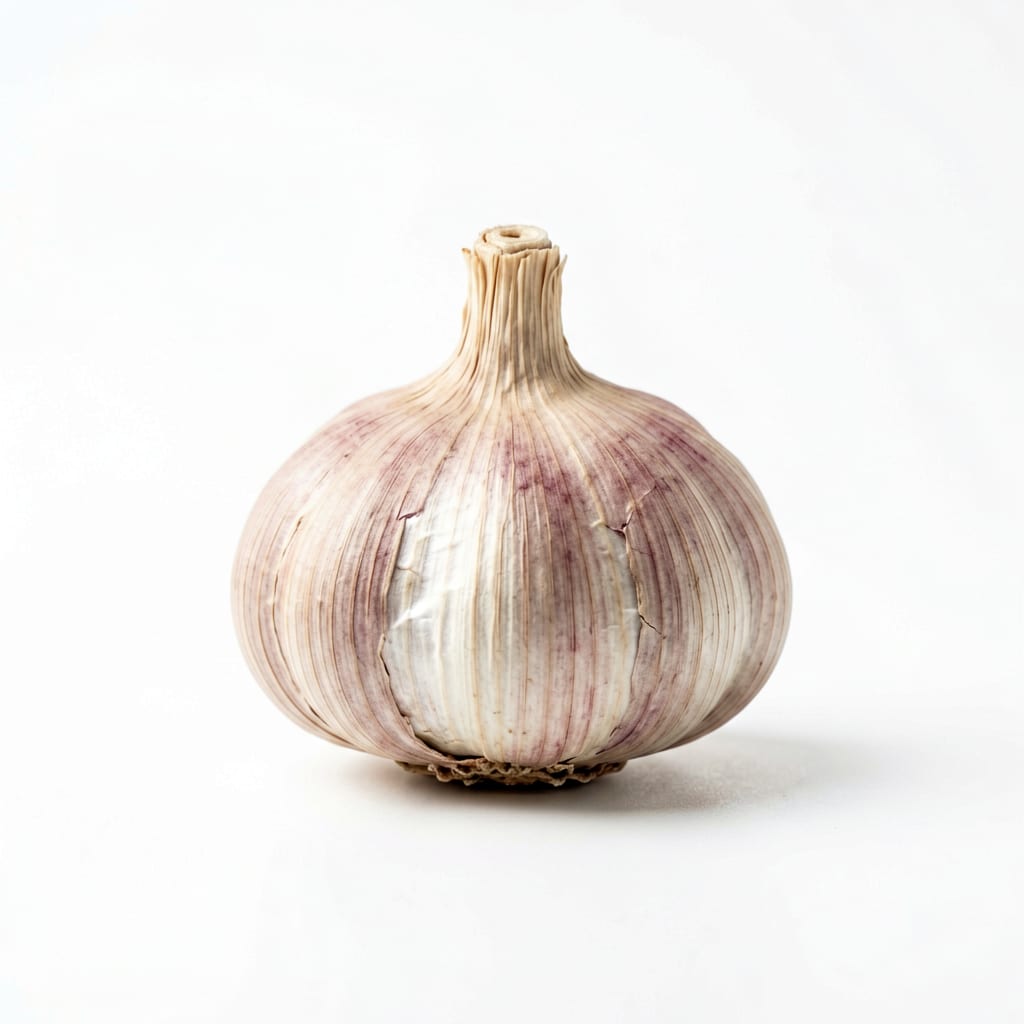
Garlic
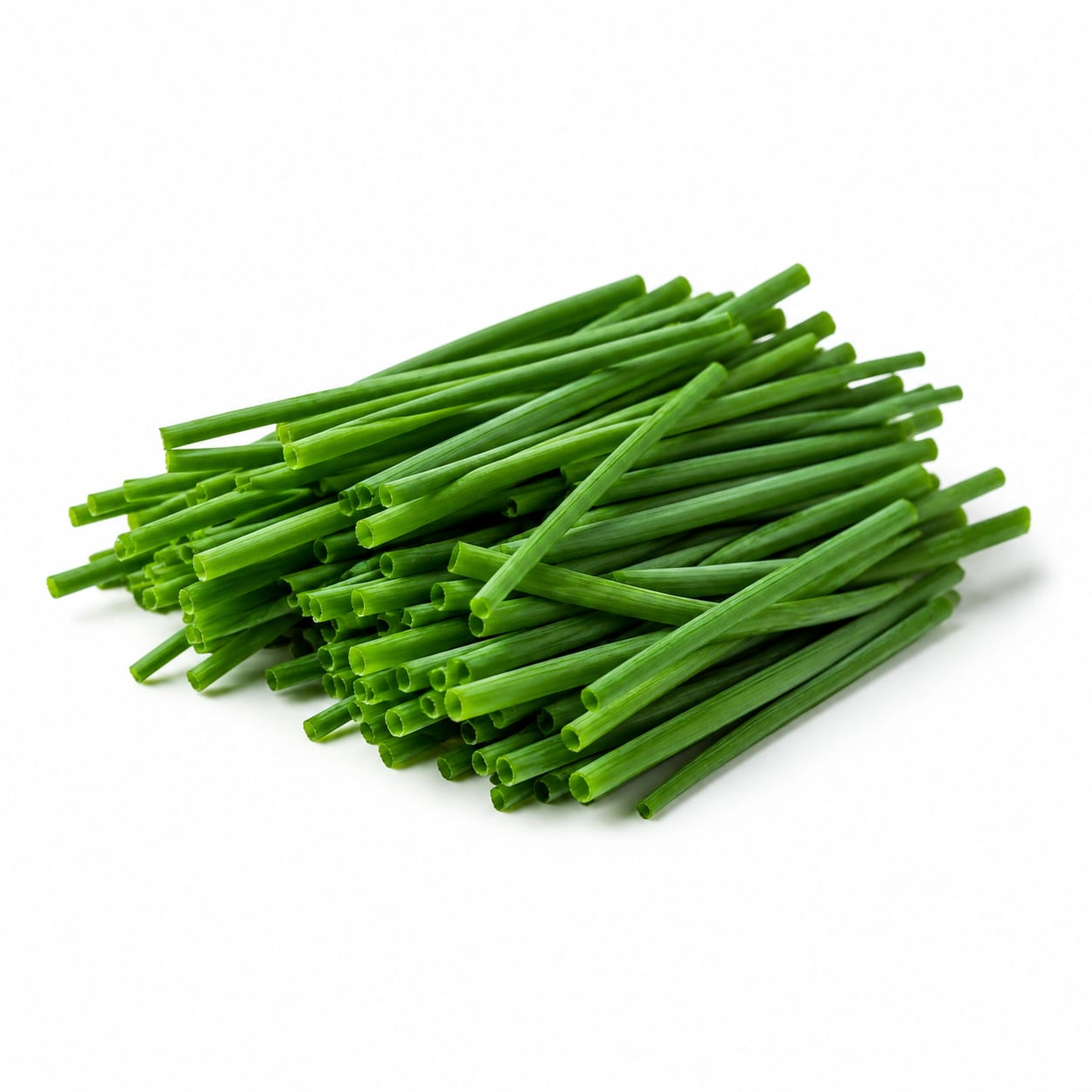
Chives
Garlic delivers stronger medicinal benefits but chives win on daily livability and digestive comfort.
Garlic scores higher for medicinal potency and nutrient density per gram but loses ground on digestive tolerance and daily practicality. Chives are the easier choice for consistent everyday use but deliver weaker therapeutic effects. The close scores reflect that neither is universally better — they serve different roles.
Therapeutic power versus everyday gentleness — garlic is the medicine, chives are the maintenance herb.
At a glance
Executive summary
Overall
It depends
Healthier
Garlic
More practical
Chives
Daily use
Chives
Key comparison lenses
Medicinal potency and therapeutic benefits
Garlic is renowned for allicin and cardiovascular benefits while chives offer milder versions of similar compounds
Daily usability and social comfort
Garlic breath and digestive intensity limit frequent use while chives are gentle enough for everyday consumption
Culinary role and flavor versatility
These foods serve fundamentally different kitchen purposes — garlic as a cooking base, chives as a finishing herb
Digestive tolerance and sensitivity
Garlic triggers IBS symptoms and heartburn in many people while chives rarely cause digestive distress
Nutrient density per typical serving
Both are used in small quantities so actual nutrient delivery varies significantly based on serving size
Best choice for
Garlic
- Immune support during cold season
- Cardiovascular health optimization
- Anti-inflammatory protocols
- Fighting mild infections naturally
- People who tolerate alliums well
Chives
- Sensitive digestion and IBS management
- Daily garnishing without breath concerns
- Light fresh flavor without overpowering dishes
- Vitamin K and vitamin A intake
- Social situations where garlic breath is problematic
Least suitable for
Garlic
- People with GERD or acid reflux
- IBS sufferers sensitive to FODMAPs
- Date nights and close social settings
- Those on blood-thinning medications without doctor approval
Chives
- Situations requiring strong therapeutic effects
- Cooking traditions demanding bold allium flavor
- People seeking significant allicin intake
Deep comparison
Dimension by dimension
Each lens scores both foods and breaks down who each option suits.
- Dimension 1 · Priority 92Garlic
Medicinal and Therapeutic Potency
Garlic · 94Chives · 48Garlic is one of the most studied medicinal foods while chives contain similar compounds at much lower concentrations.
Tradeoff
You get real pharmacological effects from garlic but also real side effects. Chives are gentle but that gentleness means weaker results.
Why it matters
If you are targeting blood pressure, cholesterol, or immune function, garlic delivers measurable impact. Chives mostly offer subtle nutritional support.
Real-world impact
Regular garlic consumption can meaningfully shift cardiovascular markers over months. Chives contribute vitamins but rarely move the needle on clinical outcomes.
Garlic
- Lowering blood pressure naturally
- Reducing LDL cholesterol over time
- Fighting bacterial and viral infections
- Reducing systemic inflammation
Better for
- People on warfarin or blood thinners
- Those with bleeding disorders
- Post-surgery recovery periods
Worse for
Chives
- Avoiding garlic-induced heartburn
- Getting mild antioxidant support without side effects
Better for
- Anyone needing therapeutic-level allicin intake
- Targeted antimicrobial support
Worse for
- Dimension 2 · Priority 85Chives
Digestive Tolerance and Comfort
Garlic · 42Chives · 88Garlic is a common IBS trigger and causes significant digestive distress for many people. Chives are well-tolerated even by sensitive stomachs.
Tradeoff
The same sulfur compounds that make garlic medicinal also make it rough on digestion. Chives skip the intensity and skip the stomachache.
Why it matters
Roughly 15-20% of people experience bloating, gas, or reflux from garlic. Chives rarely cause these issues even in larger amounts.
Real-world impact
If you have ever felt bloated or gassy after a garlic-heavy meal, chives offer the allium flavor without the aftermath.
Garlic
- People with robust digestion who tolerate alliums well
Better for
- FODMAP-intolerant individuals
- People prone to heartburn
- Those with sensitive stomachs
Worse for
Chives
- IBS and FODMAP-sensitive individuals
- Acid reflux and GERD sufferers
- Anyone who experiences garlic-induced bloating
- Gentle daily use without digestive consequences
Better for
- No significant digestive downsides for most people
Worse for
- Dimension 3 · Priority 82It depends
Culinary Versatility and Role
Garlic · 78Chives · 75Garlic is a foundational cooking ingredient across nearly every savory cuisine. Chives excel as a finishing herb and garnish.
Tradeoff
Garlic transforms dishes during cooking but cannot be used raw without pungency. Chives shine raw but lose their delicate flavor when cooked.
Why it matters
These are not interchangeable. Garlic builds depth in soups, sauces, and stir-fries. Chives add freshness to salads, eggs, and potatoes.
Real-world impact
Trying to substitute chives for garlic in a pasta sauce leaves you with bland food. Using garlic where chives belong overpowers the dish.
Garlic
- Building flavor bases for cooked dishes
- Marinades and sauces
- Stir-fries and sautés
- Any dish where depth and umami matter
Better for
- Raw applications requiring subtlety
- Delicate dishes where garlic would dominate
Worse for
Chives
- Garnishing soups and salads
- Egg dishes and potato recipes
- Cream cheese and dip mix-ins
- Any dish where fresh light flavor is the goal
Better for
- Cooked dishes requiring deep allium flavor
- Any recipe where the herb gets cooked for extended periods
Worse for
- Dimension 4 · Priority 76Chives
Social Comfort and Breath Impact
Garlic · 25Chives · 82Garlic breath is real and persistent. Chives have minimal breath impact and are socially safe.
Tradeoff
The sulfur compounds that linger on your breath are the same ones doing health work in your body. Chives avoid the social cost but also skip most of the benefit.
Why it matters
Garlic odor can persist for 24+ hours through both breath and skin. This affects work meetings, dates, and close interactions.
Real-world impact
A garlic-heavy dinner can still announce itself the next morning. Chives let you enjoy allium flavor without planning your social calendar around it.
Garlic
- Home-cooked meals with no social obligations after
- Situations where flavor matters more than breath
Better for
- Business lunches
- Romantic dinners
- Any situation requiring close conversation
Worse for
Chives
- Lunch before afternoon meetings
- Date nights
- Any meal before close social interaction
- Daily use without self-consciousness
Better for
- No significant social downsides
Worse for
- Dimension 5 · Priority 70Garlic
Nutrient Density Per Typical Serving
Garlic · 80Chives · 65Gram for gram garlic packs more manganese, vitamin B6, vitamin C, and allicin. But typical servings are small for both.
Tradeoff
Garlic is denser in nutrients but people rarely eat enough to make it a significant nutrient source. Chives offer more vitamin K and vitamin A per calorie.
Why it matters
Neither food is a primary nutrient source. The real value is in bioactive compounds, not macronutrients or standard vitamins.
Real-world impact
You would need to eat unrealistic amounts of either to hit significant vitamin targets. The health benefits come from regular small amounts over time.
Garlic
- Manganese intake
- Vitamin B6 contribution
- Allicin and sulfur compound delivery
- Selenium trace amounts
Better for
- Not a meaningful source of most vitamins at typical serving sizes
Worse for
Chives
- Vitamin K per calorie consumed
- Vitamin A and beta carotene
- Folate contribution
- Lower calorie density for garnishing freely
Better for
- Very small typical serving limits total nutrient delivery
Worse for
Timeline
Health impact over time
Short-term
Hours to days
Garlic
- Noticeable breath and body odor within hours
- Can trigger heartburn or reflux in sensitive individuals
- May cause bloating and gas due to fructans
- Mild blood pressure lowering effect after consumption
- Topical skin irritation if applied raw to skin
Chives
- Virtually no breath or social impact
- Very gentle on digestion even in larger amounts
- Mild vitamin K boost supporting clotting function
- Subtle fresh flavor without digestive consequences
- No known adverse short-term effects at normal servings
Long-term
Months to years
Garlic
- Consistent cardiovascular protection with regular consumption
- Potential reduction in cold frequency and duration
- Possible blood-thinning effects requiring medical monitoring
- Anti-inflammatory benefits accumulating over months
- Gut microbiome support through prebiotic fructans
Chives
- Steady low-level antioxidant support
- Consistent vitamin K intake for bone and blood health
- Very sustainable for daily long-term use without side effects
- Mild anti-inflammatory contribution
- No known cumulative negative effects
Risk profile
Safety & processing
Both garlic and chives are whole natural foods typically consumed with minimal processing. Fresh garlic bulbs and fresh chive stalks are equally clean choices. Pre-mined jarred garlic and dried chives involve more processing but remain simple products. Neither raises ultra-processing concerns.
Garlic
Botulism in improperly stored homemade garlic oil
highGarlic in oil at room temperature creates ideal anaerobic conditions for botulism toxin. Always refrigerate and use within a few days.
Blood thinning interaction with medications
mediumGarlic compounds can amplify the effect of warfarin and other anticoagulants. Consult a doctor before high-dose garlic supplements.
Topical skin burns from raw garlic
mediumApplying raw garlic directly to skin can cause chemical burns. Natural remedy enthusiasts should use caution and limit contact time.
Chives
Pesticide residue on conventionally grown chives
lowLeafy herbs can retain surface pesticides. Washing thoroughly or choosing organic reduces this minor concern.
Allergic reaction in rare allium-sensitive individuals
lowTrue chive allergy is uncommon but possible for those with broader allium sensitivities.
Who wins for whom
Audience fit
Same foods, different winners depending on your goal.
children
ChivesChives are milder and more palatable for kids. The gentle flavor works in eggs, potatoes, and pasta without overwhelming young taste buds. Garlic can be too intense and may cause tummy aches in sensitive children.
daily consumption
ChivesChives can be eaten every day at every meal without digestive issues, breath concerns, or medication interactions. Garlic is beneficial daily but carries more caveats and practical limitations.
diabetes
GarlicGarlic has more evidence for improving insulin sensitivity and modestly lowering fasting blood sugar. Chives are safe for diabetes but lack the same clinical support.
elderly
GarlicGarlic's cardiovascular and immune benefits are especially valuable for older adults. However, elderly people on blood thinners should consult their doctor before increasing garlic intake significantly.
muscle gain
GarlicGarlic provides slightly more manganese and vitamin B6 which support energy metabolism and protein utilization. Neither is a muscle-building food but garlic offers marginally more relevant micronutrients.
weight loss
It dependsBoth are extremely low calorie and add flavor without significant energy. Garlic may slightly boost metabolism through thermogenic effects while chives allow more liberal garnishing. Neither moves the needle meaningfully for weight loss alone.
Your move
Decision guide
Choose Garlic
- You want real therapeutic effects for heart health or immunity
- Your digestion tolerates alliums without issues
- You cook frequently and need a flavor foundation
- You are not on blood-thinning medications
- You value medicinal potency over convenience
Choose Chives
- You have IBS, GERD, or sensitive digestion
- You want allium flavor without social consequences
- You need a versatile garnish for daily meals
- You prefer gentle consistent nutrition over strong doses
- You eat in social or professional settings frequently
Either works if
- You want to add allium flavor to a dish
- You are looking for natural anti-inflammatory foods
- You want to reduce sodium by enhancing flavor with herbs
- You enjoy cooking with fresh whole ingredients
Avoid both if
- You have a confirmed allium allergy
- You are about to undergo surgery within two weeks
- You experience severe digestive reactions to allium family foods
Final recommendation
Use both strategically. Cook with garlic for depth and health benefits, then finish with chives for freshness and social safety. They complement each other perfectly — garlic does the heavy lifting in the pan while chives add brightness on the plate. If you must pick one for daily use, chives are the easier sustainable choice. If you need therapeutic results, garlic is the real medicine.
Practical
Consumer tips
- 1
Let crushed garlic sit for 10 minutes before cooking to maximize allicin formation — heat destroys the enzyme if applied immediately
- 2
Add chives at the very end of cooking or as a raw garnish to preserve their delicate flavor and vitamin content
- 3
If garlic causes you digestive issues, try roasted garlic — the longer cooking breaks down fructans and makes it gentler on the stomach
- 4
Grow chives on a windowsill for a constant fresh supply — they are one of the easiest herbs to maintain
- 5
Jarred pre-minced garlic loses most of its allicin within days of opening — fresh cloves are worth the extra effort
- 6
Freeze chopped chives in ice cube trays with olive oil for convenient portioned flavor bombs
- 7
If you are on blood thinners, talk to your doctor before adding garlic supplements — dietary amounts are usually fine but concentrated forms can be problematic