
Nutrition comparison
Garlic vs Shallots: Health Benefits, Flavor, and Which to Choose
Compare garlic and shallots on medicinal potency, culinary versatility, digestion, and daily practicality. Learn which allium fits your health goals and cooking style.
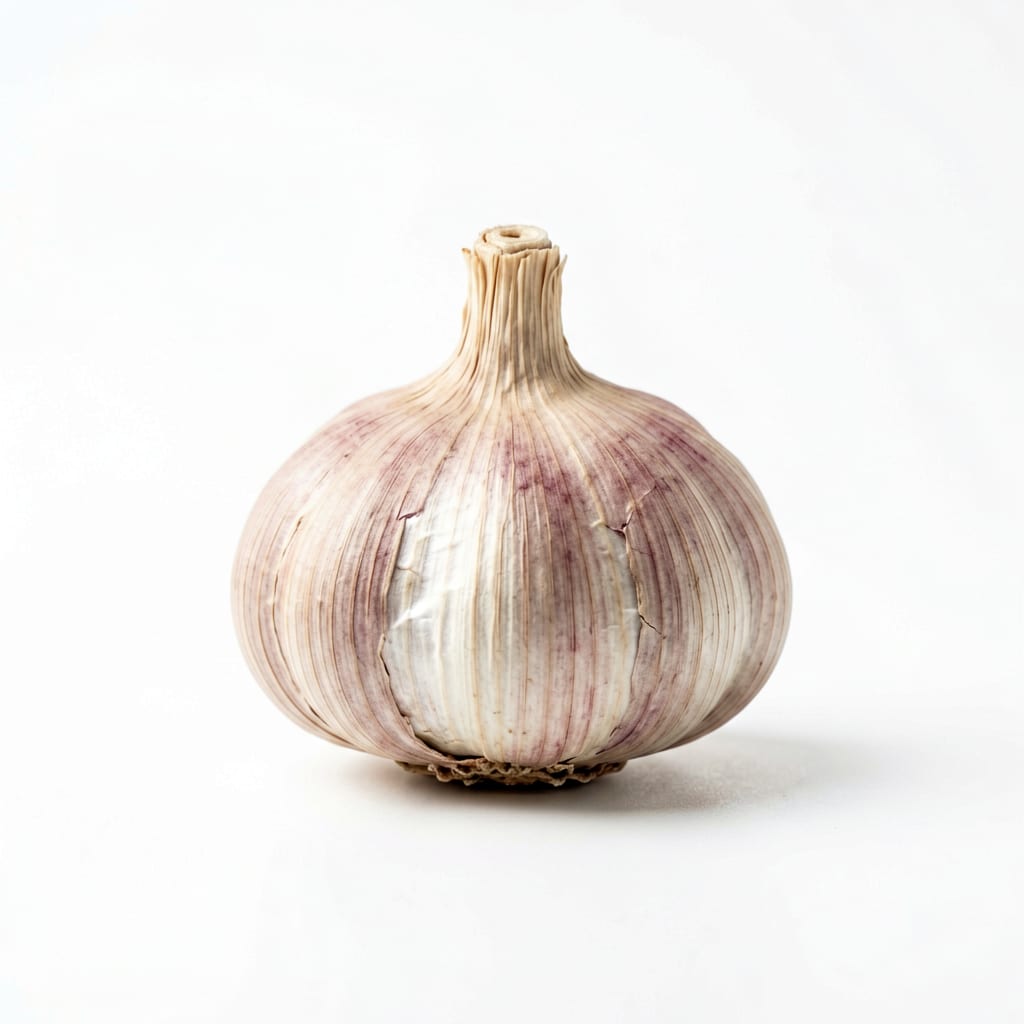
Garlic
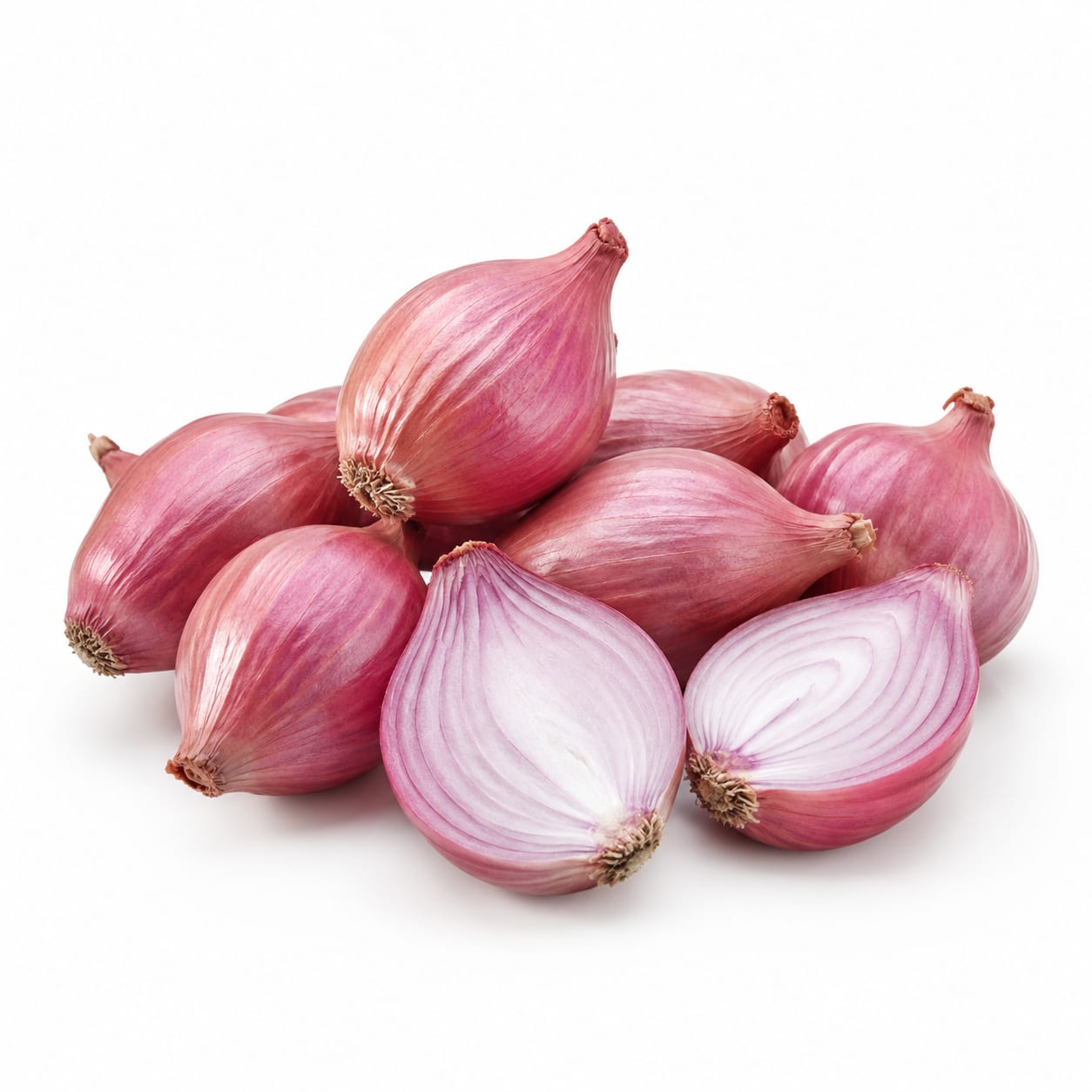
Shallots
Garlic is the medicinal powerhouse; shallots are the culinary workhorse. Choose based on whether you prioritize targeted health benefits or everyday cooking ease.
Garlic scores higher for concentrated health benefits but loses points for digestive intolerance and limited culinary flexibility. Shallots score slightly lower overall but win on daily livability and ease of use.
Garlic delivers stronger therapeutic compounds but can overwhelm dishes and upset sensitive stomachs. Shallots sacrifice potency for versatility and gentleness.
At a glance
Executive summary
Overall
It depends
Healthier
Garlic
More practical
Shallots
Daily use
Shallots
Key comparison lenses
medicinal potency vs culinary versatility
Garlic is a concentrated functional food while shallots offer broader everyday cooking use
flavor intensity and digestibility tradeoffs
Garlic's strength is also its drawback — shallots provide gentler flavor with less digestive risk
immune and cardiovascular benefits
Allicin in garlic gives it a significant edge for targeted health outcomes
daily practicality and recipe flexibility
Shallots integrate more easily into a wider range of dishes without dominating flavor
Best choice for
Garlic
- Immune support during cold season
- Cardiovascular health optimization
- Anti-inflammatory protocols
- People who enjoy bold savory flavor
Shallots
- Everyday cooking without dominating dishes
- Raw applications like vinaigrettes
- Sensitive digestion that reacts to garlic
- Elegant or subtle flavor profiles
Least suitable for
Garlic
- People with GERD or IBS triggers
- Dishes requiring delicate flavor balance
- Anyone sensitive to strong breath odor
Shallots
- Targeted immune-boosting regimens
- Situations requiring maximum allicin intake
- Budget-conscious shoppers (shallots cost more per pound)
Deep comparison
Dimension by dimension
Each lens scores both foods and breaks down who each option suits.
- Dimension 1 · Priority 95Garlic
medicinal potency
Garlic · 94Shallots · 52Garlic contains allicin, a uniquely potent sulfur compound with documented antimicrobial, anti-inflammatory, and cardioprotective effects. Shallots have beneficial compounds but at much lower concentrations.
Tradeoff
You get stronger therapeutic effects from garlic but must tolerate its intensity and potential digestive irritation.
Why it matters
If you're eating alliums partly for health insurance, garlic delivers far more per gram.
Real-world impact
Regular garlic consumption is linked to lower blood pressure and reduced cold frequency — shallots cannot match these outcomes at typical serving sizes.
Garlic
- Targeted immune support
- Blood pressure management
- Antimicrobial benefits
Better for
- People on blood thinners (allicin interaction risk)
Worse for
Shallots
- Gentle antioxidant support without digestive strain
Better for
- Anyone seeking maximum therapeutic dose from alliums
Worse for
- Dimension 2 · Priority 90Shallots
culinary versatility
Garlic · 58Shallots · 89Shallots can be eaten raw, caramelized, pickled, or used as a base aromatics without hijacking a dish. Garlic demands careful dosing or it takes over.
Tradeoff
Shallots let you use more volume freely; garlic requires restraint and timing awareness.
Why it matters
Everyday cooking rewards ingredients that play well with others. Shallots blend; garlic leads.
Real-world impact
A shallot vinaigrette tastes balanced and elegant. Raw garlic in the same dressing can taste harsh and linger for hours.
Garlic
- Dishes where bold garlic flavor is the star
- Quick sautés where pungency is desired
Better for
- Delicate fish dishes
- Light salads
- Meals where breath concerns matter after
Worse for
Shallots
- Raw preparations
- Sauces needing subtle sweetness
- French and Southeast Asian cuisine
- Dressings and marinades
Better for
- Recipes specifically calling for garlic punch
Worse for
- Dimension 3 · Priority 82Shallots
digestive tolerance
Garlic · 45Shallots · 74Garlic is a common IBS and GERD trigger due to fructans and concentrated sulfur compounds. Shallots are gentler though not risk-free for sensitive individuals.
Tradeoff
Garlic's medicinal strength comes from the same compounds that irritate sensitive digestive systems.
Why it matters
If you avoid garlic due to bloating or heartburn, shallots offer a middle ground with allium flavor and less punishment.
Real-world impact
Many people report garlic causes gas, acid reflux, or stomach pain — especially raw. Shallots cause fewer complaints at equivalent flavor contribution.
Garlic
- Robust digestive systems with no allium sensitivity
Better for
- Fructan-intolerant individuals
- People prone to heartburn
Worse for
Shallots
- IBS or FODMAP-sensitive individuals
- Acid reflux sufferers
- Anyone who finds garlic repeats on them
Better for
- Highly sensitive FODMAP responders (shallots still contain fructans)
Worse for
- Dimension 4 · Priority 72Garlic
antioxidant diversity
Garlic · 82Shallots · 70Garlic provides more concentrated antioxidants, especially allicin and selenium. Shallots offer a broader but milder antioxidant mix including quercetin and kaempferol.
Tradeoff
Garlic gives you more total antioxidant firepower per gram; shallots give you a wider variety at gentler doses.
Why it matters
Diverse antioxidant intake matters for long-term cellular protection. Both contribute but through different pathways.
Real-world impact
Eating both regularly gives better coverage than relying on either alone.
Garlic
- Maximum antioxidant density per bite
- Selenium intake support
Better for
- People who cannot tolerate enough volume to benefit
Worse for
Shallots
- Quercetin-specific benefits like allergy support
- Broader polyphenol spectrum
Better for
- Situations requiring concentrated dose
Worse for
- Dimension 5 · Priority 78Shallots
ease and frequency of daily use
Garlic · 55Shallots · 83Shallots are easier to incorporate multiple times daily without flavor fatigue or social discomfort. Garlic tends to be self-limiting.
Tradeoff
The more freely you can use an ingredient, the more cumulative benefit you get over time.
Why it matters
Consistency beats intensity. A food you enjoy daily outperforms one you tolerate occasionally.
Real-world impact
You can add shallots to breakfast eggs, lunch salad, and dinner sauce without thinking. Garlic in all three meals would feel excessive.
Garlic
- One targeted daily dose for health benefits
Better for
- Social situations involving close proximity
- Repeated daily use across multiple meals
Worse for
Shallots
- Multiple meals per day
- Cooking for others with varying taste preferences
- Meal prep versatility
Better for
- Cultures or recipes where garlic is expected as primary aromatics
Worse for
Timeline
Health impact over time
Short-term
Hours to days
Garlic
- May cause heartburn or bloating, especially raw
- Noticeable breath and body odor within hours
- Possible mild blood thinning effect
Shallots
- Mild digestive comfort in most people
- Subtle flavor satisfaction without overwhelming aftertaste
- Low risk of breath-related social concerns
Long-term
Months to years
Garlic
- Associated with lower blood pressure and improved cholesterol markers
- Consistent immune system support with regular consumption
- Potential anti-cancer properties from sulfur compounds
Shallots
- Steady antioxidant intake from diverse polyphenols
- Gentle cardiovascular support without intensity side effects
- Sustainable daily allium consumption for cumulative benefit
Risk profile
Safety & processing
Both garlic and shallots are whole, unprocessed foods as typically purchased. Pre-minced jarred garlic is an exception with preservatives — always choose fresh.
Garlic
Botulism in homemade garlic oil
highGarlic in oil at room temperature creates anaerobic conditions ideal for botulism toxin. Always refrigerate and use within days.
Blood thinner interaction
mediumHigh garlic intake can compound the effect of anticoagulant medications. Consult your doctor if on blood thinners.
Sprouted garlic concerns
lowSprouting reduces allicin content and slightly changes flavor but is not harmful to consume.
Shallots
Pesticide residue on conventionally grown
lowShallots tend to have lower pesticide residue than many vegetables but washing is still recommended.
Allergic cross-reactivity
lowRare but possible for those with allium allergies. Reactions are typically milder than with garlic.
Who wins for whom
Audience fit
Same foods, different winners depending on your goal.
children
ShallotsShallots provide gentle allium flavor without the intensity that many children reject. Easier to hide in sauces and mild dishes.
daily consumption
ShallotsShallots are easier to eat across multiple meals without flavor fatigue, digestive strain, or social self-consciousness.
diabetes
GarlicGarlic has stronger evidence for improving insulin sensitivity and reducing fasting blood glucose. The allicin content appears to play a functional role in glucose metabolism.
elderly
GarlicGarlic's cardiovascular and immune benefits are especially valuable for aging bodies, provided digestion tolerates it.
muscle gain
It dependsNeither is directly relevant for muscle building. Both serve as flavor tools to make protein-rich meals more enjoyable.
weight loss
It dependsBoth are extremely low calorie and add flavor without fat. Garlic may slightly edge out due to mild metabolism-boosting properties, but the difference is negligible at typical serving sizes.
Your move
Decision guide
Choose Garlic
- You want maximum immune and cardiovascular protection
- You enjoy bold, pungent flavor in your cooking
- You have no digestive sensitivity to alliums
- You are comfortable with garlic breath as a tradeoff
Choose Shallots
- You want allium flavor without dominating your dish
- You have mild garlic sensitivity but still want allium benefits
- You cook a lot of raw preparations like dressings and salsas
- You prefer subtle, sweet-savory flavor over intensity
Either works if
- You simply want to add depth to cooked dishes
- You are looking for natural anti-inflammatory foods
- You want low-calorie flavor boosters
Avoid both if
- You have a confirmed allium allergy
- You are on a strict low-FODMAP elimination phase
- You experience severe GERD triggered by any allium
Final recommendation
Use both. Garlic for targeted health benefits — one to two cloves daily. Shallots for culinary freedom — use as generously as you like. Together they cover each other's weaknesses.
Practical
Consumer tips
- 1
Let crushed garlic sit for 10 minutes before cooking to maximize allicin formation
- 2
Roasting both garlic and shallots mellows their bite and brings out natural sweetness
- 3
Store garlic in a cool, dry, ventilated container — never in plastic bags or the fridge
- 4
Shallots last longer than garlic when stored properly, often several weeks more
- 5
If garlic bothers your stomach, try black garlic — fermented, milder, and easier to digest
- 6
Pre-minced jarred garlic loses most of its allicin and often contains preservatives — always use fresh
- 7
Shallots caramelize faster than onions due to higher sugar content, making them ideal for quick pan sauces