
Nutrition comparison
Ginger vs Garlic: Health Benefits, Nutrition & Best Uses
Compare Ginger vs Garlic for immune support, digestion, and heart health. Find out which spice is better for nausea, inflammation, and daily cooking.
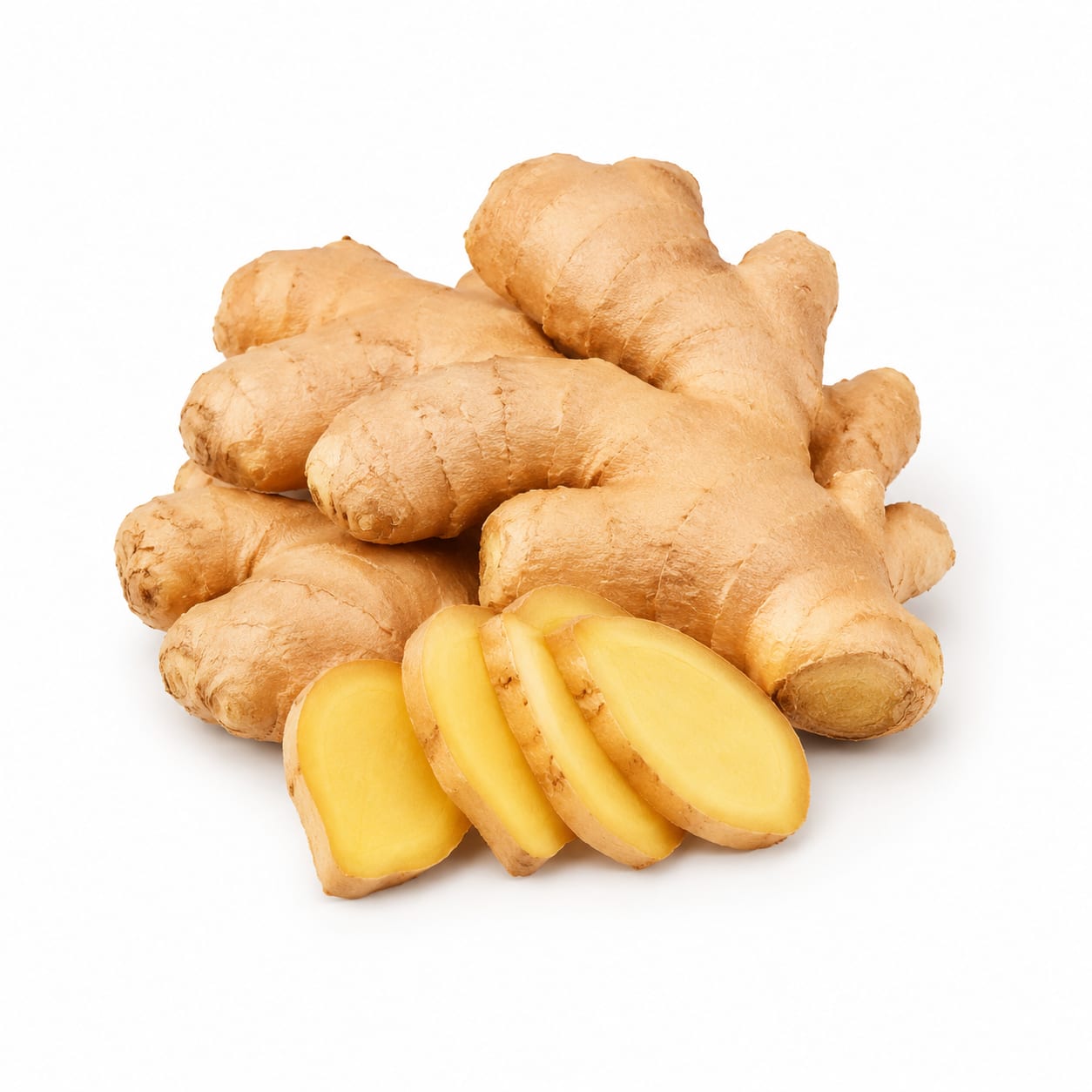
Ginger
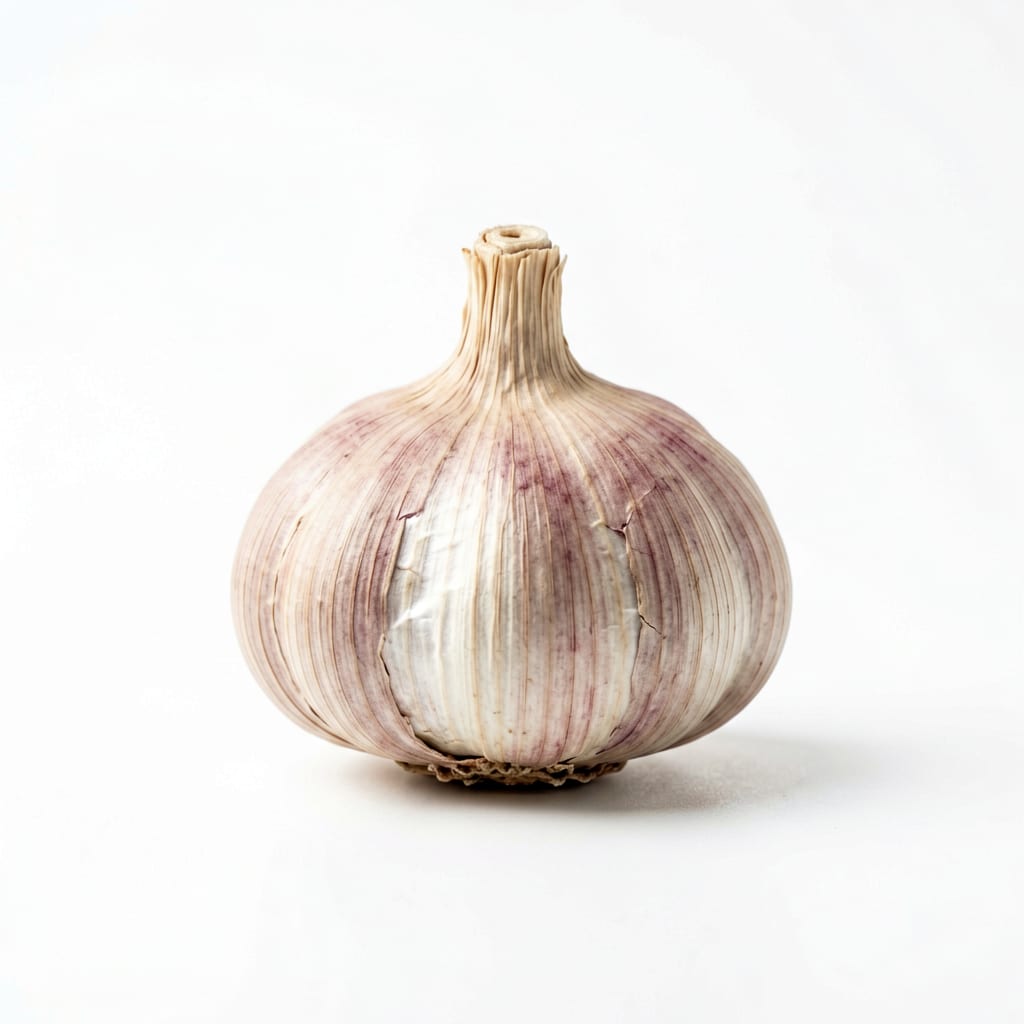
Garlic
Ginger and Garlic are both medicinal powerhouses with distinct strengths. Ginger soothes the stomach and eases pain, while Garlic defends against sickness and protects the heart.
Garlic edges out slightly due to its profound, well-documented impact on cardiovascular health and immune defense. Ginger remains incredibly valuable, especially for digestion and inflammation, but Garlic offers broader systemic protection for daily use.
You trade the gentle, stomach-settling anti-inflammatory benefits of Ginger for the stronger immune-boosting and heart-protecting power of Garlic.
At a glance
Executive summary
Overall
It depends
Healthier
It depends
More practical
It depends
Daily use
It depends
Key comparison lenses
Immune support and illness recovery
Both are famous natural remedies, but Garlic fights infections more aggressively while Ginger soothes symptoms.
Digestive comfort and tolerance
Ginger is a proven anti-nausea aid, whereas Garlic can trigger heartburn or bloating in sensitive people.
Cardiovascular protection
Garlic is heavily researched for lowering blood pressure and cholesterol, making it a heart health staple.
Anti-inflammatory and pain relief
Ginger is particularly effective for joint pain and muscle soreness, offering a natural alternative to over-the-counter pain relievers.
Best choice for
Ginger
- Managing nausea or motion sickness
- Reducing joint and muscle pain
- Soothing an upset stomach
- Easing menstrual cramps
Garlic
- Fighting off frequent colds and infections
- Lowering blood pressure naturally
- Improving cholesterol levels
- Adding savory depth to everyday cooking
Least suitable for
Ginger
- Those taking high doses of blood thinners
- People wanting a purely savory flavor profile
Garlic
- People with GERD, IBS, or sensitive stomachs
- Those concerned about strong breath odor in close settings
Deep comparison
Dimension by dimension
Each lens scores both foods and breaks down who each option suits.
- Dimension 1 · Priority 95Garlic
Immune Support & Infection Defense
Ginger · 82Garlic · 95Garlic is a stronger antimicrobial and immune defender thanks to its allicin compound, while Ginger offers milder immune support.
Tradeoff
Garlic actively fights off pathogens, whereas Ginger is better at calming the inflammatory response to an illness.
Why it matters
If you feel a cold coming on, Garlic is your best bet to fight the infection directly.
Real-world impact
Reaching for Garlic supplements at the first sign of a sore throat can shorten the duration of a cold.
Ginger
- Calming a cough or sore throat inflammation
Better for
- Directly eradicating severe pathogens
Worse for
Garlic
- Killing bacteria and warding off infections
Better for
- Soothing the stomach during illness
Worse for
- Dimension 2 · Priority 90Ginger
Digestive Comfort & Anti-Nausea
Ginger · 96Garlic · 45Ginger is one of the best natural remedies for nausea and upset stomachs, while Garlic can actually cause digestive distress.
Tradeoff
Ginger actively settles your stomach, but Garlic can trigger heartburn, gas, or bloating if you are sensitive.
Why it matters
For anyone prone to motion sickness, morning sickness, or indigestion, Ginger is a lifesaver.
Real-world impact
Drinking Ginger tea before a boat ride prevents motion sickness; eating raw Garlic might make your stomach churn.
Ginger
- Settling an upset stomach
- Preventing motion sickness
Better for
- Those who dislike its spicy, warming bite on an empty stomach
Worse for
Garlic
- Promoting healthy gut flora in tolerant individuals
Better for
- People with acid reflux or IBS
Worse for
- Dimension 3 · Priority 85Garlic
Cardiovascular Health
Ginger · 70Garlic · 94Garlic is a proven powerhouse for lowering blood pressure and improving cholesterol, far outpacing Ginger's heart benefits.
Tradeoff
Garlic offers direct, measurable improvements in heart health markers, while Ginger provides more circulatory warming than systemic lipid changes.
Why it matters
Heart disease is a leading health risk, and daily Garlic consumption is one of the simplest dietary interventions.
Real-world impact
Consistent Garlic intake can lower blood pressure similarly to some medications over time.
Ginger
- Improving peripheral circulation and warming cold extremities
Better for
- Making a major dent in high cholesterol
Worse for
Garlic
- Lowering blood pressure
- Reducing LDL cholesterol
Better for
- People already on blood pressure medications without doctor supervision
Worse for
- Dimension 4 · Priority 80Ginger
Anti-Inflammatory & Pain Relief
Ginger · 90Garlic · 75Ginger is highly effective at reducing muscle soreness and joint pain, acting much like a natural ibuprofen.
Tradeoff
Ginger targets pain and inflammation directly, while Garlic reduces inflammation more indirectly through immune and cardiovascular pathways.
Why it matters
For chronic pain or post-workout soreness, Ginger offers more immediate, noticeable relief.
Real-world impact
Adding Ginger to your post-workout smoothie can significantly reduce next-day muscle soreness.
Ginger
- Easing osteoarthritis pain
- Reducing exercise-induced muscle soreness
Better for
- Providing cardiovascular lipid benefits
Worse for
Garlic
- Lowering systemic vascular inflammation
Better for
- Targeting acute joint and muscle pain
Worse for
Timeline
Health impact over time
Short-term
Hours to days
Ginger
- Quickly soothes nausea and calms the stomach
- Provides a warming sensation that aids digestion
- Can mildly reduce acute muscle pain
Garlic
- Triggers a strong immune response at the onset of illness
- May cause immediate heartburn or breath odor
- Provides a noticeable savory flavor boost to meals
Long-term
Months to years
Ginger
- Reduced chronic joint pain and inflammation
- Better mobility and less stiffness
- More comfortable digestion overall
Garlic
- Lower resting blood pressure and improved cholesterol
- Stronger immune resilience against common infections
- Reduced risk of cardiovascular events
Risk profile
Safety & processing
Both Ginger and Garlic are whole, natural roots and bulbs that are typically consumed with minimal to no processing, making them incredibly clean additions to your diet.
Ginger
Mold contamination
mediumGinger root can develop mold if stored in damp conditions; always cut away soft or moldy spots before using.
Garlic
Botulism from improper storage
highStoring fresh Garlic in oil at room temperature creates an anaerobic environment where botulism spores can thrive. Always refrigerate garlic-in-oil.
Who wins for whom
Audience fit
Same foods, different winners depending on your goal.
children
GingerGinger is gentler on a child's developing digestive system and less likely to cause bad breath or stomach upset.
daily consumption
GarlicGarlic integrates more seamlessly into daily savory meals, offering consistent heart and immune benefits.
diabetes
GingerGinger has a slight edge for improving insulin sensitivity and lowering fasting blood sugar.
elderly
GarlicGarlic provides critical cardiovascular protection and immune support that older adults desperately need.
muscle gain
GingerGinger helps reduce post-workout muscle soreness, allowing for more consistent training.
weight loss
It dependsBoth add massive flavor with nearly zero calories, making them equally great for keeping healthy food exciting.
Your move
Decision guide
Choose Ginger
- You struggle with nausea, motion sickness, or indigestion
- You have chronic joint pain or frequent muscle soreness
- You want a warming, slightly sweet spice for teas and baking
Choose Garlic
- You want to lower your blood pressure or cholesterol naturally
- You are prone to catching colds and need immune support
- You cook a lot of savory dishes and want depth of flavor
Either works if
- You want to reduce overall inflammation in your body
- You are looking for zero-calorie flavor enhancers
- You want to add more disease-fighting plants to your diet
Avoid both if
- You are about to undergo surgery, as both can thin the blood
- You are on heavy blood-thinning medications without doctor approval
Final recommendation
Use both. They are complementary. Cook with Garlic for your heart and immune system, and sip on Ginger tea when your stomach aches or your joints hurt. Together, they cover almost every base of natural healing.
Practical
Consumer tips
- 1
Let crushed Garlic sit for 10 minutes before cooking; this activates the allicin compound before heat deactivates it.
- 2
Use fresh Ginger for nausea relief; dried ginger powder is more concentrated and works better for baking or joint pain.
- 3
Store Garlic in a cool, dark, dry place with good airflow, never in the fridge where it can sprout or get rubbery.
- 4
Freeze fresh Ginger root whole; it grates much more finely when frozen and lasts for months.
- 5
If raw Garlic upsets your stomach, try roasting it first to mellow the bite and make it easier to digest.