
Nutrition comparison
Garlic vs Nutritional Yeast: Which is Healthier?
Compare Garlic and Nutritional Yeast to see which is better for immunity, B-vitamins, and vegan diets. Discover the health benefits and tradeoffs of each.
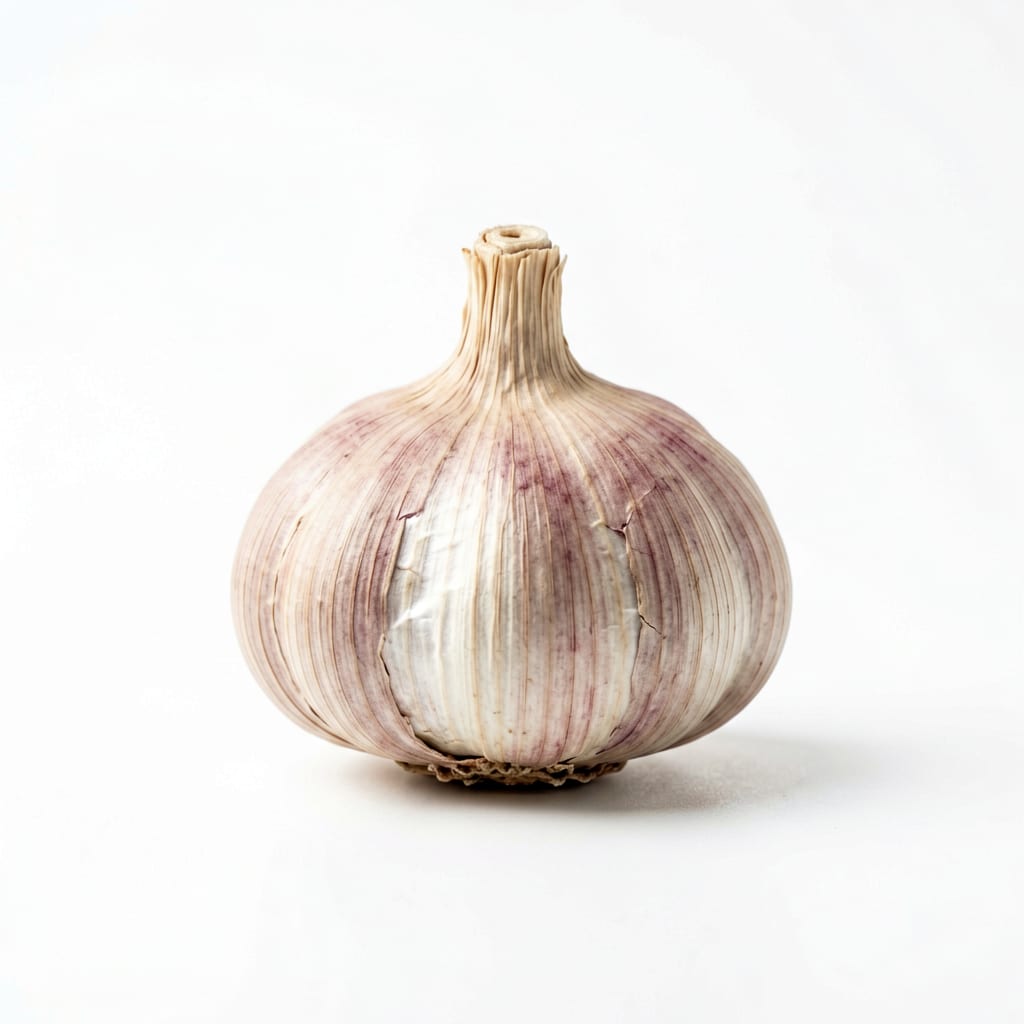
Garlic
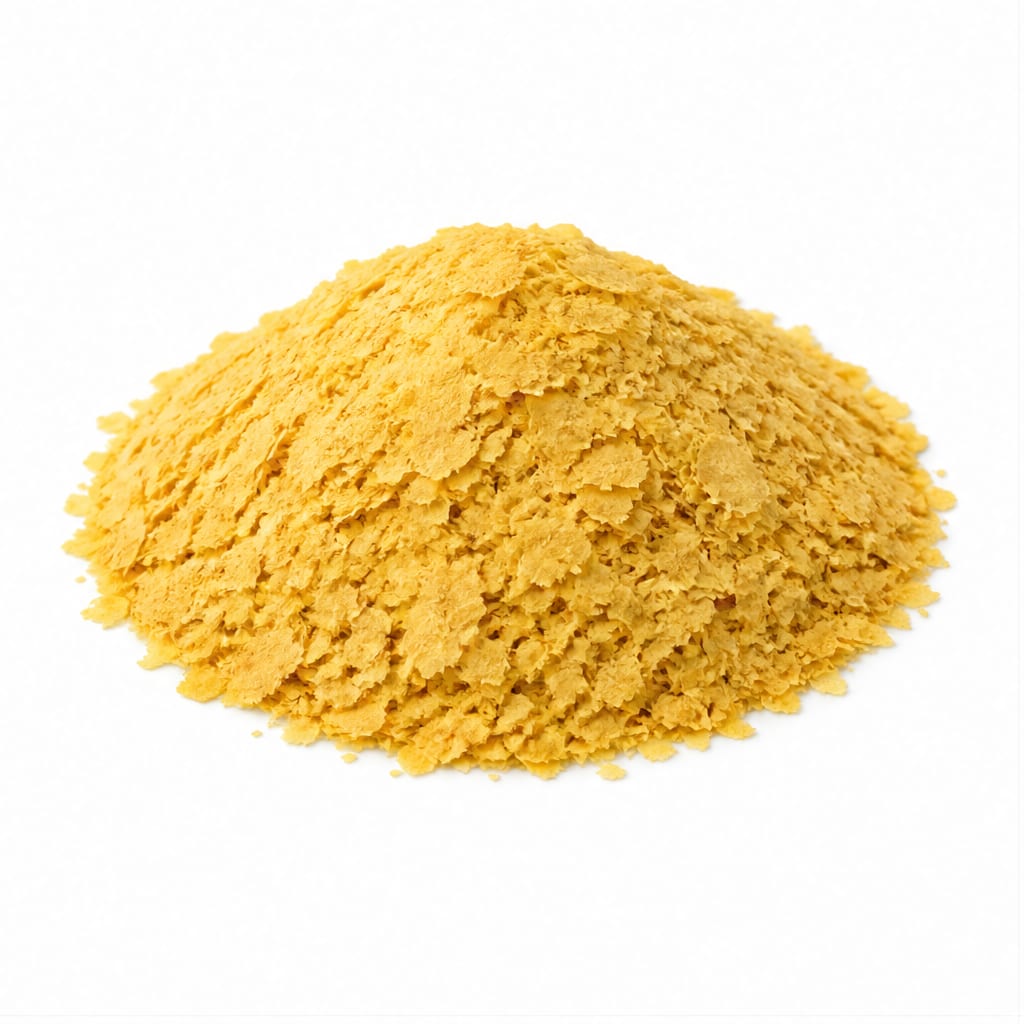
Nutritional Yeast
Garlic is a medicinal whole food powerhouse for immunity and heart health, while Nutritional Yeast is a fortified flavor-enhancer essential for vegan B12 intake.
Nutritional Yeast slightly edges out Garlic due to its unmatched B-vitamin profile and better digestive tolerance for daily use, though Garlic remains a superior whole-food medicinal ingredient.
Whole-food medicinal benefits and bold cooking flavor versus fortified B-vitamin convenience and gentle, cheesy umami.
At a glance
Executive summary
Overall
It depends
Healthier
It depends
More practical
Nutritional Yeast
Daily use
Nutritional Yeast
Key comparison lenses
Immune system support and antimicrobial benefits
Garlic is renowned for its immune-boosting allicin, while Nutritional Yeast supports immunity via B-vitamins and beta-glucans.
Vegan diet supplementation and B12 intake
Nutritional Yeast is a primary B12 source for vegans, a dimension where Garlic cannot compete.
Digestive tolerance and gut irritation
Garlic is a common IBS trigger and causes heartburn for some, whereas Nutritional Yeast is generally gut-friendly.
Culinary application and flavor profile
Garlic provides a pungent savory base for cooking, while Nutritional Yeast offers a cheesy umami finish as a topping.
Best choice for
Garlic
- Fighting off colds and infections
- Cardiovascular support and blood pressure management
- Building savory flavor bases in cooked meals
Nutritional Yeast
- Vegans needing reliable B12 intake
- Adding a cheese-like flavor without dairy
- Those with sensitive stomachs who cannot tolerate raw garlic
Least suitable for
Garlic
- People with GERD, IBS, or garlic intolerance
- Those on blood-thinning medications
- Casual raw snacking or gentle flavoring
Nutritional Yeast
- Those avoiding fortified or synthetic vitamins
- People with severe yeast sensitivities or histamine issues
- Recipes requiring a fresh aromatic cooking base
Deep comparison
Dimension by dimension
Each lens scores both foods and breaks down who each option suits.
- Dimension 1 · Priority 90Nutritional Yeast
Micronutrient Density
Garlic · 70Nutritional Yeast · 95Nutritional Yeast is densely packed with B-vitamins, often providing hundreds of percent of daily needs per serving, while Garlic offers moderate manganese and vitamin C.
Tradeoff
You get massive B-vitamin hits from Nutritional Yeast, but miss out on the unique organosulfur compounds found in Garlic.
Why it matters
B-vitamins are critical for energy and nerve function, making Nutritional Yeast a functional supplement disguised as a food.
Real-world impact
Sprinkling Nutritional Yeast on your meal can prevent B12 deficiency fatigue, whereas Garlic is unlikely to move the needle on daily vitamin intake.
Garlic
- Trace mineral intake like manganese and selenium
Better for
- Reliance on it for baseline daily vitamins
Worse for
Nutritional Yeast
- B-vitamin replenishment, especially B12
- Vegans avoiding animal-based nutrient sources
Better for
- Those seeking purely whole-food, unfortified nutrients
Worse for
- Dimension 2 · Priority 95Garlic
Immune and Antimicrobial Support
Garlic · 95Nutritional Yeast · 65Garlic is a potent natural antimicrobial and immune stimulant thanks to allicin, whereas Nutritional Yeast supports immunity indirectly through stress-reducing B-vitamins.
Tradeoff
Garlic actively fights pathogens and boosts immune cell activity, while Nutritional Yeast simply provides the building blocks for normal immune function.
Why it matters
When you feel a cold coming on, Garlic acts like a natural remedy, while Nutritional Yeast acts like a daily maintenance supplement.
Real-world impact
Eating raw Garlic at the onset of a sore throat can shorten illness, while Nutritional Yeast is better for keeping you from getting run down in the first place.
Garlic
- Acute immune threats and cold prevention
- Antimicrobial gut cleansing
Better for
- People who cannot tolerate raw Garlic for the allicin benefit
Worse for
Nutritional Yeast
- Long-term immune maintenance via nutrition
Better for
- Fighting off an active infection
Worse for
- Dimension 3 · Priority 85Nutritional Yeast
Digestive Tolerance
Garlic · 45Nutritional Yeast · 90Garlic is a notorious trigger for IBS, acid reflux, and heartburn, while Nutritional Yeast is generally very gentle and easy on the stomach.
Tradeoff
Garlic's medicinal potency comes with a high risk of digestive distress for sensitive individuals, whereas Nutritional Yeast offers high nutrition with almost zero gut irritation.
Why it matters
You cannot absorb nutrients well if your gut is inflamed, making tolerance just as important as content for daily use.
Real-world impact
A heavy Garlic meal can mean heartburn and disrupted sleep, while Nutritional Yeast on popcorn is a comforting, bloat-free snack.
Garlic
- Stimulating digestion in robust gastrointestinal tracts
Better for
- Those prone to acid reflux or IBS flare-ups
Worse for
Nutritional Yeast
- People with IBS or GERD
- Gentle daily flavoring without the burn
Better for
- Very rare cases of yeast sensitivities
Worse for
- Dimension 4 · Priority 90Nutritional Yeast
Plant-Based Diet Suitability
Garlic · 70Nutritional Yeast · 98Nutritional Yeast is practically a multivitamin for vegans, filling the hardest-to-get nutrient gaps, while Garlic is just a flavorful vegetable.
Tradeoff
Garlic makes plant-based food taste better, but Nutritional Yeast actually makes plant-based diets nutritionally viable long-term.
Why it matters
B12 deficiency is a real risk for vegans, and Nutritional Yeast is the easiest, most enjoyable way to prevent it.
Real-world impact
Two tablespoons of Nutritional Yeast on your pasta covers your B12 needs for the day; Garlic just makes the pasta taste incredible.
Garlic
- Making vegetables taste exciting for new vegans
Better for
- Filling macronutrient or critical vitamin gaps
Worse for
Nutritional Yeast
- Preventing B12 and B-vitamin deficiencies
- Replacing cheese flavor in vegan recipes
Better for
- Those who eat meat and dairy and need less B12 fortification
Worse for
- Dimension 5 · Priority 80It depends
Culinary Versatility and Flavor
Garlic · 90Nutritional Yeast · 85Garlic is the foundational aromatic of countless global cuisines, while Nutritional Yeast is a specialized finishing topping for umami and cheese replacement.
Tradeoff
Garlic transforms food from the inside out during cooking, while Nutritional Yeast transforms food from the outside in as a garnish.
Why it matters
Using the wrong one can ruin a dish; you cannot sauté in Nutritional Yeast, and you cannot sprinkle raw Garlic over popcorn pleasantly.
Real-world impact
Garlic is essential for a warm, savory soup base; Nutritional Yeast is essential for a dairy-free cheesy topping on roasted potatoes.
Garlic
- Building deep flavor in cooked dishes
- Marinades and sautéed bases
Better for
- Raw garnishing or mild flavoring
Worse for
Nutritional Yeast
- Sprinkling over finished meals for umami
- Dairy-free cheese sauces and toppings
Better for
- High-heat cooking or foundational aromatics
Worse for
Timeline
Health impact over time
Short-term
Hours to days
Garlic
- Potential immediate immune boost if consumed raw
- Risk of heartburn, bad breath, or body odor
- Quick antimicrobial action in the throat and gut
Nutritional Yeast
- Noticeable energy lift from B-vitamin complex
- Satisfying savory craving without dairy or heavy calories
- Gentle on digestion with no harsh aftertaste
Long-term
Months to years
Garlic
- Improved cardiovascular markers and blood pressure
- Reduced frequency of common colds
- Potential blood-thinning effects requiring monitoring before surgeries
Nutritional Yeast
- Prevention of irreversible nerve damage from B12 deficiency
- Sustained energy metabolism and red blood cell production
- Support for healthy skin and hair via B-vitamins
Risk profile
Safety & processing
Garlic is a raw, whole-food bulb straight from the ground. Nutritional Yeast is a processed product, grown on molasses, deactivated, and often fortified with synthetic B-vitamins, though it remains free of artificial chemicals and preservatives.
Garlic
Botulism from improper oil storage
highStoring raw Garlic in oil at room temperature creates an anaerobic environment where botulism spores can thrive.
Medication interaction
mediumGarlic acts as a natural blood thinner, which can compound the effects of anticoagulant medications.
Nutritional Yeast
Yeast sensitivity or histamine reaction
mediumThough deactivated, Nutritional Yeast can still trigger histamine responses or bloating in those with yeast sensitivities.
Synthetic fortification concerns
lowSome consumers prefer to avoid the synthetic B-vitamins used to fortify most Nutritional Yeast brands.
Who wins for whom
Audience fit
Same foods, different winners depending on your goal.
children
Nutritional YeastNutritional Yeast is an easy, sneaky way to add B-vitamins and a mild cheesy flavor to kid-friendly foods without the pungent bite of Garlic.
daily consumption
Nutritional YeastNutritional Yeast is gentler on the stomach, easier to consume in varied meals, and provides essential daily B-vitamins without the social downside of constant Garlic breath.
diabetes
GarlicGarlic has demonstrated potential to improve insulin sensitivity and lower fasting blood sugar, whereas Nutritional Yeast offers less direct glycemic benefit.
elderly
Nutritional YeastB12 absorption declines with age, making Nutritional Yeast crucial for the elderly, while Garlic's blood-thinning properties pose higher risks for older adults on medications.
muscle gain
Nutritional YeastNutritional Yeast offers a surprising amount of complete protein per serving, supporting muscle repair, while Garlic provides negligible macronutrients.
weight loss
Nutritional YeastNutritional Yeast provides a high-satisfaction cheesy flavor with low calories and a solid protein/fiber punch that keeps you full, whereas Garlic just makes food tastier without adding satiety.
Your move
Decision guide
Choose Garlic
- You feel a cold coming on and want an immune boost
- You are cooking a savory soup, stew, or stir-fry base
- You want cardiovascular and blood pressure support
Choose Nutritional Yeast
- You eat a plant-based diet and need B12
- You want a dairy-free cheese substitute for popcorn or pasta
- You have a sensitive stomach but want a flavorful, nutrient-dense topping
Either works if
- You simply want to add more savory depth to a vegetable dish
- You are looking to increase your intake of trace minerals and antioxidants
Avoid both if
- You are on strict blood thinners and have a severe yeast allergy
Final recommendation
Keep both in your kitchen but use them differently. Use Garlic as your medicinal cooking base for heart and immune health, and rely on Nutritional Yeast as your daily B-vitamin insurance and guilt-free cheesy topping.
Practical
Consumer tips
- 1
Let crushed Garlic sit for 10 minutes before cooking to allow the allicin to form and maximize health benefits.
- 2
Look for unfortified Nutritional Yeast if you prefer to avoid synthetic vitamins, but know you will miss out on the B12.
- 3
Roast Garlic to mellow its pungency and make it easier on the stomach if raw Garlic causes you heartburn.
- 4
Never store raw Garlic in olive oil at room temperature to avoid the risk of botulism.