
Whole Grain
Freekeh
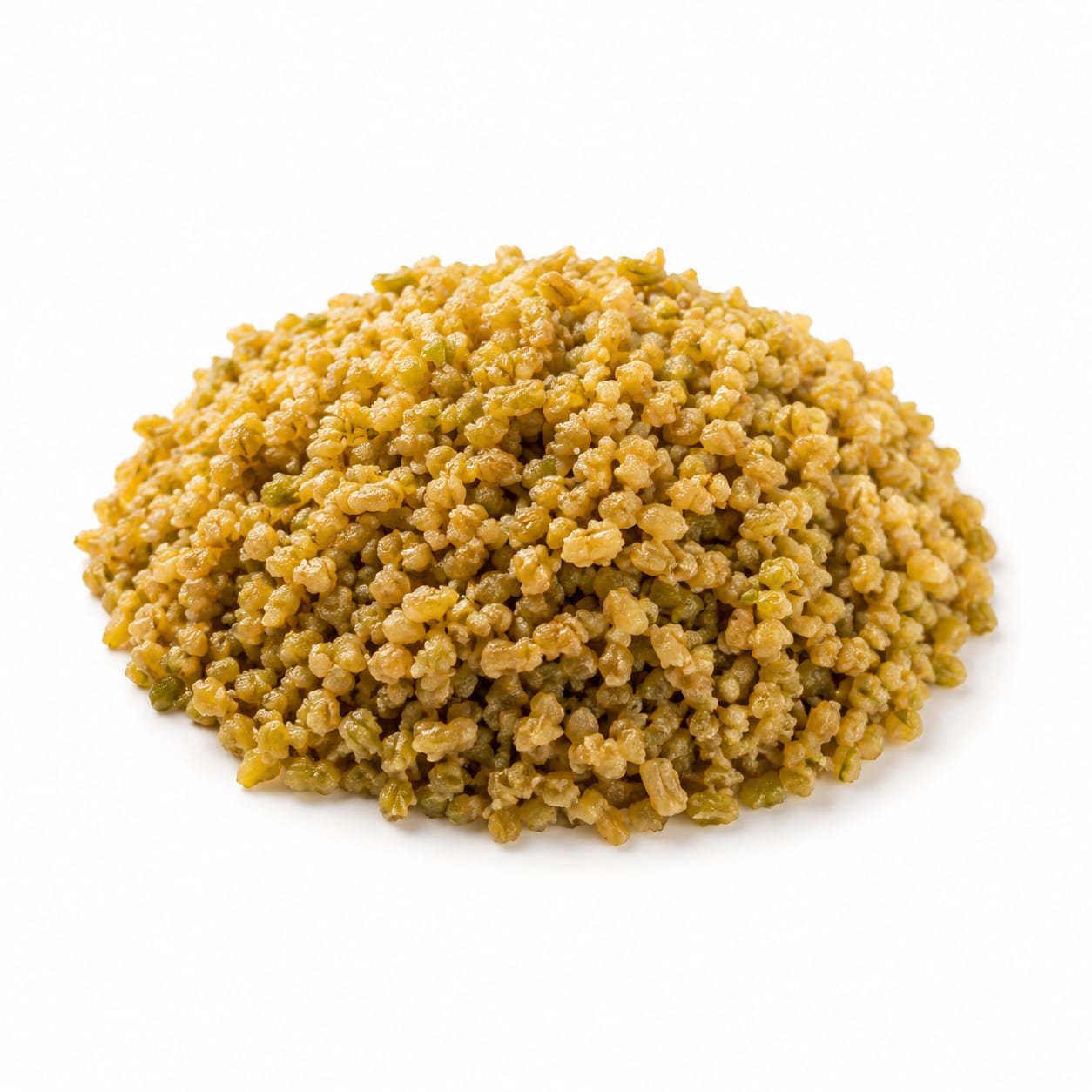
Freekeh is a low-glycemic, high-fiber whole grain made from roasted green wheat.
Freekeh is a traditional Middle Eastern grain made from green wheat that is harvested early, roasted, and rubbed to create a distinct smoky, nutty flavor and chewy texture.
high-fiber whole grain carbohydrate source
Typical serving · 45g
Common varieties · whole freekeh, cracked freekeh, organic freekeh
Overall context score across nutrition, safety, and diet fit
At a glance
Quick facts
Simple indicators based on nutrition, processing, and diet fit.
The story
What makes it unique
Freekeh is composed primarily of complex carbohydrates with a significant proportion of resistant starch and dietary fiber. Its early harvest and roasting process preserve nutrients and increase fiber content relative to mature wheat. Digestion is slow due to the intact bran and resistant starch, resulting in a low glycemic index and prolonged satiety.
Varieties: whole freekeh · cracked freekeh · organic freekeh
Per 100g
Nutrition breakdown
Macro balance and key metrics at a glance.
Energy
Density 3.40 kcal/g
Protein
Carbs
Fat
Fiber
Sugar
0.5 g
Sodium
10 mg
Potassium
310 mg
Glycemic index
45
Glycemic load
27
Water content
10%
Standout compounds
Nutrient highlights
Dietary Fiber
highPromotes satiety and supports digestive regularity
Resistant Starch
highActs as a prebiotic to feed beneficial gut bacteria
Protein
moderateSupports muscle maintenance and increases meal satiety
Manganese
moderateSupports bone health and metabolic function
Iron
moderateEssential for oxygen transport in the blood
Wellness map
Health scores & processing
NOVA processing scale
minimally processed · Whole food
Freekeh undergoes minimal processing, limited to harvesting, roasting, and cracking, with no added artificial ingredients.
Diet compatibility
- Weight loss
- Muscle gain
- Diabetes
- Gut health
- Low carb
- High protein
- Heart health
Relative standing
Food rankings
Qualitative ranks compared to similar whole foods.
- Satietyexcellent
- Blood sugarexcellent
- Nutrient densitygood
- Fitness fuelgood
- Processing qualityexcellent
Eat with confidence
Food safety profile
Freekeh is generally safe but contains gluten, making it unsuitable for individuals with celiac disease or wheat allergies. Conventional wheat may carry pesticide residues, so organic options are preferred.
Evidence confidence 90%
- Pesticidesmoderate
- Antibioticslow
- Heavy metalslow
- Contaminationlow
Watch for
- gluten
- pesticide residues
Safer choices
organic freekeh
Prep tips
Rinse freekeh under cold water before cooking to remove any dust or debris.
Standard agricultural pesticide regulations apply; not safe for those with celiac disease or gluten intolerance.
Deep dive
Health analysis
How this food may fit different goals and preparation choices.
Weight loss
High fiber and protein content relative to other grains increases satiety, helping to reduce overall calorie intake.
Blood sugar
Low glycemic index and high resistant starch slow glucose absorption, preventing sharp blood sugar spikes.
Fitness & energy
Provides sustained, slow-releasing carbohydrates ideal for endurance activities, though less suitable for rapid post-workout glycogen replenishment.
Gut health
Acts as a prebiotic due to its resistant starch and insoluble fiber, promoting healthy gut microbiome diversity.
Processing quality
A whole food with minimal processing; roasting enhances flavor without adding artificial chemicals or stripping nutrients.
Food safety
Safe for the general population but strictly contraindicated for those with gluten-related disorders.
Common mistakes
Overcooking cracked freekeh can turn it mushy; using too much water is a frequent error.
Best preparation
Simmer whole freekeh for 40-45 minutes or cracked freekeh for 15-20 minutes in a 1:2.5 grain-to-water ratio.
Practical guide
Best use cases
When and how this food fits real eating patterns.
High-fiber salad base
Use as a nutrient-dense foundation for grain bowls and salads to increase fiber intake and fullness.
Blood sugar friendly carb
Substitute for white rice or pasta in meals to prevent glucose spikes and provide sustained energy.
Gut health support
Consume regularly to provide prebiotic resistant starch that feeds beneficial gut bacteria.
Balance sheet
Pros & cons
Upsides
- High in fiber and resistant starch for gut health
- Low glycemic index helps stabilize blood sugar
- More protein than many other whole grains
- Minimally processed with no artificial additives
- Smoky, nutty flavor adds depth to meals
Trade-offs
- Contains gluten, unsuitable for celiacs
- Requires longer cooking time than white rice
- Not a complete protein source
- Can be harder to find in standard grocery stores
Fit check
Who is it for?
Great match
- blood sugar management
- gut microbiome support
- high-fiber vegetarian diets
- sustained energy for endurance
Consider alternatives
- strict ketogenic diets
- celiac disease or gluten intolerance
- rapid post-workout glycogen replenishment
Side by side
How it compares
Open the full head-to-head analysis for nutrition, safety, and practical tradeoffs.
This food
Freekeh
VS85% alike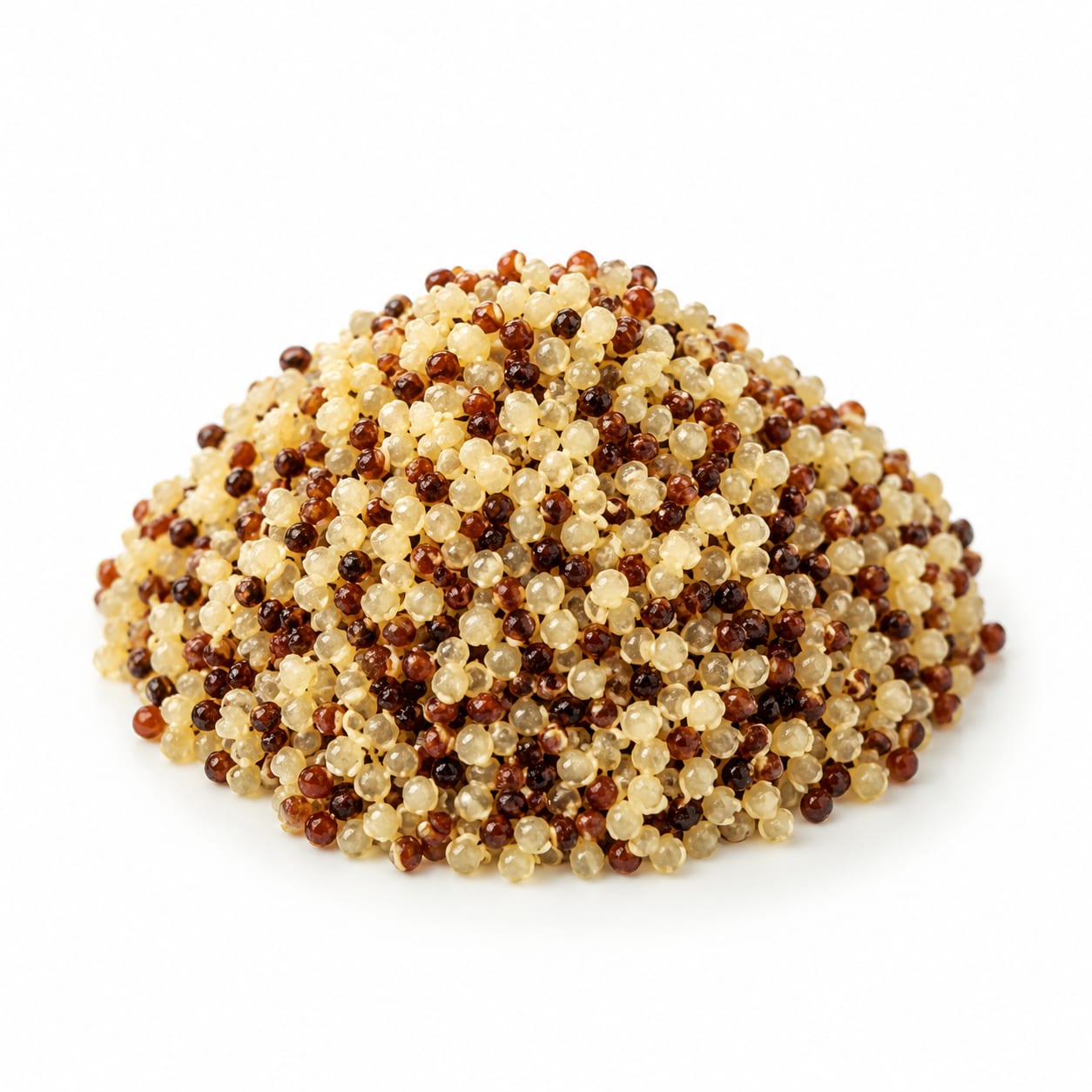
Compare with
Quinoa
Quinoa is gluten-free and a complete protein, while freekeh is higher in fiber and resistant starch.
Freekeh provides more fiber and better blood sugar control, while quinoa offers complete protein and is gluten-free.
This food
Freekeh
VS80% alike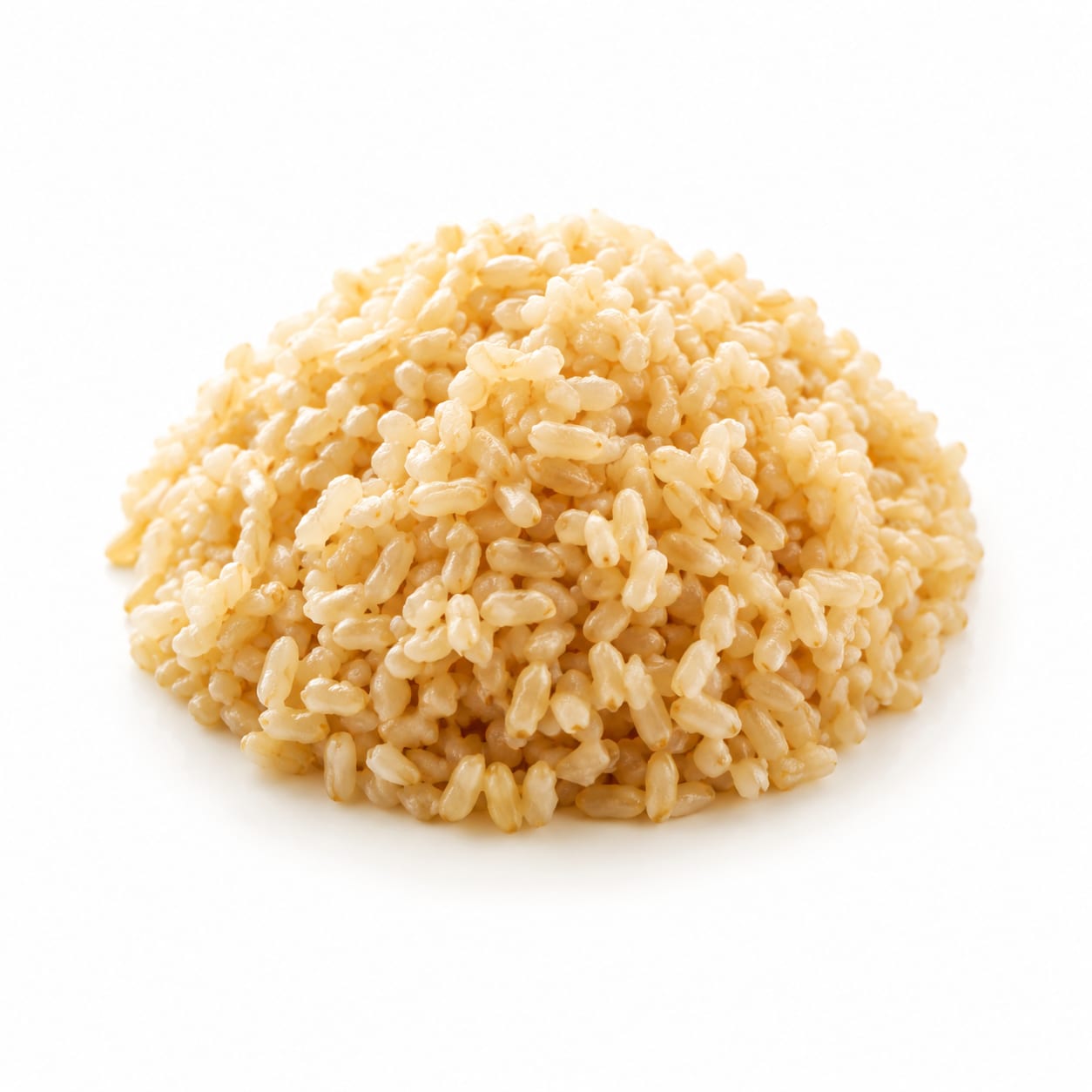
Compare with
Brown Rice
Freekeh has significantly more fiber and protein than brown rice, making it better for satiety.
Freekeh beats brown rice in fiber, protein, and satiety, making it a superior choice for weight loss and blood sugar management.
This food
Freekeh
VS90% alike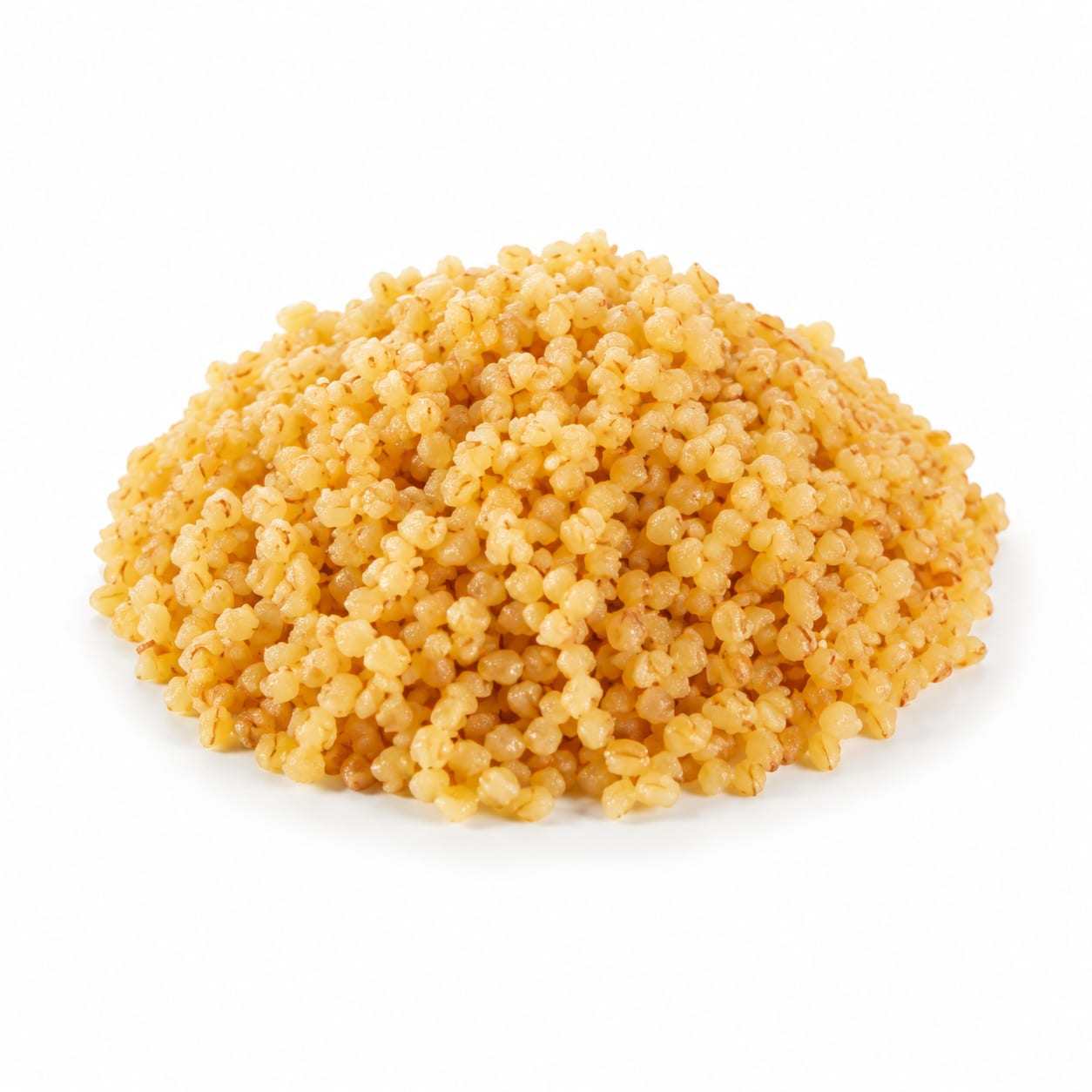
Compare with
Bulgur
Both are wheat products, but freekeh is harvested green and roasted, giving it a smokier flavor and more resistant starch.
Freekeh offers more resistant starch and a smokier flavor than bulgur, though both are high-fiber wheat grains.
This food
Freekeh
VS85% alike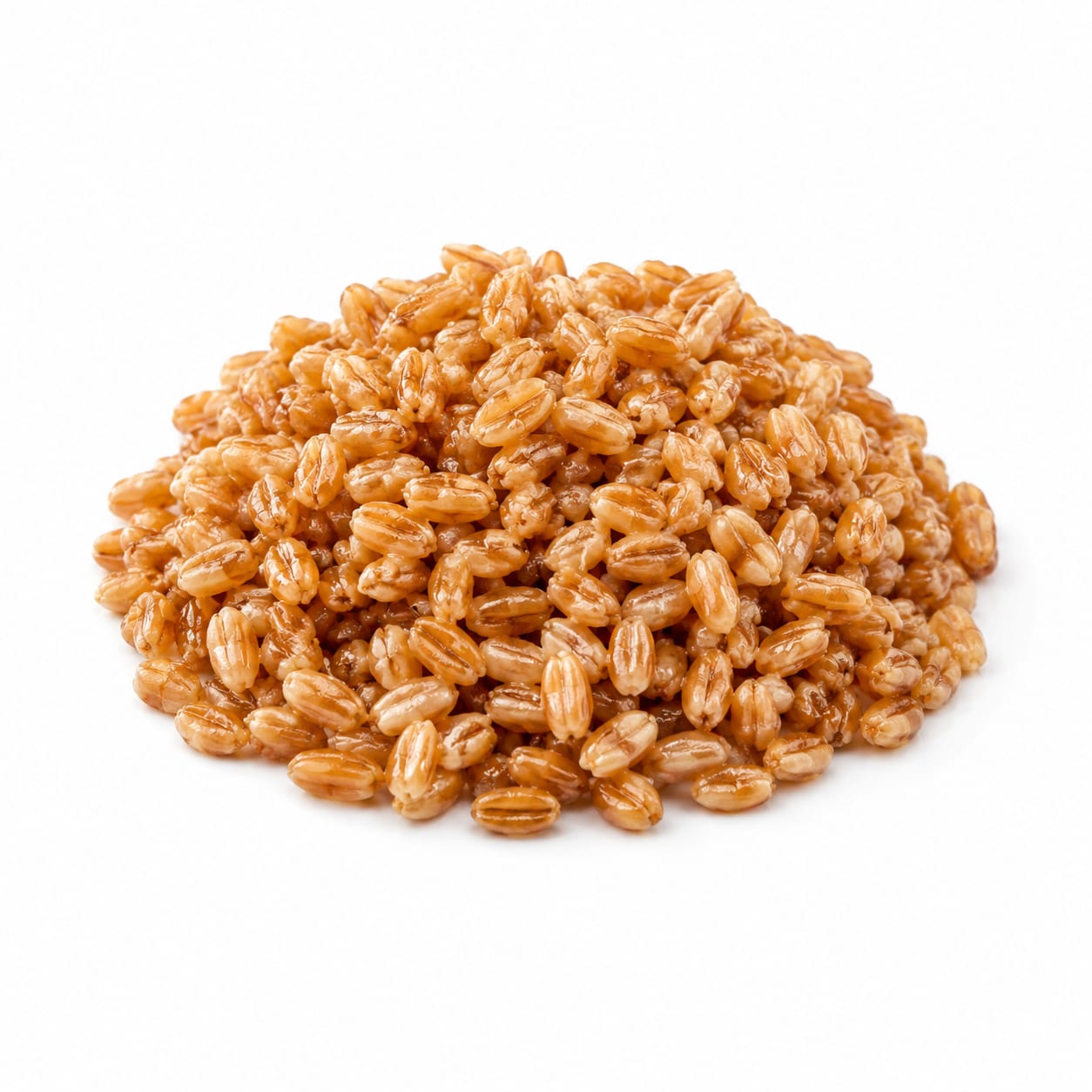
Compare with
Farro
Farro has a chewier texture and nuttier flavor, but freekeh offers a lower glycemic index and higher fiber.
Freekeh provides better blood sugar control and more fiber than farro, making it superior for weight management.
This food
Freekeh
VS80% alike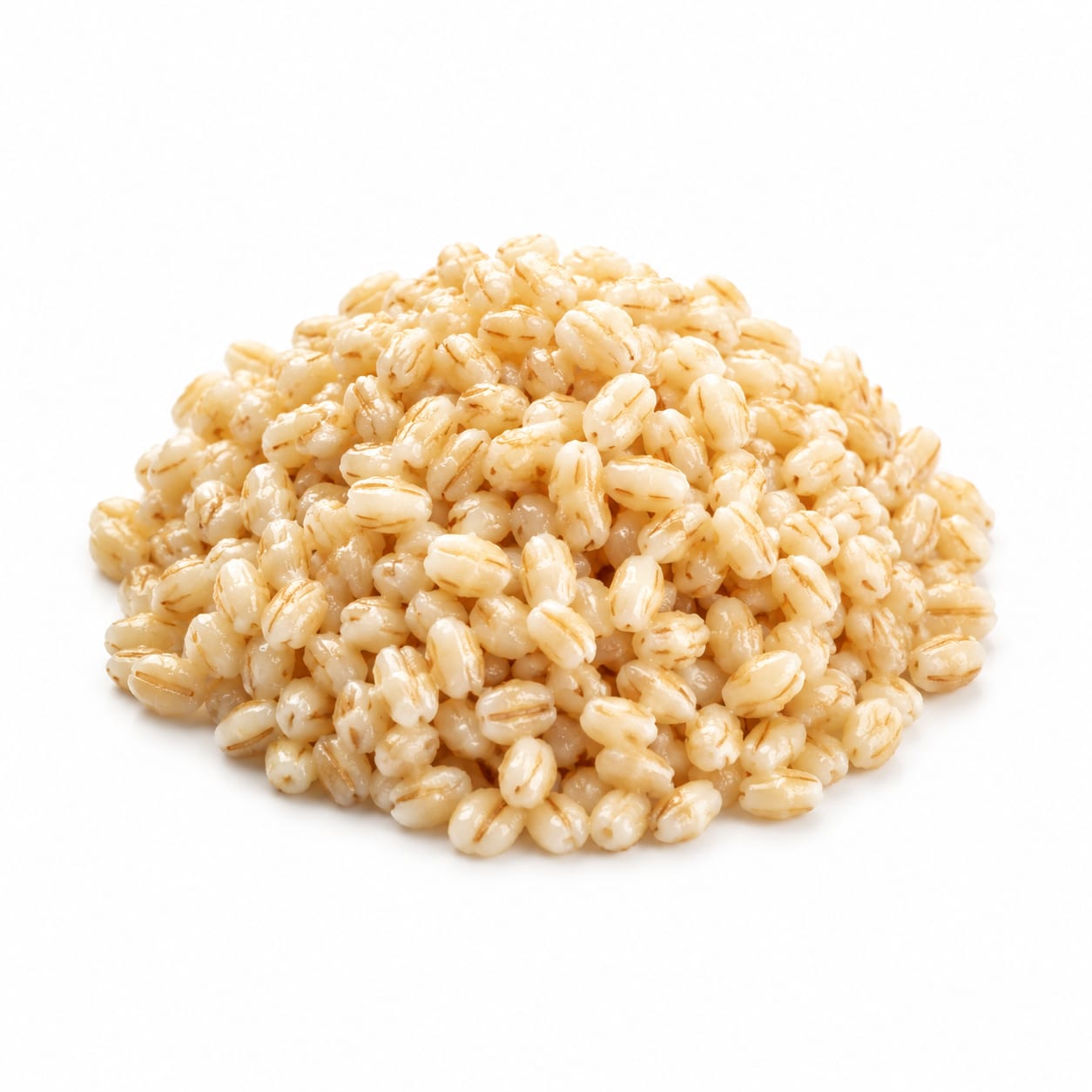
Compare with
Barley
Both are high-fiber grains, but freekeh is lower in calories and higher in protein per serving.
Freekeh is lower in calories and higher in protein than barley, offering a slight edge for weight loss and satiety.
This food
Freekeh
VS70% alike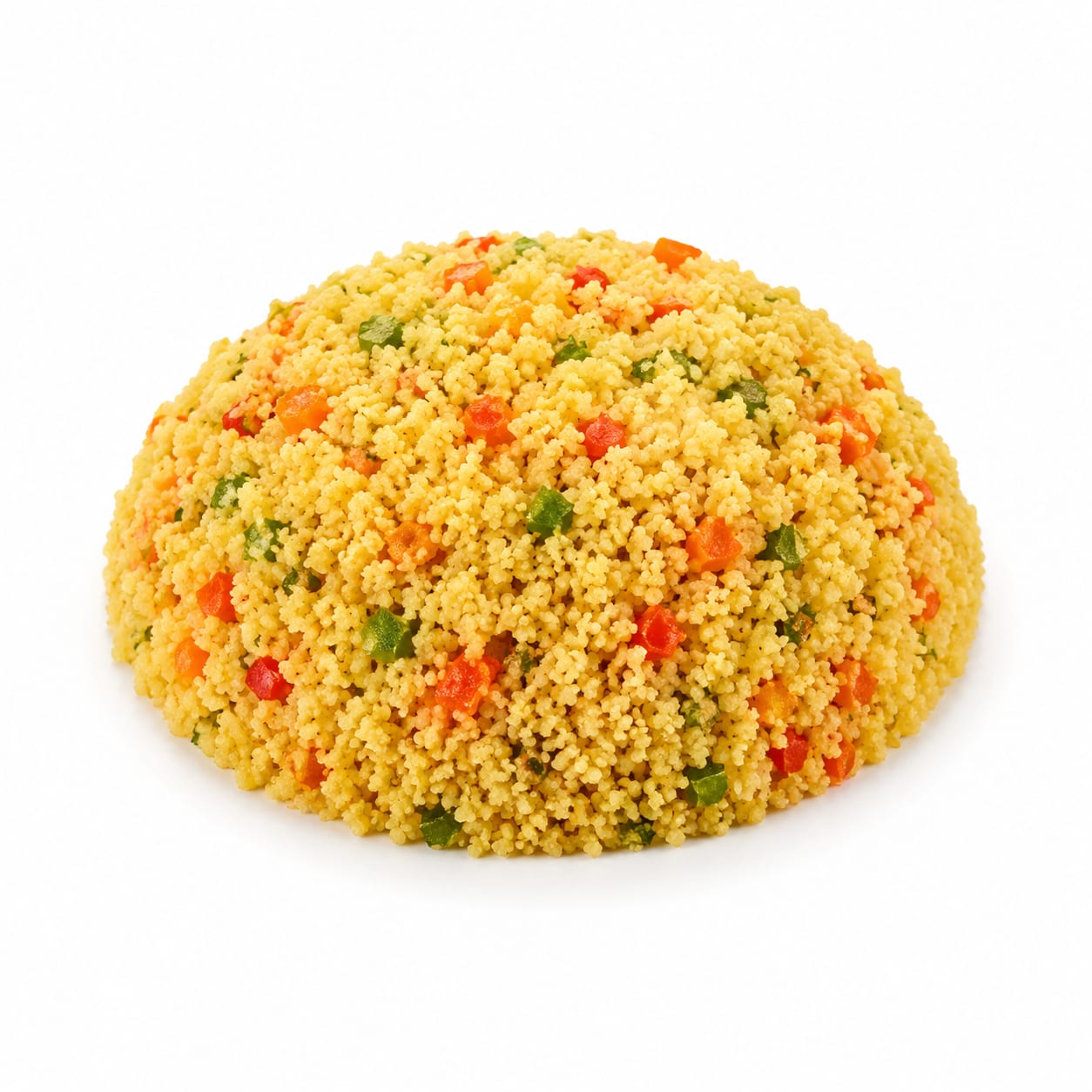
Compare with
Couscous
Freekeh is a whole grain with much more fiber and a lower glycemic index than refined couscous.
Freekeh is vastly superior to refined couscous in fiber, protein, and blood sugar control.
This food
Freekeh
VS75% alike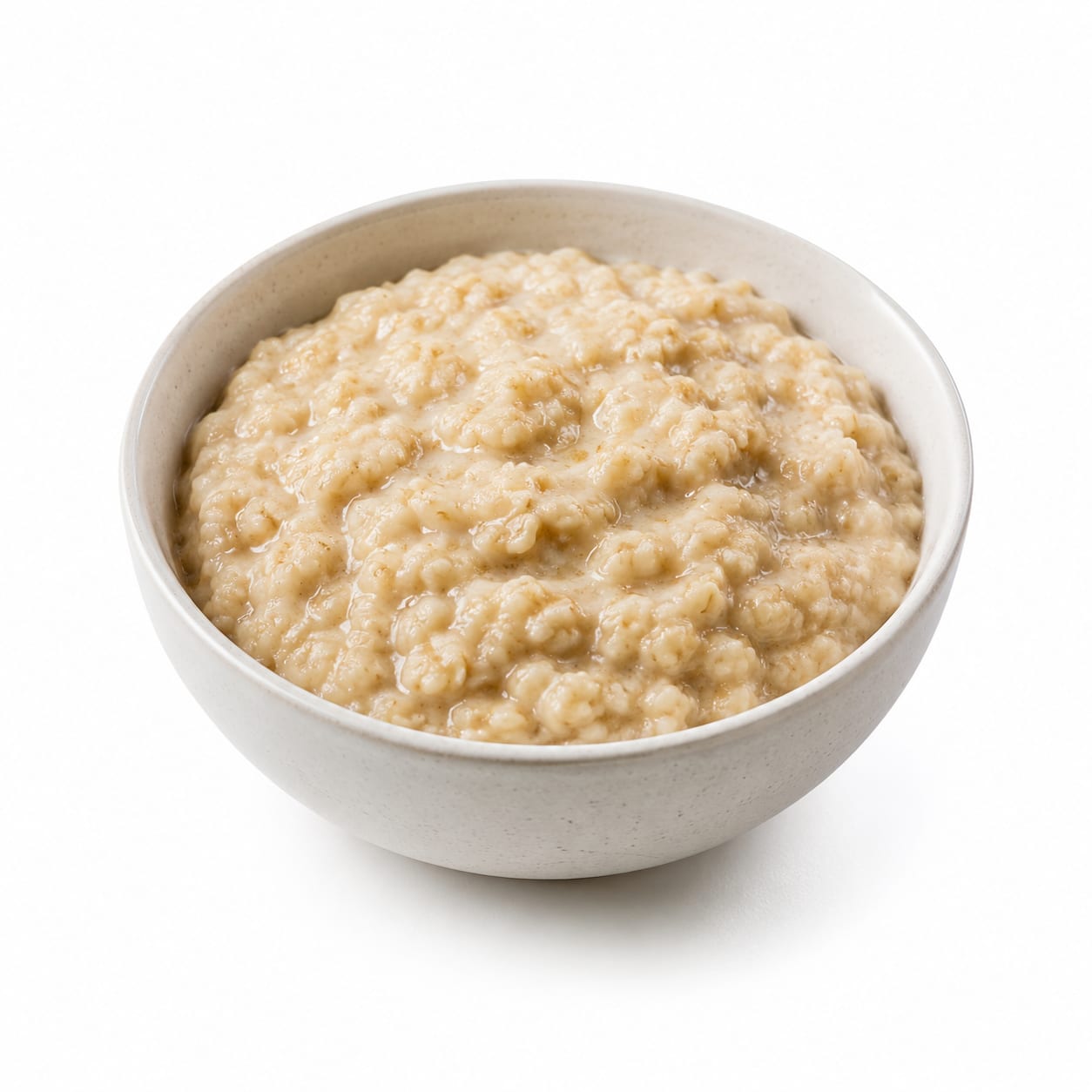
Compare with
Oatmeal
Oatmeal is higher in beta-glucan for cholesterol, while freekeh provides more resistant starch for gut health.
Oatmeal is better for lowering cholesterol, while freekeh offers more resistant starch and protein for gut health and satiety.
This food
Freekeh
VS60% alike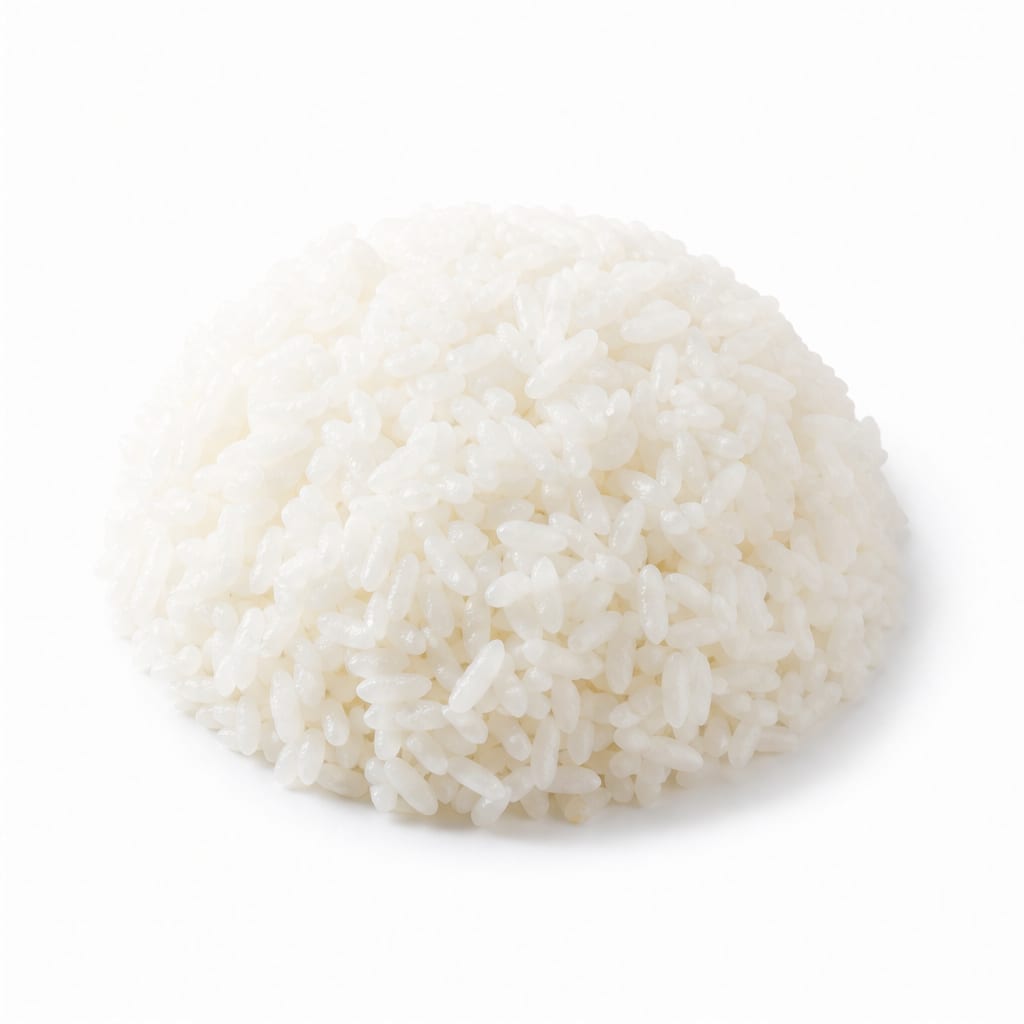
Compare with
White Rice
Freekeh is vastly superior in fiber, protein, and blood sugar control compared to white rice.
Freekeh dramatically outperforms white rice in nutrition, fiber, and blood sugar stabilization, though white rice digests faster for quick energy.
This food
Freekeh
VS75% alike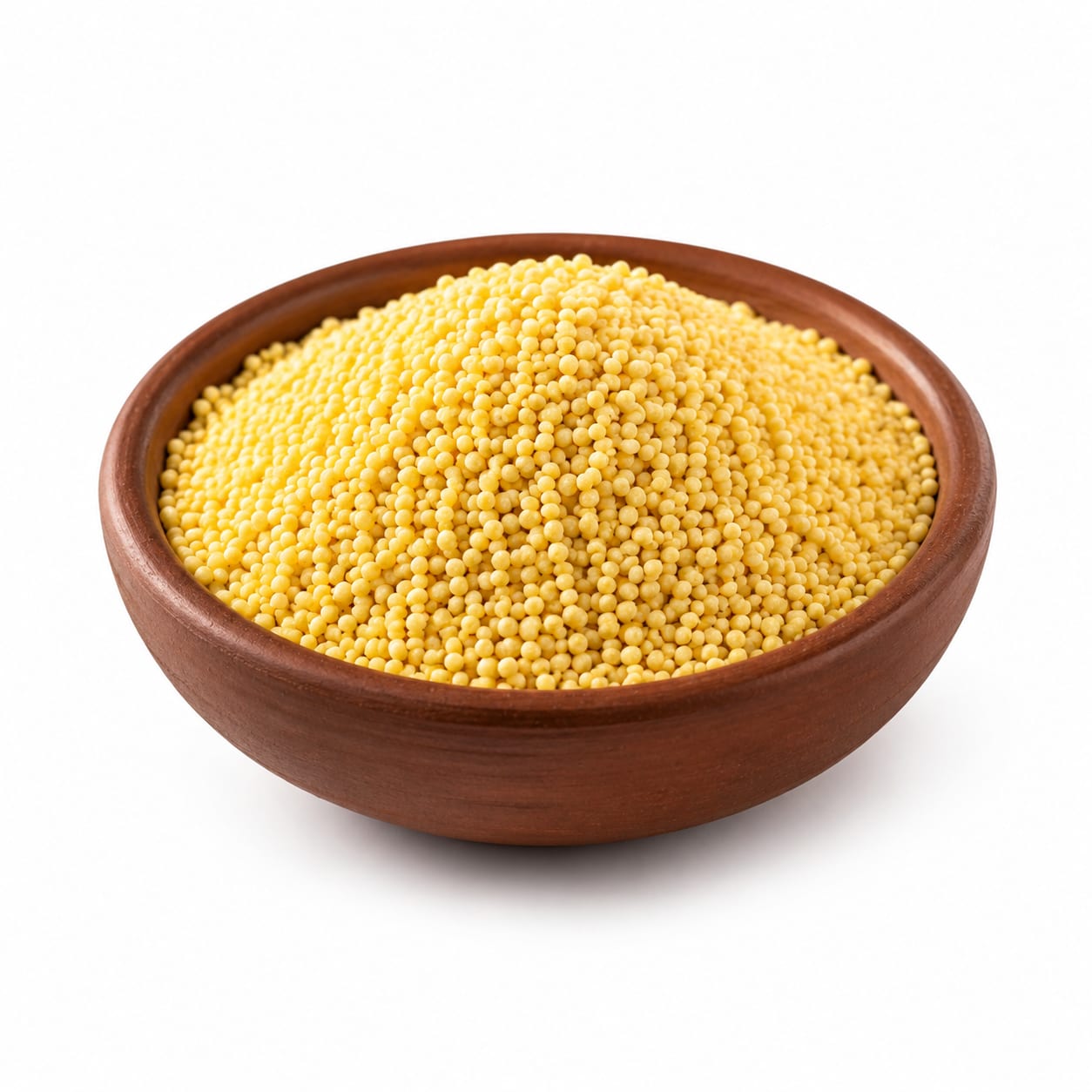
Compare with
Millet
Millet is gluten-free and alkaline, whereas freekeh is higher in protein and contains gluten.
Freekeh offers more protein and fiber than millet, but millet is the winner for those needing a gluten-free diet.
This food
Freekeh
VS65% alike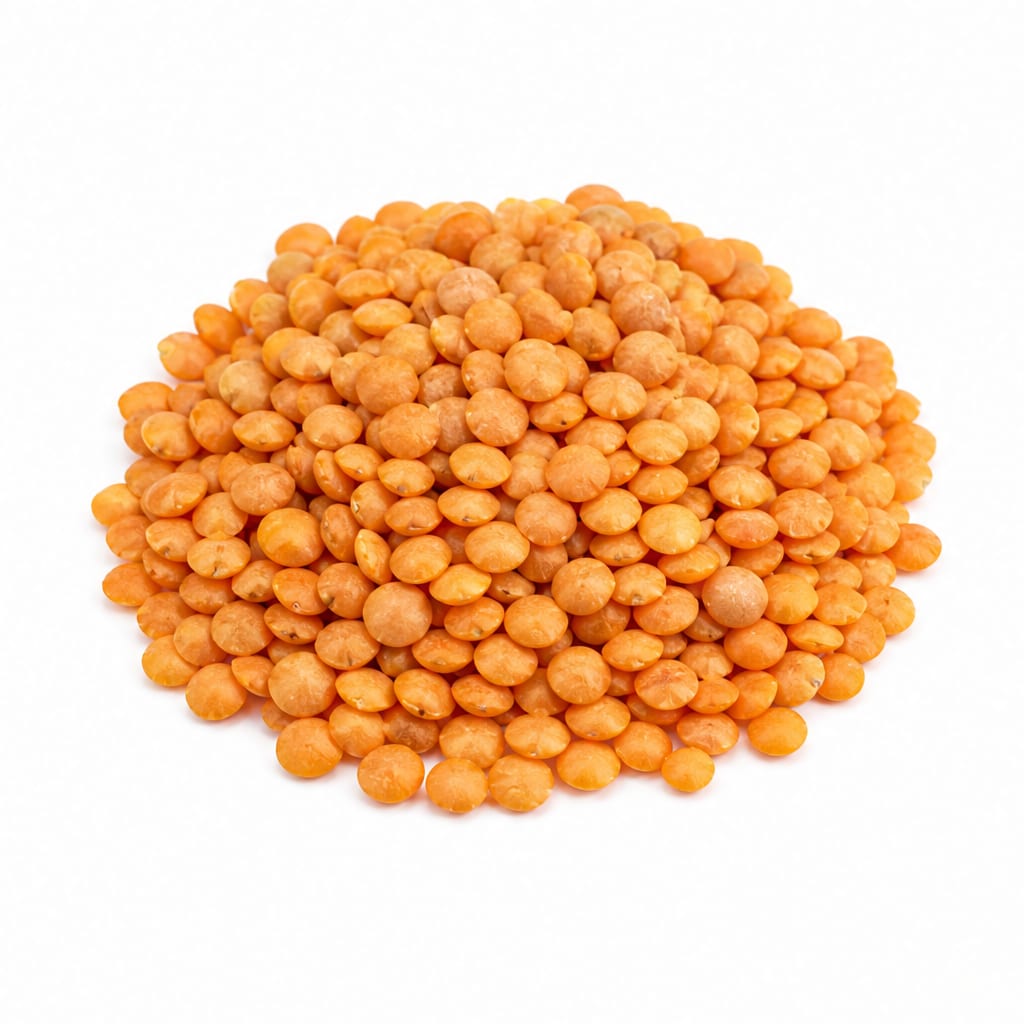
Compare with
Lentils
Lentils are legumes with much more protein and no gluten, while freekeh offers a smokier flavor and different starch profile.
Lentils provide more protein and are gluten-free, while freekeh offers a unique smoky flavor and high resistant starch.
Common questions
FAQ
Answers aligned with how people search for this food.
Is freekeh good for weight loss?
Yes, its high fiber and protein content increase satiety and help control appetite, making it easier to manage calorie intake.
Can diabetics eat freekeh?
Yes, freekeh has a low glycemic index and high resistant starch, which helps stabilize blood sugar levels and prevent glucose spikes.
Is freekeh gluten-free?
No, freekeh is made from wheat and contains gluten, making it unsafe for those with celiac disease or gluten intolerance.
What is the difference between whole and cracked freekeh?
Whole freekeh retains the entire grain and takes longer to cook, while cracked freekeh is broken into smaller pieces for faster cooking and a softer texture.
Is freekeh healthier than quinoa?
Freekeh offers more fiber and resistant starch, while quinoa is a complete protein and gluten-free; both are highly nutritious whole grains.
How do you cook freekeh?
Simmer whole freekeh in a 1:2.5 ratio of grain to water for 40-45 minutes, or cracked freekeh for 15-20 minutes until tender.
Does freekeh have resistant starch?
Yes, because it is harvested early while the wheat is still green, freekeh contains higher levels of resistant starch than mature wheat.
What does freekeh taste like?
Freekeh has a distinct smoky, nutty, and earthy flavor with a firm, chewy texture due to the roasting process of the green wheat.
Transparency
Data confidence
Estimated confidence for nutrition data, interpretation, safety notes, and comparisons.
Nutrition data
Health analysis
Food safety
Comparisons