
Nutrition comparison
Freekeh vs Lentils: Which Is Better for Protein, Fiber, and Gut Health?
Compare freekeh and lentils on protein, fiber, blood sugar impact, gluten, cost, and cooking convenience. Find out which whole food staple fits your health goals and lifestyle better.
Overall winner · Lentils
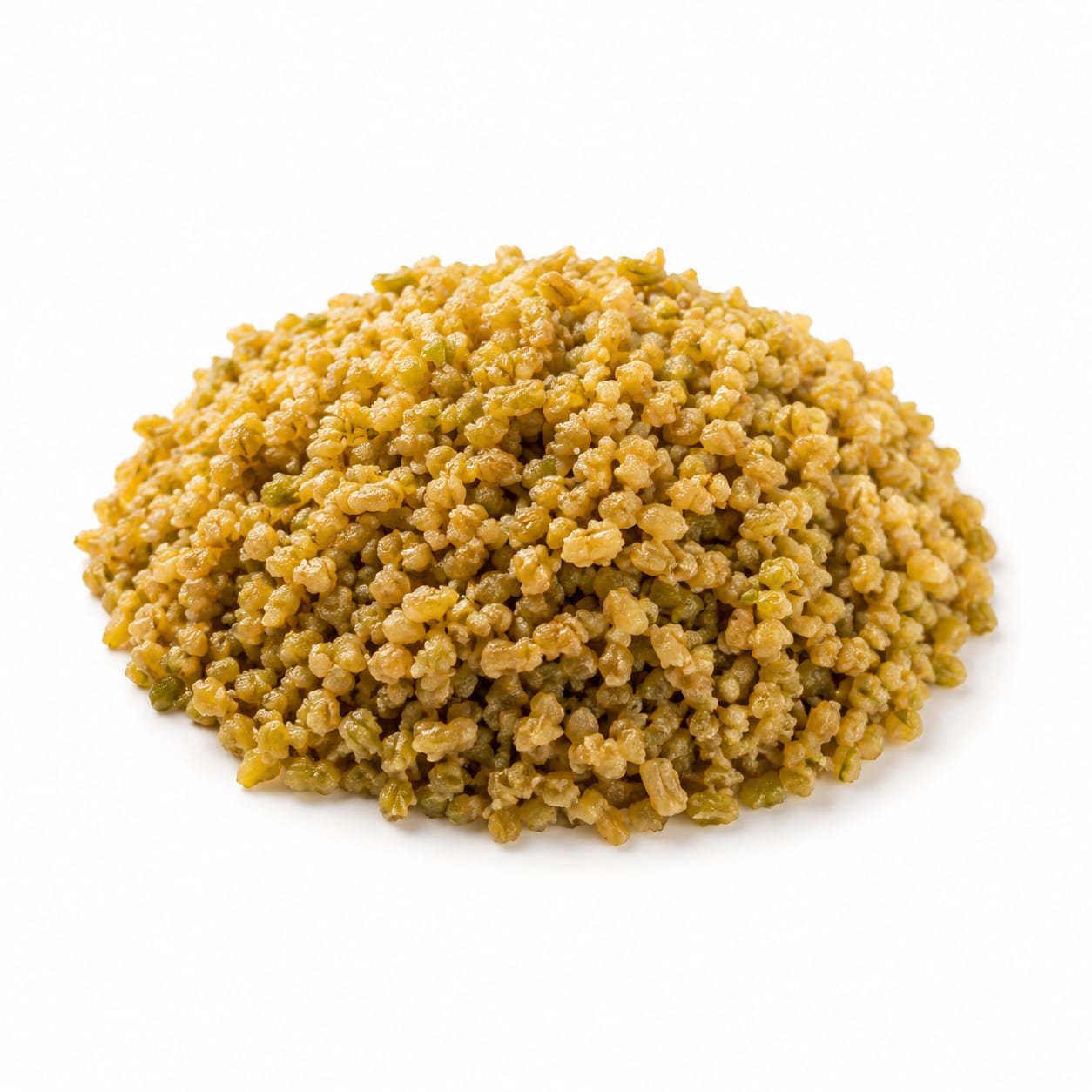
Freekeh
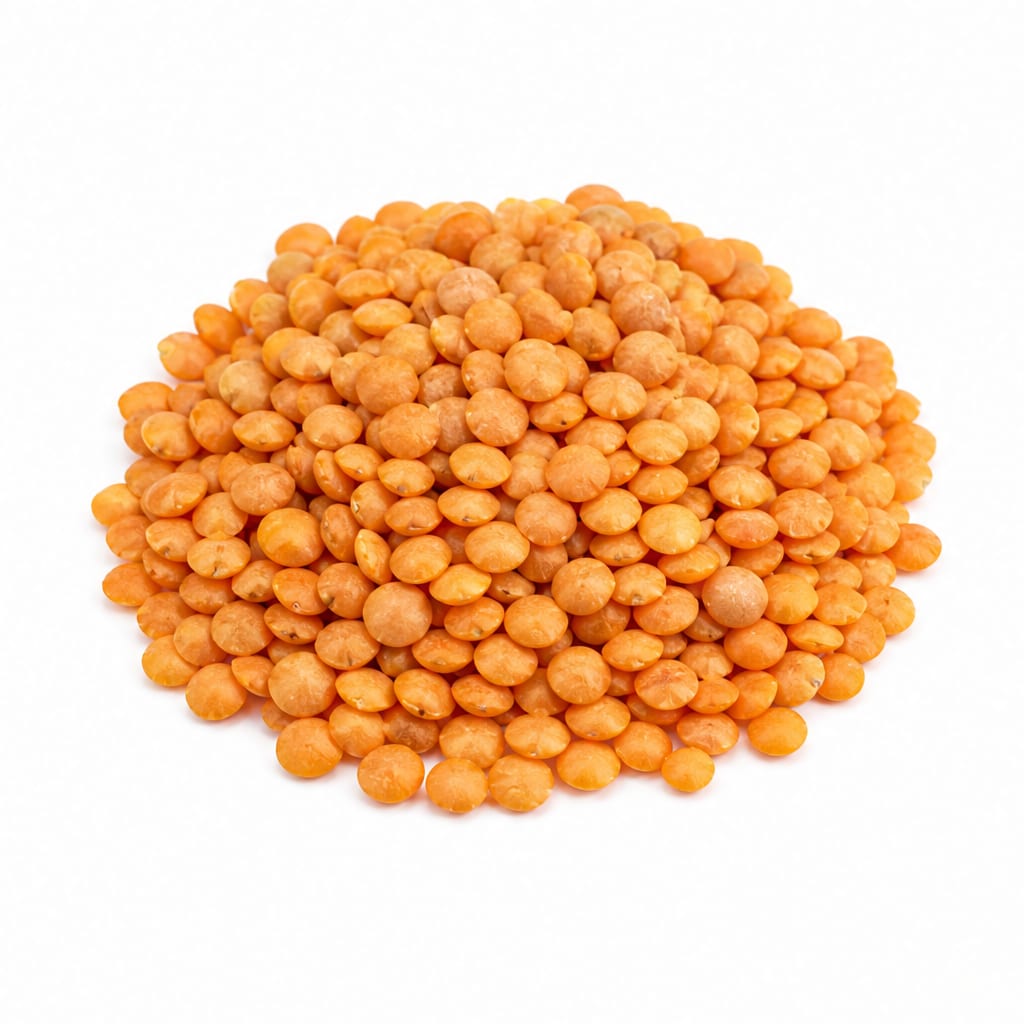
Lentils
Lentils edge out freekeh thanks to being gluten-free, higher in protein, more versatile, and cheaper — but freekeh wins on fiber content and blood sugar control.
Lentils score higher due to superior protein content, gluten-free status, lower cost, and cooking convenience. Freekeh remains excellent but its gluten content and longer cook time narrow its audience.
Freekeh gives you more fiber and steadier blood sugar, while lentils give you more protein, zero gluten, and easier everyday cooking.
At a glance
Executive summary
Overall
Lentils
Healthier
Lentils
More practical
Lentils
Daily use
Lentils
Key comparison lenses
plant-based protein source selection
Both foods are top-tier plant protein options, and users are likely deciding which to stock in their pantry as a staple
gluten sensitivity accommodation
Freekeh contains gluten and lentils do not, which is a dealbreaker consideration for many users
digestive tolerance and gut health
Freekeh offers prebiotic fiber while lentils can cause bloating, making gut comfort a key differentiator
blood sugar management
Both are low-glycemic but have different fiber profiles that affect glucose response differently
meal prep convenience and versatility
Lentils cook faster and work in more dishes, while freekeh requires more planning
Best choice for
Freekeh
- People wanting maximum fiber intake
- Those focused on blood sugar stability
- Anyone seeking prebiotic gut benefits
- Mediterranean or Middle Eastern recipe authenticity
Lentils
- Gluten-sensitive or celiac individuals
- Budget-conscious meal preppers
- Those needing higher plant protein
- Anyone wanting faster cooking times
Least suitable for
Freekeh
- Anyone with celiac disease or gluten intolerance
- People sensitive to wheat products
- Those wanting quick weeknight meals
Lentils
- People prone to legume-related bloating
- Those on low-FODMAP diets
- Anyone wanting a grain-like texture in dishes
Deep comparison
Dimension by dimension
Each lens scores both foods and breaks down who each option suits.
- Dimension 1 · Priority 93Lentils
Protein Content and Quality
Freekeh · 68Lentils · 88Lentils deliver roughly 18g protein per cooked cup versus freekeh's 12g, making them a stronger plant protein source.
Tradeoff
Freekeh still provides decent protein but cannot match lentils for muscle-building or satiety from protein alone.
Why it matters
Higher protein means longer-lasting fullness and better support for maintaining muscle, especially on plant-based diets.
Real-world impact
A lentil-based lunch keeps you fuller through the afternoon better than a freekeh bowl of the same size.
Freekeh
- Adding protein to a grain-based meal
Better for
- Relying on it as a primary protein source
Worse for
Lentils
- Meeting daily protein targets
- Post-workout recovery meals
- Plant-based diet staples
Better for
- Those who find legume protein harder to digest
Worse for
- Dimension 2 · Priority 88Freekeh
Fiber and Gut Health
Freekeh · 90Lentils · 82Freekeh packs more total fiber per serving and is especially rich in prebiotic resistant starch that feeds beneficial gut bacteria.
Tradeoff
Lentils still offer excellent fiber but freekeh's roasted processing creates unique prebiotic compounds lentils lack.
Why it matters
Prebiotic fiber nourishes your gut microbiome, which influences digestion, immunity, and even mood.
Real-world impact
Regular freekeh consumption can improve bowel regularity and gut diversity more noticeably than lentils alone.
Freekeh
- Improving gut microbiome diversity
- Resolving occasional constipation
- Boosting prebiotic intake
Better for
- Those already consuming very high-fiber diets who need balance
Worse for
Lentils
- Soluble fiber for cholesterol management
Better for
- Maximum prebiotic benefit
Worse for
- Dimension 3 · Priority 84Freekeh
Blood Sugar Stability
Freekeh · 86Lentils · 80Freekeh has a lower glycemic index (around 43) compared to lentils (around 32 for red, up to 52 for some varieties), but its resistant starch content creates a uniquely slow glucose release.
Tradeoff
Both are excellent choices versus refined grains, but freekeh's fiber structure slows sugar absorption more consistently.
Why it matters
Steadier blood sugar means fewer energy crashes and reduced cravings between meals.
Real-world impact
A freekeh breakfast bowl holds off the mid-morning energy dip better than most grain alternatives.
Freekeh
- Pre-diabetics seeking maximum glucose control
- Sustained energy through long workdays
Better for
- Those who pair it with sugary additions that negate the benefit
Worse for
Lentils
- Diabetics who also need higher protein
Better for
- Sensitive individuals experiencing larger glucose swings with certain lentil varieties
Worse for
- Dimension 4 · Priority 80Lentils
Cooking Convenience
Freekeh · 55Lentils · 82Red lentils cook in 15-20 minutes while freekeh needs 35-45 minutes, making lentils far more weeknight-friendly.
Tradeoff
Freekeh's longer cook time yields a chewier, more satisfying texture but requires planning ahead or batch cooking.
Why it matters
Faster cooking means you actually use the ingredient regularly instead of letting it sit in the pantry.
Real-world impact
Lentils work for spontaneous weeknight dinners; freekeh works best when you meal prep on Sundays.
Freekeh
- Batch cooking and meal prep sessions
- Slow-cooker or pressure cooker recipes
Better for
- Time-pressed weeknight cooking
Worse for
Lentils
- Last-minute dinner solutions
- Quick lunch preparation
- Beginner cooks wanting easy wins
Better for
- Recipes specifically requiring a chewy grain texture
Worse for
- Dimension 5 · Priority 90Lentils
Dietary Inclusivity
Freekeh · 40Lentils · 95Lentils are naturally gluten-free and suitable for celiac and gluten-sensitive individuals. Freekeh is a wheat product and contains gluten.
Tradeoff
Freekeh is off-limits for a significant portion of the population, while lentils work for nearly every dietary pattern.
Why it matters
Gluten sensitivity affects roughly 6-7% of people, and celiac disease makes even trace gluten unsafe.
Real-world impact
You can serve lentils at a dinner party without worrying about guests' gluten needs; freekeh requires asking first.
Freekeh
- Those without gluten concerns seeking variety
Better for
- Any gluten-free household
- People with wheat allergies
Worse for
Lentils
- Celiac and gluten-intolerant individuals
- Mixed-dietary-need households
- Potluck and shared-meal situations
Better for
- Those on low-FODMAP elimination diets
Worse for
- Dimension 6 · Priority 75Lentils
Cost and Accessibility
Freekeh · 58Lentils · 88Lentils are one of the cheapest protein sources available globally. Freekeh is a specialty grain with limited availability and higher prices.
Tradeoff
Freekeh's artisanal production and smaller market make it 2-3x more expensive than basic lentils in most stores.
Why it matters
Affordability determines whether a food becomes a genuine staple or an occasional luxury.
Real-world impact
Feeding a family of four on lentils costs a few dollars per meal; freekeh pushes that cost noticeably higher.
Freekeh
- Specialty recipe occasions
- Exploring Middle Eastern cuisine
Better for
- Tight grocery budgets
Worse for
Lentils
- Budget meal planning
- Buying in bulk for families
- Consistent weekly grocery staples
Better for
- Those wanting a unique grain experience
Worse for
Timeline
Health impact over time
Short-term
Hours to days
Freekeh
- High fiber may cause bloating if you're not used to it
- Provides steady energy without sugar crashes
- The chewy texture promotes slower eating and earlier fullness
Lentils
- Can cause gas and bloating, especially if your body isn't adapted to legumes
- Quick-cooking varieties provide fast, satisfying meals
- High protein curbs hunger within 30-60 minutes of eating
Long-term
Months to years
Freekeh
- Prebiotic fiber supports long-term gut microbiome health
- Consistent blood sugar control reduces diabetes risk over time
- Whole grain consumption linked to lower cardiovascular disease risk
Lentils
- Regular legume consumption associated with 8% reduction in heart disease risk per meta-analysis
- Sustained plant protein intake supports healthy aging and muscle preservation
- Folate and iron content supports long-term energy and blood health
Risk profile
Safety & processing
Both are whole, minimally processed foods. Freekeh undergoes roasting while still green, which is a traditional method, not an industrial process. Lentils are simply harvested and dried. Neither typically contains additives.
Freekeh
Gluten contamination
highFreekeh is wheat-based and absolutely unsafe for those with celiac disease. Even trace cross-contamination in processing facilities can trigger reactions.
Acrylamide from roasting
lowThe roasting process can create small amounts of acrylamide, though levels in freekeh are typically minimal and not a significant health concern at normal consumption levels.
Lentils
Lectin content
lowRaw lentils contain lectins that can cause digestive distress, but cooking thoroughly eliminates this risk entirely.
Phytic acid reducing mineral absorption
lowLentils contain phytic acid which can reduce iron and zinc absorption. Soaking before cooking mitigates this significantly.
Who wins for whom
Audience fit
Same foods, different winners depending on your goal.
children
LentilsLentils are easier to digest, cook into softer textures, and are gluten-free — making them safer and more kid-friendly.
daily consumption
LentilsLentils are cheaper, faster to cook, gluten-free, and more versatile — making them easier to eat every day without fatigue or hassle.
diabetes
FreekehFreekeh's lower glycemic index and higher resistant starch content create a slower, more manageable blood sugar response.
elderly
LentilsLentils are gentler on aging digestive systems, provide more folate and iron, and cook to a softer texture that's easier to chew.
muscle gain
LentilsWith 50% more protein per serving, lentils better support muscle repair and growth, especially on plant-based diets.
weight loss
LentilsLentils provide more protein per calorie, which preserves muscle during weight loss and keeps you fuller longer on fewer calories.
Your move
Decision guide
Choose Freekeh
- You want maximum fiber and prebiotic gut benefits
- Blood sugar control is your top health priority
- You enjoy chewy, nutty grain textures in bowls and salads
- You have no gluten sensitivity and want variety beyond common grains
Choose Lentils
- You or anyone you cook for is gluten-sensitive or celiac
- Budget is a significant factor in your food choices
- You want the most protein per serving from a plant source
- You need quick-cooking options for busy weeknights
- You're meal-prepping for the week and want maximum versatility
Either works if
- You're simply looking for a nutritious whole-food staple
- You want to rotate between a grain and a legume for dietary diversity
- Both fit your cooking style and you enjoy variety
Avoid both if
- You're on a strict low-FODMAP elimination diet
- You have severe digestive conditions that require low-fiber diets temporarily
- You're allergic to wheat (freekeh) or legumes (lentils)
Final recommendation
Keep both in your pantry if budget allows — they serve different roles. Lentils are your everyday workhorse for protein, quick meals, and gluten-free needs. Freekeh is your strategic choice for gut health, blood sugar management, and when you want a satisfying grain bowl with depth of flavor. If you must pick one, lentils win on practicality, inclusivity, and value.
Practical
Consumer tips
- 1
Rinse lentils before cooking to reduce gas-causing compounds and remove any debris
- 2
Soak lentils for 2-4 hours before cooking to improve digestibility and reduce phytic acid
- 3
Use a pressure cooker for freekeh to cut cooking time from 40 minutes down to 15
- 4
Start with small portions of either food if you're not used to high-fiber diets — increase gradually over two weeks
- 5
Pair lentils with vitamin C-rich foods like tomatoes or lemon juice to boost iron absorption by up to 6x
- 6
Freekeh's smoky flavor pairs especially well with cumin, cinnamon, and dried fruit in savory dishes
- 7
Buy lentils in bulk — they store for up to a year in airtight containers with no quality loss
- 8
Check freekeh packaging for cross-contamination warnings if gluten is a concern for anyone in your household