
Nutrition comparison
Freekeh vs White Rice: Which Grain is Healthier?
Compare Freekeh vs White Rice for blood sugar, weight loss, and nutrition. See which grain is better for your health goals and daily meals.
Overall winner · Freekeh
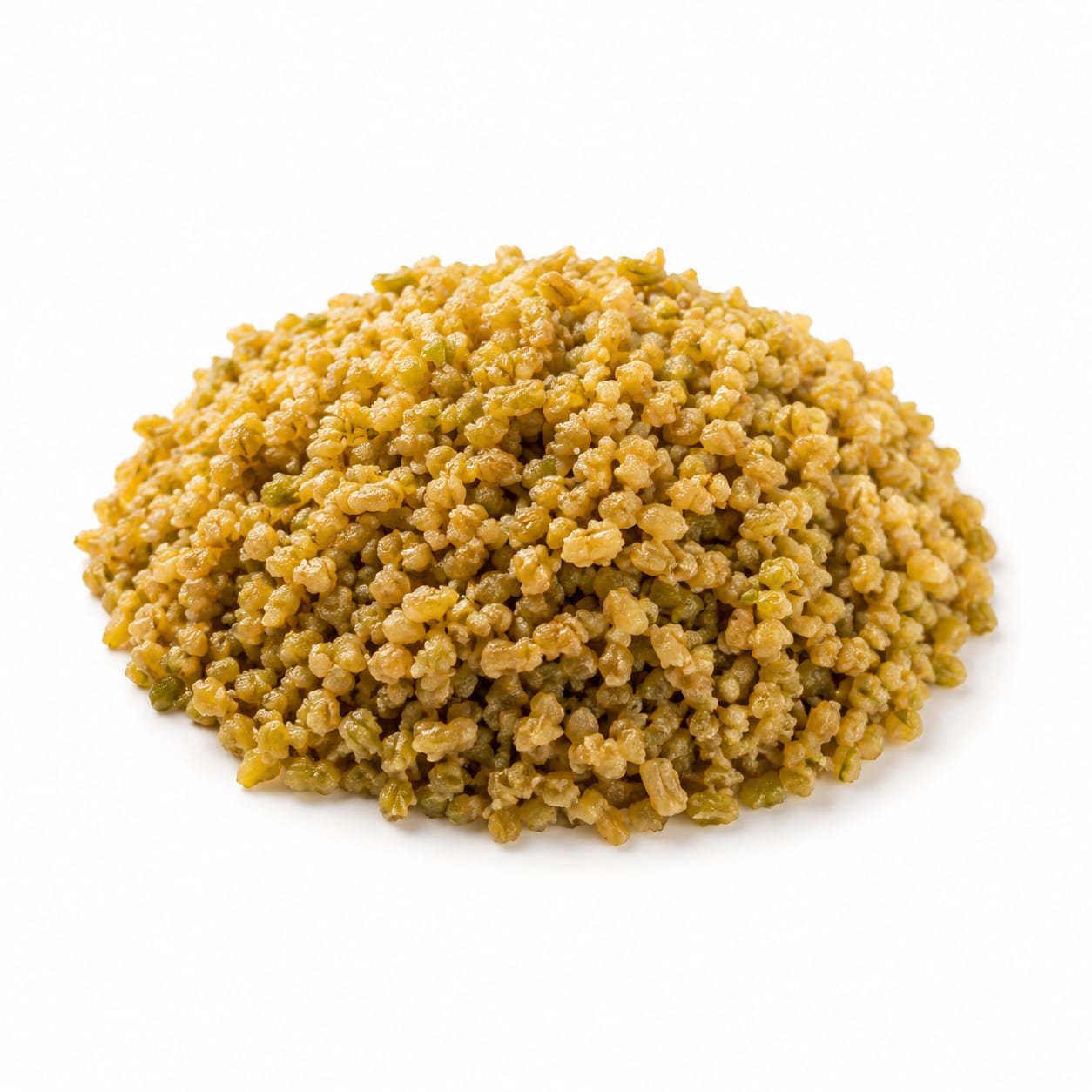
Freekeh
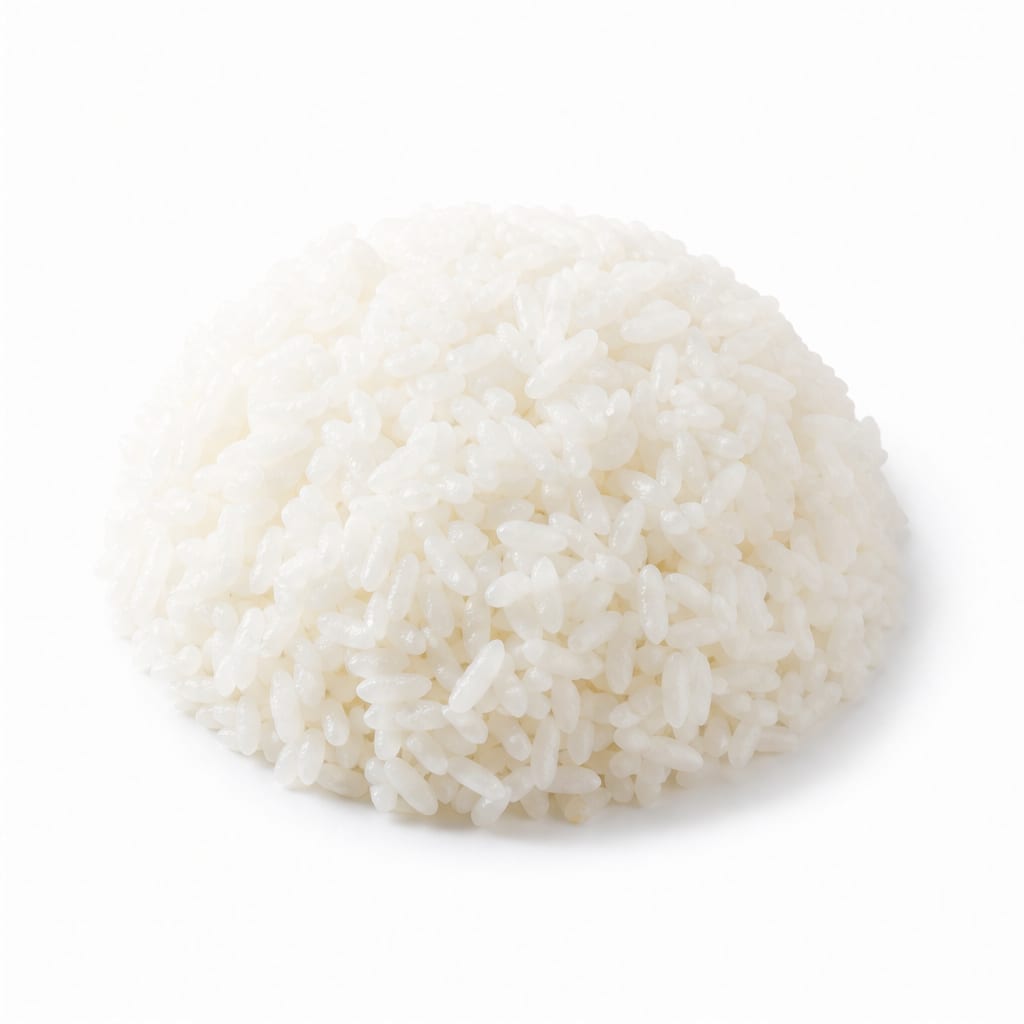
White Rice
Freekeh dominates for nutrition and blood sugar control, while White Rice wins on convenience and easy digestion.
Freekeh scores significantly higher due to its superior fiber, protein, and micronutrient profile. White Rice scores lower because its refining process strips away most nutritional value, leading to rapid blood sugar spikes and poor satiety.
Sustained energy and fullness versus quick cooking and stomach-soothing simplicity.
At a glance
Executive summary
Overall
Freekeh
Healthier
Freekeh
More practical
White Rice
Daily use
Freekeh
Key comparison lenses
Blood sugar control and glycemic impact
Freekeh is a low-glycemic whole grain, while White Rice causes rapid blood sugar spikes, making this the most critical health difference.
Satiety and weight management
The massive fiber difference means Freekeh keeps you full for hours, whereas White Rice often leaves you hungry again shortly after eating.
Convenience and cook time
White Rice is a weeknight staple because it cooks fast and pairs with everything; Freekeh requires more planning and time.
Digestive tolerance
White Rice is a go-to for upset stomachs, while Freekeh's high fiber can be rough on sensitive digestive systems.
Best choice for
Freekeh
- People managing diabetes or insulin resistance
- Anyone trying to stay full and eat less
- Those seeking gut-friendly prebiotic fiber
White Rice
- Post-workout carb loading
- Recovering from a stomach bug
- Rushed weeknight dinners
Least suitable for
Freekeh
- People with severe IBS or acute fiber sensitivity
- Rushed weeknight cooking
White Rice
- Blood sugar management
- Low-carb or keto diets
Deep comparison
Dimension by dimension
Each lens scores both foods and breaks down who each option suits.
- Dimension 1 · Priority 95Freekeh
Blood Sugar Stability
Freekeh · 90White Rice · 25Freekeh provides steady energy without the crash, while White Rice causes rapid blood sugar spikes.
Tradeoff
You trade quick, immediate energy for long-term metabolic stability.
Why it matters
Avoiding blood sugar crashes prevents afternoon fatigue, brain fog, and intense sugar cravings.
Real-world impact
Eating Freekeh at lunch means you won't be falling asleep at your desk at 2 PM.
Freekeh
- Steady energy levels
- Diabetes management
Better for
- Immediate high-intensity fueling
Worse for
White Rice
- Quick post-workout glycogen replenishment
Better for
- Energy crashes
- Sugar cravings
Worse for
- Dimension 2 · Priority 90Freekeh
Satiety & Fullness
Freekeh · 92White Rice · 30Freekeh is incredibly filling thanks to its high fiber and protein, whereas White Rice digests quickly and leaves you hungry.
Tradeoff
A smaller portion of Freekeh satisfies you far more than a large bowl of White Rice.
Why it matters
Staying full longer helps naturally control overall calorie intake without feeling deprived.
Real-world impact
A Freekeh bowl keeps you full until dinner; White Rice leaves you hunting for snacks an hour later.
Freekeh
- Weight management
- Appetite control
Better for
- Feeling overly full before intense activity
Worse for
White Rice
- Eating before a run without feeling heavy
Better for
- Overeating due to low satiety
Worse for
- Dimension 3 · Priority 85White Rice
Convenience & Cook Time
Freekeh · 40White Rice · 95White Rice cooks in 15 minutes and is universally easy to find; Freekeh takes longer and requires more planning.
Tradeoff
Convenience comes at the cost of nutritional density and health benefits.
Why it matters
On busy weeknights, cook time often dictates what actually ends up on your plate.
Real-world impact
White Rice is a 15-minute side dish; Freekeh requires 40+ minutes or pre-soaking.
Freekeh
- Meal prep batches for the week
Better for
- Impatient cooks
- Time-crunched evenings
Worse for
White Rice
- Last-minute dinners
- Fast meal solutions
Better for
- Nutrient density
Worse for
- Dimension 4 · Priority 75White Rice
Digestive Tolerance
Freekeh · 45White Rice · 90White Rice is a bland, low-fiber staple for upset stomachs, while Freekeh's roughage can aggravate sensitive guts.
Tradeoff
Gut-soothing gentleness versus gut-feeding prebiotic fiber.
Why it matters
People with IBS or GI distress need easily digestible carbs during flare-ups, not heavy roughage.
Real-world impact
White Rice is the classic BRAT diet hero; Freekeh might cause bloating if your stomach is already upset.
Freekeh
- Promoting regular bowel movements
- Feeding a healthy gut microbiome
Better for
- IBS flare-ups
- Acute diarrhea
Worse for
White Rice
- Soothing GI distress
- Low-residue diets
Better for
- Constipation
- Sluggish digestion
Worse for
Timeline
Health impact over time
Short-term
Hours to days
Freekeh
- Sustained energy for hours
- Feeling comfortably full and satisfied
- Potential bloating if unused to high fiber
White Rice
- Quick energy burst
- Rapid hunger return
- Blood sugar spike and crash
Long-term
Months to years
Freekeh
- Better blood sugar control
- Improved gut health and regularity
- Easier weight management
White Rice
- Increased risk of type 2 diabetes with high consumption
- Potential weight gain from overeating
- Lower overall nutrient intake
Risk profile
Safety & processing
Freekeh is simply roasted green wheat, retaining its whole grain status. White Rice is refined, stripping away the bran and germ, which removes most of the fiber and nutrients.
Freekeh
Arsenic contamination
mediumLike other wheat and grain products, Freekeh can contain trace arsenic depending on soil, though generally less than rice.
White Rice
Arsenic contamination
highRice is notoriously high in inorganic arsenic compared to other grains, especially White Rice grown in certain regions.
Who wins for whom
Audience fit
Same foods, different winners depending on your goal.
children
It dependsWhite Rice is easier for picky eaters and sensitive tummies, but Freekeh offers crucial nutrients for growing bodies.
daily consumption
FreekehDaily Freekeh consumption supports long-term metabolic and gut health far better than White Rice.
diabetes
FreekehFreekeh's low glycemic index prevents dangerous blood sugar spikes, making it vastly superior for diabetes management.
elderly
It dependsWhite Rice is easier to chew and digest for those with dental or GI issues, but Freekeh helps prevent elderly constipation.
muscle gain
It dependsWhite Rice offers quick carbs for post-workout recovery, but Freekeh provides better sustained nutrition for overall muscle support.
weight loss
FreekehHigh fiber and protein in Freekeh drastically reduce overall calorie intake by keeping you full longer.
Your move
Decision guide
Choose Freekeh
- You want steady energy without afternoon crashes
- You are managing blood sugar or diabetes
- You need more fiber to stay regular
- You are meal-prepping for the week
Choose White Rice
- You need a quick carb source right after a heavy workout
- You have an upset stomach or digestive distress
- You are short on time and need a fast side dish
- You are eating before intense exercise and need light digestion
Either works if
- You want a versatile base for a hearty grain bowl
- You need a neutral carrier for flavorful curries or stews
Avoid both if
- You are on a strict low-carb or ketogenic diet
- You are avoiding all grains for autoimmune protocols
Final recommendation
Make Freekeh your default grain for everyday meals to lock in fiber and steady energy. Keep White Rice as an occasional tool for post-workout recovery or when your stomach needs a break.
Practical
Consumer tips
- 1
Swap White Rice for Freekeh in grain bowls or salads for a massive fiber upgrade.
- 2
If Freekeh takes too long, buy cracked Freekeh which cooks much faster than whole grain.
- 3
Rinse White Rice thoroughly before cooking to reduce arsenic levels.
- 4
Mix half Freekeh and half White Rice if you are transitioning your family to whole grains.