
Nutrition comparison
Farro vs Freekeh: Which Ancient Grain Is Healthier?
Compare Farro and Freekeh nutrition, fiber, protein, glycemic index, and culinary uses. Find out which ancient grain is better for gut health, blood sugar, and daily eating.
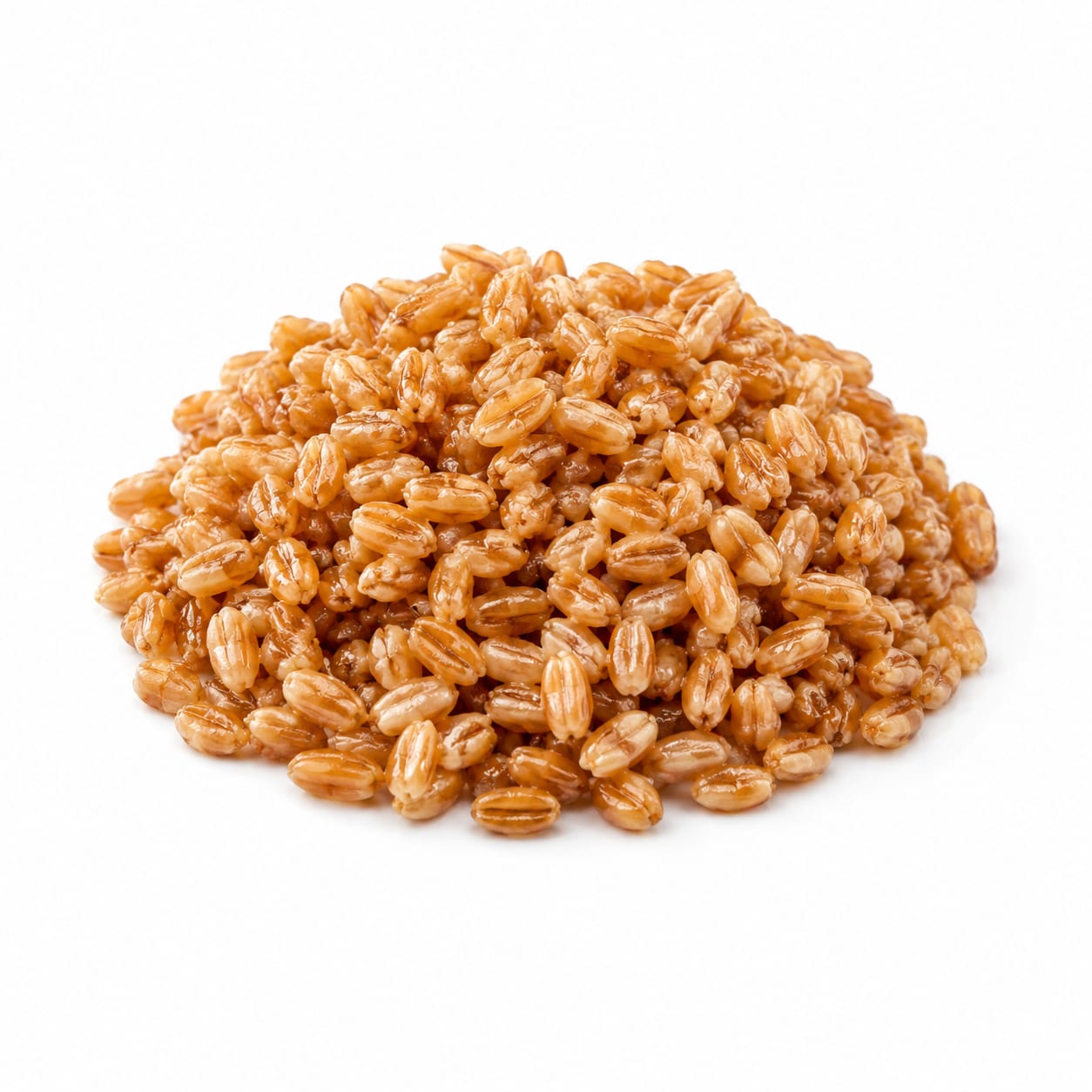
Farro
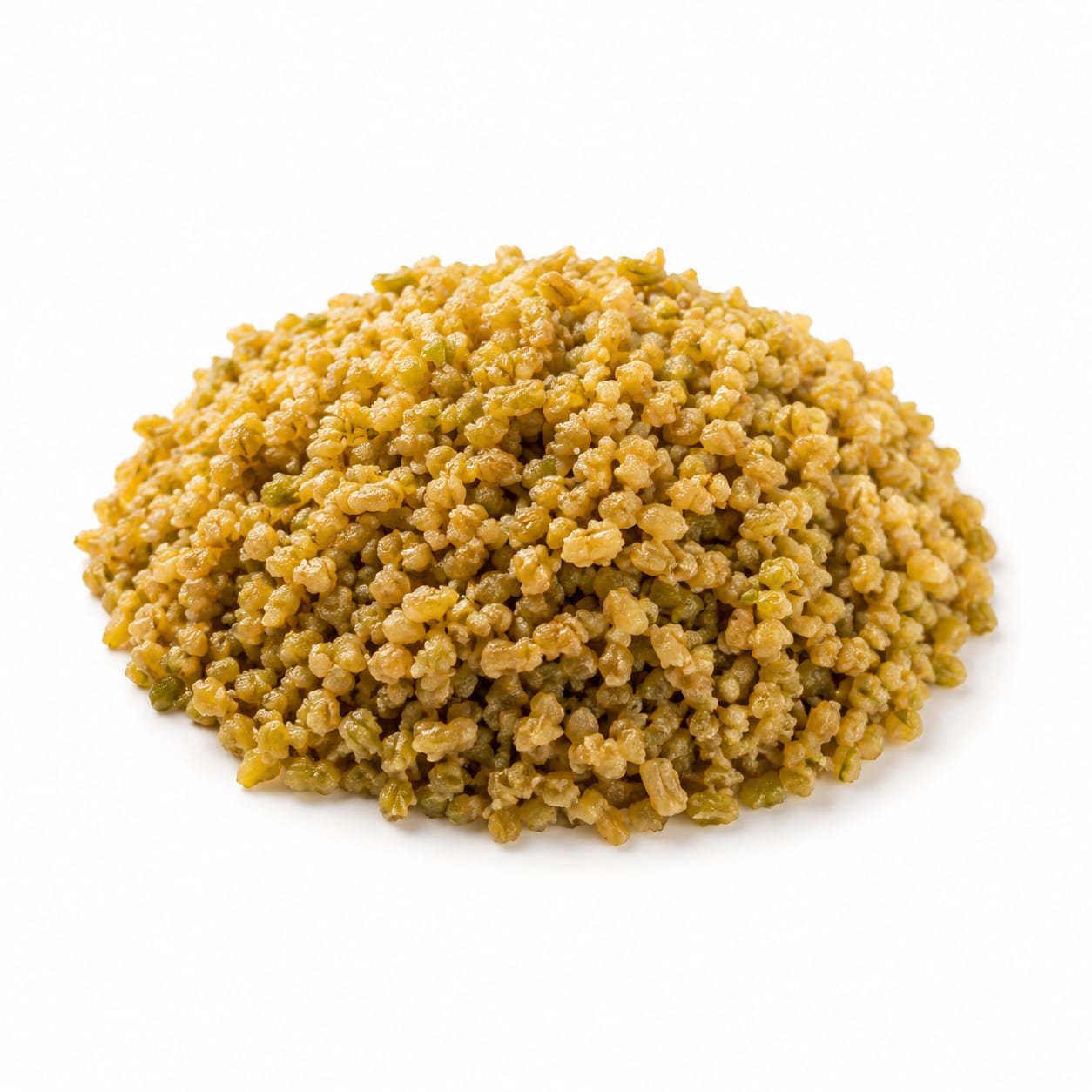
Freekeh
Freekeh wins on fiber, gut health, and blood sugar control. Farro wins on iron, versatility, and availability. Both are excellent ancient grains that outperform modern wheat.
Freekeh edges ahead on fiber density, prebiotic content, and glycemic control. Farro stays competitive with better iron, wider availability, and more recipe flexibility. The gap is modest because both are top-tier whole grains.
Freekeh gives you more prebiotic fiber and a smoky flavor punch, while Farro offers broader culinary adaptability and easier sourcing.
At a glance
Executive summary
Overall
It depends
Healthier
Freekeh
More practical
Farro
Daily use
It depends
Key comparison lenses
ancient grain nutritional superiority
Both are heritage wheat varieties prized for their nutrient density, so users want to know which delivers more health value per serving
digestive and gut health benefits
Freekeh's prebiotic fiber advantage and roasting process make gut health a key differentiator
blood sugar management
Both grains appeal to people seeking lower-glycemic carb alternatives to refined grains
flavor and culinary versatility
Farro's mild nuttiness versus Freekeh's smokiness significantly affects recipe compatibility and enjoyment
gluten sensitivity considerations
Both contain gluten from wheat species, a critical safety concern for celiac or sensitive users
Best choice for
Farro
- Mediterranean-style grain bowls and soups
- Risotto alternatives where creamy texture matters
- Home cooks wanting reliable grocery store availability
- Those needing more iron from plant sources
- People who prefer milder flavors that blend into dishes
Freekeh
- Gut health optimization and prebiotic intake
- Blood sugar management in diabetes or prediabetes
- Middle Eastern and North African recipes
- High-fiber weight loss diets
- People seeking bold smoky flavor without added seasonings
Least suitable for
Farro
- Anyone with celiac disease or wheat allergy
- Very low-carb or keto diets
- Those seeking maximum fiber per calorie
- People wanting strong standalone grain flavor
Freekeh
- Anyone with celiac disease or wheat allergy
- Very low-carb or keto diets
- Recipes requiring a neutral grain base
- Those sensitive to smoky flavors
- Shoppers with limited Middle Eastern grocery access
Deep comparison
Dimension by dimension
Each lens scores both foods and breaks down who each option suits.
- Dimension 1 · Priority 95Freekeh
Fiber and Gut Health
Farro · 72Freekeh · 92Freekeh delivers significantly more fiber per serving, especially prebiotic resistant starch that feeds beneficial gut bacteria.
Tradeoff
Farro's fiber is still respectable, but it lacks the concentrated prebiotic punch that makes Freekeh a gut health standout.
Why it matters
Prebiotic fiber drives short-chain fatty acid production, which strengthens gut lining integrity and reduces systemic inflammation over time.
Real-world impact
Regular Freekeh eaters often notice improved digestion regularity and less bloating within a few weeks of switching from standard grains.
Farro
- Decent insoluble fiber for regular bowel movements
- Easier to tolerate if very high fiber causes discomfort
Better for
- Less effective at feeding beneficial gut bacteria
- Lower total fiber means less fullness per serving
Worse for
Freekeh
- Nearly double the prebiotic fiber of most grains
- Resistant starch from early harvest supports microbiome diversity
- Promotes satiety more effectively per calorie consumed
Better for
- Very high fiber can cause gas if introduced too quickly
- May feel too heavy in large portions for sensitive stomachs
Worse for
- Dimension 2 · Priority 90Freekeh
Blood Sugar Stability
Farro · 74Freekeh · 86Freekeh has a lower glycemic index thanks to its early harvest and roasting process, which preserves resistant starch that slows glucose absorption.
Tradeoff
Farro still beats modern wheat handily, but its glycemic response is moderately higher than Freekeh's.
Why it matters
Steadier blood sugar means fewer energy crashes, reduced cravings between meals, and lower long-term diabetes risk.
Real-world impact
A Freekeh lunch bowl keeps you satisfied and focused longer without the 3pm energy dip that refined carbs cause.
Farro
- Still a low-to-medium GI grain compared to white rice or bread
- Chewy texture slows eating pace, naturally reducing intake
Better for
- Higher GI than Freekeh means slightly faster blood sugar rise
- Less resistant starch available to moderate absorption
Worse for
Freekeh
- Resistant starch acts like a time-release mechanism for carbs
- Early harvest locks in starches that resist rapid digestion
- Particularly effective at blunting post-meal glucose spikes
Better for
- Still a carbohydrate source requiring portion awareness for diabetics
Worse for
- Dimension 3 · Priority 78Freekeh
Protein Quality and Content
Farro · 73Freekeh · 80Freekeh contains slightly more protein per serving, though both grains provide incomplete plant protein that benefits from pairing with legumes.
Tradeoff
The protein difference is modest and unlikely to matter unless grains are your primary protein source.
Why it matters
Higher protein grains contribute to muscle maintenance and satiety, especially in plant-forward diets where every gram counts.
Real-world impact
Adding Freekeh instead of Farro to a grain bowl gives you roughly 2 extra grams of protein per cup, which adds up across meals.
Farro
- Adequate protein for a grain, pairs well with beans for complete amino acids
Better for
- Lower protein per serving compared to Freekeh
Worse for
Freekeh
- Slightly higher protein density per calorie
- Early harvest preserves amino acid integrity before grain matures
Better for
- Still not a high-protein food by any standard
Worse for
- Dimension 4 · Priority 75Farro
Mineral Density
Farro · 83Freekeh · 76Farro is notably richer in iron and provides more magnesium and zinc per serving than Freekeh.
Tradeoff
Freekeh retains good mineral content from its whole-grain status, but Farro's emmer wheat genetics deliver a stronger mineral profile.
Why it matters
Iron is the most common nutrient deficiency worldwide, and plant-based eaters especially benefit from iron-dense grains.
Real-world impact
Choosing Farro over Freekeh a few times per week can meaningfully contribute to daily iron intake, especially when paired with vitamin C foods.
Farro
- Significantly more iron per serving
- Higher magnesium supports muscle and nerve function
- Good zinc content for immune support
Better for
- Phytic acid can reduce mineral absorption unless soaked
Worse for
Freekeh
- Decent mineral content overall
- Roasting process may improve mineral bioavailability for some nutrients
Better for
- Lower iron content is a meaningful gap for plant-based diets
Worse for
- Dimension 5 · Priority 72Farro
Flavor and Culinary Versatility
Farro · 85Freekeh · 72Farro's mild, nutty flavor and creamy-chewy texture make it a seamless substitute in almost any grain recipe. Freekeh's smokiness is distinctive but polarizing.
Tradeoff
Freekeh brings bold personality that elevates specific dishes but limits its range. Farro plays well everywhere.
Why it matters
Flavor versatility determines how often you actually cook with a grain. Boring pantry staples get ignored.
Real-world impact
Farro works in cold salads, hot soups, breakfast porridge, and stuffed vegetables. Freekeh shines in pilafs and Middle Eastern dishes but feels odd in breakfast bowls.
Farro
- Neutral enough for sweet or savory applications
- Substitutes directly for rice, barley, or quinoa in most recipes
- Creamy interior with firm bite satisfies diverse texture preferences
Better for
- Lacks the distinctive character that makes a grain memorable
- Can taste bland without proper seasoning
Worse for
Freekeh
- Built-in smoky depth reduces need for extra seasonings
- Authentic flavor for Middle Eastern and North African cuisine
Better for
- Smoky flavor clashes with delicate or sweet recipes
- Limits culinary range compared to neutral grains
Worse for
- Dimension 6 · Priority 68Farro
Availability and Convenience
Farro · 82Freekeh · 65Farro is widely stocked in mainstream grocery stores. Freekeh often requires specialty shops or online ordering.
Tradeoff
Freekeh's relative scarcity means higher prices and less consistent access, though online availability is improving.
Why it matters
The healthiest grain only matters if you can actually buy it regularly without extra effort.
Real-world impact
You can find Farro at most Target, Whole Foods, or local supermarkets. Freekeh might require a trip to a Middle Eastern grocer or an Amazon order.
Farro
- Available in most major grocery chains
- Multiple brands and forms (whole, semi-pearled, pearled) to choose from
- Generally lower price per pound
Better for
- Whole Farro requires long soaking or extended cooking times
Worse for
Freekeh
- Growing online availability narrows the convenience gap
- Cracked form cooks faster than whole Farro
Better for
- Harder to find in rural or non-diverse grocery areas
- Often more expensive due to limited supply chains
Worse for
- Dimension 7 · Priority 70Freekeh
Antioxidant and Anti-inflammatory Potential
Farro · 68Freekeh · 82Freekeh's early harvest and roasting process concentrate antioxidants, particularly polyphenols and carotenoids that develop before full grain maturity.
Tradeoff
Farro contains antioxidants from its bran layer, but the mature harvest means lower concentrations of certain protective compounds.
Why it matters
Dietary antioxidants combat oxidative stress linked to aging, chronic disease, and inflammation over decades.
Real-world impact
Consistently choosing Freekeh adds a meaningful antioxidant boost that complements vegetables and fruits in an anti-inflammatory eating pattern.
Farro
- Bran layer provides some antioxidant protection
- Lignans contribute anti-inflammatory benefits
Better for
- Mature harvest means some antioxidant degradation before processing
Worse for
Freekeh
- Early harvest captures peak antioxidant levels before decline
- Roasting creates beneficial Maillard reaction compounds
- Higher lutein and zeaxanthin support eye health
Better for
- Roasting may reduce certain heat-sensitive antioxidants
- Net effect is still positive but complex
Worse for
Timeline
Health impact over time
Short-term
Hours to days
Farro
- Steady energy release without sharp blood sugar spikes
- Comforting chewy texture promotes meal satisfaction
- Adequate fiber prevents post-meal hunger for 3-4 hours
- May cause mild bloating if unaccustomed to high-fiber grains
Freekeh
- Enhanced fullness from dense fiber content, sometimes lasting 4-5 hours
- Smoky flavor adds satisfaction without extra salt or fat
- Initial gas or adjustment period when first increasing prebiotic intake
- Slower digestion reduces between-meal snacking urges
Long-term
Months to years
Farro
- Consistent iron intake supports energy and prevents deficiency fatigue
- Regular whole grain consumption lowers cardiovascular disease risk
- Moderate fiber intake maintains digestive regularity
- May reduce type 2 diabetes risk compared to refined grain diets
Freekeh
- Prebiotic fiber reshapes gut microbiome toward more favorable composition
- Lower glycemic load over years meaningfully reduces metabolic disease risk
- High antioxidant intake combats chronic low-grade inflammation
- Resistant starch may improve insulin sensitivity with regular consumption
Risk profile
Safety & processing
Both Farro and Freekeh are single-ingredient whole grains with no additives. Freekeh's roasting is a traditional thermal process, not a chemical treatment. Semi-pearled Farro has some bran removed but remains minimally processed. Both represent clean-label carbohydrate sources.
Farro
Gluten exposure for celiac individuals
highFarro is an ancient wheat species containing gluten. Not safe for anyone with celiac disease or diagnosed wheat allergy. Often mistakenly believed to be gluten-free.
Phytic acid reducing mineral absorption
lowLike all whole grains, Farro contains phytic acid that can bind iron and zinc. Soaking before cooking reduces this effect significantly.
Freekeh
Gluten exposure for celiac individuals
highFreekeh is made from young durum wheat and contains gluten. Completely unsuitable for celiac disease or wheat allergy despite its ancient grain status.
Acrylamide from roasting process
lowThe roasting of young wheat creates small amounts of acrylamide, a potential carcinogen. Levels are typically low and comparable to toasted bread, but worth noting for extremely health-cautious consumers.
Who wins for whom
Audience fit
Same foods, different winners depending on your goal.
children
FarroFarro's milder flavor and softer texture when cooked appeal more to young palates, and its iron content supports childhood development needs.
daily consumption
It dependsFarro is easier to eat daily due to neutral flavor and availability. Freekeh is nutritionally superior but its smoky taste and limited access may reduce daily adherence.
diabetes
FreekehFreekeh's lower glycemic index and resistant starch content produce smaller blood sugar rises, giving it a clear advantage for glucose management.
elderly
FreekehFreekeh's superior fiber addresses the constipation common in older adults, and its prebiotic content supports immune function that weakens with age.
muscle gain
FarroFarro's higher iron content supports oxygen delivery to working muscles, and its slightly faster digestibility makes post-workout carb replenishment more efficient.
weight loss
FreekehFreekeh's higher fiber and resistant starch create stronger satiety signals and fewer calories absorbed, making it easier to maintain a calorie deficit without hunger.
Your move
Decision guide
Choose Farro
- You want a versatile grain that works in any recipe from breakfast to dinner
- Iron intake is a priority, especially for plant-based or menstruating eaters
- Your grocery store doesn't reliably stock Freekeh
- You prefer mild flavors that let other ingredients shine
- You're cooking for picky eaters or children who resist strong flavors
Choose Freekeh
- Gut health and microbiome support are top priorities
- You're managing blood sugar or insulin resistance
- You love smoky, bold flavors and cook Middle Eastern food regularly
- Maximum fiber per calorie matters for satiety or weight management
- You have access to specialty grocers or don't mind online ordering
Either works if
- You're simply replacing white rice or refined grains with something better
- You tolerate gluten and want a nutrient-dense carb source
- You enjoy rotating grains for dietary diversity
- Both fit your budget and cooking routine
Avoid both if
- You have celiac disease, wheat allergy, or confirmed gluten intolerance
- You're following a strict keto or very low-carb diet
- You have severe digestive conditions requiring low-fiber diets temporarily
Final recommendation
Keep both in rotation if possible. Use Freekeh when gut health and blood sugar control are your focus, especially in savory pilafs and grain bowls. Use Farro when you need culinary flexibility, iron, or a crowd-pleasing neutral base. If you must pick one, Freekeh offers a slight nutritional edge, but Farro's practicality makes it the grain you'll actually cook with more often.
Practical
Consumer tips
- 1
Soak both grains overnight to reduce cooking time and phytic acid, improving mineral absorption
- 2
If new to Freekeh, start with cracked rather than whole form for faster cooking and easier digestion
- 3
Pair either grain with legumes like chickpeas or lentils to create complete protein combinations
- 4
Add a vitamin C source like lemon juice or tomatoes when eating Farro to boost iron absorption by 2-3x
- 5
Introduce Freekeh gradually if your current diet is low in fiber to avoid temporary bloating and gas
- 6
Buy whole Farro over pearled versions when possible, as bran removal reduces fiber and mineral content
- 7
Store both grains in airtight containers in a cool, dark place to prevent rancidity of natural oils in the bran