
Nutrition comparison
Freekeh vs Millet: Which Ancient Grain Is Better for You?
Compare Freekeh and millet nutrition, fiber, protein, gluten content, and health benefits. Find out which grain is better for weight loss, diabetes, and daily eating.
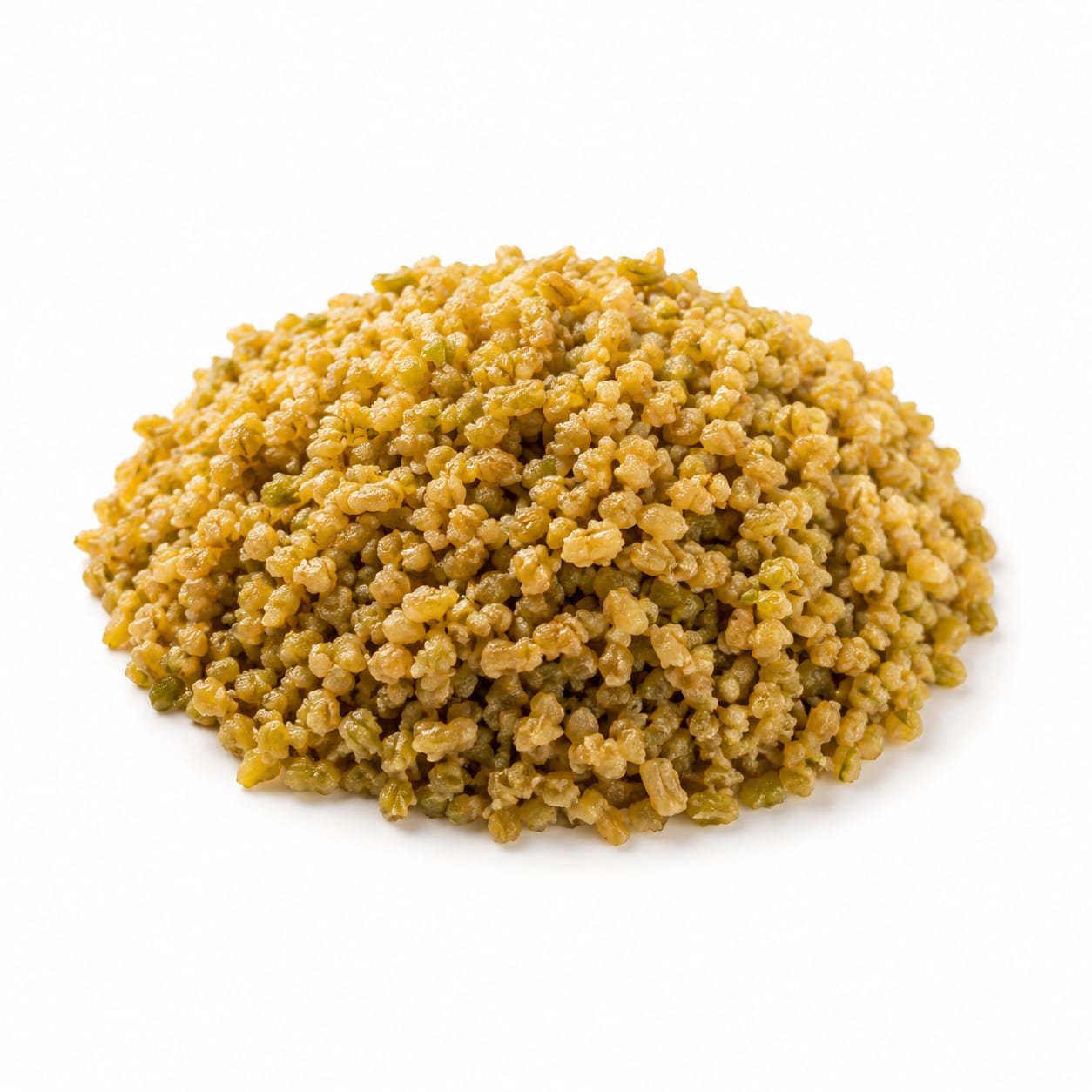
Freekeh
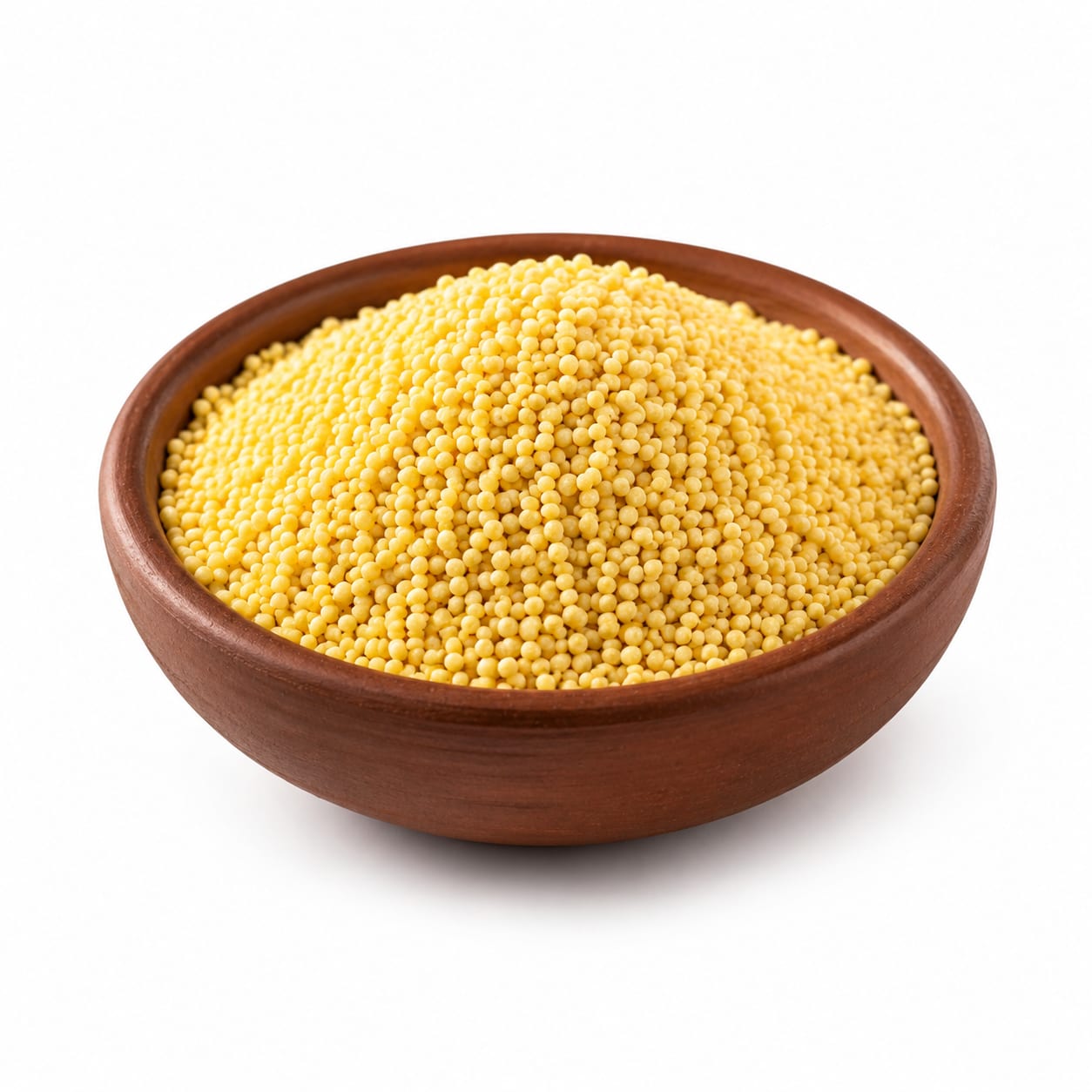
Millet
Freekeh wins on fiber, protein, and blood sugar control, but millet wins on gluten-free compatibility and easier digestion for sensitive individuals.
Freekeh scores higher on nutritional density and metabolic benefits, but millet's gluten-free advantage narrows the gap significantly for a large portion of consumers.
Freekeh delivers superior satiety and metabolic benefits but contains gluten, while millet sacrifices some nutritional punch in exchange for broad digestive tolerance.
At a glance
Executive summary
Overall
It depends
Healthier
Freekeh
More practical
Millet
Daily use
It depends
Key comparison lenses
gluten tolerance and digestive compatibility
Freekeh contains gluten while millet is naturally gluten-free, making this the single most decisive factor for many consumers
blood sugar management
Both are whole grains popular among people managing diabetes or seeking steady energy, so glycemic differences matter
weight management and satiety
Fiber and protein content directly affect fullness, making this a key reason people choose one ancient grain over another
thyroid health considerations
Millet contains goitrogens that can affect thyroid function, a lesser-known but important concern for some consumers
mineral and nutrient density
Both grains are chosen for their nutritional profiles, so understanding where each excels helps targeted dietary choices
Best choice for
Freekeh
- People managing blood sugar or insulin resistance
- Those seeking maximum fiber and protein from a grain
- Athletes needing sustained energy and muscle support
- Anyone without gluten sensitivity wanting the most filling grain option
Millet
- People with celiac disease or gluten intolerance
- Those with thyroid concerns who want a low-goitrogen alternative to cruciferous foods
- Anyone with sensitive digestion who finds wheat-based grains uncomfortable
- Meal preppers wanting a versatile, mild-flavored grain for diverse recipes
Least suitable for
Freekeh
- Anyone with celiac disease or wheat allergy
- People with severe IBS who react to gluten or fructans
- Those following a strict gluten-free diet
Millet
- People with hypothyroidism consuming large amounts daily
- Those prioritizing maximum protein intake from grains
- Anyone needing the highest fiber content for constipation relief
Deep comparison
Dimension by dimension
Each lens scores both foods and breaks down who each option suits.
- Dimension 1 · Priority 92Freekeh
fiber_content_and_digestive_health
Freekeh · 88Millet · 62Freekeh delivers roughly double the fiber of millet, making it significantly more effective for gut health and regularity.
Tradeoff
That extra fiber comes from a wheat-based grain, which can trigger bloating or discomfort in gluten-sensitive individuals.
Why it matters
Fiber is the single most undervalued nutrient for long-term health, affecting everything from digestion to cholesterol to blood sugar.
Real-world impact
A bowl of Freekeh at lunch keeps you full for hours longer than the same portion of millet, but may cause gas if your gut is sensitive to wheat.
Freekeh
- Constipation relief
- Gut microbiome diversity
- Cholesterol management
Better for
- IBS flare-ups in gluten-sensitive people
- Fructan intolerance reactions
Worse for
Millet
- Sensitive digestion
- Low-FODMAP adjacent eating
- Post-gastrointestinal illness recovery
Better for
- Chronic constipation when used as primary grain
- Insufficient prebiotic feeding of beneficial gut bacteria
Worse for
- Dimension 2 · Priority 88Freekeh
blood_sugar_stability
Freekeh · 85Millet · 74Freekeh has a lower glycemic index and more fiber to slow glucose absorption, giving it a meaningful edge for blood sugar control.
Tradeoff
Millet is still a solid moderate-GI choice, but its lower fiber content means glucose enters the bloodstream a bit faster.
Why it matters
Steady blood sugar prevents the afternoon energy crash and reduces cravings that derail healthy eating.
Real-world impact
After a Freekeh bowl, you are less likely to reach for a snack at 3pm compared to after a millet-based meal.
Freekeh
- Insulin resistance management
- Type 2 diabetes meal planning
- Sustained energy through long workdays
Better for
- Overeating risk if portion is too large due to density
Worse for
Millet
- Lighter meals where you do not want to feel heavy
- Pre-workout carbohydrate loading
Better for
- Larger blood sugar swings in sedentary people
- Less protection against afternoon energy dips
Worse for
- Dimension 3 · Priority 95Millet
gluten_compatibility
Freekeh · 15Millet · 100Millet is naturally gluten-free, making it safe for celiac disease and gluten intolerance. Freekeh is wheat-based and contains gluten.
Tradeoff
Choosing millet means giving up the superior fiber and protein of Freekeh, but gaining complete digestive safety for gluten-sensitive individuals.
Why it matters
For roughly 6-7% of the population, gluten causes real symptoms ranging from bloating to autoimmune damage.
Real-world impact
If you have celiac disease, millet is worry-free. Freekeh would cause real harm and must be avoided entirely.
Freekeh
- No specific gluten-related advantage
Better for
- Intestinal damage in celiac individuals
- Bloating and discomfort in gluten-sensitive people
Worse for
Millet
- Celiac disease safety
- Non-celiac gluten sensitivity relief
- Gluten-free diet compliance
Better for
- No gluten-related downsides
Worse for
- Dimension 4 · Priority 78Freekeh
protein_content_and_quality
Freekeh · 80Millet · 60Freekeh provides noticeably more protein per serving, making it more useful for muscle maintenance and satiety.
Tradeoff
Neither grain is a complete protein source, so both need pairing with legumes or other proteins for balanced amino acids.
Why it matters
Higher protein grains help you eat less overall by keeping you satisfied, which matters for weight management.
Real-world impact
A Freekeh-based grain bowl needs less added protein to feel like a complete meal compared to millet.
Freekeh
- Muscle maintenance during calorie deficits
- Reduced need for supplemental protein at meals
- Longer-lasting fullness between meals
Better for
- Still incomplete as a sole protein source
Worse for
Millet
- Lighter meals where lower protein density is preferred
Better for
- May leave you hungry sooner without added protein
- Less efficient for active people managing protein targets
Worse for
- Dimension 5 · Priority 70It depends
mineral_density
Freekeh · 75Millet · 78Freekeh leads in iron and zinc, while millet offers more magnesium and phosphorus. Both are mineral-rich but in different ways.
Tradeoff
Your mineral priority determines the winner: iron and zinc for energy and immunity favor Freekeh, while magnesium for muscles and sleep favors millet.
Why it matters
Mineral deficiencies are common and affect energy, sleep, immunity, and bone health in subtle but cumulative ways.
Real-world impact
If you struggle with low iron, Freekeh is the better grain choice. If muscle cramps or poor sleep are your concern, millet has the edge.
Freekeh
- Iron-deficiency anemia support
- Immune function via zinc
- Energy production in fatigued individuals
Better for
- Lower magnesium contribution
Worse for
Millet
- Magnesium for muscle recovery and sleep
- Bone health via phosphorus
- Blood pressure regulation support
Better for
- Less iron for those prone to anemia
Worse for
- Dimension 6 · Priority 75Freekeh
thyroid_safety
Freekeh · 90Millet · 55Millet contains goitrogens that can interfere with thyroid hormone production when consumed in large amounts. Freekeh has no such concern.
Tradeoff
Occasional millet consumption is fine for most people, but daily heavy use could worsen existing thyroid issues.
Why it matters
Thyroid dysfunction affects metabolism, energy, and weight, and dietary goitrogens are an underappreciated factor.
Real-world impact
If you have hypothyroidism and eat millet daily, you may notice worsening fatigue or weight gain over time.
Freekeh
- Hypothyroidism management
- Long-term thyroid safety with daily consumption
Better for
- No thyroid-related downsides
Worse for
Millet
- No thyroid-related advantages
Better for
- Potential thyroid suppression with frequent consumption
- Risk for iodine-deficient populations
Worse for
Timeline
Health impact over time
Short-term
Hours to days
Freekeh
- Strong satiety and reduced snacking within hours of eating
- Possible bloating or gas if unused to high fiber or sensitive to gluten
- Steady energy without the crash that follows refined grains
Millet
- Light, easy-to-digest meal that sits comfortably in the stomach
- Faster return of hunger compared to Freekeh due to lower fiber and protein
- Gentle on the digestive tract with no gluten-related reactions
Long-term
Months to years
Freekeh
- Improved gut microbiome diversity from consistent high fiber intake
- Better blood sugar regulation reducing diabetes risk over years
- Risk of nutrient malabsorption or inflammation if undiagnosed celiac disease is present
Millet
- Consistent gluten-free safety for celiac and sensitive individuals
- Possible thyroid function changes with heavy daily consumption over months
- Adequate but not exceptional fiber benefits for cardiovascular health
Risk profile
Safety & processing
Both Freekeh and millet are whole, minimally processed ancient grains with no artificial additives. Freekeh undergoes a traditional roasting process that actually enhances its nutritional profile, while millet is typically simply hulled and sold whole.
Freekeh
Gluten exposure for celiac individuals
highFreekeh is made from wheat and contains gluten. For people with celiac disease, even small amounts can trigger intestinal damage and autoimmune reactions.
Cross-contamination in processing facilities
lowAs a specialty grain, Freekeh may share processing equipment with other grains, but this is a minor concern for most consumers.
Millet
Goitrogenic compounds affecting thyroid
mediumMillet contains goitrogens that can interfere with iodine uptake and thyroid hormone production, particularly concerning for those with existing hypothyroidism who consume it daily.
Potential arsenic contamination depending on sourcing
lowLike many grains, millet can absorb trace arsenic from soil, but levels are typically well below concern thresholds when sourced from reputable suppliers.
Who wins for whom
Audience fit
Same foods, different winners depending on your goal.
children
MilletMillet is easier to digest, gluten-free for sensitive kids, and has a milder flavor that children tend to accept more readily.
daily consumption
It dependsFreekeh is nutritionally superior for daily use if you tolerate gluten, but millet is the safer daily choice for anyone with gluten sensitivity or thyroid concerns who moderates intake.
diabetes
FreekehLower glycemic index and higher fiber make Freekeh more effective at blunting blood sugar spikes after meals.
elderly
It dependsMillet is gentler on aging digestive systems and gluten-safe, but Freekeh's superior fiber helps with the constipation common in older adults.
muscle gain
FreekehFreekeh provides more protein per serving and better sustained energy for training, though both need complementary protein sources.
weight loss
FreekehHigher fiber and protein in Freekeh create stronger satiety signals, naturally reducing overall calorie intake throughout the day.
Your move
Decision guide
Choose Freekeh
- You have no gluten sensitivity and want the most filling, nutrient-dense grain
- Blood sugar management is a top health priority for you
- You are actively working on weight loss and need grains that keep you full longer
- You want maximum fiber to support gut health and regularity
Choose Millet
- You have celiac disease, gluten intolerance, or follow a gluten-free diet
- You have a sensitive stomach and find wheat-based grains uncomfortable
- You want a lighter grain that works well in porridges, pilafs, and baked goods
- You need a versatile grain for feeding a mixed-diet household safely
Either works if
- You rotate grains for dietary diversity, which is optimal for gut microbiome health
- You are generally healthy and just want a whole grain alternative to rice
- You enjoy cooking and want to experiment with different textures and flavors
Avoid both if
- You are on a strict low-carb or ketogenic diet
- You have severe grain allergies beyond gluten
- You are looking for a complete protein source and are not pairing with legumes
Final recommendation
If gluten is not a concern, Freekeh is the nutritionally stronger choice with better fiber, protein, and blood sugar benefits. If you need gluten-free or have thyroid issues to monitor, millet is a solid and versatile option. The best approach for most people is rotating both to get the unique benefits of each while avoiding the downsides of overconsuming either one.
Practical
Consumer tips
- 1
Soak millet for 30 minutes before cooking to reduce goitrogenic compounds and improve digestibility
- 2
Rinse Freekeh before cooking to remove any residual ash from the roasting process
- 3
If new to Freekeh, start with smaller portions to let your gut adjust to the high fiber content
- 4
Pair either grain with legumes like lentils or chickpeas to create a complete protein profile
- 5
Store both grains in airtight containers in a cool, dark place to prevent rancidity of their natural oils
- 6
If you have hypothyroidism but enjoy millet, limit consumption to 2-3 times per week rather than daily