
Nutrition comparison
Freekeh vs Couscous: Nutrition, Fiber, and Which is Healthier
Comparing Freekeh and Couscous? Discover the key differences in fiber, blood sugar impact, and convenience to find out which grain is right for your meals.
Overall winner · Freekeh
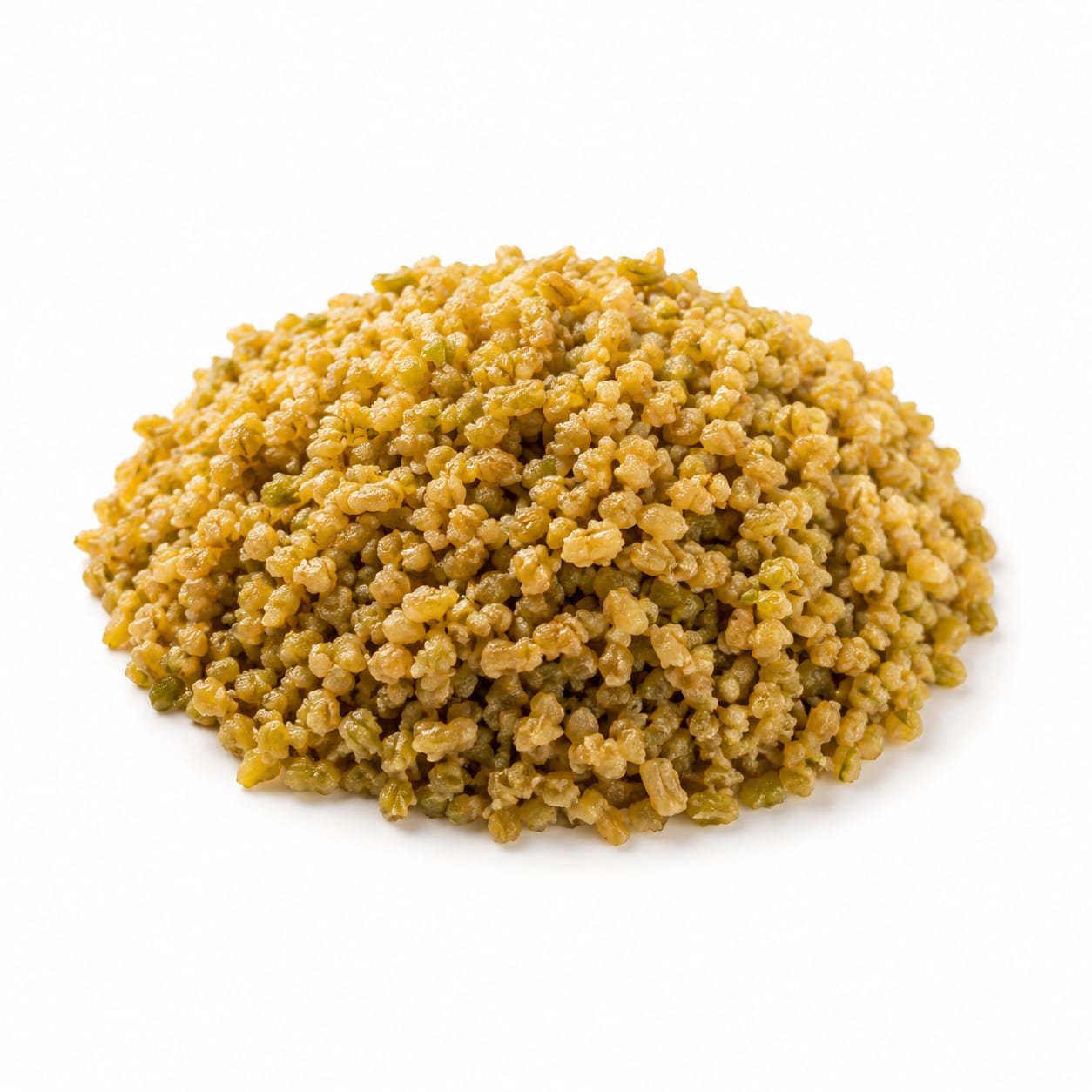
Freekeh
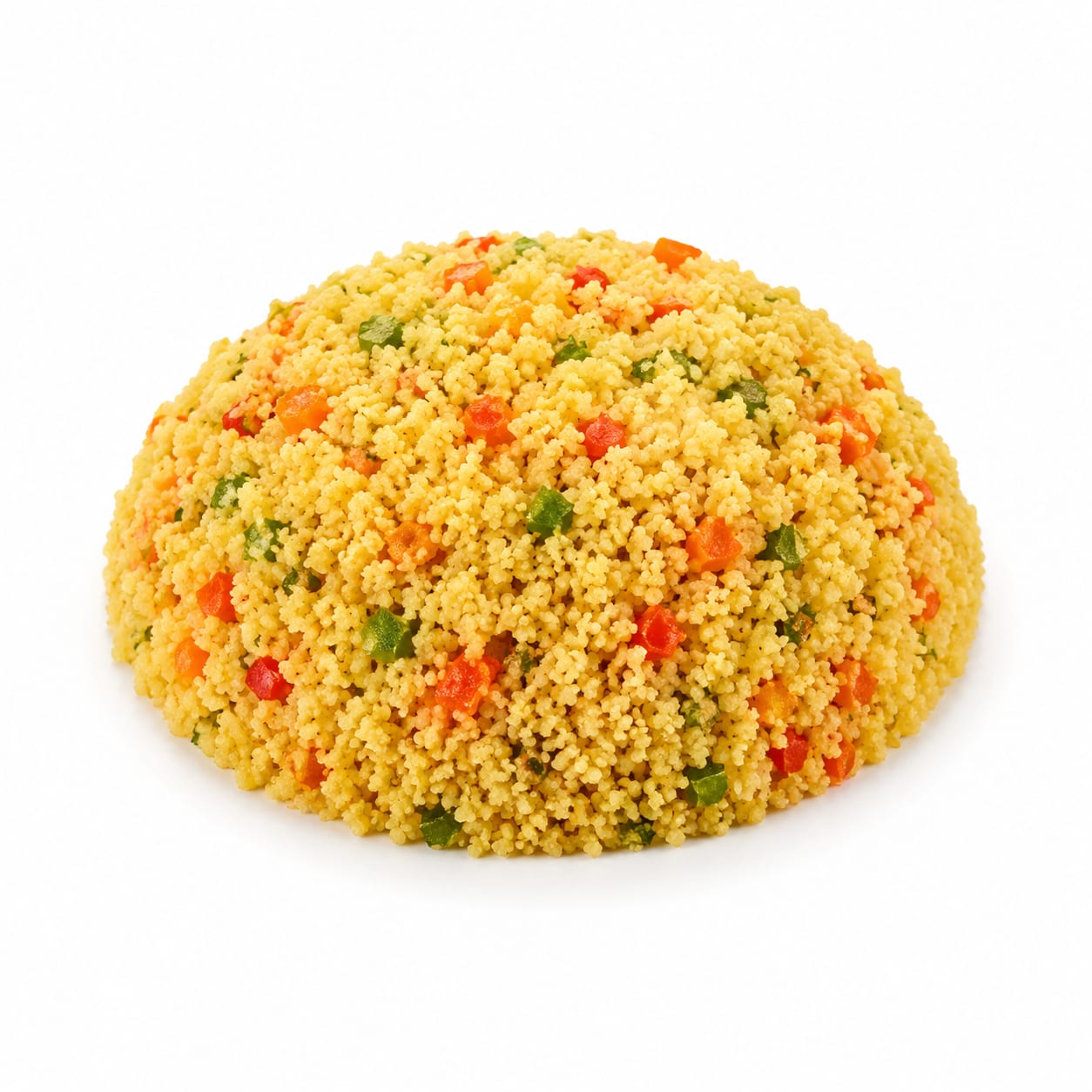
Couscous
Freekeh wins on nutrition and fullness, but Couscous wins on speed and convenience.
Freekeh scores significantly higher due to its whole-grain fiber and protein content, while Couscous loses points for being refined and rapidly digesting, though it gains some back for unmatched convenience.
Time versus nourishment. Freekeh takes longer to cook but rewards you with steadier energy; Couscous is instant but can leave you hungry sooner.
At a glance
Executive summary
Overall
Freekeh
Healthier
Freekeh
More practical
Couscous
Daily use
Freekeh
Key comparison lenses
Blood sugar impact and fiber content
Freekeh is a whole grain with high fiber, while Couscous is refined wheat that digests quickly, making glycemic control the most critical difference.
Convenience and cooking time
Couscous cooks in 5 minutes, whereas Freekeh takes significantly longer, heavily influencing weeknight meal choices.
Satiety and weight management
The massive fiber gap means Freekeh keeps you full much longer, directly impacting calorie intake and snacking habits.
Whole grain vs refined grain tradeoffs
Users are often deciding between maximizing nutrition or minimizing prep time when choosing between these two wheat products.
Best choice for
Freekeh
- Blood sugar control
- Sustained energy throughout the day
- High-fiber diets
- Weight management
Couscous
- Quick weeknight dinners
- Post-workout carb replenishment
- Meal prep in a rush
- Picky eaters who prefer milder textures
Least suitable for
Freekeh
- Last-minute meals
- People unaccustomed to high fiber intake
Couscous
- Low-carb or low-glycemic diets
- People managing diabetes or insulin resistance
Deep comparison
Dimension by dimension
Each lens scores both foods and breaks down who each option suits.
- Dimension 1 · Priority 95Freekeh
Blood Sugar Stability
Freekeh · 90Couscous · 30Freekeh provides slow, steady fuel. Couscous digests fast and can cause energy spikes and crashes.
Tradeoff
Choosing Couscous means accepting a faster blood sugar rise unless you carefully pair it with fats and proteins.
Why it matters
Steady blood sugar prevents the afternoon energy crash and reduces cravings for sugary snacks later.
Real-world impact
Eating Freekeh at lunch means you likely will not be starving by 3 PM. Eating Couscous alone might have you reaching for coffee or a pastry.
Freekeh
- Diabetics
- Pre-diabetics
- People prone to energy crashes
Better for
- Those who need immediate post-workout glycogen replenishment
Worse for
Couscous
- Endurance athletes needing quick carbs mid-event
Better for
- Sedentary individuals
- Anyone trying to minimize insulin spikes
Worse for
- Dimension 2 · Priority 85Freekeh
Satiety and Fullness
Freekeh · 92Couscous · 35Freekeh's high fiber keeps you full for hours. Couscous leaves you looking for a snack much sooner.
Tradeoff
You trade quick preparation for long-lasting fullness if you choose Couscous over Freekeh.
Why it matters
Feeling full directly controls portion sizes and prevents overeating at subsequent meals.
Real-world impact
A Freekeh bowl at noon easily holds you until dinner. A Couscous bowl might only buy you two to three hours before hunger returns.
Freekeh
- Weight loss diets
- Intermittent fasters breaking a fast
- High-volume eaters
Better for
- People with small appetites who struggle to eat enough
Worse for
Couscous
- Light pre-workout meals when you don't want a heavy stomach
Better for
- Binge eaters or those who struggle with portion control
Worse for
- Dimension 3 · Priority 80Couscous
Convenience and Prep Time
Freekeh · 40Couscous · 98Couscous is ready in five minutes. Freekeh requires simmering for up to 45 minutes.
Tradeoff
Couscous fits into the busiest of schedules, while Freekeh requires planning ahead or batch cooking.
Why it matters
The best grain for you is the one you will actually cook when life gets hectic.
Real-world impact
On a chaotic Tuesday night, Couscous gets dinner on the table. Freekeh might push you toward takeout if you forgot to start it earlier.
Freekeh
- Weekend meal preppers
- Slow cooker enthusiasts
Better for
- Anyone needing a meal in under 15 minutes
Worse for
Couscous
- Busy professionals
- Students with limited cooking time
- Camping or travel meals
Better for
- Those who prioritize slow-cooked, whole-food meals
Worse for
- Dimension 4 · Priority 75Freekeh
Nutrient Density
Freekeh · 88Couscous · 40Freekeh retains the wheat bran and germ, packing in minerals and vitamins. Most commercial Couscous is refined starch.
Tradeoff
Couscous offers calories without much nutritional payoff. Freekeh delivers actual micronutrients alongside its carbs.
Why it matters
Nutrient-dense foods support long-term health, immune function, and energy metabolism without needing supplements.
Real-world impact
Choosing Freekeh helps you hit your daily targets for manganese, magnesium, and iron. Couscous mostly just hits your carb quota.
Freekeh
- Pregnant women needing iron and B-vitamins
- Anyone healing from illness
Better for
- People who cannot tolerate high mineral intake without GI upset
Worse for
Couscous
- Those on a medically prescribed low-residue diet
Better for
- Those at risk of nutrient deficiencies
Worse for
- Dimension 5 · Priority 60Couscous
Digestive Tolerance
Freekeh · 65Couscous · 80Couscous is gentle on the stomach. Freekeh's high fiber can cause bloating if your gut is not used to it.
Tradeoff
Freekeh is better for long-term gut health, but Couscous is safer for an upset stomach or a sudden fiber increase.
Why it matters
Jumping into a high-fiber diet too fast causes discomfort, gas, and can discourage healthy eating habits.
Real-world impact
If you normally eat white bread, a large bowl of Freekeh might make you feel bloated. Couscous acts as a gentler stepping stone.
Freekeh
- People with chronic constipation seeking natural relief
Better for
- Individuals with severe IBS or sudden fiber intolerance
Worse for
Couscous
- Those with irritable bowel syndrome during flare-ups
- People transitioning from a low-fiber diet
Better for
- Those needing dietary fiber to maintain regularity
Worse for
Timeline
Health impact over time
Short-term
Hours to days
Freekeh
- Steady, sustained energy without a crash
- High feeling of fullness after eating
- Possible mild bloating if transitioning from a low-fiber diet
Couscous
- Quick energy availability
- Hunger returning within 1 to 2 hours
- Risk of a post-meal energy dip if eaten without protein
Long-term
Months to years
Freekeh
- Improved gut microbiome diversity from prebiotic fiber
- Better blood sugar regulation and insulin sensitivity
- Easier weight maintenance due to natural appetite control
Couscous
- Potential for increased insulin resistance if eaten frequently as a dietary staple
- Higher risk of weight gain if portions are not carefully managed
- Minimal contribution to long-term digestive health
Risk profile
Safety & processing
Freekeh is simply roasted green wheat, retaining its whole-grain integrity. Most commercial Couscous is made from refined wheat flour that has been steamed and dried, stripping away the bran and germ.
Freekeh
Acrylamide exposure
lowFreekeh is roasted, which can form trace amounts of acrylamide, but levels are typically very low and not a significant health concern.
Couscous
Mycotoxin contamination
lowAs a stored grain product, commercial Couscous can occasionally harbor mycotoxins if stored improperly, but strict food safety standards minimize this risk.
Who wins for whom
Audience fit
Same foods, different winners depending on your goal.
children
It dependsCouscous is often more palatable and easier for kids to chew, but Freekeh provides essential nutrients for growth if you can get them to eat it.
daily consumption
FreekehFreekeh offers a stronger nutritional foundation for everyday eating, whereas Couscous is better treated as an occasional convenience.
diabetes
FreekehFreekeh has a much lower glycemic index and higher fiber, preventing the dangerous blood sugar spikes caused by Couscous.
elderly
FreekehFreekeh supports digestive regularity and provides more essential micronutrients, assuming their digestive system can handle the fiber.
muscle gain
It dependsCouscous is excellent for quick post-workout glycogen replenishment, but Freekeh offers better overall protein quality for daily muscle maintenance.
weight loss
FreekehFreekeh's high fiber provides exceptional satiety, making it far easier to control overall calorie intake.
Your move
Decision guide
Choose Freekeh
- You want steady energy and no afternoon crashes
- You are managing your weight or blood sugar
- You meal prep on weekends and have time to batch cook grains
Choose Couscous
- You need dinner on the table in under 10 minutes
- You need fast-digesting carbs after an intense workout
- You are cooking for kids who dislike chewy whole grains
Either works if
- You are mixing the grain with lots of vegetables and lean protein, which buffers the blood sugar impact of Couscous
- You tolerate wheat and gluten well
Avoid both if
- You have celiac disease or a severe gluten intolerance
- You are strictly following a ketogenic or very low-carb diet
Final recommendation
Make Freekeh your default for meal prep and long-term health, but keep Couscous in your pantry for those hectic weeknights when cooking time just is not an option.
Practical
Consumer tips
- 1
Always rinse both grains before cooking to remove excess starch and potential debris.
- 2
Cook Freekeh in vegetable or chicken broth instead of water to add rich flavor without extra effort.
- 3
To make Couscous healthier, toss it with roasted vegetables, nuts, and a lean protein to slow down digestion and prevent sugar spikes.
- 4
If Freekeh takes too long, look for cracked Freekeh, which cooks in about 15 to 20 minutes instead of 45.
- 5
Transition slowly to Freekeh if you are not used to high fiber to give your gut time to adapt without bloating.