
Nutrition comparison
Bulgur vs Freekeh: Nutrition, Fiber, and Which is Healthier
Compare Bulgur and Freekeh to find out which ancient wheat grain is better for blood sugar, weight loss, and easy weeknight dinners.
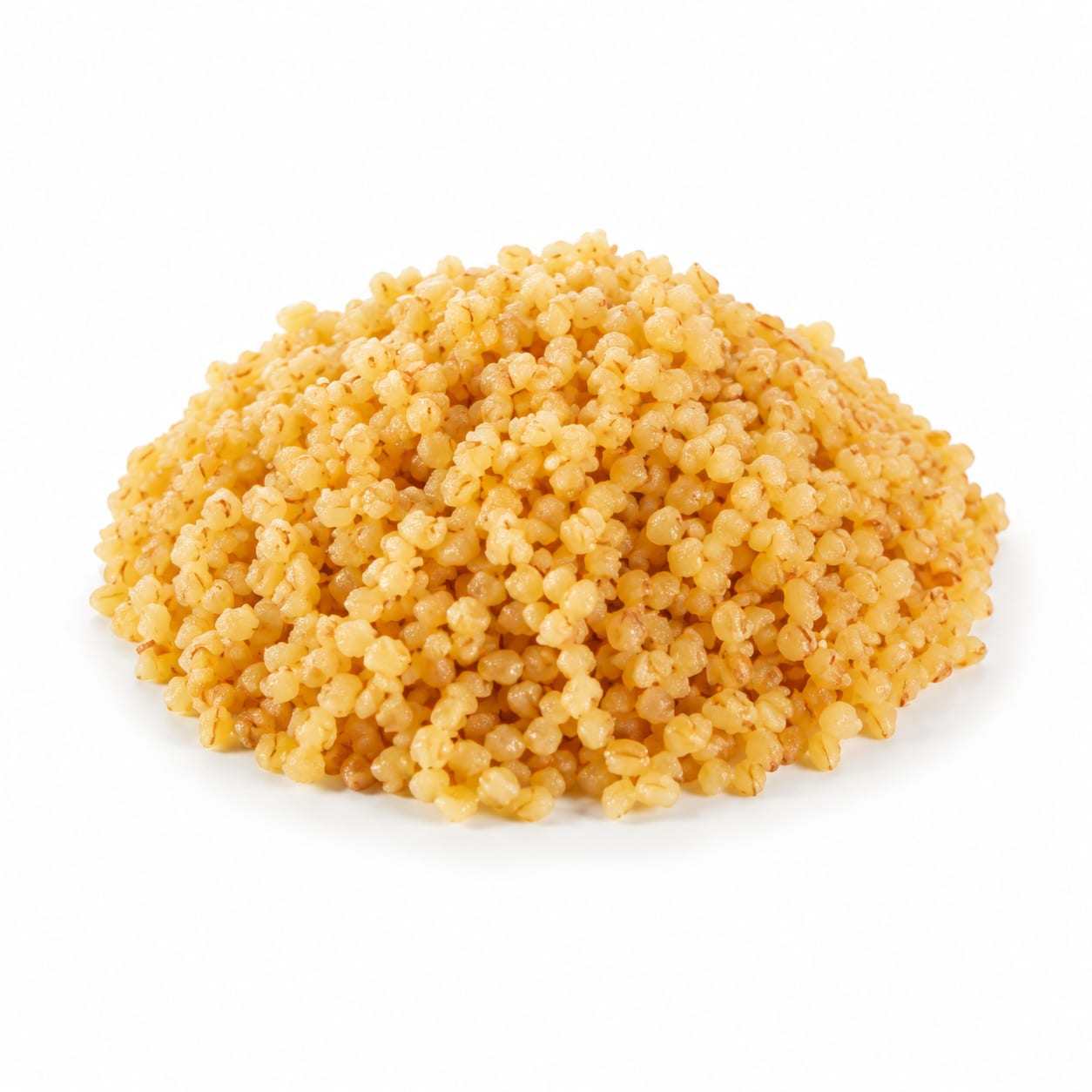
Bulgur
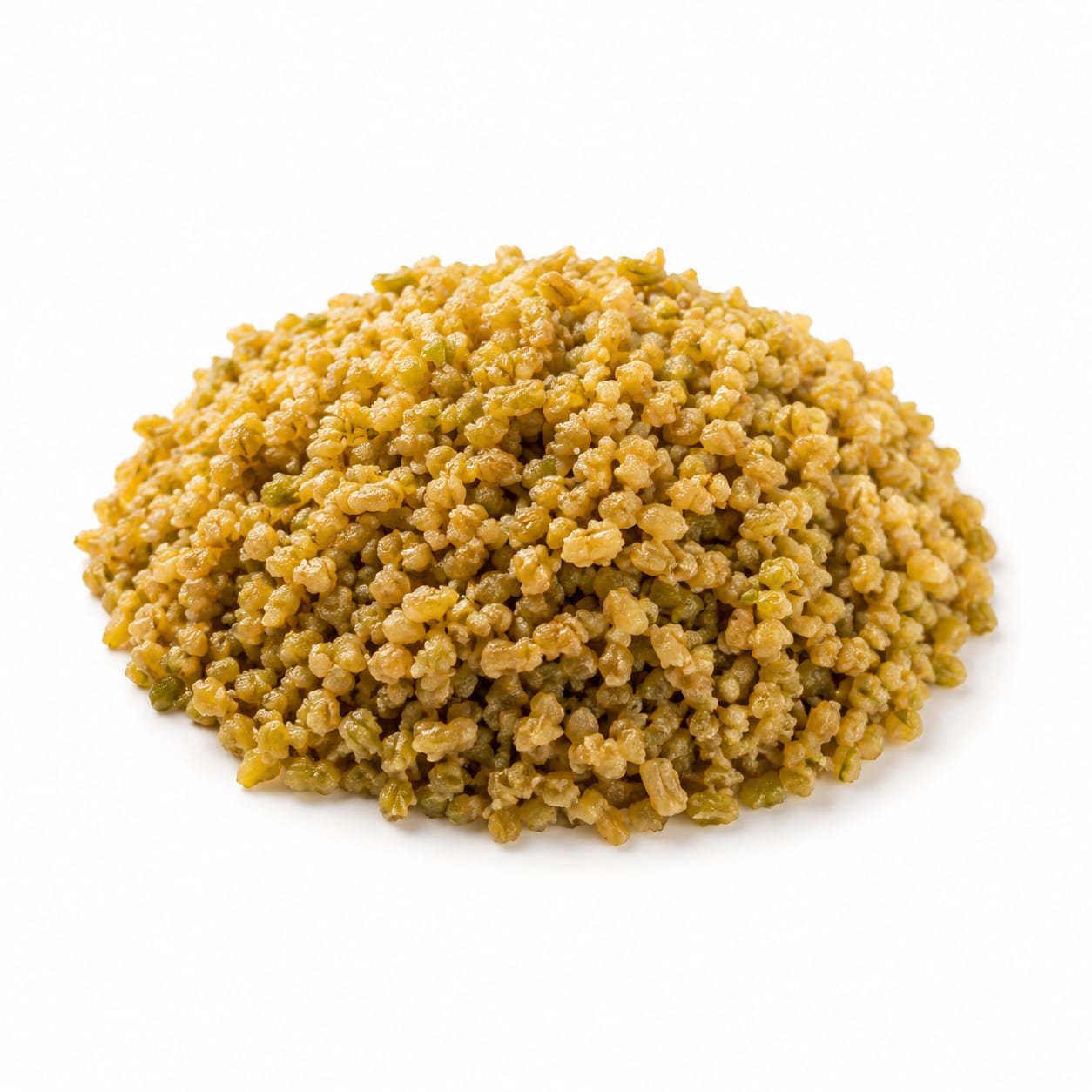
Freekeh
Freekeh packs more protein, fiber, and a lower glycemic punch, but Bulgur wins on convenience and versatility.
Freekeh scores slightly higher for its superior fiber, protein, and blood sugar benefits, but Bulgur remains close due to unmatched convenience and ease of use.
You trade the quick prep time and mild flavor of Bulgur for the denser nutrition and smoky, chewy profile of Freekeh.
At a glance
Executive summary
Overall
It depends
Healthier
Freekeh
More practical
Bulgur
Daily use
Bulgur
Key comparison lenses
Fiber and digestive health
Both are high-fiber whole grains, but Freekeh's young harvest gives it a distinct insoluble fiber advantage.
Blood sugar control
Users comparing ancient grains often prioritize low glycemic index options for steady energy.
Convenience and cooking time
Bulgur is parboiled and fast-cooking, while Freekeh requires longer preparation, impacting weeknight practicality.
Plant-based protein density
Freekeh retains higher protein from its early harvest, appealing to vegetarians and vegans.
Best choice for
Bulgur
- Busy weeknights needing a fast whole grain
- Meal prep beginners wanting an easy staple
- Lighter grain bowls and tabbouleh-style salads
Freekeh
- High-protein plant-based diets
- Strict blood sugar management
- Hearty, savory dishes benefiting from a smoky flavor
Least suitable for
Bulgur
- Those needing maximum fiber to resolve sluggish digestion
- People seeking the lowest possible glycemic index
Freekeh
- Quick 15-minute weeknight dinners
- Those who prefer neutral-tasting grains over smoky ones
Deep comparison
Dimension by dimension
Each lens scores both foods and breaks down who each option suits.
- Dimension 1 · Priority 90Freekeh
Nutritional Density
Bulgur · 78Freekeh · 90Freekeh harvests wheat early while still green, locking in more protein and minerals than mature wheat used for Bulgur.
Tradeoff
You get more nutrients per serving with Freekeh, but it requires a longer cooking time to unlock them.
Why it matters
Higher nutrient density means you get more satiety and metabolic benefit from the same calorie footprint.
Real-world impact
A Freekeh bowl keeps you full longer and provides more building blocks for muscle maintenance than an equal portion of Bulgur.
Bulgur
- Lighter meals where you don't want to feel overly stuffed
Better for
- Those relying on a single grain for a major protein boost
Worse for
Freekeh
- Nutrient-dense vegan meals
- Recovery meals after intense exercise
Better for
- Quick energy needs right after a workout
Worse for
- Dimension 2 · Priority 88Freekeh
Blood Sugar Stability
Bulgur · 82Freekeh · 90Freekeh has a lower glycemic index and higher resistant starch, causing a slower, steadier rise in blood sugar.
Tradeoff
Bulgur is still a very solid low-GI choice, but Freekeh offers an extra layer of protection against energy crashes.
Why it matters
Steadier blood sugar means fewer afternoon energy dips and less craving for sugary snacks.
Real-world impact
Eating Freekeh at lunch makes that 3 PM vending machine temptation much easier to resist compared to other carbs.
Bulgur
- Pre-workout carbs that digest slightly faster
Better for
- Those highly sensitive to blood sugar fluctuations
Worse for
Freekeh
- Diabetics managing post-meal glucose spikes
- Office workers fighting the afternoon slump
Better for
- Immediate post-hypoglycemia recovery where faster sugar is needed
Worse for
- Dimension 3 · Priority 85Bulgur
Convenience and Cooking Speed
Bulgur · 95Freekeh · 55Bulgur is pre-cooked and just needs soaking or a brief simmer, while Freekeh requires 40+ minutes of cooking.
Tradeoff
Bulgur saves you 30 minutes of cooking, making it far more realistic for everyday dinners.
Why it matters
If a healthy grain takes too long to cook on a Tuesday night, you might just reach for white rice instead.
Real-world impact
Bulgur can be ready in the time it takes to chop vegetables; Freekeh requires planning ahead or batch cooking on weekends.
Bulgur
- Last-minute weeknight dinners
- Fast meal prep lunches
Better for
- Slow-cooker recipes where quick-cooking grains turn mushy
Worse for
Freekeh
- Weekend meal prep sessions
- Slow-cooked stews and soups
Better for
- Spontaneous cooking
- Time-crushed weeknights
Worse for
- Dimension 4 · Priority 86Freekeh
Digestive Health and Satiety
Bulgur · 80Freekeh · 92Freekeh's exceptionally high insoluble fiber acts like a broom for your digestive tract, promoting robust gut health.
Tradeoff
If your stomach is sensitive to high fiber, Freekeh might feel heavy or cause bloating initially, whereas Bulgur is gentler.
Why it matters
Good digestion affects everything from mood to immunity, making fiber quality a top priority.
Real-world impact
Freekeh reliably keeps you full for hours and promotes regularity, but introduce it slowly to avoid gas.
Bulgur
- Sensitive stomachs transitioning to whole grains
- Lighter digestion on hot days
Better for
- Those needing a aggressive fiber boost for sluggish bowels
Worse for
Freekeh
- Combating chronic constipation
- Extending satiety between meals
Better for
- People with acute IBS flare-ups sensitive to insoluble fiber
Worse for
- Dimension 5 · Priority 70It depends
Flavor and Culinary Versatility
Bulgur · 85Freekeh · 80Bulgur has a mild, nutty flavor that disappears into dishes, while Freekeh brings a distinct, earthy smokiness.
Tradeoff
Bulgur goes with anything, but Freekeh adds a unique character that might overpower delicate flavors.
Why it matters
A grain you enjoy eating is a grain you will actually eat consistently.
Real-world impact
Use Bulgur for a refreshing tabbouleh, and Freekeh for a rich, savory pilaf or hearty winter soup.
Bulgur
- Delicate salads and light Mediterranean dishes
- Pickier eaters who prefer neutral flavors
Better for
- Dishes where you want the grain to be the star flavor
Worse for
Freekeh
- Hearty grain bowls with bold sauces
- Winter soups and stews needing a smoky depth
Better for
- Light, summery salads where smokiness feels out of place
Worse for
Timeline
Health impact over time
Short-term
Hours to days
Bulgur
- Provides quick, comfortable satiety without feeling heavy
- Easy to digest for most people transitioning from refined grains
Freekeh
- Delivers deep, lasting fullness that staves off snacking
- Can cause temporary bloating if you aren't used to very high fiber
Long-term
Months to years
Bulgur
- Supports consistent heart health and steady weight management
- Makes maintaining a whole grain habit effortless due to convenience
Freekeh
- Excellent for long-term blood sugar control and diabetes prevention
- Promotes a highly active and diverse gut microbiome
Risk profile
Safety & processing
Both are single-ingredient whole grains. Bulgur is simply parboiled, cracked, and dried wheat. Freekeh is young wheat that is roasted and cracked. Neither contains additives or preservatives.
Bulgur
Gluten exposure
highBulgur is made from wheat, making it strictly unsafe for those with celiac disease or severe gluten intolerance.
Freekeh
Gluten exposure
highFreekeh is also wheat, so it is equally unsafe for anyone avoiding gluten.
Cross-contamination with chaff
lowBecause Freekeh is harvested young and roasted, small bits of chaff can occasionally remain; always rinse and pick through it before cooking.
Who wins for whom
Audience fit
Same foods, different winners depending on your goal.
children
BulgurBulgur has a softer texture when cooked and a milder flavor that kids accept more easily than smoky, chewy Freekeh.
daily consumption
BulgurBecause Bulgur takes only minutes to prepare and has a mild flavor, it is far easier to eat five days a week without getting bored or slowed down.
diabetes
FreekehThe lower glycemic index and higher resistant starch in Freekeh provide superior blood sugar stability.
elderly
BulgurBulgur is gentler on the digestive system and easier to chew, which is important for aging digestive tracts and dental concerns.
muscle gain
FreekehFreekeh provides slightly more protein per serving, which adds up when eating large portions for muscle building.
weight loss
FreekehFreekeh's higher fiber and protein combination creates stronger satiety, making it easier to eat less overall.
Your move
Decision guide
Choose Bulgur
- You frequently cook on busy weeknights and need a healthy grain in under 15 minutes
- You want a mild, versatile base for meal prep that won't overpower your sauces
- You have a sensitive stomach and need a gentler whole grain
Choose Freekeh
- You prioritize maximum fiber and protein from your carb sources
- You are actively managing blood sugar or insulin resistance
- You love deep, smoky flavors and usually batch-cook your grains on weekends
Either works if
- You just want a nutritious, whole-grain alternative to white rice
- You are not gluten intolerant and want to rotate healthy grains in your diet
Avoid both if
- You have celiac disease, a wheat allergy, or severe gluten sensitivity
Final recommendation
Keep Bulgur in your pantry for everyday convenience and quick meals, but buy Freekeh for weekends when you have time to slow-cook and want an extra nutritional punch. Rotating both gives you the best of convenience and density.
Practical
Consumer tips
- 1
Fine-grade Bulgur only needs to be soaked in boiling water for 10 minutes; boiling it will turn it to mush.
- 2
Always rinse Freekeh before cooking to remove any residual chaff from the roasting process.
- 3
To save time with Freekeh, cook a large batch on Sunday and refrigerate it for easy use throughout the week.
- 4
If you find Freekeh too chewy, soak it in water for 30 minutes before cooking to soften the grains.