
Nutrition comparison
Freekeh vs Oatmeal: Which Grain Is Better for Your Health Goals?
Compare freekeh and oatmeal on protein, fiber, blood sugar impact, heart health, and convenience. Find out which whole grain fits your breakfast needs better.
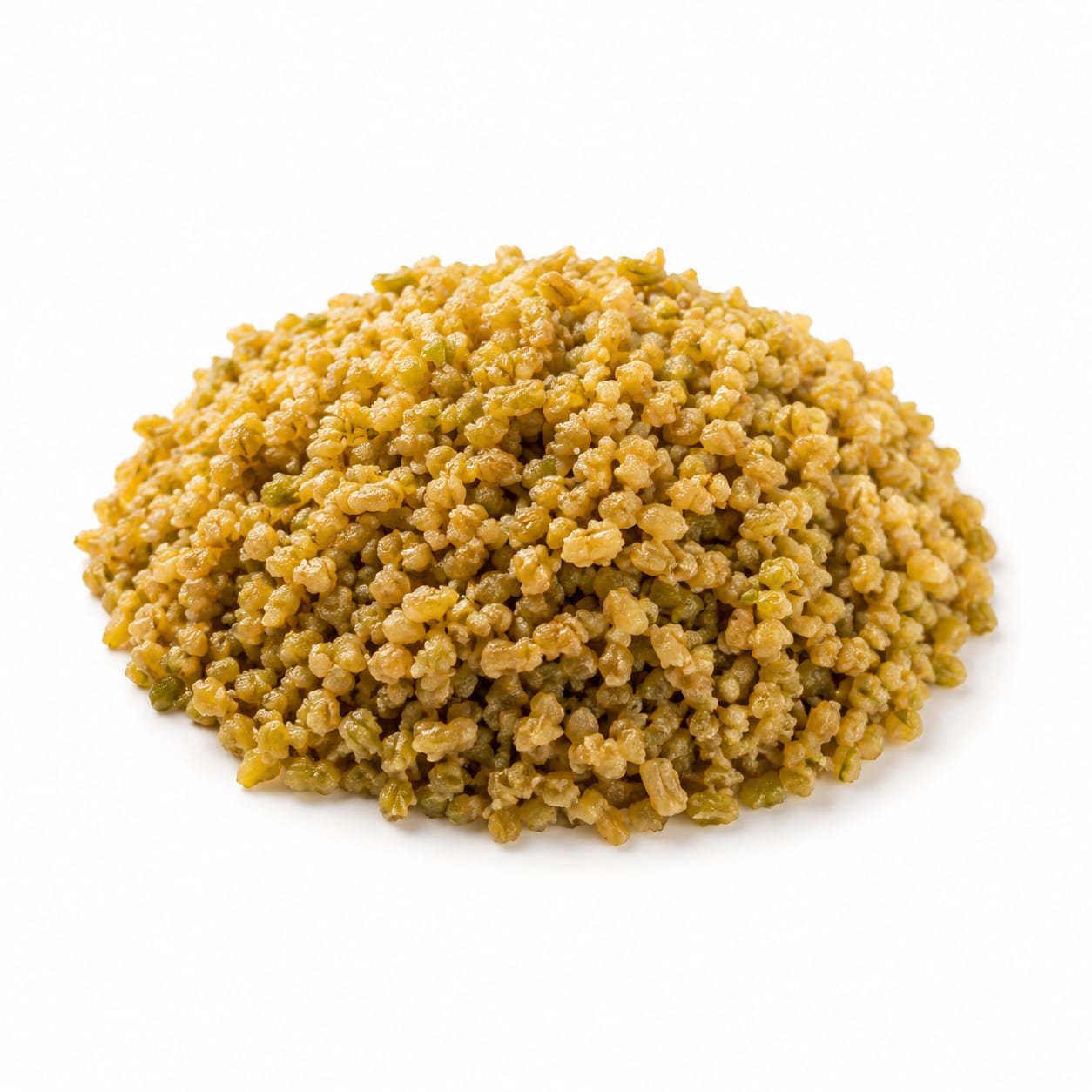
Freekeh
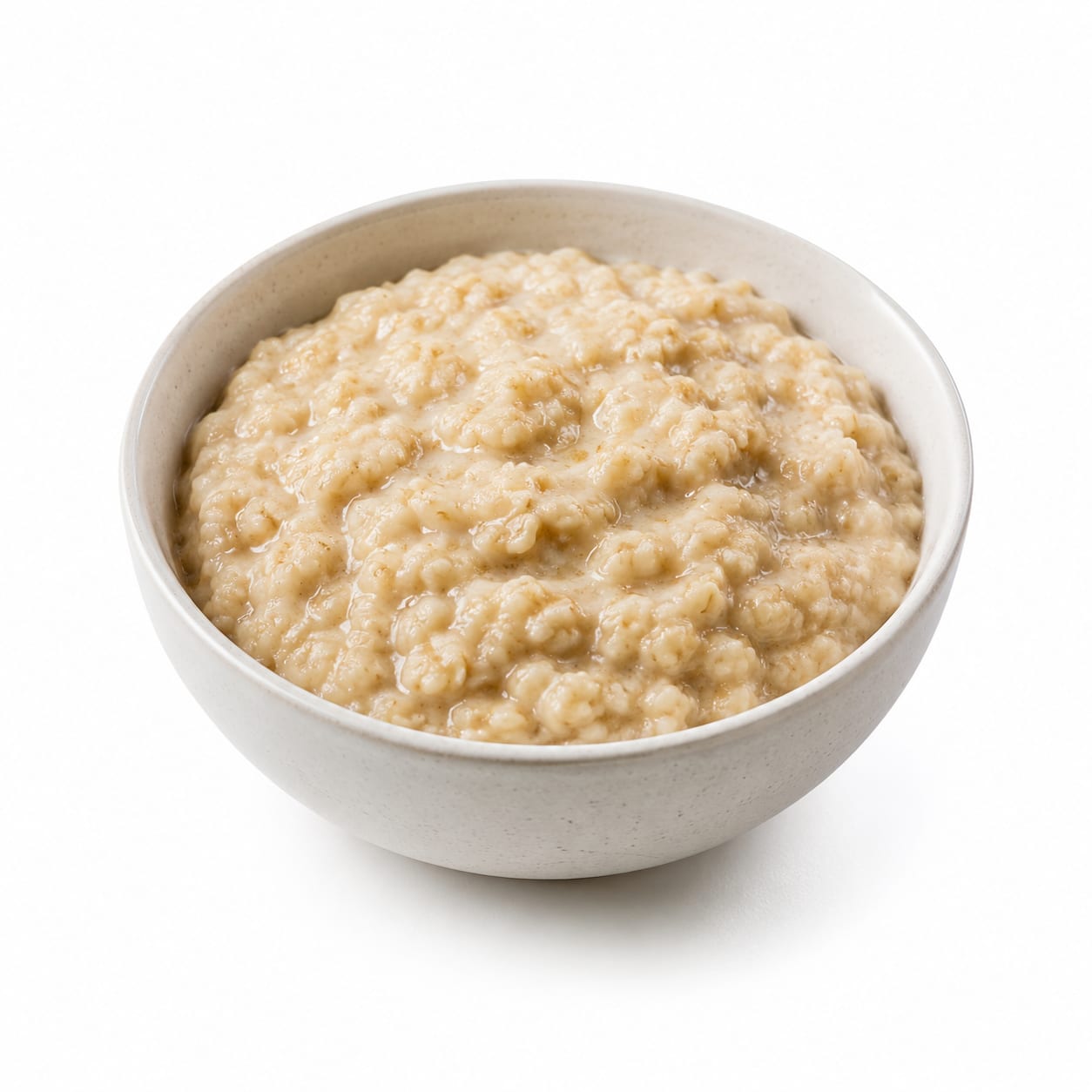
Oatmeal
Freekeh wins on protein, fiber, and blood sugar stability. Oatmeal wins on heart health, convenience, and everyday accessibility. Your pick depends on what you need most.
Freekeh edges ahead nutritionally with more protein and fiber, but oatmeal's convenience, heart health evidence, and daily sustainability close the gap significantly.
Freekeh fuels you longer with steadier energy; oatmeal protects your heart better and fits into busy mornings effortlessly.
At a glance
Executive summary
Overall
It depends
Healthier
It depends
More practical
Oatmeal
Daily use
Oatmeal
Key comparison lenses
blood sugar control and sustained energy
Both are whole grains popular for breakfast, but their glycemic impact and energy stability differ significantly
fiber type and digestive health benefits
Freekeh delivers more total fiber while oatmeal provides unique soluble beta-glucan — the tradeoff matters for gut and heart health
convenience and everyday practicality
Oatmeal is a pantry staple ready in minutes; freekeh requires more planning and cook time
protein content and satiety
Freekeh packs notably more protein per serving, keeping you fuller longer
heart health and cholesterol management
Oatmeal's beta-glucan is clinically proven to lower cholesterol — a key differentiator
Best choice for
Freekeh
- People managing blood sugar or insulin resistance
- Those wanting maximum satiety from a grain
- Athletes needing sustained energy without crashes
- Anyone bored with oatmeal wanting variety
Oatmeal
- People focused on lowering cholesterol
- Busy professionals needing a 5-minute breakfast
- Those with sensitive digestion who need gentle soluble fiber
- Families wanting an affordable, kid-friendly staple
Least suitable for
Freekeh
- Anyone with celiac disease or gluten sensitivity
- People who need a quick breakfast with zero prep
- Those unfamiliar with cooking whole grains from scratch
Oatmeal
- People strictly minimizing carb impact on blood sugar
- Those wanting higher protein from grains alone
- Anyone avoiding avenin sensitivity (oat gluten-like protein)
Deep comparison
Dimension by dimension
Each lens scores both foods and breaks down who each option suits.
- Dimension 1 · Priority 92Freekeh
blood sugar stability
Freekeh · 88Oatmeal · 72Freekeh has a meaningfully lower glycemic index, causing slower and steadier blood sugar rises compared to oatmeal.
Tradeoff
Oatmeal still beats most breakfast options, but freekeh is superior if blood sugar management is your priority.
Why it matters
Steadier blood sugar means fewer energy crashes, less cravings, and better hunger control through the morning.
Real-world impact
With freekeh, you're less likely to feel that mid-morning slump that sends you reaching for a snack by 10:30 AM.
Freekeh
- People with prediabetes or insulin resistance
- Those who experience energy crashes after breakfast
- Anyone monitoring HbA1c levels
Better for
- Not applicable — freekeh is the stronger choice here
Worse for
Oatmeal
- People with normal blood sugar who want general whole grain benefits
Better for
- People with diabetes may see sharper glucose spikes than with freekeh
Worse for
- Dimension 2 · Priority 90It depends
fiber quality and digestive health
Freekeh · 85Oatmeal · 83Freekeh delivers more total fiber and resistant starch, while oatmeal provides unique soluble beta-glucan that feeds beneficial gut bacteria differently.
Tradeoff
Freekeh keeps things moving through your digestive tract; oatmeal specifically nourishes gut bacteria linked to lower cholesterol.
Why it matters
Different fiber types do different jobs — insoluble fiber aids regularity, soluble fiber feeds gut microbes and binds cholesterol.
Real-world impact
Freekeh may help more with constipation and fullness. Oatmeal may help more with cholesterol and gut microbiome diversity.
Freekeh
- People needing more insoluble fiber for regularity
- Those wanting maximum fiber per calorie
- Anyone benefiting from resistant starch for gut health
Better for
- People with severe IBS who struggle with insoluble fiber
Worse for
Oatmeal
- People specifically targeting cholesterol reduction
- Those with irritable bowel who tolerate soluble fiber better
- Anyone wanting clinically proven heart-healthy fiber
Better for
- Those needing higher total fiber intake from a single serving
Worse for
- Dimension 3 · Priority 82Freekeh
protein and satiety
Freekeh · 84Oatmeal · 62Freekeh contains roughly double the protein per serving compared to oatmeal, making it noticeably more filling.
Tradeoff
Oatmeal's protein is modest, so you'll likely need to add nuts, seeds, or protein powder to match freekeh's staying power.
Why it matters
Higher protein at breakfast reduces overall daily calorie intake by controlling hunger hormones.
Real-world impact
A bowl of freekeh can keep you satisfied until lunch. With oatmeal, you might be hungry again by 11 AM without toppings.
Freekeh
- Anyone trying to eat less throughout the day without feeling deprived
- People who skip protein at breakfast
- Those wanting a grain that carries its own protein weight
Better for
- Not applicable — freekeh wins this dimension clearly
Worse for
Oatmeal
- People who already add protein-rich toppings to their oatmeal
Better for
- People relying on oatmeal alone for satiety may overeat later
Worse for
- Dimension 4 · Priority 78Oatmeal
heart health and cholesterol
Freekeh · 70Oatmeal · 90Oatmeal's beta-glucan has decades of clinical evidence for lowering LDL cholesterol — freekeh cannot match this specific benefit.
Tradeoff
Freekeh supports heart health indirectly through fiber and antioxidants, but oatmeal has direct, proven cholesterol-lowering effects.
Why it matters
Heart disease remains the leading cause of death, and dietary cholesterol management is one of the most impactful interventions.
Real-world impact
Eating oatmeal daily can reduce LDL cholesterol by 5-10% — a meaningful, measurable health outcome freekeh cannot replicate.
Freekeh
- People whose heart risk is more driven by blood sugar than cholesterol
Better for
- People specifically targeting cholesterol reduction
Worse for
Oatmeal
- Anyone with elevated LDL cholesterol
- People with family history of heart disease
- Those wanting a food with FDA-approved heart health claims
Better for
- Not applicable — oatmeal is the stronger choice here
Worse for
- Dimension 5 · Priority 85Oatmeal
convenience and practicality
Freekeh · 45Oatmeal · 90Oatmeal cooks in 2-5 minutes and is available everywhere. Freekeh requires 20-40 minutes and is harder to find.
Tradeoff
Freekeh rewards patience with better nutrition; oatmeal rewards efficiency with acceptable nutrition and zero friction.
Why it matters
The healthiest food only works if you actually eat it. Convenience often determines consistency.
Real-world impact
On a busy Tuesday morning, oatmeal is realistic. Freekeh requires weekend meal prep or a slow morning.
Freekeh
- People who batch-cook grains on weekends
- Those who enjoy slower cooking routines
Better for
- Anyone with less than 20 minutes for breakfast prep
- People who cannot find freekeh at local stores
Worse for
Oatmeal
- Busy parents needing quick breakfasts
- Anyone who values 5-minute meal prep
- People who travel and need widely available options
Better for
- Not applicable — oatmeal wins convenience decisively
Worse for
- Dimension 6 · Priority 68Freekeh
antioxidant and micronutrient profile
Freekeh · 80Oatmeal · 65Freekeh's roasting process creates unique antioxidants and retains more minerals like iron and zinc compared to oatmeal.
Tradeoff
Oatmeal provides decent manganese and selenium, but freekeh's overall micronutrient density is higher per serving.
Why it matters
Minerals like iron and zinc are commonly deficient, and antioxidant diversity supports long-term cellular health.
Real-world impact
Freekeh contributes more meaningfully to daily iron and zinc needs, which matters for energy and immune function.
Freekeh
- Women prone to iron deficiency
- Anyone wanting more mineral density from grains
- Those interested in unique antioxidant compounds from roasting
Better for
- Not applicable — freekeh wins this dimension
Worse for
Oatmeal
- People who get enough minerals from other food sources
Better for
- Those relying heavily on grains for iron and zinc intake
Worse for
Timeline
Health impact over time
Short-term
Hours to days
Freekeh
- More sustained energy with less post-meal sleepiness
- Greater fullness that reduces mid-morning snacking
- Slower blood sugar rise after eating
Oatmeal
- Gentle on the digestive system, especially for sensitive stomachs
- Warming and comforting texture that feels emotionally satisfying
- Quick energy availability for morning activity
Long-term
Months to years
Freekeh
- Better blood sugar control may reduce diabetes risk over years
- Higher mineral intake supports bone and immune health long-term
- Resistant starch may promote beneficial gut bacteria changes
Oatmeal
- Consistent beta-glucan intake reduces cardiovascular disease risk meaningfully
- Soluble fiber supports healthier gut microbiome diversity over time
- Daily oat consumption is associated with lower all-cause mortality
Risk profile
Safety & processing
Both are whole grains with minimal processing in their basic forms. However, flavored instant oatmeal packets often contain added sugars and artificial flavors — stick to plain rolled or steel-cut oats to match freekeh's clean profile.
Freekeh
Gluten content
highFreekeh is wheat-based and contains gluten. Completely unsuitable for anyone with celiac disease or gluten sensitivity.
Aflatoxin potential
lowAs a stored grain, freekeh can develop mold toxins if improperly stored, but this is rare with quality sources.
Oatmeal
Cross-contamination with gluten
mediumOats are naturally gluten-free but frequently processed in facilities with wheat. Certified gluten-free oats are necessary for celiac patients.
Avenin sensitivity
lowA small percentage of people with celiac-like symptoms react to avenin, a protein in oats similar to gluten.
Who wins for whom
Audience fit
Same foods, different winners depending on your goal.
children
OatmealOatmeal's mild taste, creamy texture, and quick prep make it far more kid-friendly and practical for school mornings.
daily consumption
OatmealOatmeal's convenience, affordability, and availability make it far easier to sustain as a daily habit for most people.
diabetes
FreekehLower glycemic index and higher resistant starch content make freekeh gentler on blood sugar, which is critical for diabetes management.
elderly
OatmealOatmeal is easier to chew, gentler on digestion, and its cholesterol-lowering effect is especially valuable for older adults with cardiovascular concerns.
muscle gain
FreekehNearly double the protein content per serving gives freekeh a meaningful edge, though neither is a primary protein source.
weight loss
FreekehHigher protein and fiber per calorie make freekeh more satiating, which naturally reduces overall food intake throughout the day.
Your move
Decision guide
Choose Freekeh
- You want maximum fullness and energy stability from breakfast
- Blood sugar management is a health priority for you
- You enjoy cooking and don't mind longer prep times
- You're looking for a higher-protein grain to support weight management
- You have no gluten sensitivity and want nutritional variety
Choose Oatmeal
- You need a quick breakfast that fits a busy schedule
- Lowering cholesterol is a specific health goal
- You want something gentle on a sensitive digestive system
- You're feeding a family and need affordable, kid-friendly options
- You want a grain you can find at any grocery store
Either works if
- You're generally healthy and just want a whole grain breakfast
- You rotate between different grains for dietary diversity
- You add protein and healthy fats as toppings regardless of the base grain
Avoid both if
- You have severe grain or gluten intolerance
- You're following a strict grain-free or paleo protocol
- You have difficulty digesting high-fiber foods without gradual introduction
Final recommendation
Eat both. Use oatmeal on busy weekdays for its convenience and heart health benefits. Cook freekeh on weekends or batch-prep it for days when you need steadier energy and more satiety. Rotating between them gives you oatmeal's beta-glucan and freekeh's resistant starch — a combination no single grain can match.
Practical
Consumer tips
- 1
Batch-cook freekeh on Sunday and refrigerate portions — it reheats well and saves you 30 minutes each morning
- 2
Add chia seeds, walnuts, or a scoop of protein powder to oatmeal to close the satiety gap with freekeh
- 3
Look for cracked freekeh rather than whole grain — it cooks in 15-20 minutes instead of 40
- 4
If you have celiac disease, freekeh is off-limits but certified gluten-free oats are safe for most
- 5
Steel-cut oats have a lower glycemic index than instant oats — choose them when blood sugar matters
- 6
Freekeh's smoky flavor pairs surprisingly well with savory breakfast additions like eggs and avocado
- 7
Store both grains in airtight containers away from moisture to prevent rancidity and mold