
Nutrition comparison
Freekeh vs Barley: Which Whole Grain Is Healthier?
Compare Freekeh vs Barley to find out which grain is better for weight loss, cholesterol, and gut health. Discover the nutritional differences and which one to choose.
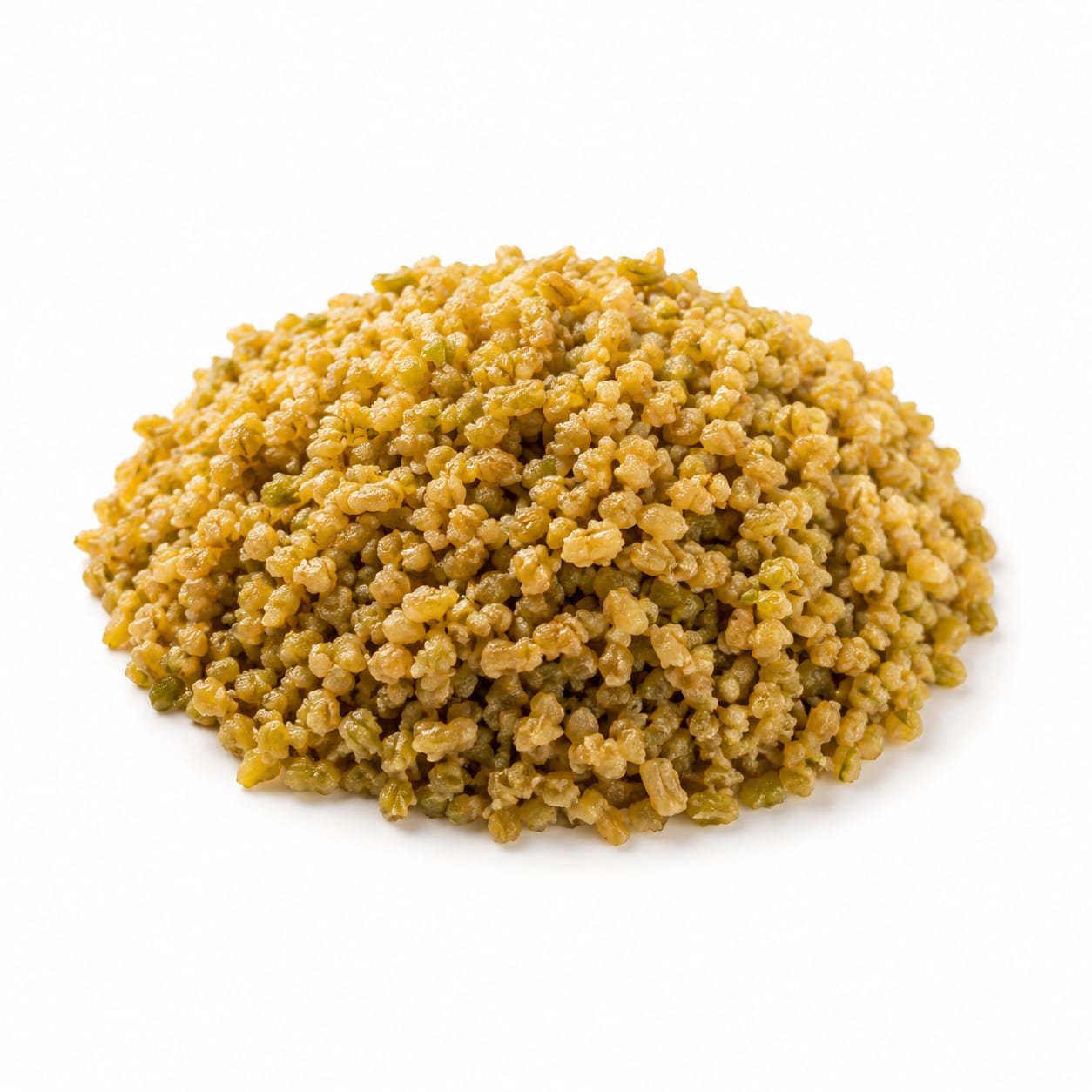
Freekeh
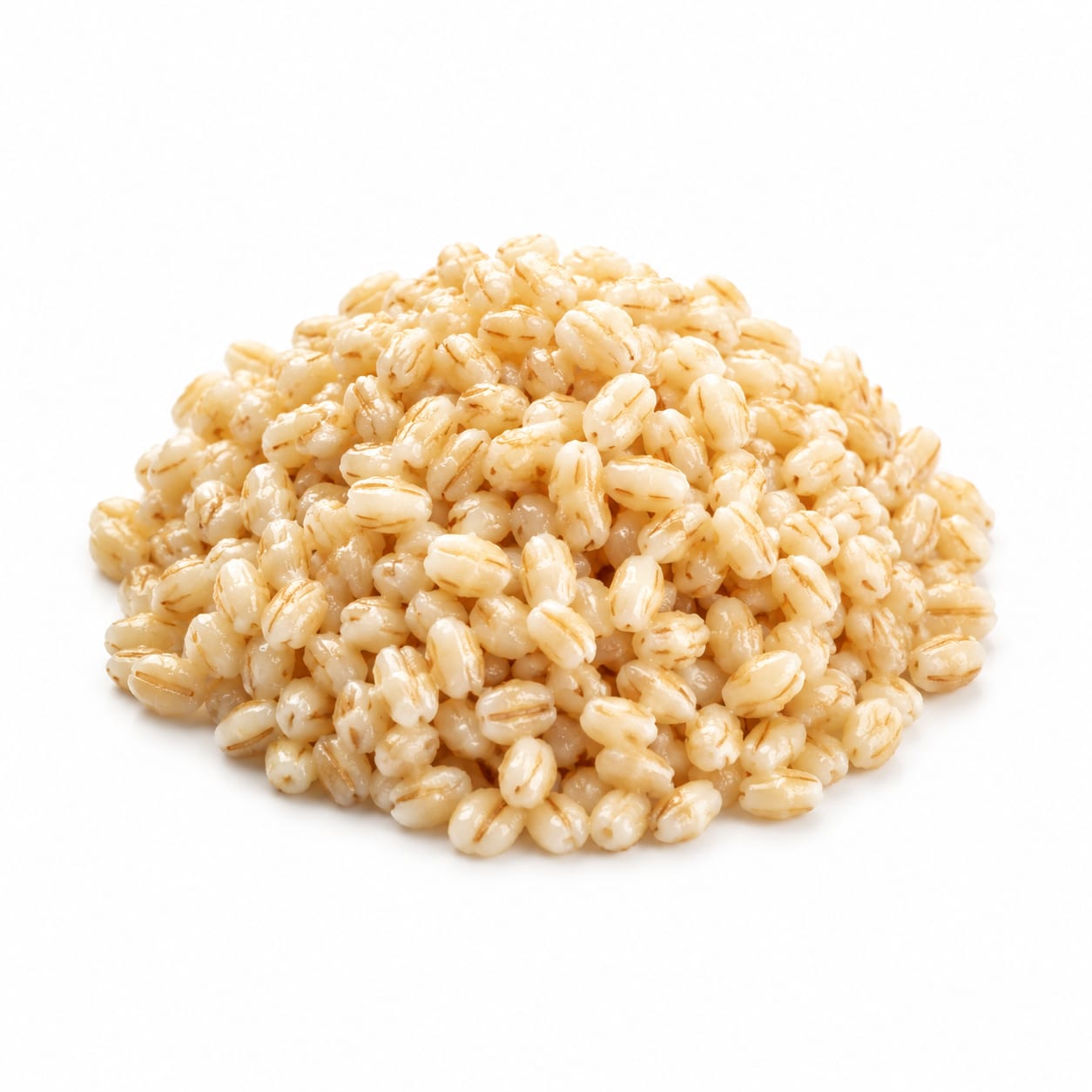
Barley
Freekeh offers more protein and insoluble fiber for gut regularity, while Barley delivers superior soluble fiber for lowering cholesterol.
Both are exceptional whole grains with unique strengths. Freekeh edges ahead slightly in protein and gut bulk, while Barley dominates in heart-healthy soluble fiber.
Digestive regularity and higher protein (Freekeh) versus heart health and cholesterol control (Barley).
At a glance
Executive summary
Overall
It depends
Healthier
It depends
More practical
Barley
Daily use
It depends
Key comparison lenses
Fiber type and gut health impact
Freekeh is known for insoluble fiber and prebiotics, while Barley is famous for cholesterol-lowering soluble beta-glucan fiber.
Blood sugar and cholesterol management
Both grains are low-glycemic, but Barley's beta-glucan specifically targets cholesterol and blood sugar spikes.
Protein content and satiety
Freekeh is harvested young, retaining significantly more protein than most whole grains, including Barley.
Cooking convenience and availability
Barley is a common pantry staple, while Freekeh often requires specialty shopping and longer prep times.
Best choice for
Freekeh
- Gut health and digestive regularity
- Higher plant-based protein intake
- Low glycemic energy with a smoky flavor
Barley
- Lowering LDL cholesterol
- Heart health and cardiovascular protection
- Thickening soups and stews naturally
Least suitable for
Freekeh
- Celiacs or anyone on a strict gluten-free diet
- People who want quick-cooking weeknight grains
Barley
- Celiacs or anyone on a strict gluten-free diet
- Those who dislike chewy textures
Deep comparison
Dimension by dimension
Each lens scores both foods and breaks down who each option suits.
- Dimension 1 · Priority 95It depends
Fiber Quality & Gut Health
Freekeh · 88Barley · 90Barley is rich in soluble beta-glucan, while Freekeh is packed with insoluble fiber and resistant starch.
Tradeoff
Barley feeds gut bacteria that lower cholesterol; Freekeh adds physical bulk to stool and promotes faster transit.
Why it matters
Different fiber types serve entirely different health goals, from heart health to bathroom regularity.
Real-world impact
Choose Barley if your doctor said to lower your cholesterol; choose Freekeh if you struggle with constipation or irregularity.
Freekeh
- Relieving constipation and bloating
- Promoting diverse gut bacteria via resistant starch
Better for
- Less effective for acute cholesterol lowering
Worse for
Barley
- Lowering LDL cholesterol
- Stabilizing blood sugar spikes after meals
Better for
- Less effective for quick digestive transit if you are constipated
Worse for
- Dimension 2 · Priority 85Freekeh
Protein & Satiety
Freekeh · 85Barley · 70Freekeh has significantly more protein per serving than Barley, making it more filling.
Tradeoff
You get more hunger-busting protein in Freekeh, but less of the gummy soluble fiber that Barley offers.
Why it matters
Protein is key for staying full between meals and avoiding the afternoon energy crash.
Real-world impact
A Freekeh bowl will keep you fuller for longer than a Barley bowl, making it a better lunch base on busy days.
Freekeh
- Staying full between meals
- Supporting muscle maintenance on a plant-heavy diet
Better for
- Lower soluble fiber content compared to Barley
Worse for
Barley
- Lighter meals where less protein density is desired
Better for
- Less effective at curbing hunger long-term due to lower protein
Worse for
- Dimension 3 · Priority 90Barley
Blood Sugar Control
Freekeh · 86Barley · 92Both are low-glycemic, but Barley's beta-glucan creates a gel that slows sugar absorption dramatically.
Tradeoff
Barley is clinically proven to blunt blood sugar spikes, while Freekeh relies more on its dense protein matrix.
Why it matters
Preventing energy crashes is crucial for diabetics and anyone avoiding the mid-afternoon slump.
Real-world impact
Eating Barley as a side dish can significantly reduce the blood sugar roller coaster that normally follows a carb-heavy meal.
Freekeh
- Sustained energy from a robust protein and fiber combo
Better for
- Less clinical evidence for blood sugar blunting compared to Barley
Worse for
Barley
- Blunting post-meal blood sugar spikes
- Managing insulin resistance
Better for
- Less protein to aid in long-term satiety and energy stability
Worse for
- Dimension 4 · Priority 75Barley
Practicality & Availability
Freekeh · 65Barley · 88Barley is a cheap pantry staple found in any grocery store, while Freekeh often requires a specialty store or online order.
Tradeoff
Freekeh offers a unique smoky flavor, but Barley is far easier to find, cheaper, and generally faster to cook.
Why it matters
The healthiest grain is the one you actually have on hand and can cook easily on a Tuesday night.
Real-world impact
You can grab Barley at any supermarket for a comforting weeknight soup, whereas Freekeh might require planning ahead.
Freekeh
- Adding exotic, smoky depth to grain bowls and pilafs
Better for
- Harder to find in regular supermarkets
- Often more expensive
Worse for
Barley
- Easy weeknight cooking
- Budget-friendly bulk buying
Better for
- Less complex, smoky flavor profile
Worse for
Timeline
Health impact over time
Short-term
Hours to days
Freekeh
- Increased fullness after meals due to higher protein
- Promotes bowel regularity quickly
Barley
- Slower digestion preventing sugar crashes
- Creates a comforting, thick texture in meals
Long-term
Months to years
Freekeh
- Improved gut microbiome diversity from resistant starch
- Better weight management from high satiety
Barley
- Reduced LDL cholesterol and improved heart health
- Lower risk of cardiovascular disease
- Improved long-term insulin sensitivity
Risk profile
Safety & processing
Both are whole grains in their natural state. However, pearl Barley is heavily processed to remove the bran; always choose hulled Barley to match Freekeh's nutritional integrity.
Freekeh
Gluten content
highFreekeh is young wheat and contains gluten, making it strictly unsafe for those with celiac disease or severe gluten sensitivity.
Barley
Gluten content
highBarley contains gluten and must be strictly avoided by anyone with celiac disease or gluten intolerance.
Who wins for whom
Audience fit
Same foods, different winners depending on your goal.
children
BarleyBarley is milder in flavor and easier to chew when cooked down into soups, making it more kid-friendly than the chewier, smokier Freekeh.
daily consumption
It dependsRotate both for diverse fiber intake: Freekeh for protein and gut bulk, Barley for heart health and blood sugar control.
diabetes
BarleyBarley's beta-glucan fiber is clinically shown to improve insulin response and blunt blood sugar spikes better than most grains.
elderly
BarleyThe soluble fiber in Barley is crucial for heart health in older adults, and it is generally easier to chew and digest when cooked soft.
muscle gain
FreekehFreekeh offers more protein per serving, which is essential for muscle repair and growth alongside resistance training.
weight loss
FreekehFreekeh's higher protein content provides a stronger satiety signal, helping you eat less overall between meals.
Your move
Decision guide
Choose Freekeh
- You want to increase your daily protein intake from plant sources
- You struggle with constipation and need more insoluble fiber
- You enjoy smoky, nutty flavors in grain bowls or pilafs
Choose Barley
- You are actively trying to lower your cholesterol
- You need an affordable, easy-to-find grain for everyday soups and stews
- You want the best grain for steady blood sugar management
Either works if
- You are looking for a satisfying, chewy alternative to white rice
- You want to increase your whole grain intake for general health
Avoid both if
- You have celiac disease, a gluten intolerance, or are following a strict gluten-free diet
Final recommendation
Let your primary health goal decide: choose Freekeh for a protein boost and digestive regularity, or choose Barley for heart health and blood sugar stability. Both are far superior to refined grains.
Practical
Consumer tips
- 1
If buying Barley, opt for hulled barley over pearl barley; pearl barley has been stripped of its bran and much of its beneficial fiber.
- 2
Freekeh comes in whole and cracked varieties; cracked cooks much faster, making it more practical for weeknight dinners.
- 3
Both grains benefit from soaking in water for a few hours before cooking to reduce phytic acid and speed up the cooking process.
- 4
Rinse both grains thoroughly under cold water before cooking to remove any natural debris or dust.