
Nutrition comparison
Freekeh vs Quinoa: Which Ancient Grain Is Better for You?
Compare Freekeh and Quinoa on fiber, protein, blood sugar impact, gluten content, and practicality. Find out which grain fits your health goals and lifestyle best.
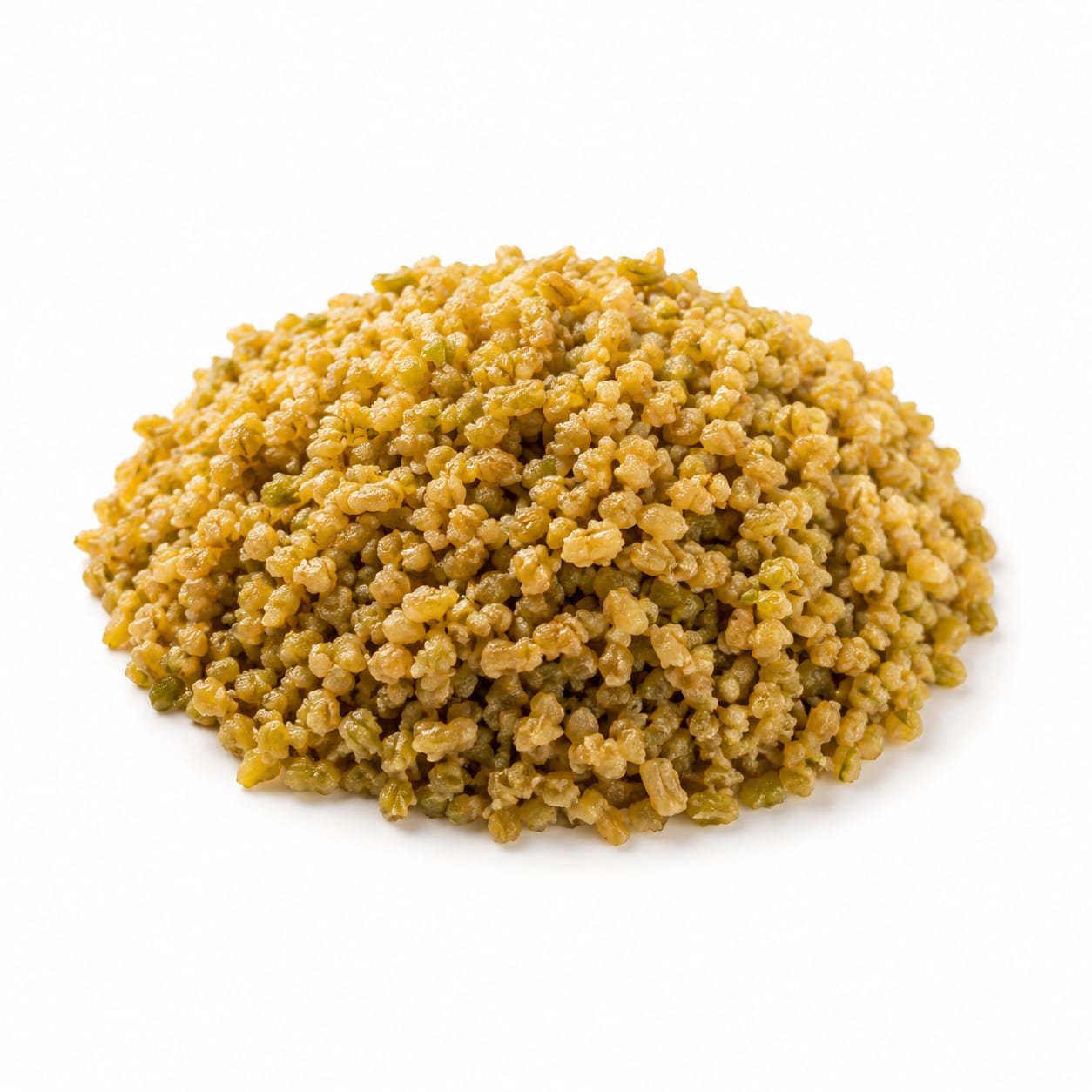
Freekeh
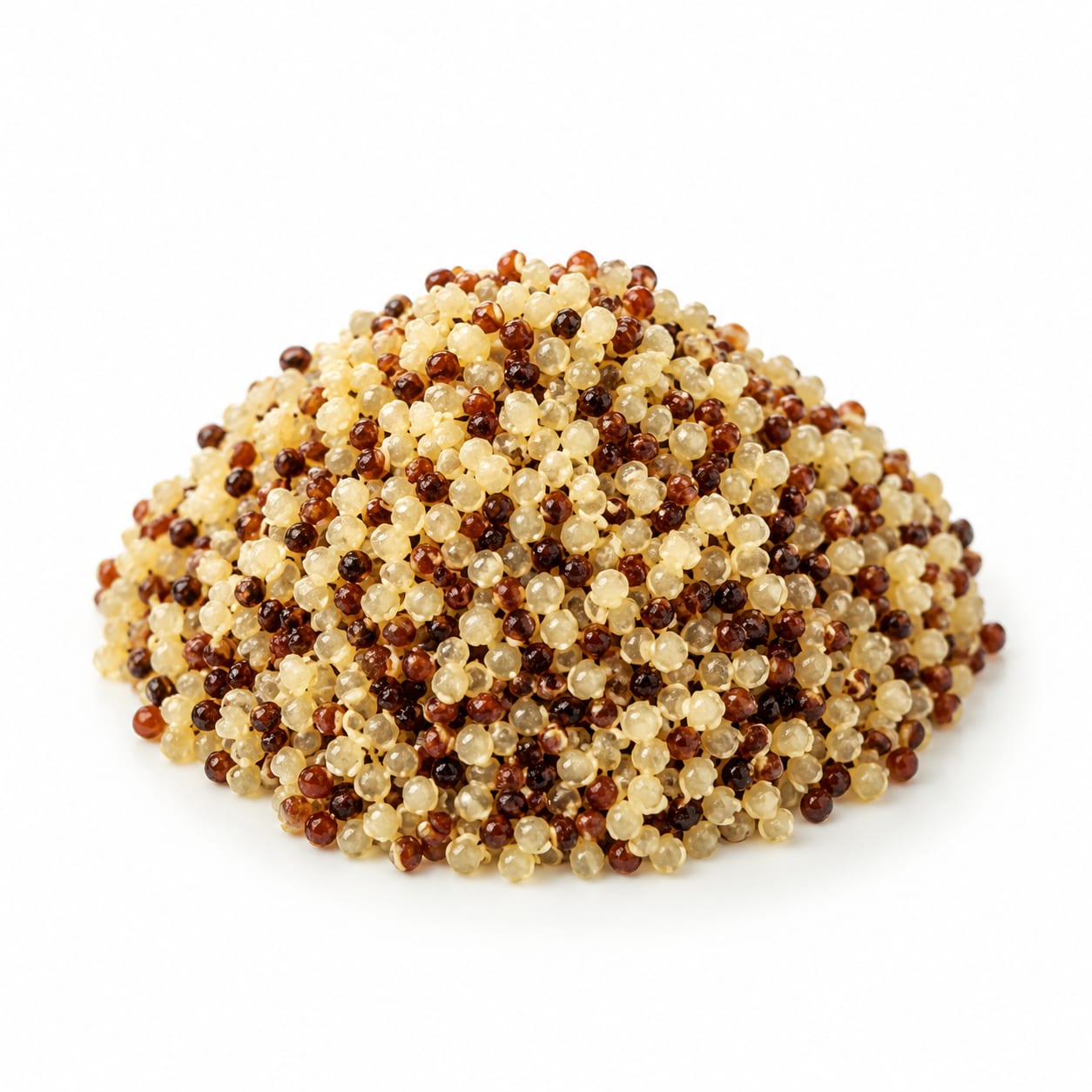
Quinoa
Freekeh dominates fiber and blood sugar control, while quinoa wins on protein completeness and gluten-free accessibility. Your best pick hinges on whether gluten tolerance or gut health is your bigger priority.
Quinoa edges ahead mainly due to complete protein, gluten-free status, and broader accessibility. Freekeh scores nearly as well thanks to outstanding fiber and blood sugar benefits, but gluten content limits its audience significantly.
Freekeh offers superior fiber and steadier blood sugar but contains gluten; quinoa delivers complete protein and universal digestibility with less fiber impact
At a glance
Executive summary
Overall
It depends
Healthier
It depends
More practical
Quinoa
Daily use
Quinoa
Key comparison lenses
Gluten sensitivity and digestive tolerance
Freekeh contains gluten while quinoa is naturally gluten-free, a dealbreaker-level difference for many consumers
Blood sugar management and glycemic control
Both are whole grains praised for steady energy, but their glycemic profiles differ meaningfully for anyone watching blood sugar
Protein quality for plant-based diets
Both are go-to protein sources for vegetarians and vegans, but protein completeness varies significantly
Gut health and fiber benefits
Freekeh's exceptional fiber content makes it a gut health standout worth understanding against quinoa's more moderate profile
Practicality and everyday convenience
Availability, cooking ease, and recipe versatility differ enough to influence which one people actually stick with long-term
Best choice for
Freekeh
- People prioritizing gut health and digestive regularity
- Anyone managing blood sugar or insulin resistance
- Those seeking maximum fiber per calorie
- Mediterranean and Middle Eastern cuisine enthusiasts
Quinoa
- Anyone with celiac disease or gluten sensitivity
- Plant-based eaters needing complete protein
- Households with mixed dietary needs
- People wanting maximum cooking versatility
Least suitable for
Freekeh
- Anyone with celiac disease or gluten intolerance
- People with wheat allergies
- Those sensitive to FODMAPs or insoluble fiber
Quinoa
- People who skip the rinse step and experience saponin bitterness
- Those seeking the highest possible fiber intake
- Anyone on a very tight budget in regions where quinoa is expensive
Deep comparison
Dimension by dimension
Each lens scores both foods and breaks down who each option suits.
- Dimension 1 · Priority 92Freekeh
Fiber Content and Gut Health
Freekeh · 93Quinoa · 68Freekeh delivers roughly double the fiber of quinoa, with especially high insoluble fiber and resistant starch that feed beneficial gut bacteria and promote regularity.
Tradeoff
That fiber richness comes with gluten, which rules out Freekeh entirely for anyone with celiac or significant gluten sensitivity
Why it matters
Most people fall far short of daily fiber targets. Freekeh closes that gap dramatically faster than quinoa per serving.
Real-world impact
A single cup of Freekeh can provide over 30% of your daily fiber needs, making digestive regularity noticeably easier to achieve without supplements.
Freekeh
- Chronic constipation relief
- Prebiotic gut bacteria support
- Feeling full longer between meals
Better for
- Irritable bowel syndrome flare-ups from insoluble fiber
- Gluten-related digestive distress
Worse for
Quinoa
- Gentler digestion for sensitive stomachs
- Lower FODMAP tolerance needs
Better for
- Reaching daily fiber goals without larger portions
Worse for
- Dimension 2 · Priority 88Quinoa
Protein Quality and Completeness
Freekeh · 72Quinoa · 91Quinoa is one of the rare plant foods with all nine essential amino acids in adequate ratios. Freekeh has solid protein quantity but lacks sufficient lysine.
Tradeoff
Freekeh still provides more total protein per serving by weight, but quinoa's protein is more usable by the body, especially for vegetarians and vegans
Why it matters
Incomplete proteins require pairing with complementary foods. Quinoa simplifies meal planning for plant-based eaters who worry about amino acid balance.
Real-world impact
A quinoa bowl with vegetables is a complete meal protein-wise. Freekeh needs beans, lentils, or nuts alongside it to match that completeness.
Freekeh
- Higher total protein grams per serving
- Pairing well with legumes for traditional dishes
Better for
- Lysine deficiency requiring dietary compensation
- Less efficient protein utilization alone
Worse for
Quinoa
- Complete protein without needing food combinations
- Simpler plant-based meal planning
- Better lysine content for tissue repair
Better for
- Slightly lower total protein per raw cup
Worse for
- Dimension 3 · Priority 90Freekeh
Blood Sugar Stability
Freekeh · 89Quinoa · 76Freekeh has a significantly lower glycemic index than quinoa, thanks to its higher fiber and resistant starch content that slow glucose absorption.
Tradeoff
Quinoa is still a low-to-medium glycemic food, but Freekeh provides noticeably steadier energy with less post-meal blood sugar fluctuation
Why it matters
For anyone with prediabetes, insulin resistance, or afternoon energy crashes, this difference compounds over every meal, every day.
Real-world impact
Freekeh at lunch means less of a 3pm energy dip. Quinoa is still steady, but the difference is perceptible for blood sugar-sensitive individuals.
Freekeh
- Prediabetes and insulin resistance management
- Avoiding afternoon energy crashes
- Steady energy through long workdays
Better for
- Gluten content may cause inflammation that indirectly affects metabolic health for sensitive individuals
Worse for
Quinoa
- Still solid glycemic control for most people
- Lighter post-meal feeling when desired
Better for
- More noticeable blood sugar rise in highly insulin-resistant individuals
Worse for
- Dimension 4 · Priority 95Quinoa
Gluten and Allergen Safety
Freekeh · 30Quinoa · 98Freekeh is wheat-based and contains gluten. Quinoa is naturally gluten-free and safe for celiacs, though cross-contamination in processing is possible.
Tradeoff
This is the single most decisive difference. For roughly 7% of the population with gluten issues, Freekeh is off the table entirely regardless of its other benefits.
Why it matters
Gluten reactions range from severe autoimmune damage to subtle inflammation and fatigue. This is not a tradeoff but a hard exclusion for many people.
Real-world impact
If you have celiac disease, even trace gluten from Freekeh causes intestinal damage. Quinoa lets you enjoy a nutritious grain bowl worry-free.
Freekeh
- No advantage in this dimension
Better for
- Complete exclusion for gluten-sensitive individuals
- Hidden gluten risk in mixed dishes
Worse for
Quinoa
- Celiac disease safety
- Non-celiac gluten sensitivity relief
- Wheat allergy alternative
- Shared household meals without worry
Better for
- Saponin residue if unrinsed can cause mild stomach irritation
Worse for
- Dimension 5 · Priority 78Quinoa
Mineral Density and Micronutrients
Freekeh · 74Quinoa · 84Quinoa provides more magnesium, iron, zinc, and manganese per serving. Freekeh offers good selenium and phosphorus but falls short on key minerals that many people lack.
Tradeoff
Freekeh's roasting process can reduce some heat-sensitive nutrients, while quinoa's mineral profile remains robust after cooking
Why it matters
Magnesium alone is deficient in nearly half of adults, affecting sleep, muscle recovery, and stress resilience. Quinoa is a meaningfully better source.
Real-world impact
Regular quinoa consumption can meaningfully contribute to closing magnesium gaps that affect sleep quality and muscle cramps.
Freekeh
- Good selenium for thyroid support
- Decent phosphorus for bone health
Better for
- Lower magnesium and iron per serving
- Some nutrient loss from roasting process
Worse for
Quinoa
- Superior magnesium for sleep and stress
- Better iron for energy and focus
- More zinc for immune function
Better for
- Phytic acid can slightly reduce mineral absorption if not properly prepared
Worse for
- Dimension 6 · Priority 80Quinoa
Practicality and Availability
Freekeh · 58Quinoa · 87Quinoa is available in virtually every grocery store and cooks in 15 minutes. Freekeh requires specialty stores or online ordering and takes 20-40 minutes depending on the crack size.
Tradeoff
Freekeh's smoky flavor is unique and worth seeking out, but quinoa's convenience and availability make it the realistic everyday choice for most households
Why it matters
The healthiest food only works if you actually buy and cook it consistently. Quinoa's convenience advantage translates directly into better dietary adherence.
Real-world impact
Quinoa is a 15-minute weeknight side dish. Freekeh requires planning ahead and often a trip to a specialty store or online order.
Freekeh
- Unique smoky flavor for special dishes
- Traditional Middle Eastern recipe authenticity
Better for
- Harder to find in stores
- Longer cooking times
- Less recipe inspiration available online
Worse for
Quinoa
- Available in any mainstream grocery store
- Faster cooking time
- More recipe variety and community resources
- Easier to maintain as a daily habit
Better for
- Bland if underseasoned or poorly cooked
Worse for
Timeline
Health impact over time
Short-term
Hours to days
Freekeh
- Noticeable fullness and satiety after meals due to high fiber
- Steady energy without sugar spikes or crashes
- Possible bloating or gas if transitioning from a low-fiber diet too quickly
- Risk of gluten-related discomfort for sensitive individuals
Quinoa
- Comfortable digestion for most people including gluten-sensitive individuals
- Light but satisfying post-meal feeling
- Mild stomach irritation if saponins are not rinsed off before cooking
- Quick energy replenishment after exercise
Long-term
Months to years
Freekeh
- Improved gut microbiome diversity from prebiotic fiber
- Better blood sugar regulation reducing diabetes risk over time
- Chronic inflammation risk if gluten-sensitive individuals consume it regularly
- Improved bowel regularity and reduced constipation
Quinoa
- Sustained mineral intake supporting bone density and metabolic function
- Complete protein intake supporting muscle maintenance with aging
- Gluten-free safety allowing worry-free long-term consumption
- Moderate but consistent fiber benefits for cardiovascular health
Risk profile
Safety & processing
Both are whole foods with minimal processing. Freekeh undergoes harvesting, roasting, and cracking, which is traditional and additive-free. Quinoa is simply harvested, cleaned, and dried. Both are clean choices by any reasonable standard.
Freekeh
Gluten exposure for sensitive individuals
highFreekeh is wheat-based and contains gluten. For anyone with celiac disease, even small amounts trigger autoimmune intestinal damage.
Cross-contamination in processing facilities
lowLess common than with quinoa since Freekeh is wheat-based and typically processed alongside other wheat products, but always check labels if you have allergies.
Quinoa
Saponin residue causing digestive irritation
mediumQuinoa naturally contains bitter saponins that can cause stomach upset if not rinsed thoroughly before cooking. Most commercial quinoa is pre-rinsed, but verification is wise.
Cross-contamination with gluten grains
mediumQuinoa is often processed in facilities that handle wheat. Celiacs should look for certified gluten-free labels to avoid trace exposure.
Who wins for whom
Audience fit
Same foods, different winners depending on your goal.
children
QuinoaQuinoa's milder flavor, softer texture, complete protein, and gluten-free safety make it more kid-friendly and nutritionally reliable for growing bodies.
daily consumption
QuinoaQuinoa's broader accessibility, faster cooking, gluten-free nature, and recipe versatility make it easier to sustain as a daily staple without fatigue.
diabetes
FreekehFreekeh's lower glycemic index and higher resistant starch content provide measurably steadier blood sugar control for insulin-resistant individuals.
elderly
QuinoaQuinoa's complete protein helps prevent age-related muscle loss, its softer cooked texture is easier to chew, and its mineral density supports bone health.
muscle gain
QuinoaQuinoa's complete amino acid profile supports muscle repair and growth more efficiently, especially important for plant-based athletes.
weight loss
FreekehFreekeh's superior fiber content creates stronger satiety signals, helping control portions and reduce snacking between meals.
Your move
Decision guide
Choose Freekeh
- You have no gluten sensitivity and want maximum fiber and gut health benefits
- Blood sugar control is your top nutritional priority
- You enjoy smoky, nutty flavors and Middle Eastern cooking traditions
- You are trying to increase satiety and reduce between-meal snacking
Choose Quinoa
- You or anyone in your household has celiac disease or gluten sensitivity
- You eat plant-based and need reliable complete protein without food combining
- You want a versatile everyday grain that works in everything from salads to breakfast bowls
- Convenience and grocery availability matter for your consistency
Either works if
- You tolerate gluten well and just want a nutritious whole grain side dish
- You rotate grains for dietary diversity and gut microbiome variety
- You are already eating a high-fiber diet and the fiber gap between them matters less
Avoid both if
- You have a severe grain or seed allergy that includes both wheat and quinoa
- You are on a strict very-low-carb or ketogenic diet
Final recommendation
Keep both in your pantry if you tolerate gluten. Use Freekeh when blood sugar control and gut health are your focus, and quinoa when you need complete protein, gluten-free safety, or quick weeknight convenience. If you must pick one, quinoa's versatility and universal digestibility make it the safer everyday choice, while Freekeh is the superior therapeutic option for fiber and glycemic benefits.
Practical
Consumer tips
- 1
Rinse quinoa under cold water for 30 seconds before cooking to remove bitter saponins, even if the package says pre-rinsed
- 2
Soak Freekeh for 20 minutes before cooking to reduce preparation time and improve texture
- 3
Toast dry quinoa in a pan for 2 minutes before adding water to bring out a nuttier flavor that rivals Freekeh's smokiness
- 4
Store both in airtight containers in a cool, dark place. Both can go rancid over time due to their natural oils
- 5
If trying Freekeh for the first time, start with a small portion to assess fiber tolerance, especially if your current diet is low in fiber
- 6
Look for cracked Freekeh rather than whole grain for faster cooking, typically 20 minutes instead of 40
- 7
Buy certified gluten-free quinoa if you have celiac disease to avoid cross-contamination risk