
Nutrition comparison
Freekeh vs Brown Rice: Which Grain is Healthier?
Compare Freekeh and Brown Rice for weight loss, diabetes, and digestion. Discover which whole grain offers more protein, better blood sugar control, and gluten-free options.
Overall winner · Freekeh
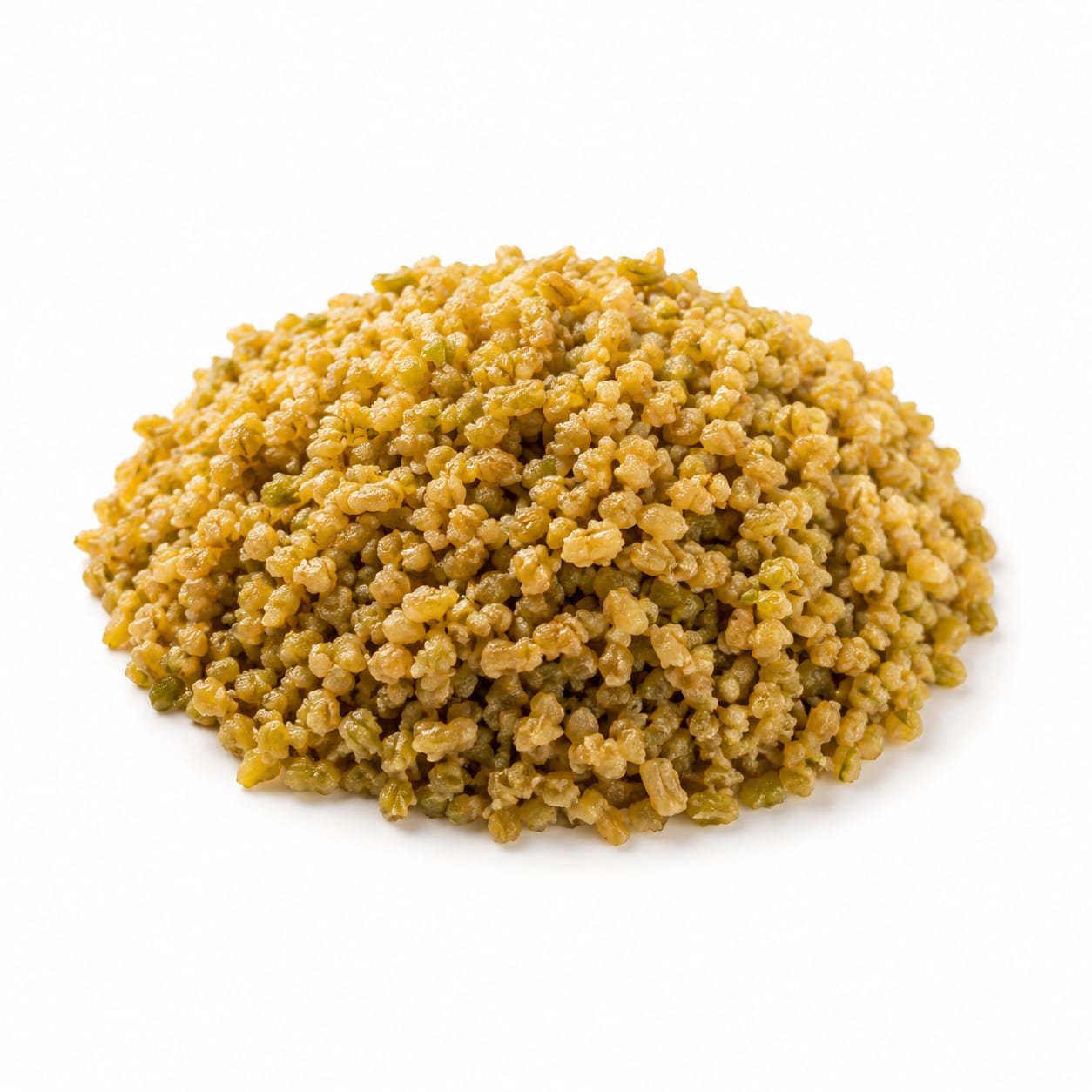
Freekeh
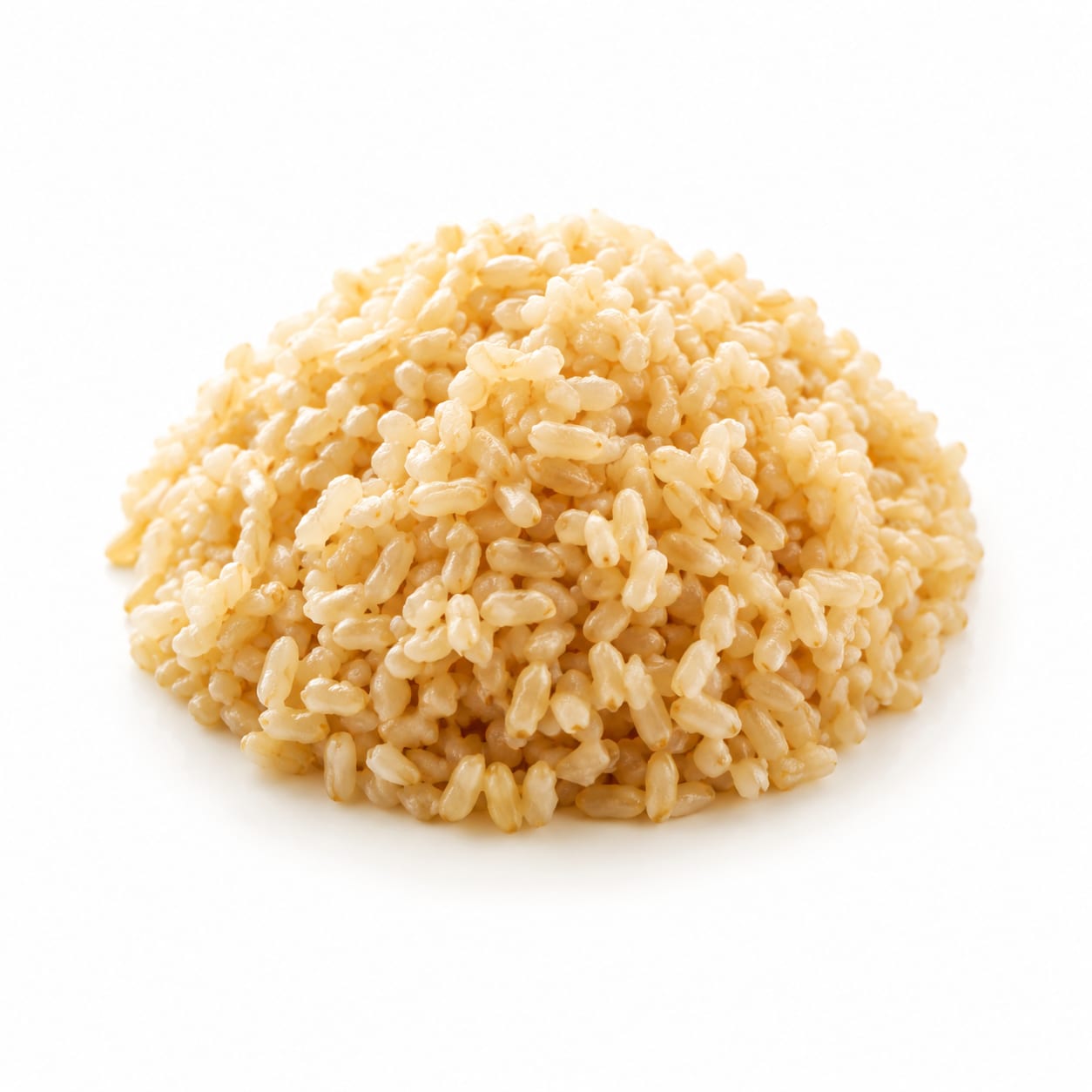
Brown Rice
Freekeh offers superior protein, fiber, and blood sugar stability, but Brown Rice wins for gluten-free diets and digestive gentleness.
Freekeh scores higher due to its superior fiber and protein content, which drive satiety and metabolic benefits. Brown Rice remains highly relevant due to its gluten-free nature and easier digestion, keeping the gap narrow.
You trade the digestive safety and mild versatility of Brown Rice for the nutritional power and smoky depth of Freekeh.
At a glance
Executive summary
Overall
Freekeh
Healthier
Freekeh
More practical
Brown Rice
Daily use
It depends
Key comparison lenses
Blood sugar control and diabetes management
Freekeh is known for its exceptionally low glycemic index compared to brown rice, making it a critical differentiator.
Gluten sensitivity and digestive tolerance
Freekeh contains gluten while brown rice is naturally gluten-free, a major deciding factor for many consumers.
Weight loss and satiety
Both are whole grains, but their fiber and protein profiles differ significantly, impacting fullness and calorie intake.
Heavy metal exposure
Brown rice can accumulate arsenic, whereas Freekeh (wheat) typically has lower heavy metal concerns.
Best choice for
Freekeh
- People managing diabetes or insulin resistance
- Those seeking high satiety to curb snacking
- Anyone looking to boost protein intake from plant sources
Brown Rice
- People with celiac disease or gluten intolerance
- Those with sensitive stomachs needing gentle fiber
- Individuals concerned about arsenic in their daily grain rotation
Least suitable for
Freekeh
- Anyone with celiac disease or a wheat allergy
- People who dislike chewy or smoky-flavored grains
Brown Rice
- Those strictly managing blood sugar spikes
- People wanting a high-protein grain base for meals
Deep comparison
Dimension by dimension
Each lens scores both foods and breaks down who each option suits.
- Dimension 1 · Priority 95Freekeh
Blood Sugar Stability
Freekeh · 92Brown Rice · 68Freekeh has a much lower glycemic index, leading to steadier energy and fewer afternoon crashes.
Tradeoff
Brown Rice is still better than white rice, but it can cause sharper blood sugar rises compared to Freekeh.
Why it matters
Stable blood sugar prevents cravings, fatigue, and long-term metabolic issues.
Real-world impact
Eating Freekeh at lunch makes you less likely to crave a sweet snack at 3 PM.
Freekeh
- Diabetics
- People with insulin resistance
Better for
- Those needing quick energy right before a workout
Worse for
Brown Rice
- Pre-workout carb loading where quick energy is desired
Better for
- People trying to avoid post-meal energy dips
Worse for
- Dimension 2 · Priority 90Freekeh
Satiety and Fullness
Freekeh · 89Brown Rice · 72Freekeh packs significantly more fiber and protein, making meals much more filling.
Tradeoff
The high insoluble fiber in Freekeh can be too rough for sensitive digestive tracts, whereas Brown Rice is gentler.
Why it matters
Feeling full longer helps with portion control and reduces overall calorie intake.
Real-world impact
A Freekeh bowl keeps you full for hours, while Brown Rice might leave you hungry sooner.
Freekeh
- Weight loss diets
- Heavy workers needing lasting energy
Better for
- People with IBS who react to high insoluble fiber
Worse for
Brown Rice
- Light eaters who want a gentle stomach feel
Better for
- Those who tend to overeat because they never feel full
Worse for
- Dimension 3 · Priority 85Brown Rice
Digestive Tolerance and Allergens
Freekeh · 60Brown Rice · 90Brown Rice is naturally gluten-free and easier to digest, while Freekeh contains gluten and rough fiber.
Tradeoff
You miss out on Freekeh's higher protein, but avoid potential bloating or allergic reactions.
Why it matters
Gluten sensitivity and IBS are common; eating the wrong grain can cause days of discomfort.
Real-world impact
Choosing Brown Rice means no bloating or brain fog for those sensitive to wheat.
Freekeh
- People without gluten issues needing strong gut motility
Better for
- Anyone with wheat allergies or celiac disease
Worse for
Brown Rice
- Celiacs
- People with IBS or gluten sensitivity
Better for
- Those needing high fiber to combat constipation
Worse for
- Dimension 4 · Priority 70Brown Rice
Convenience and Versatility
Freekeh · 65Brown Rice · 85Brown Rice is a neutral canvas that fits any cuisine, while Freekeh has a distinct smoky, chewy profile.
Tradeoff
Freekeh's unique flavor elevates certain dishes but limits its use in others, unlike the adaptable Brown Rice.
Why it matters
A grain you can use anywhere reduces food waste and simplifies meal prep.
Real-world impact
Brown Rice works seamlessly in a burrito, stir-fry, or curry; Freekeh is best in Middle Eastern or hearty salads.
Freekeh
- Adventurous cooks wanting bold, smoky flavors
Better for
- Making delicate dishes like sushi or mild porridge
Worse for
Brown Rice
- Meal preppers needing a neutral base for varied cuisines
Better for
- Creating rich, smoky grain bowls
Worse for
Timeline
Health impact over time
Short-term
Hours to days
Freekeh
- High fullness after meals
- Potential bloating if unused to high fiber
- Steady energy without a sugar crash
Brown Rice
- Gentle on the stomach
- Moderate energy boost
- No gluten-related inflammation for sensitive individuals
Long-term
Months to years
Freekeh
- Better blood sugar management over time
- Improved gut motility from high fiber
- Risk of arsenic exposure is lower than rice
Brown Rice
- Consistent source of gentle whole grain nutrition
- Potential arsenic accumulation if consumed excessively without soaking
- Safe long-term option for the gluten-free community
Risk profile
Safety & processing
Both are whole, minimally processed grains. Freekeh is simply roasted green wheat, and Brown Rice is hulled whole grain rice. Neither typically contains additives.
Freekeh
Gluten exposure
highContains wheat gluten, making it unsafe for those with celiac disease or severe gluten intolerance.
Cross-contamination
lowAs a specialty grain, it may be processed in facilities handling other allergens.
Brown Rice
Arsenic accumulation
mediumBrown rice tends to accumulate more inorganic arsenic than wheat. Eating it daily without soaking or varying grains can increase exposure.
Who wins for whom
Audience fit
Same foods, different winners depending on your goal.
children
Brown RiceBrown Rice is milder in flavor, easier to chew, and gluten-free, making it more kid-friendly and safer for sensitive little tummies.
daily consumption
It dependsFreekeh is nutritionally superior for daily use, but Brown Rice is safer for daily consumption if you have gluten sensitivity or want to avoid wheat daily.
diabetes
FreekehThe exceptionally low glycemic index of Freekeh prevents sharp blood sugar spikes, making it safer for glucose management.
elderly
Brown RiceBrown Rice is gentler on the digestive system and avoids gluten-related inflammation, which is beneficial for aging digestive tracts.
muscle gain
FreekehFreekeh provides more protein per serving, offering a better plant-based complement to a muscle-building diet.
weight loss
FreekehFreekeh's higher protein and fiber content creates a stronger feeling of fullness, naturally reducing overall calorie intake.
Your move
Decision guide
Choose Freekeh
- You want the most filling, blood-sugar-friendly grain possible
- You love smoky, nutty flavors in your grain bowls
- You are trying to increase plant-based protein without supplements
Choose Brown Rice
- You are gluten-free or cooking for someone who is
- You want a neutral grain that works with any cuisine
- You have a sensitive stomach and need gentler fiber
Either works if
- You are simply trying to eat more whole grains instead of refined ones
- You want to rotate grains to avoid heavy metal buildup
Avoid both if
- You are on a strict low-carb or keto diet
- You have severe grain allergies
Final recommendation
Keep both in your pantry. Use Freekeh when you need a nutritional powerhouse and smoky depth, and rely on Brown Rice for gentle, gluten-free versatility. Rotating them gives you the best of both worlds while minimizing arsenic exposure from rice.
Practical
Consumer tips
- 1
Soak Brown Rice overnight and cook in extra water to reduce arsenic levels by up to 50%.
- 2
Buy cracked Freekeh instead of whole grain Freekeh to cut cooking time from 40 minutes down to 15.
- 3
Rinse both grains thoroughly before cooking to remove debris and surface starches.
- 4
Toast Brown Rice in a dry pan before cooking to add a nutty flavor that rivals Freekeh's smokiness.