
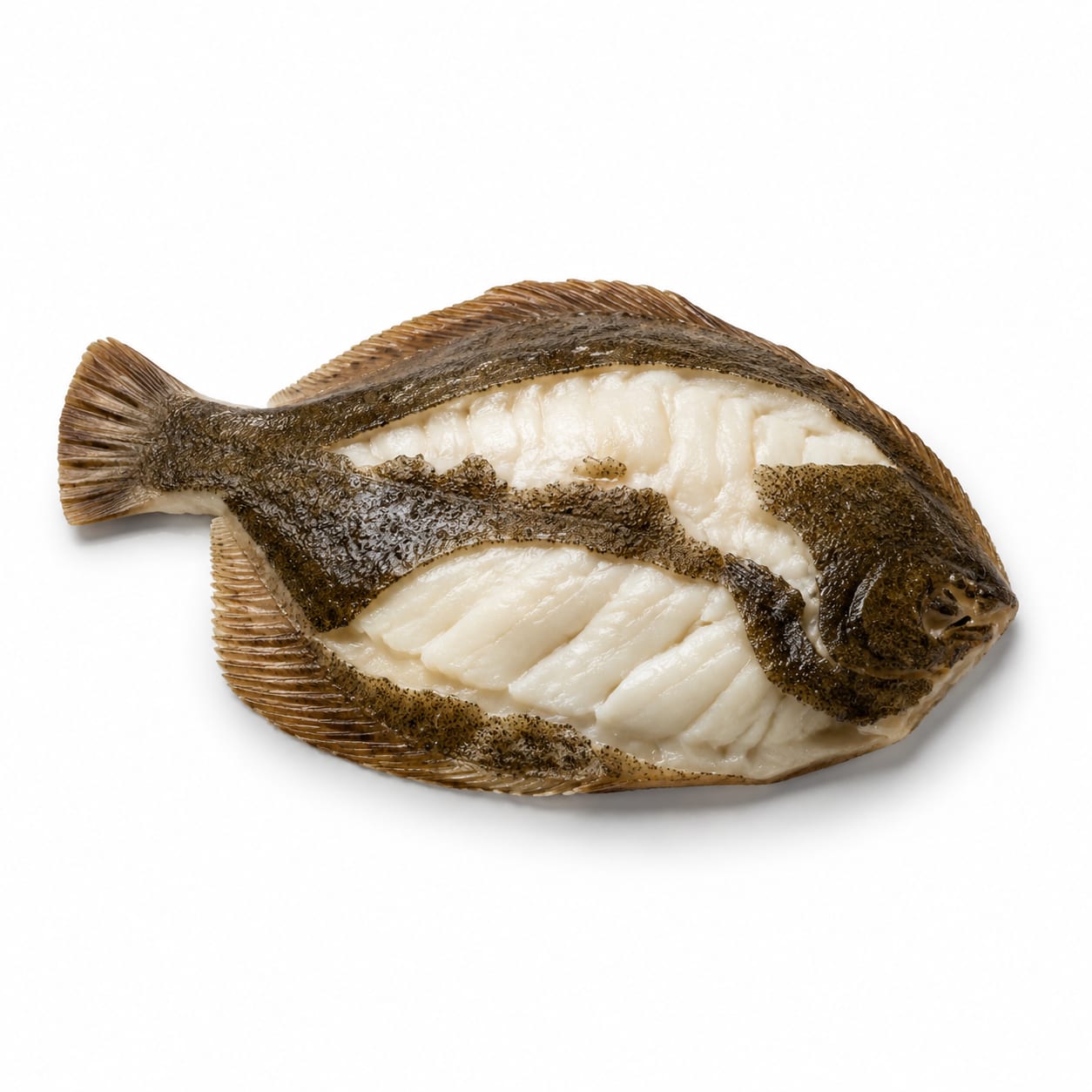
Seafood
Flounder
Flounder is a low-calorie, high-protein white fish ideal for weight management and lean muscle maintenance.
Flounder is a lean, mild-flavored saltwater flatfish known for its high protein content and low calorie count, making it a popular choice for healthy diets.
protein-dense lean seafood
Typical serving · 85g
Common varieties · Summer Flounder (Fluke), Winter Flounder, European Flounder, Starry Flounder, Gulf Flounder
Overall context score across nutrition, safety, and diet fit
At a glance
Quick facts
Simple indicators based on nutrition, processing, and diet fit.
The story
What makes it unique
Flounder is a fast-digesting, protein-dense animal food with virtually zero carbohydrates. Its macronutrient profile promotes high satiety relative to caloric intake. As a minimally processed whole food, it provides essential amino acids and micronutrients like vitamin B12 and selenium without added fats.
Varieties: Summer Flounder (Fluke) · Winter Flounder · European Flounder · Starry Flounder · Gulf Flounder
Per 100g
Nutrition breakdown
Macro balance and key metrics at a glance.
Energy
Density 0.91 kcal/g
Protein
Carbs
Fat
Fiber
Sugar
0 g
Sodium
81 mg
Potassium
260 mg
Glycemic index
0
Glycemic load
0
Water content
79%
Standout compounds
Nutrient highlights
Protein
highSupports muscle growth and satiety
Vitamin B12
highEssential for nerve function and red blood cell formation
Selenium
highActs as an antioxidant and supports thyroid function
Vitamin D
moderateSupports bone health and immune function
Wellness map
Health scores & processing
NOVA processing scale
Minimally processed · Whole food
Fresh or frozen flounder is a whole, unrefined food with no added ingredients.
Diet compatibility
- Weight loss
- Muscle gain
- Diabetes
- Gut health
- Low carb
- High protein
- Heart health
Relative standing
Food rankings
Qualitative ranks compared to similar whole foods.
- Satietygood
- Blood sugarexcellent
- Nutrient densitygood
- Fitness fuelexcellent
- Processing qualityexcellent
Eat with confidence
Food safety profile
Flounder is a low-mercury fish safe for frequent consumption. Raw preparations carry standard seafood contamination risks like parasites and vibrio.
Evidence confidence 90%
- Pesticideslow
- Antibioticslow
- Heavy metalslow
- Contaminationmoderate
Watch for
- Mercury
- Parasites
- Vibrio bacteria
Safer choices
Wild-caught flounder from well-managed fisheries reduces exposure to potential aquaculture contaminants.
Prep tips
Cook to an internal temperature of 145°F (63°C) to eliminate parasites and bacteria. Avoid cross-contamination with raw juices.
Standard FDA seafood advisories apply; generally considered a low-mercury choice safe for regular consumption.
Deep dive
Health analysis
How this food may fit different goals and preparation choices.
Weight loss
Extremely low energy density and high protein content increase satiety and support caloric deficits effectively.
Blood sugar
Zero carbohydrates mean flounder has no glycemic impact and will not spike blood sugar levels.
Fitness & energy
Provides high-quality complete protein for muscle repair, though it lacks carbohydrates for immediate workout fuel.
Gut health
Easily digestible due to low fat and connective tissue, but lacks dietary fiber to actively support the gut microbiome.
Processing quality
Typically sold as a whole minimally processed food, retaining its natural nutrient profile without additives.
Food safety
Low mercury levels make it safe for regular consumption, but standard raw seafood handling practices are required.
Common mistakes
Overcooking flounder makes it dry and tough due to its very low fat content; quick cooking methods are best.
Best preparation
Baking, steaming, sautéing, or poaching preserve moisture and keep calorie counts low.
Practical guide
Best use cases
When and how this food fits real eating patterns.
Weight loss dinner
A large fillet provides high volume and protein for very few calories.
Post-workout recovery
Delivers fast-digesting protein to support muscle repair without heavy fats.
Low-carb meal base
Zero-carb protein source that fits perfectly into strict ketogenic or low-carb diets.
Balance sheet
Pros & cons
Upsides
- Very low in calories and fat
- High in complete, lean protein
- Zero carbohydrates, ideal for blood sugar control
- Low mercury content compared to larger fish
- Mild flavor pairs well with various seasonings
Trade-offs
- Low in heart-healthy omega-3 fatty acids
- Can become dry and tough if overcooked
- More expensive than common factory-farmed fish like tilapia
- Does not provide dietary fiber
Fit check
Who is it for?
Great match
- calorie-restricted diets
- lean muscle maintenance
- blood sugar management
- low-carb and keto diets
Consider alternatives
- boosting omega-3 intake
- high-fiber diets
- budget meal prep
Side by side
How it compares
Open the full head-to-head analysis for nutrition, safety, and practical tradeoffs.
This food
Flounder
VS70% alike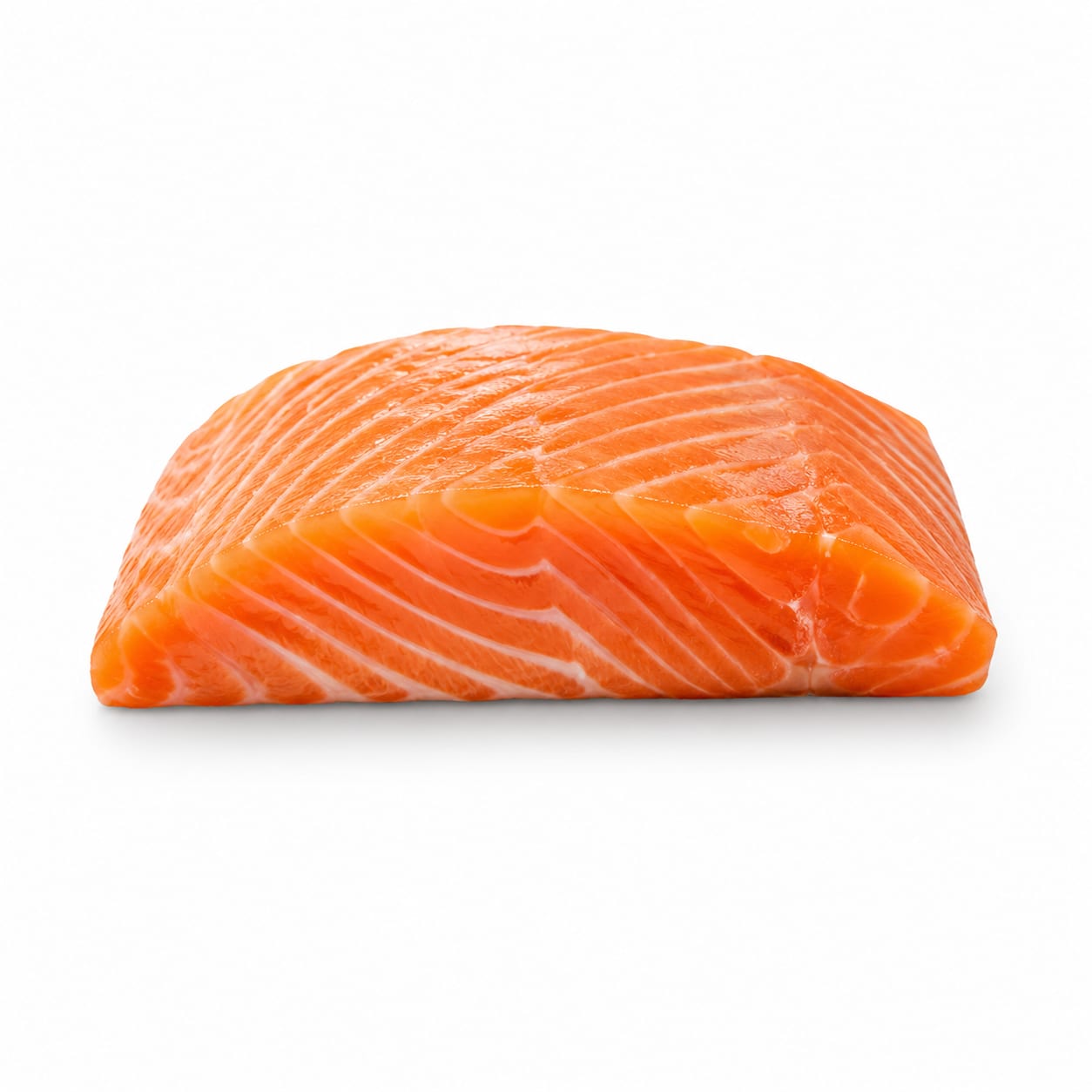
Compare with
Salmon
Flounder is much lower in calories and fat, making it better for weight loss, while salmon provides significantly more omega-3 fatty acids for heart health.
Flounder is lower in calories and better for strict dieting, while salmon offers more healthy fats and omega-3s for heart health and satiety.
This food
Flounder
VS85% alike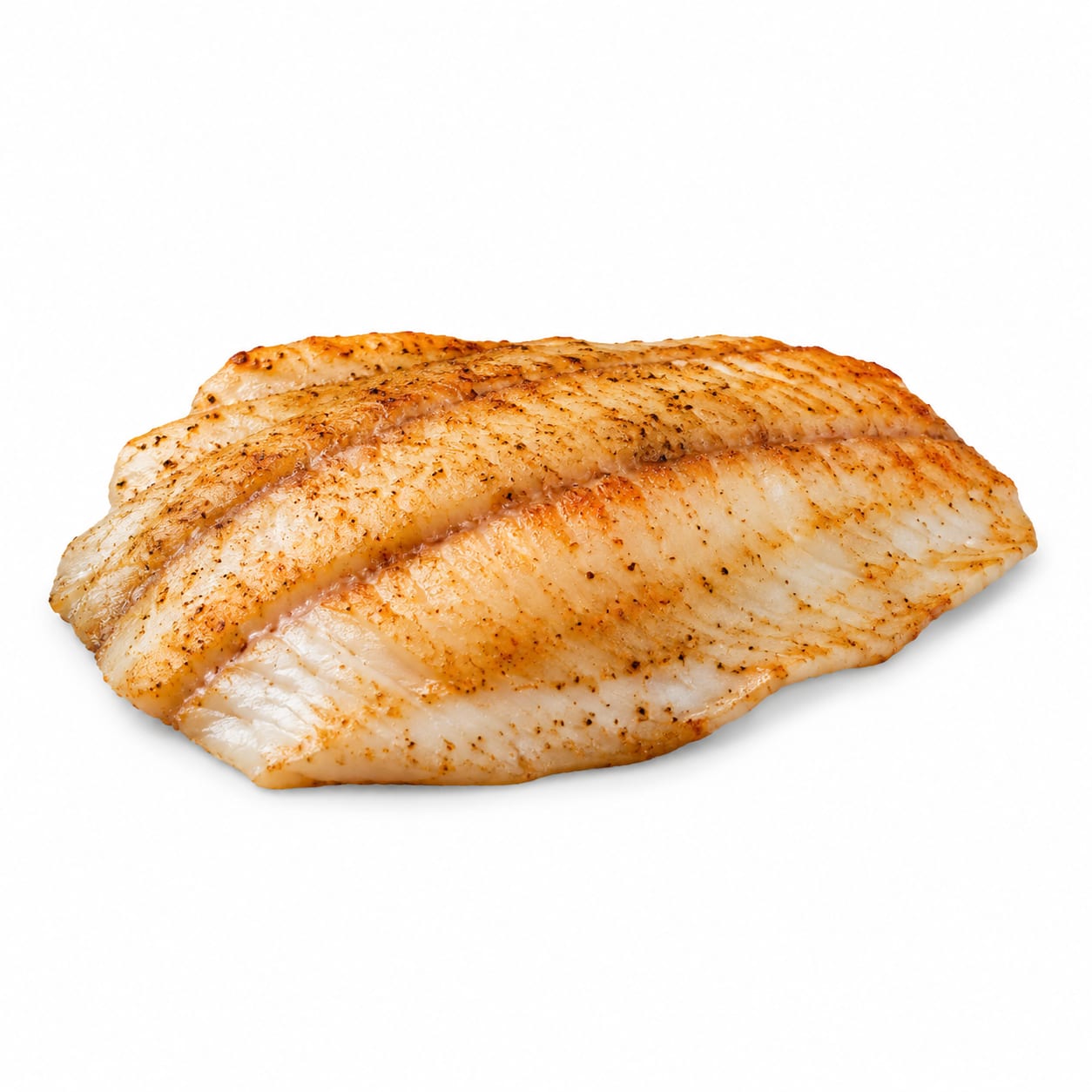
Compare with
Tilapia
Flounder offers slightly fewer calories and more beneficial nutrients than tilapia, which often comes from farms with varying quality standards.
Flounder is a slightly leaner and more nutrient-dense white fish compared to tilapia, with a more delicate texture and wild-caught availability.
This food
Flounder
VS90% alike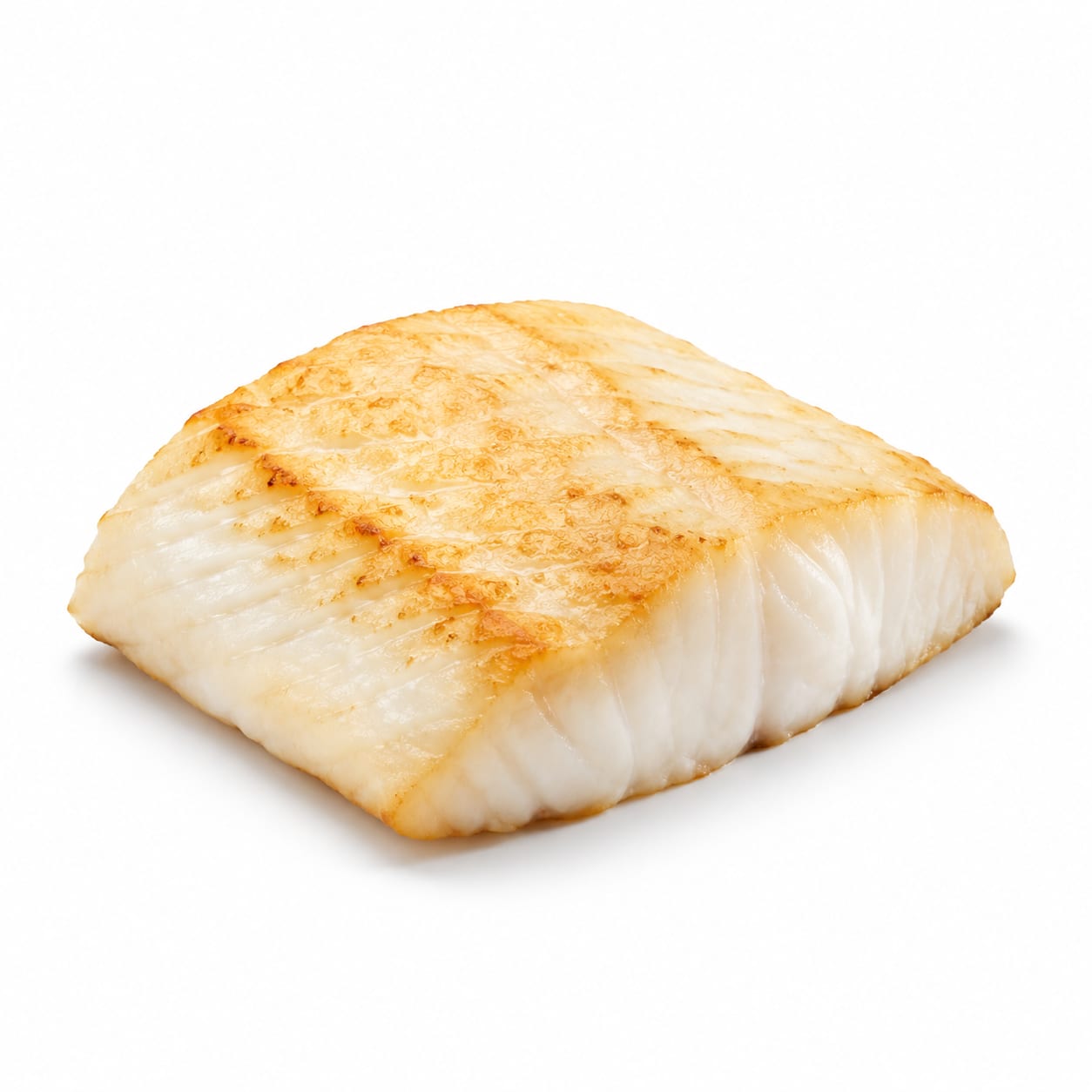
Compare with
Cod
Both are lean, mild white fish with nearly identical macronutrient profiles; flounder is slightly flatter and more delicate in texture.
Cod and flounder are nutritionally almost identical lean white fish, though flounder has a more delicate flake and thinner fillet.
This food
Flounder
VS95% alike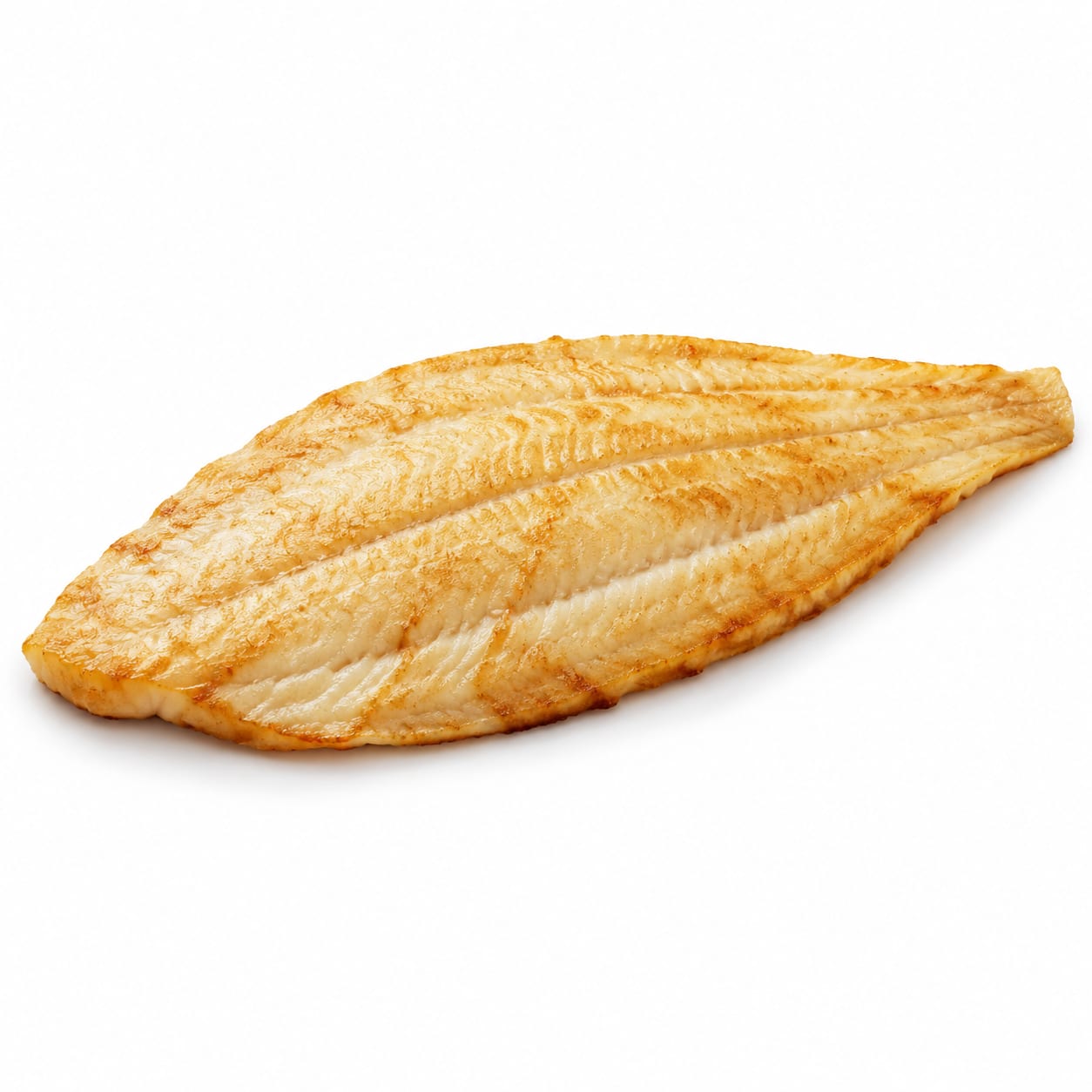
Compare with
Sole
Sole and flounder are closely related flatfish with similar lean protein profiles and mild flavors, making them interchangeable in recipes.
Sole and flounder are nearly identical in nutrition and taste, both offering lean, low-calorie protein with a delicate texture.
This food
Flounder
VS75% alike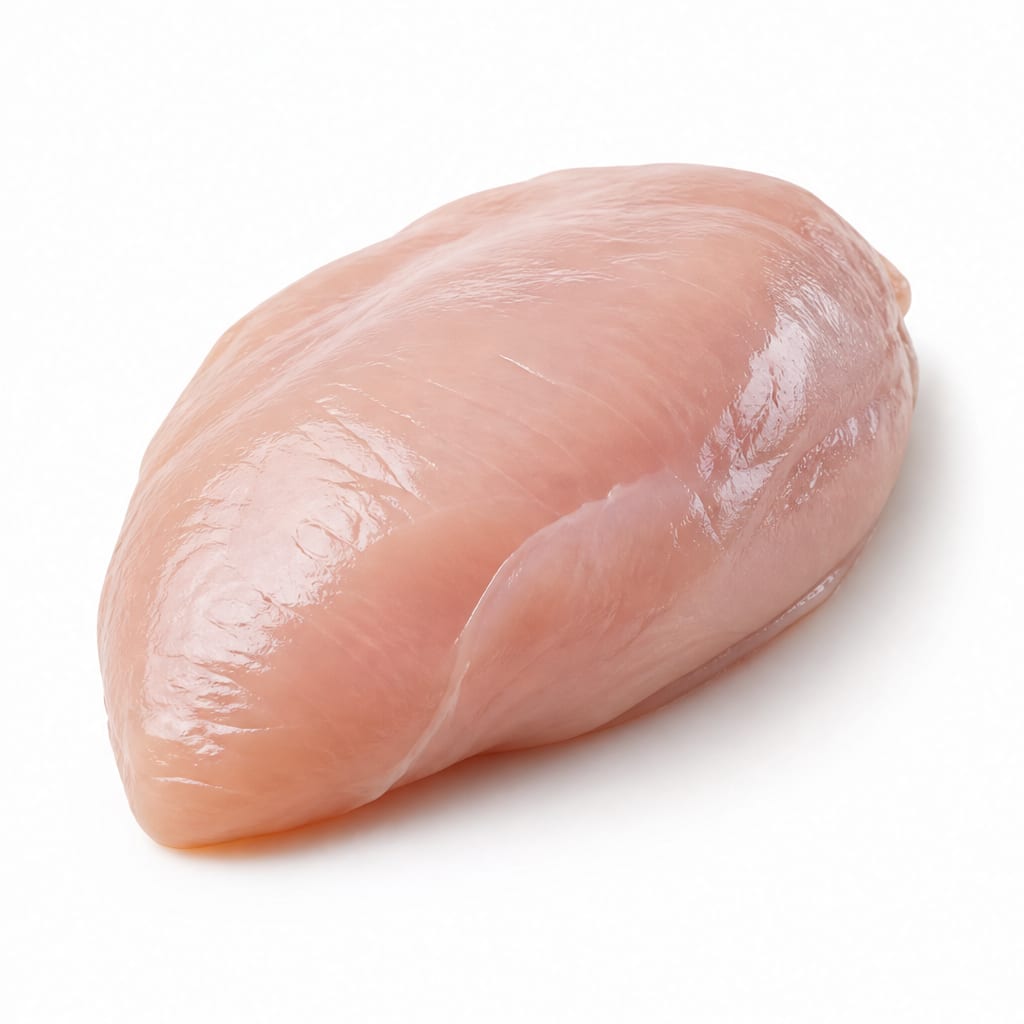
Compare with
Chicken Breast
Flounder is lower in calories per ounce than chicken breast, but chicken provides more protein per serving and is slightly more satiating.
Flounder is lower in calories per serving than chicken breast, but chicken provides more total protein and better satiety for muscle building.
This food
Flounder
VS80% alike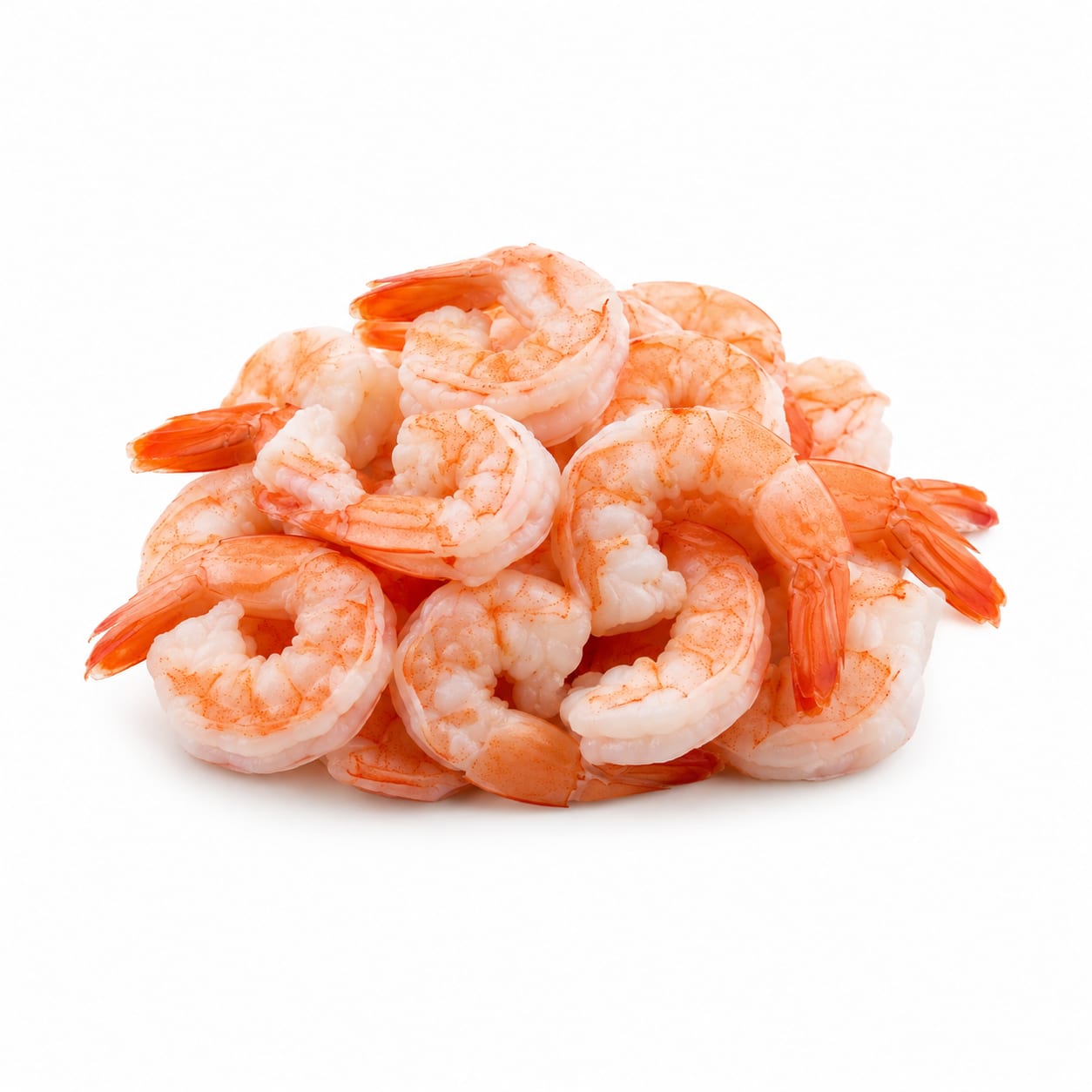
Compare with
Shrimp
Both are very low-calorie lean proteins, but shrimp is higher in cholesterol while flounder provides a lighter, flakier texture for main dishes.
Shrimp and flounder are both lean, low-calorie seafood, but flounder offers a lighter fillet texture with less dietary cholesterol.
This food
Flounder
VS88% alike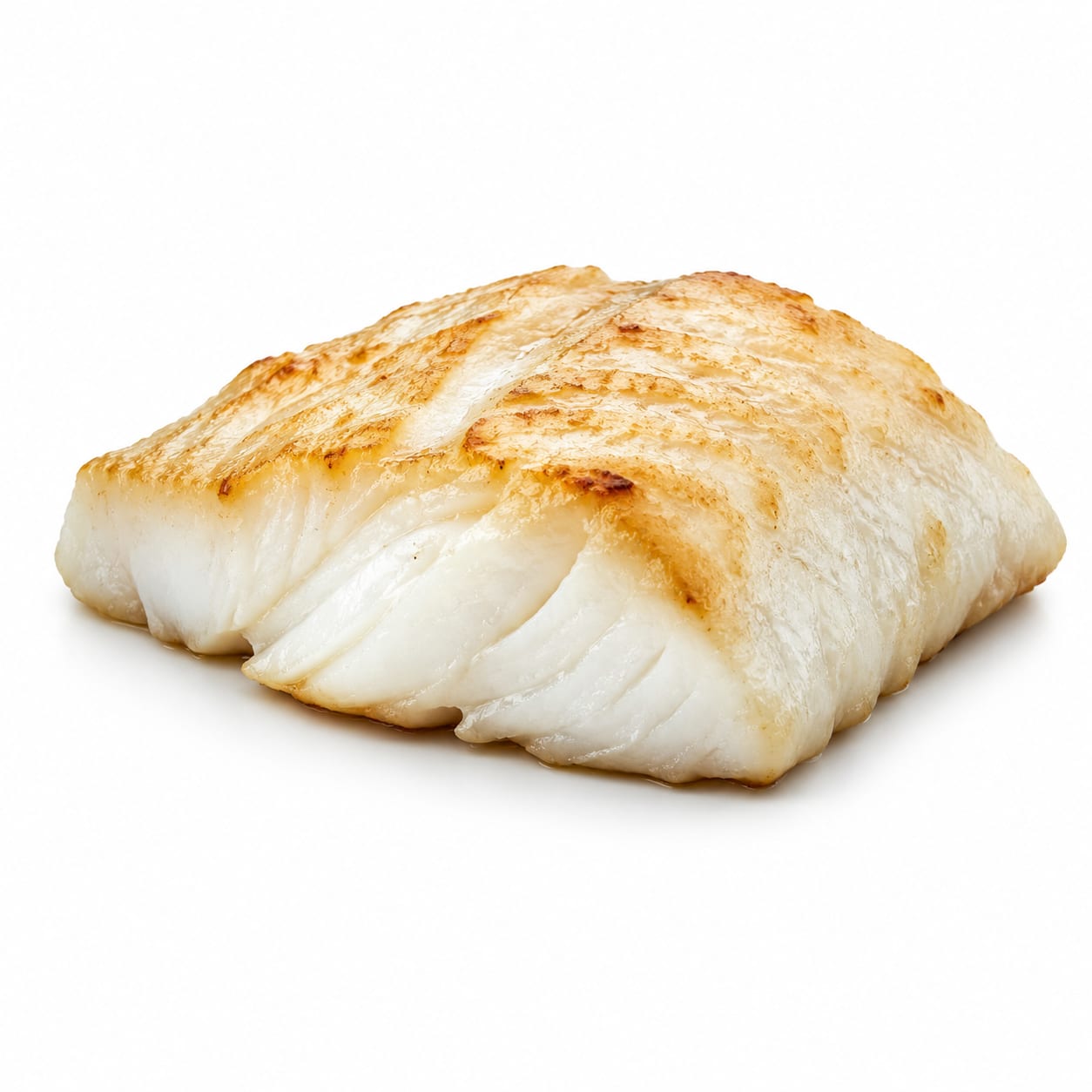
Compare with
Haddock
Haddock and flounder are nutritionally nearly identical lean white fish, though haddock has slightly firmer flesh suitable for chowders.
Haddock and flounder offer similar lean protein and low calories, but haddock has a slightly firmer bite for hearty dishes.
This food
Flounder
VS65% alike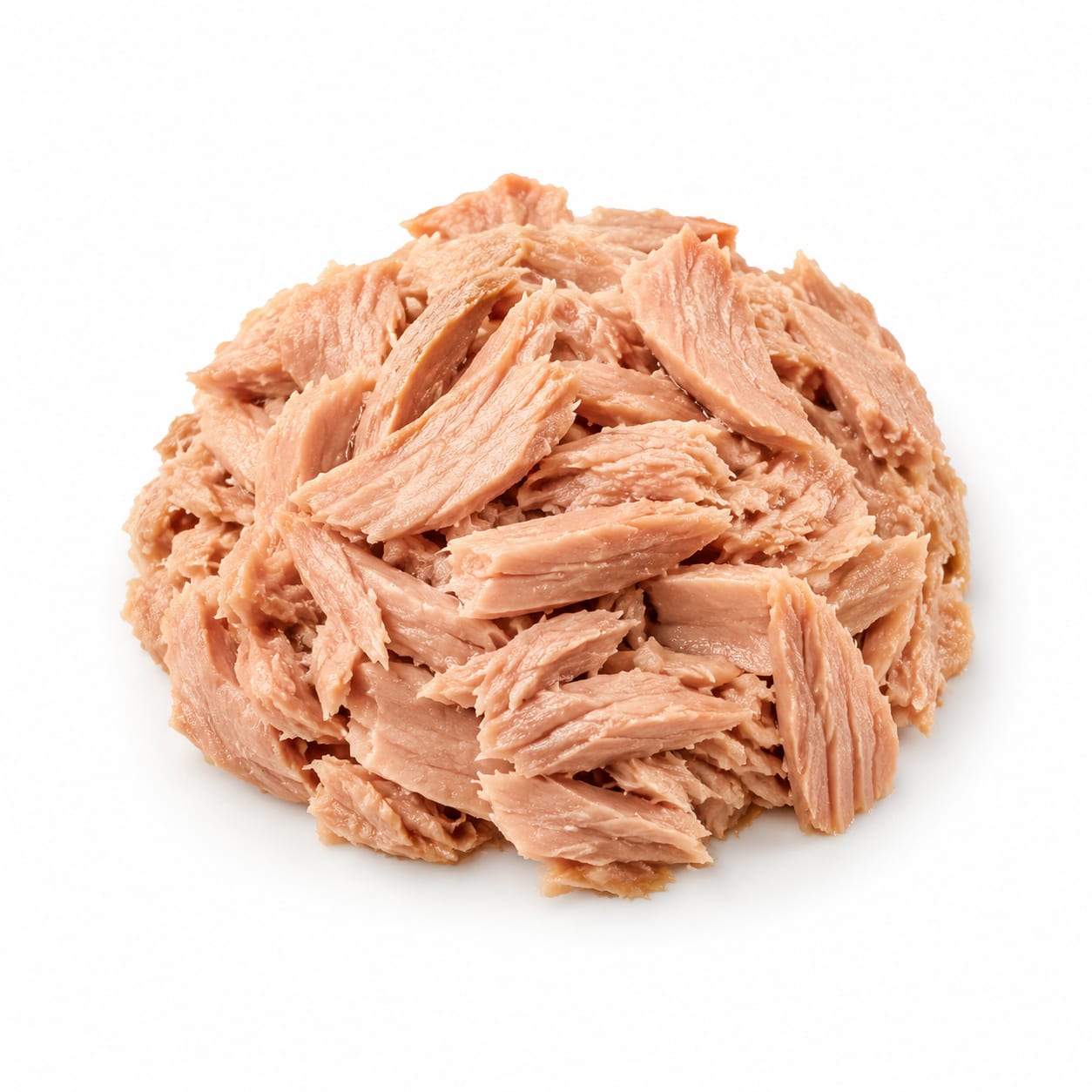
Compare with
Tuna
Tuna is much higher in protein and omega-3s but also higher in mercury; flounder is a lighter, lower-mercury alternative for daily consumption.
Tuna provides more protein and healthy fats for fitness, while flounder is a lower-calorie, lower-mercury option for everyday meals.
This food
Flounder
VS70% alike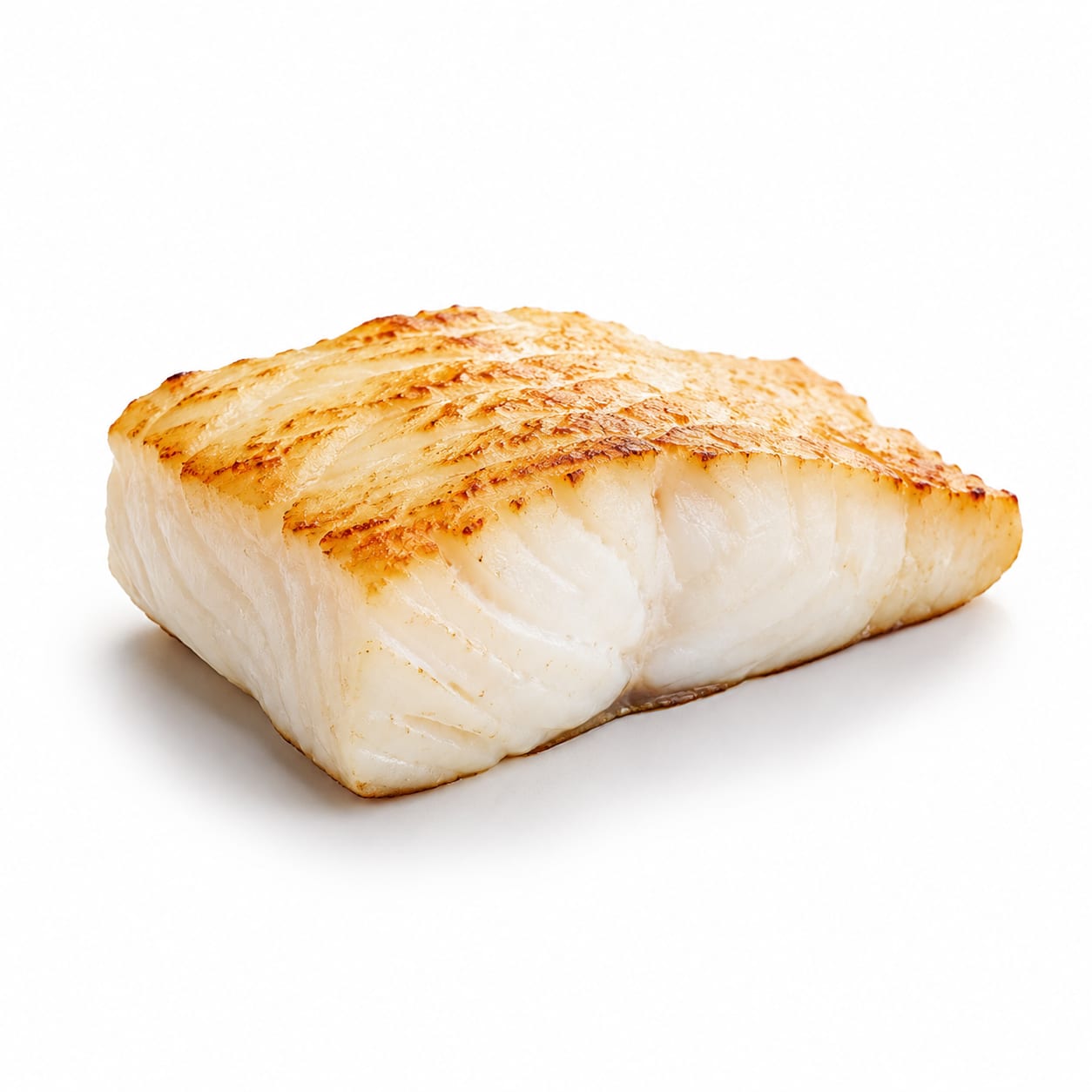
Compare with
Halibut
Halibut is thicker and higher in protein and fats, while flounder is a lighter, lower-calorie option for those strictly monitoring intake.
Halibut offers more protein and a meatier texture for satiety, while flounder provides fewer calories for strict weight loss diets.
This food
Flounder
VS50% alike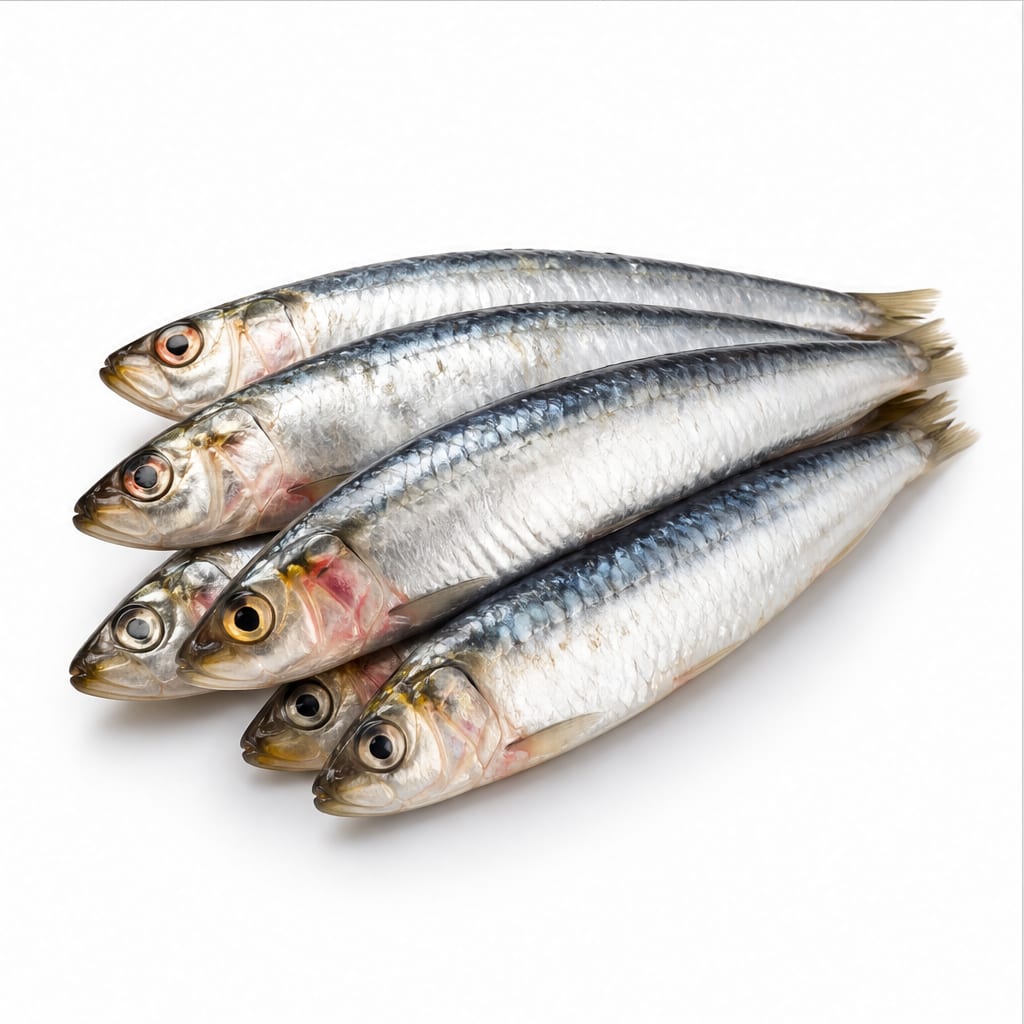
Compare with
Sardines
Sardines are an omega-3 powerhouse with much higher fat and calories, whereas flounder is a lean, low-calorie protein without the strong fishy taste.
Sardines are high in omega-3s and calories for heart health, while flounder is a mild, low-calorie fish better suited for low-fat diets.
Common questions
FAQ
Answers aligned with how people search for this food.
Is flounder good for weight loss?
Yes, flounder is excellent for weight loss because it is very low in calories and fat while being high in protein, which helps keep you full.
Does flounder have a lot of mercury?
No, flounder is considered a low-mercury fish, making it safe to eat regularly, even for pregnant women and children in moderation.
Is flounder high in omega-3?
Flounder is a lean fish, so it contains much less omega-3 fatty acids compared to fattier fish like salmon or sardines.
Can diabetics eat flounder?
Yes, flounder contains zero carbohydrates and will not raise blood sugar, making it a highly suitable protein choice for diabetics.
How many calories are in a flounder fillet?
A typical 6-ounce flounder fillet contains roughly 150 calories, depending on the exact weight and preparation method.
What is the healthiest way to cook flounder?
Baking, steaming, or poaching are the healthiest methods because they preserve the lean protein without adding excess fat.
Is flounder a good source of protein?
Yes, flounder provides about 19 grams of protein per 100-gram serving, making it a high-quality, complete protein source.
Is flounder easy to digest?
Yes, flounder is very easy to digest due to its low fat content and tender flesh, making it a good option for those with sensitive stomachs.
Transparency
Data confidence
Estimated confidence for nutrition data, interpretation, safety notes, and comparisons.
Nutrition data
Health analysis
Food safety
Comparisons