
Nutrition comparison
Flounder vs Tuna: Mercury, Protein, and Health Comparison
Comparing Flounder and Tuna? Discover which fish is safer for daily eating, which packs more protein, and how to balance mercury risks in your diet.
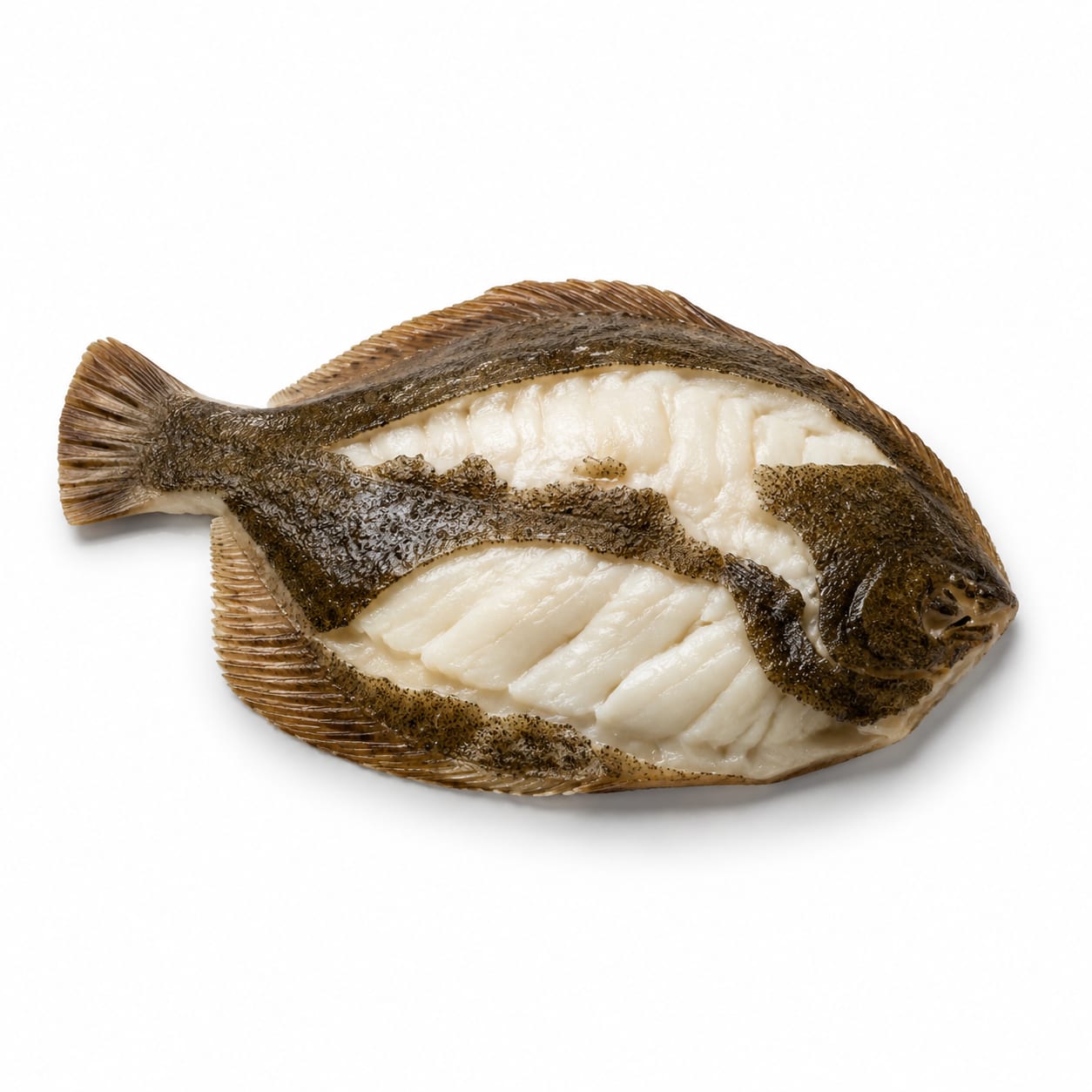
Flounder
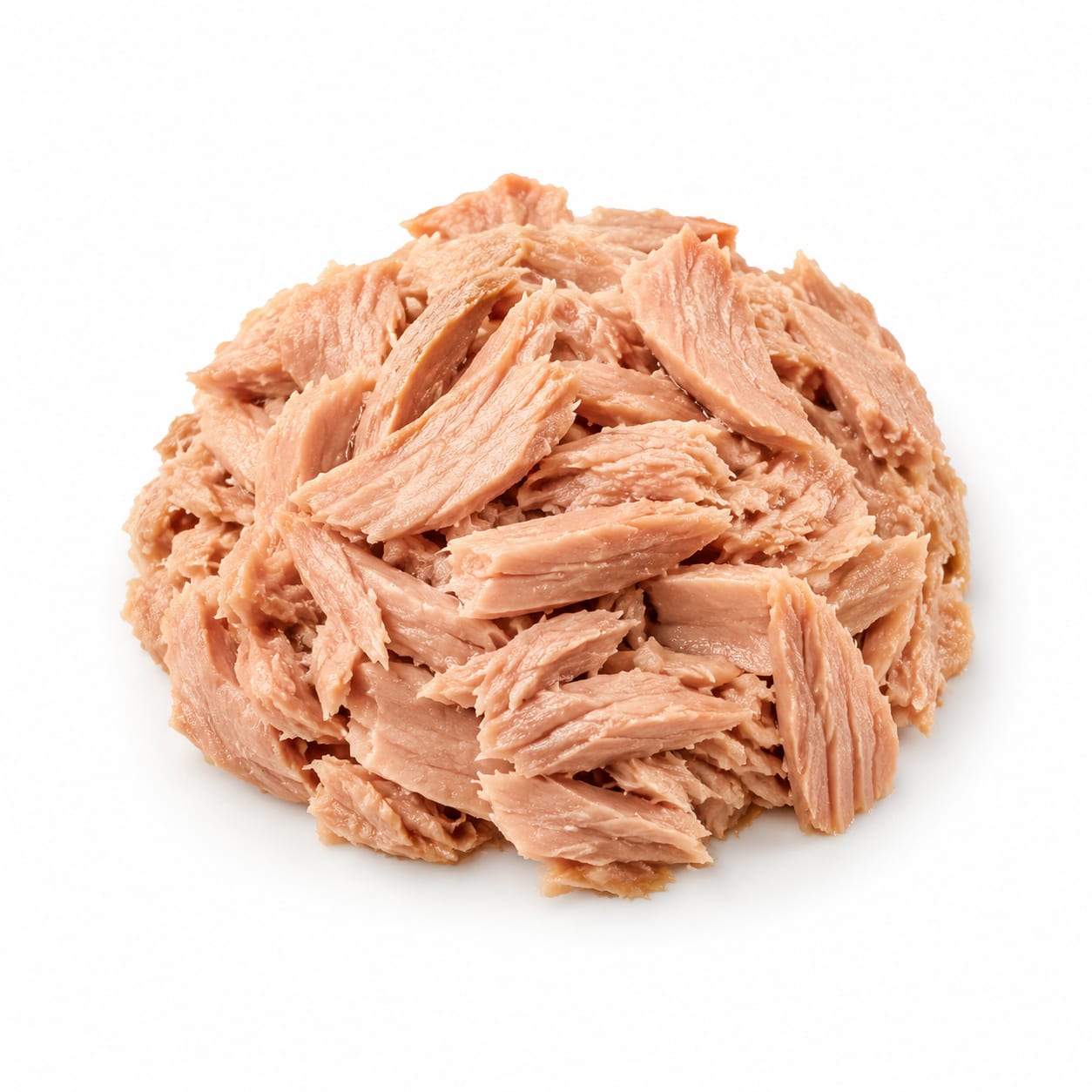
Tuna
Tuna wins for protein and omega-3s, but Flounder is the safer choice for frequent eating due to its low mercury levels.
Tuna scores slightly higher overall due to its superior protein and omega-3 content, but its mercury drag keeps it from dominating. Flounder is the safer everyday choice, earning a solid score through low risk and leanness.
You trade the dense protein and omega-3s of Tuna for the mercury safety and ultra-low calories of Flounder.
At a glance
Executive summary
Overall
It depends
Healthier
It depends
More practical
Tuna
Daily use
Flounder
Key comparison lenses
Mercury and heavy metal exposure
Tuna is notorious for mercury accumulation, while Flounder is a low-mercury bottom-dweller, making safety a primary decision factor.
Protein density and satiety
Tuna is a protein powerhouse ideal for muscle gain, whereas Flounder offers a lighter, lower-calorie protein profile.
Omega-3 fatty acid intake
Tuna provides significantly more heart-healthy omega-3s than Flounder, impacting cardiovascular and brain health choices.
Dietary versatility and convenience
Canned tuna is a ubiquitous pantry staple, while Flounder is typically a fresh or frozen dinner fillet requiring cooking.
Best choice for
Flounder
- Pregnant women and children needing low-mercury fish
- Those seeking extremely low-calorie meals
- People eating fish multiple times a week
Tuna
- Athletes and bodybuilders needing high protein
- Those looking to boost omega-3 intake
- Anyone needing a shelf-stable pantry protein
Least suitable for
Flounder
- Bodybuilders in a heavy bulking phase
- People who need shelf-stable, no-cook options
Tuna
- Pregnant women (especially albacore)
- Those eating fish daily who need to watch mercury
- People prone to gout flare-ups
Deep comparison
Dimension by dimension
Each lens scores both foods and breaks down who each option suits.
- Dimension 1 · Priority 92Tuna
Protein Density & Muscle Building
Flounder · 55Tuna · 95Tuna is one of the most protein-dense foods available, while Flounder is much lighter and lower in protein per serving.
Tradeoff
You get far more muscle-fueling protein from Tuna, but Flounder feels lighter and less filling if you need a delicate meal.
Why it matters
Higher protein keeps you full longer and supports muscle repair, making Tuna a post-workout staple.
Real-world impact
A can of Tuna easily hits 20-30 grams of protein for lunch; Flounder takes a larger portion to match that, which can be impractical.
Flounder
- Light dinners where you do not want to feel stuffed
- Smaller appetites
Better for
- Rebuilding muscle after heavy training
- One-dish macro balancing
Worse for
Tuna
- Post-workout recovery
- High-protein diets
- Keeping hunger away for hours
Better for
- Light snacking
- Small portion meals
Worse for
- Dimension 2 · Priority 95Flounder
Mercury & Contaminant Safety
Flounder · 95Tuna · 45Flounder is a low-mercury fish safe for frequent consumption, while Tuna accumulates significant mercury, especially albacore.
Tradeoff
Choosing Flounder keeps your mercury exposure minimal, but you miss out on the richer nutrient density of Tuna.
Why it matters
High mercury intake affects neurological health and is particularly risky for pregnant women and young children.
Real-world impact
Eating Tuna several times a week can push mercury levels into risky territory, whereas Flounder can be eaten daily without worry.
Flounder
- Pregnant and nursing women
- Children
- Daily fish eaters
Better for
- Situations where maximum nutrient density per bite is needed
Worse for
Tuna
- Occasional omega-3 supplementation through whole food
Better for
- Frequent weekly meal prep
- Prenatal nutrition
Worse for
- Dimension 3 · Priority 85Tuna
Omega-3 & Heart Health
Flounder · 40Tuna · 85Tuna provides substantially more EPA and DHA omega-3 fatty acids, which are critical for heart and brain health.
Tradeoff
You get better cardiovascular protection from Tuna, but you must balance that against its heavier mercury load.
Why it matters
Omega-3s reduce inflammation and support brain function, making them a key reason to eat seafood.
Real-world impact
Eating Tuna a couple of times a week noticeably boosts your omega-3 intake; Flounder contributes very little to this goal.
Flounder
- Diets already rich in omega-3 supplements or seeds
Better for
- Relying on fish as your primary omega-3 source
Worse for
Tuna
- Cardiovascular health support
- Reducing systemic inflammation
Better for
- Those managing heavy metal toxicity risks
Worse for
- Dimension 4 · Priority 75Flounder
Calorie Density & Leanness
Flounder · 90Tuna · 80Flounder is exceptionally low in calories, even more so than Tuna, making it a top choice for aggressive calorie restriction.
Tradeoff
Flounder allows for larger portion sizes for fewer calories, but the meal may feel less substantial without heavy sides.
Why it matters
For pure weight loss, volume eating with ultra-lean proteins helps manage hunger without overshooting calorie limits.
Real-world impact
You can eat a massive fillet of Flounder for under 200 calories, whereas Tuna packs more calories per bite due to its density.
Flounder
- Strict calorie-counting diets
- Volume eaters
Better for
- Those needing calorie surplus for muscle gain
Worse for
Tuna
- Low-carb or keto diets needing moderate fat intake
Better for
- Aggressive cutting phases where every calorie counts
Worse for
Timeline
Health impact over time
Short-term
Hours to days
Flounder
- Very light feeling after eating
- Easy to digest without heaviness
- Unlikely to cause digestive discomfort
Tuna
- Strong feeling of fullness and satiety
- Sustained energy for hours
- Risk of dry mouth or metallic taste if consuming high-mercury varieties frequently
Long-term
Months to years
Flounder
- Safe long-term protein source with minimal heavy metal risk
- Supports weight maintenance without mercury anxiety
- May require supplemental omega-3s if eaten as the only fish
Tuna
- Excellent for preserving muscle mass and heart health
- Risk of mercury accumulation if consumed too frequently
- Better inflammatory markers from high omega-3 intake
Risk profile
Safety & processing
Fresh Flounder is almost always a simple, unadulterated fillet. Canned Tuna often contains added salt, broth, or vegetable proteins, making it more processed.
Flounder
Parasites
lowLike all raw seafood, Flounder can carry parasites, but proper cooking or freezing eliminates this risk entirely.
Tuna
Mercury toxicity
highTuna, especially albacore, accumulates methylmercury which can impair neurological function over time. Consumption should be limited to 1-2 servings per week.
Scombroid poisoning
mediumIf Tuna is not kept cold enough, histamine levels can spike, causing an allergic-like reaction with flushing and headache.
High sodium in canned varieties
mediumCanned Tuna often packs 200-300mg of sodium per serving, which adds up quickly for heart patients.
Who wins for whom
Audience fit
Same foods, different winners depending on your goal.
children
FlounderFlounder's extremely low mercury levels make it safe for developing nervous systems, whereas Tuna should be strictly limited for kids.
daily consumption
FlounderYou can safely eat Flounder every day without worrying about heavy metal accumulation, unlike Tuna which requires strict portion control.
diabetes
TunaBoth have zero carbs, but Tuna's higher protein and fat content provides steadier blood sugar stability and longer satiety.
elderly
FlounderFlounder is tender, easy to chew, and lacks the mercury risk that is harder for older bodies to process, plus it digests very easily.
muscle gain
TunaTuna provides dense, high-quality protein essential for muscle repair and growth, making it far superior for athletes.
weight loss
FlounderFlounder offers massive portion sizes for very few calories, making it easier to stick to a calorie deficit without feeling deprived.
Your move
Decision guide
Choose Flounder
- You are pregnant, nursing, or feeding young children
- You eat fish more than twice a week
- You want a delicate, low-calorie dinner that won't weigh you down
- You are sensitive to heavy metals or prioritizing detox
Choose Tuna
- You are an athlete or bodybuilder needing high protein
- You only eat fish 1-2 times a week and want maximum nutrient density
- You need a shelf-stable, no-cook protein source for lunch or travel
- You want to boost your omega-3 intake for heart health
Either works if
- You just want a clean, zero-carb protein source for dinner
- You are mixing seafood into a varied diet throughout the week
Avoid both if
- You have a severe fish or seafood allergy
- You are on a strict low-purine diet for gout management
Final recommendation
Let your weekly fish intake dictate your choice. If you eat seafood rarely, Tuna delivers the most nutritional punch per bite. If fish is a daily habit, Flounder is the safest, most sustainable backbone for your diet. Rotate both to get the best of both worlds without the mercury risk.
Practical
Consumer tips
- 1
Choose skipjack or light canned Tuna over albacore to cut mercury levels by roughly a third.
- 2
Look for low-sodium or no-salt-added canned Tuna to avoid unnecessary blood pressure spikes.
- 3
Pan-sear Flounder with a splash of lemon and herbs; it cooks in minutes and stays incredibly tender.
- 4
If eating Tuna, avoid pairing it with high-mercury fish like swordfish or tilefish in the same week.
- 5
Keep Flounder fillets frozen in portion bags for an easy, quick-thaw weeknight dinner.