
Nutrition comparison
Flounder vs Chicken Breast: Protein, Calories, and Health Comparison
Compare flounder and chicken breast to find the best lean protein for your diet. Discover the differences in protein content, satiety, and safety.
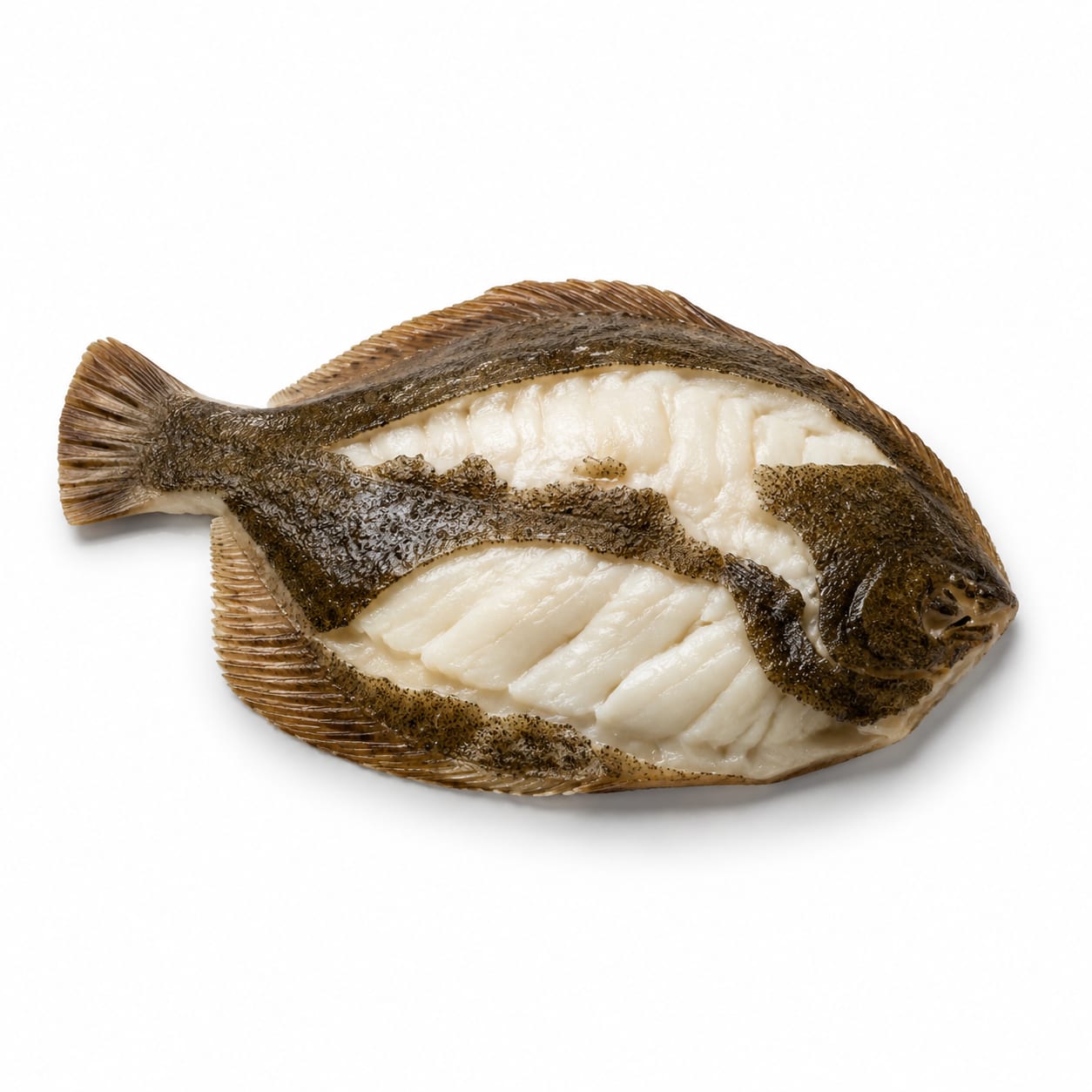
Flounder
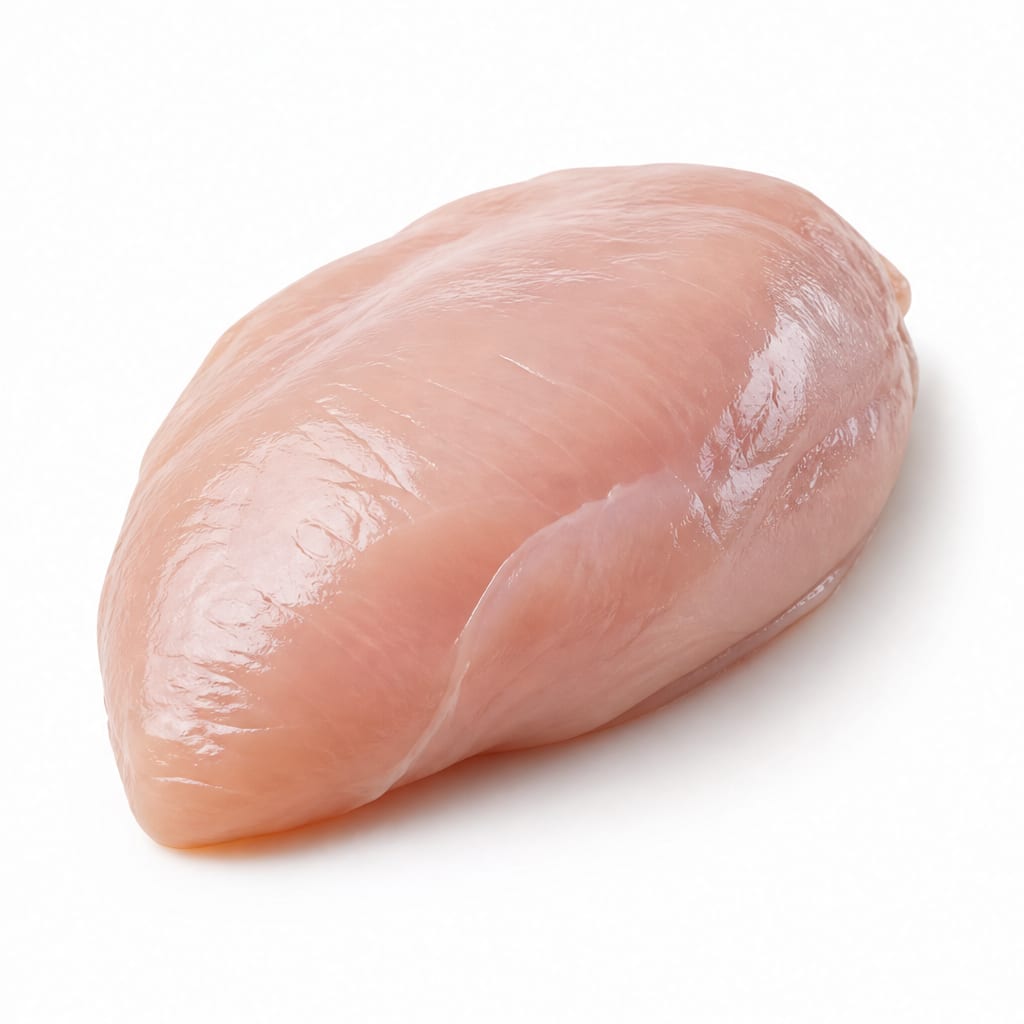
Chicken Breast
Chicken breast delivers much more protein and satiety per bite, while flounder offers a lighter, lower-calorie alternative for delicate meals.
Chicken breast scores higher overall due to its superior protein density, satiety, and everyday versatility, though flounder remains an excellent low-calorie choice for specific contexts.
Protein density and filling power versus calorie lightness and seafood variety.
At a glance
Executive summary
Overall
It depends
Healthier
It depends
More practical
Chicken Breast
Daily use
Chicken Breast
Key comparison lenses
lean protein source for body composition
Both are staple lean proteins, but they serve different calorie and macro needs
satiety and meal satisfaction
Protein density directly impacts how full you feel after eating
food safety and contamination
Seafood contaminants versus poultry handling risks require different precautions
culinary versatility and convenience
Preparation ease and recipe flexibility determine how often people actually cook them
Best choice for
Flounder
- Light dinner eaters who prefer smaller, delicate meals
- Older adults needing easy-to-chew, gentle protein
- Those strictly managing calorie intake over macro ratios
- Pescatarians avoiding meat but needing lean protein
Chicken Breast
- Athletes and lifters needing high protein for muscle repair
- Meal preppers looking for a versatile, budget-friendly staple
- Anyone trying to stay full for hours on fewer calories
- High-protein dieters tracking macros closely
Least suitable for
Flounder
- Heavy muscle-building phases requiring massive protein intake
- Those concerned about mercury or ocean contaminants
- Budget-conscious families feeding a crowd
Chicken Breast
- People exhausted by eating chicken every day
- Those seeking a light meal that will not sit heavily
- Pescatarians or individuals avoiding land animals
Deep comparison
Dimension by dimension
Each lens scores both foods and breaks down who each option suits.
- Dimension 1 · Priority 95Chicken Breast
Protein Density & Muscle Support
Flounder · 60Chicken Breast · 95Chicken breast packs nearly double the protein per serving compared to flounder.
Tradeoff
You get a much bigger protein hit from chicken, but flounder feels much lighter in the stomach.
Why it matters
Higher protein density makes it easier to hit daily muscle-building or fat-loss targets without eating large volumes.
Real-world impact
A single chicken breast easily covers half your daily protein needs, while you would need a much larger portion of flounder to get the same effect.
Flounder
- Smaller appetites
- Light post-workout meals
Better for
- Competitive bodybuilding
- Heavy lifting phases
Worse for
Chicken Breast
- Body recomposition
- Muscle gain
- High-protein diets
Better for
- Days when you feel overly full
- Light lunch preferences
Worse for
- Dimension 2 · Priority 90Chicken Breast
Satiety & Fullness
Flounder · 55Chicken Breast · 90Chicken breast keeps you full for much longer due to its dense protein content.
Tradeoff
Chicken prevents late-night snacking effectively, while flounder digests quickly and may leave you hungry sooner.
Why it matters
Staying full longer helps naturally reduce overall calorie intake without relying on willpower.
Real-world impact
A chicken breast lunch will easily carry you to dinner, whereas a flounder lunch might have you reaching for a snack by mid-afternoon.
Flounder
- Small, multi-meal daily schedules
- Late dinners where you want a light earlier meal
Better for
- Snack-prone individuals
- Those needing sustained energy
Worse for
Chicken Breast
- Intermittent fasting windows
- Long workdays without break time
Better for
- Pre-workout meals requiring fast digestion
Worse for
- Dimension 3 · Priority 85Flounder
Calorie Efficiency
Flounder · 92Chicken Breast · 80Flounder is exceptionally low in calories, making it incredibly easy to fit into strict calorie deficits.
Tradeoff
Flounder lets you eat a larger physical portion for fewer calories, but you get far less nutritional value per calorie.
Why it matters
Volume eaters who love big portions benefit from very low-calorie proteins.
Real-world impact
You can eat a massive plate of flounder and vegetables for the same calories as a modest chicken breast and salad.
Flounder
- Volume eaters
- Very low-calorie diet phases
Better for
- Those needing caloric surplus
Worse for
Chicken Breast
- Balanced macro tracking
- Flexible dieting
Better for
- Extreme calorie restriction
Worse for
- Dimension 4 · Priority 80It depends
Food Safety & Contaminants
Flounder · 70Chicken Breast · 75Flounder carries a moderate risk of ocean contaminants, while chicken carries a higher risk of bacterial infection if mishandled.
Tradeoff
Mercury and microplastics are a long-term concern with flounder, whereas salmonella from chicken is an immediate acute risk.
Why it matters
Different risk profiles require different kitchen habits and consumption frequencies.
Real-world impact
You must be meticulous about cooking chicken to safe temperatures, while flounder should be eaten in moderation to avoid heavy metal buildup.
Flounder
- Those with compromised immune systems who strictly control cooking temperatures
Better for
- Pregnant women monitoring mercury
- Frequent seafood eaters already high in heavy metals
Worse for
Chicken Breast
- Long-term daily consumption without heavy metal concerns
Better for
- Careless meal preppers who undercook poultry
Worse for
- Dimension 5 · Priority 75Chicken Breast
Culinary Versatility & Convenience
Flounder · 55Chicken Breast · 90Chicken breast adapts to nearly any cuisine or cooking method, while flounder is delicate and easily overcooked.
Tradeoff
Chicken takes more effort to cook properly but rewards you with endless recipe options; flounder cooks in minutes but falls apart easily.
Why it matters
Boring food leads to diet abandonment, so versatility is crucial for long-term success.
Real-world impact
Chicken can be grilled, shredded, or stir-fried for days of meal prep, whereas flounder is best eaten fresh and gently pan-seared.
Flounder
- Quick weeknight meals needing only 5 minutes of cooking
- Elegant dinner parties
Better for
- Meal prepping for the whole week
- Slow cooker recipes
Worse for
Chicken Breast
- Weekly batch cooking
- Grilling and barbecues
- Leftover-friendly recipes
Better for
- Last-minute rushed cooking with no thaw time
Worse for
Timeline
Health impact over time
Short-term
Hours to days
Flounder
- Feels very light and easy to digest
- Unlikely to cause post-meal sluggishness
- May leave you hungry again within a couple of hours
Chicken Breast
- Provides a strong feeling of fullness and satiety
- Stabilizes blood sugar for hours after eating
- Can feel heavy in the stomach if eaten in large portions
Long-term
Months to years
Flounder
- Supports heart health by replacing red meat with very low-fat protein
- Potential accumulation of heavy metals if eaten too frequently
- May lead to muscle loss if not paired with other protein sources
Chicken Breast
- Excellent for preserving lean muscle mass into older age
- High protein intake supports a healthy metabolism long-term
- Risk of dietary boredom if not rotated with other proteins
Risk profile
Safety & processing
Both flounder and chicken breast are whole, single-ingredient foods in their raw form, making them equally clean choices before preparation.
Flounder
Mercury and heavy metals
mediumFlounder is a bottom-dweller with moderate exposure to ocean contaminants; safe in moderation but not ideal as a daily staple.
Microplastics
mediumLike all seafood, flounder carries some level of microplastic contamination from ocean waters.
Chicken Breast
Salmonella and bacterial contamination
highRaw chicken requires strict kitchen hygiene and thorough cooking to prevent foodborne illness.
Antibiotic residue
mediumConventional poultry farming sometimes uses antibiotics, though regulations limit residues; buying organic mitigates this.
Who wins for whom
Audience fit
Same foods, different winners depending on your goal.
children
Chicken BreastChicken is safer regarding heavy metal exposure and is a more reliable protein source for growing bodies.
daily consumption
Chicken BreastChicken breast can be eaten daily without heavy metal accumulation concerns, unlike seafood.
diabetes
Chicken BreastThe higher protein content in chicken stabilizes blood sugar for longer periods compared to flounder.
elderly
FlounderFlounder is extremely tender and easy to chew, making it ideal for older adults with dental or digestive concerns.
muscle gain
Chicken BreastWith nearly double the protein per serving, chicken breast is far superior for muscle repair and growth.
weight loss
Chicken BreastChicken breast keeps you fuller longer, which naturally prevents overeating and snacking better than the lighter flounder.
Your move
Decision guide
Choose Flounder
- You want a delicate, light dinner that will not sit heavily
- You are closely watching total calories but want a decent portion size
- You need an easy-to-chew protein for sensitive digestion
- You are pescatarian or simply craving seafood
Choose Chicken Breast
- You need a high-protein meal to recover from a workout
- You are meal prepping for the week and need versatile leftovers
- You want to stay full for hours to avoid snacking
- You are on a budget and need affordable lean protein
Either works if
- You just need a clean, lean protein to throw on a salad
- You are tired of beef or pork and want a lighter option
Avoid both if
- You are following a strict vegan or plant-based diet
- You have severe kidney issues requiring very low protein intake
Final recommendation
Rely on chicken breast as your daily protein workhorse for its filling power and macro density, and enjoy flounder a couple of times a week when you want a lighter, more delicate meal.
Practical
Consumer tips
- 1
Flounder cooks in a fraction of the time chicken does; watch it closely to avoid drying it out
- 2
Pound chicken breasts to an even thickness before cooking so the thin end does not dry out
- 3
Limit flounder to 2-3 servings a week to keep mercury exposure low
- 4
Pair flounder with fiber-rich sides like roasted broccoli to make up for its lower satiety
- 5
Buy organic chicken if you are concerned about antibiotic use in poultry farming