
Nutrition comparison
Flounder vs Shrimp: Which Seafood Is Healthier for You?
Compare flounder and shrimp on protein, cholesterol, mercury, and safety. Find out which lean seafood is better for heart health, weight loss, and daily eating.
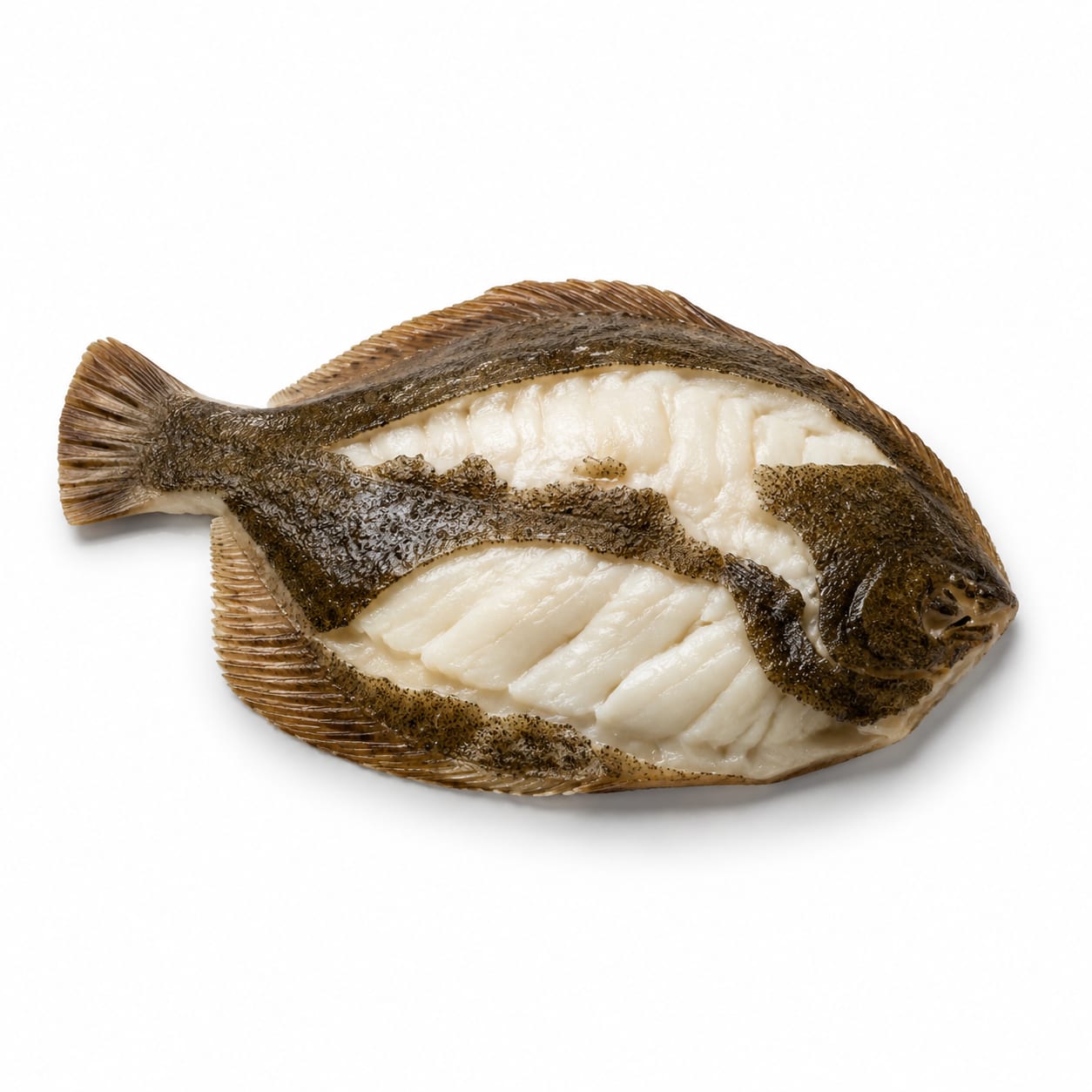
Flounder
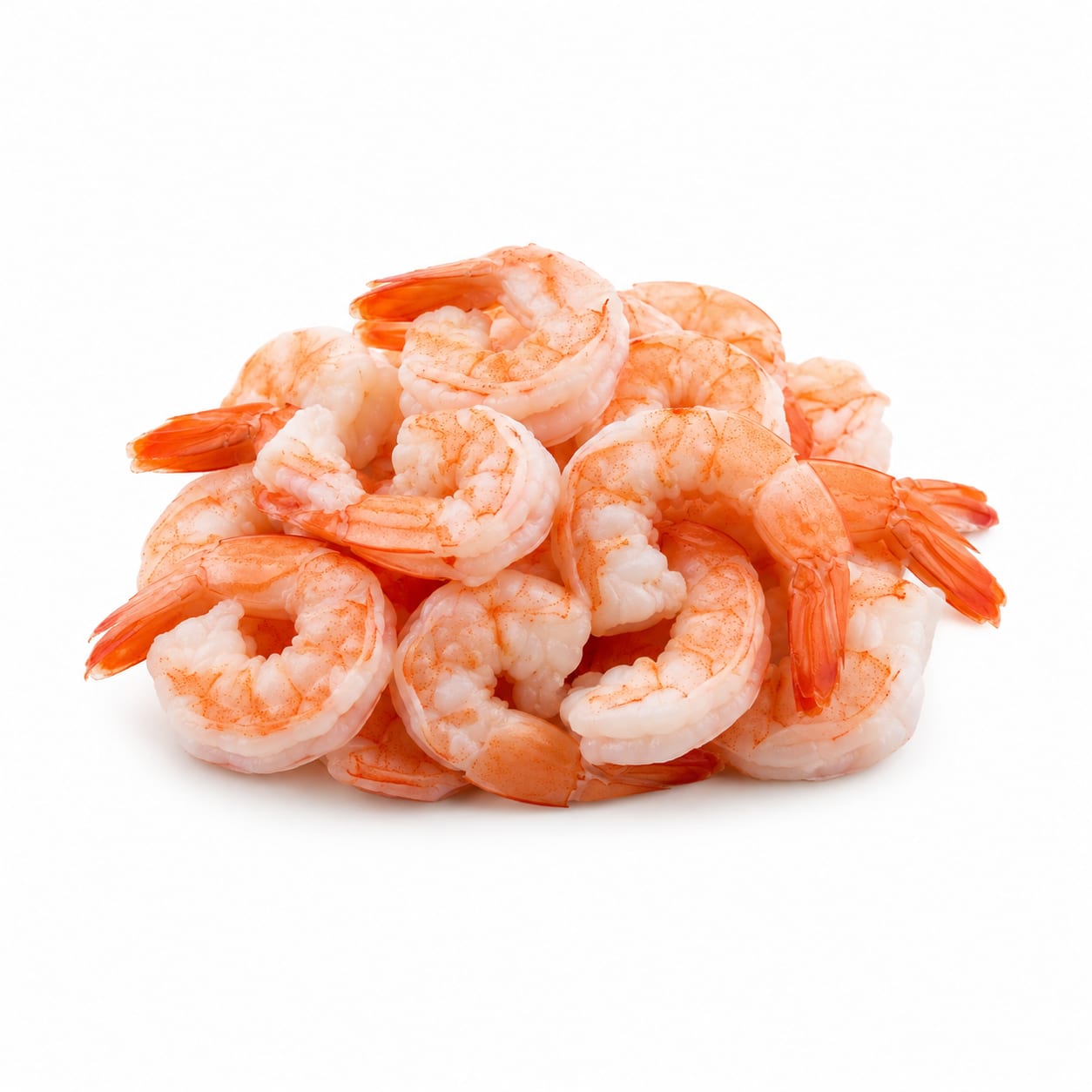
Shrimp
Shrimp packs more protein and minerals per bite, but flounder is the safer bet for cholesterol-conscious eaters and those with shellfish allergies.
Shrimp edges ahead on protein density and micronutrient content, but flounder's cholesterol advantage and lower allergen risk keep it competitive. The close scores reflect that neither is universally better—context determines the winner.
Protein and micronutrient density versus cholesterol load and allergen safety.
At a glance
Executive summary
Overall
It depends
Healthier
It depends
More practical
Shrimp
Daily use
Flounder
Key comparison lenses
heart health and cholesterol management
Shrimp is notably high in dietary cholesterol while flounder is very low, making this a primary concern for many consumers
protein density for calorie budgeting
Both are lean proteins but shrimp delivers significantly more protein per calorie, which matters for portion-conscious eaters
seafood contamination and safety
Shrimp farming practices and flounder bottom-feeding habits raise different safety questions that influence purchasing decisions
allergy risk assessment
Shellfish allergy is one of the most common and severe food allergies, making this a critical differentiator
mineral and micronutrient prioritization
Shrimp is notably richer in iodine, selenium, and B12, which matter for thyroid and energy
Best choice for
Flounder
- People managing high cholesterol or watching dietary cholesterol intake
- Anyone with shellfish allergies seeking a safe lean fish
- Pregnant women wanting lower-mercury seafood with minimal contamination risk
- Those preferring a milder, less assertive seafood flavor
Shrimp
- Athletes and active people maximizing protein per calorie
- Anyone needing more iodine, selenium, or B12 in their diet
- People doing low-carb or keto who want nutrient-dense lean protein
- Home cooks wanting fast-cooking, versatile protein
Least suitable for
Flounder
- Anyone needing high protein intake from small portions
- People deficient in iodine or B12 who need efficient sources
- Those who find mild fish unappealing or boring
Shrimp
- People with shellfish allergies (serious medical risk)
- Anyone strictly limiting dietary cholesterol
- Those concerned about farmed seafood antibiotic exposure
Deep comparison
Dimension by dimension
Each lens scores both foods and breaks down who each option suits.
- Dimension 1 · Priority 90Shrimp
protein_density
Flounder · 60Shrimp · 92Shrimp delivers roughly twice the protein per calorie compared to flounder, making it far more efficient for portion-controlled diets.
Tradeoff
You get more protein from shrimp but also more dietary cholesterol per serving.
Why it matters
If you're trying to hit protein targets without overeating, shrimp gets you there with less food volume.
Real-world impact
A 4-ounce shrimp serving hits nearly 24g of protein, while the same amount of flounder gives you around 15g. That difference adds up across a day.
Flounder
- Anyone who prefers eating larger portions of milder protein
Better for
- Small eaters who struggle to get enough protein
Worse for
Shrimp
- Athletes hitting higher protein targets
- Anyone meal-prepping with calorie limits
- Older adults needing efficient protein to prevent muscle loss
Better for
- Those already exceeding protein needs who don't need the density
Worse for
- Dimension 2 · Priority 92Flounder
cholesterol_and_heart_health
Flounder · 90Shrimp · 55Flounder is naturally very low in cholesterol, while shrimp is one of the highest-cholesterol seafoods available.
Tradeoff
Shrimp's cholesterol doesn't affect everyone's blood cholesterol equally, but for sensitive individuals, flounder is clearly safer.
Why it matters
About 25% of people are hyper-responders to dietary cholesterol, meaning shrimp can meaningfully raise their LDL.
Real-world impact
A serving of shrimp can contain 150-200mg of cholesterol versus roughly 50mg for flounder. If your doctor told you to watch cholesterol, this matters daily.
Flounder
- People with diagnosed high LDL cholesterol
- Anyone following a heart-healthy eating pattern
- Those with family history of cardiovascular disease
Better for
- No real downside here—flounder is genuinely heart-friendly
Worse for
Shrimp
- People with normal cholesterol who don't respond strongly to dietary cholesterol
Better for
- Cholesterol-sensitive individuals
- Anyone already eating eggs or red meat regularly (cumulative intake)
Worse for
- Dimension 3 · Priority 82Shrimp
micronutrient_density
Flounder · 58Shrimp · 88Shrimp is a standout source of iodine, selenium, vitamin B12, and phosphorus. Flounder provides decent nutrition but doesn't match the mineral punch.
Tradeoff
The micronutrient advantage comes with the cholesterol tradeoff, so you're choosing between mineral richness and heart simplicity.
Why it matters
Iodine deficiency is re-emerging, and B12 is critical for energy and nerve health—shrimp delivers both efficiently.
Real-world impact
Regular shrimp consumption can meaningfully support thyroid function and energy metabolism. Flounder helps but won't move the needle as much.
Flounder
- People getting adequate iodine and B12 from other sources
Better for
- Those relying on seafood as a primary mineral source
Worse for
Shrimp
- Anyone with low thyroid function needing iodine
- Older adults at risk for B12 deficiency
- People who don't take multivitamins and rely on food for minerals
Better for
- No real micronutrient downside—shrimp is genuinely nutrient-dense
Worse for
- Dimension 4 · Priority 85Flounder
allergen_safety
Flounder · 95Shrimp · 30Shellfish allergy is among the top 8 most common food allergies and can cause severe anaphylaxis. Flounder carries no such risk.
Tradeoff
If you or anyone in your household has shellfish allergy, shrimp is completely off the table regardless of its nutritional merits.
Why it matters
Shellfish allergies are typically lifelong and can be life-threatening. Cross-contamination risk is real in shared kitchens.
Real-world impact
For allergic individuals, this isn't a tradeoff—it's a hard exclusion. Flounder becomes the only safe option in this comparison.
Flounder
- Anyone with shellfish allergy
- Households with allergic family members
- Shared kitchen environments where cross-contamination is possible
Better for
- No allergen disadvantage
Worse for
Shrimp
- No one benefits from higher allergen risk
Better for
- Allergic individuals (absolute contraindication)
- Restaurants with shared fryers and prep surfaces
Worse for
- Dimension 5 · Priority 80Flounder
contamination_and_sourcing_safety
Flounder · 72Shrimp · 58Flounder generally has lower mercury and fewer farming-related contamination concerns. Shrimp—especially farmed—carries antibiotic, microplastic, and water quality risks.
Tradeoff
Wild-caught shrimp is safer but expensive. Farmed shrimp is affordable but carries real contamination concerns. Flounder is more consistently safe across sources.
Why it matters
About 80% of shrimp consumed in the US is imported and farmed, often from countries with looser antibiotic regulations.
Real-world impact
Choosing flounder means less time worrying about sourcing. With shrimp, you need to be a label reader—wild-caught matters.
Flounder
- Budget-conscious shoppers who can't afford wild-caught shrimp
- Anyone wanting simpler seafood choices without sourcing research
Better for
- Bottom-dwelling fish can accumulate some pollutants depending on habitat
Worse for
Shrimp
- People with access to verified wild-caught or sustainably farmed shrimp
Better for
- Farmed shrimp from unregulated sources
- Concerns about antibiotic residues and water contamination
Worse for
- Dimension 6 · Priority 70Shrimp
cooking_versatility_and_convenience
Flounder · 65Shrimp · 85Shrimp cooks in minutes, works in nearly any cuisine, and is available pre-cooked for instant use. Flounder is more delicate and less forgiving.
Tradeoff
Shrimp's convenience comes with higher typical cost per pound and more prep work if buying shell-on.
Why it matters
On a busy weeknight, shrimp can go from fridge to plate in under 10 minutes. Flounder requires gentler handling and careful timing.
Real-world impact
Shrimp is the weeknight warrior of seafood—stir-fries, pasta, tacos, salads. Flounder is better as a gentle baked or pan-seared fillet.
Flounder
- Leisurely weekend meals where delicate preparation is enjoyable
- Anyone who prefers simple baked fish preparations
Better for
- Last-minute meal situations requiring speed
- People who find fish preparation intimidating
Worse for
Shrimp
- Busy professionals needing fast protein
- Meal prep enthusiasts wanting versatile batch-cooked protein
- Anyone cooking multiple cuisines (Asian, Latin, Mediterranean)
Better for
- Those on tight budgets (shrimp is typically more expensive per pound)
Worse for
Timeline
Health impact over time
Short-term
Hours to days
Flounder
- Light, easy-to-digest meal that won't cause heaviness or bloating
- Unlikely to trigger any allergic or sensitivity reactions
- Low sodium content means no post-meal thirst or puffiness
Shrimp
- High protein content promotes strong satiety after eating
- Can cause reactions in shellfish-allergic individuals even in trace amounts
- Higher sodium content (especially in processed shrimp) may cause water retention
Long-term
Months to years
Flounder
- Consistent low-cholesterol protein supports cardiovascular health over decades
- Very low contamination risk supports safe regular consumption
- May not provide enough iodine or B12 if relied on as sole protein source
Shrimp
- Rich selenium and iodine intake supports thyroid health and immune function long-term
- B12 content helps maintain nerve health and energy with age
- Regular consumption of farmed shrimp from questionable sources could contribute to antibiotic resistance concerns
Risk profile
Safety & processing
Both are whole, minimally processed foods in their natural state. However, shrimp is more commonly sold with additives—sodium tripolyphosphate for moisture retention and sodium bisulfite for color preservation. Flounder is typically sold as a plain fillet with fewer interventions. If you buy frozen shrimp, check labels for added phosphates and sodium.
Flounder
Mercury exposure
lowFlounder is a low-mercury fish, generally safe for regular consumption including during pregnancy.
Bottom-dweller pollutant accumulation
lowAs a bottom feeder, flounder can accumulate some environmental pollutants, but levels are typically well within safety limits.
Parasite risk from raw consumption
mediumLike all raw fish, flounder used in sushi or ceviche should be previously frozen to kill parasites.
Shrimp
Antibiotic residues in farmed shrimp
highImported farmed shrimp frequently test positive for antibiotics banned in US aquaculture. This is the single biggest safety concern with shrimp.
Shellfish allergy anaphylaxis
highShellfish allergy can cause severe, life-threatening reactions. Even trace cross-contamination can trigger anaphylaxis in sensitive individuals.
Sodium and phosphate additives
mediumMany commercial shrimp products are treated with sodium tripolyphosphate and extra sodium, increasing intake beyond what's naturally present.
Microplastic contamination
mediumShrimp have been found to contain microplastics, particularly farmed varieties from contaminated water systems.
Who wins for whom
Audience fit
Same foods, different winners depending on your goal.
children
FlounderLower allergen risk, lower contamination concerns, and milder flavor make flounder a safer introduction to seafood for kids.
daily consumption
FlounderLower cholesterol, fewer contamination concerns, and no allergen risk make flounder the more worry-free daily choice.
diabetes
FlounderBoth have zero carbs, but flounder's lower cholesterol load makes it a cleaner long-term choice for diabetics who already face elevated cardiovascular risk.
elderly
It dependsShrimp's B12 and protein density help prevent sarcopenia and deficiency, but flounder's heart-friendly profile and easier chewing texture may suit frail seniors better.
muscle gain
ShrimpMore protein per serving means shrimp better supports muscle repair and growth, especially post-workout when appetite is limited.
weight loss
ShrimpShrimp's higher protein-to-calorie ratio provides more satiety per bite, making it easier to stick to a calorie deficit without feeling deprived.
Your move
Decision guide
Choose Flounder
- You're managing high cholesterol or have a family history of heart disease
- Anyone in your household has a shellfish allergy
- You want a gentle, easy-to-digest protein that won't overwhelm a meal
- You're pregnant and want the safest low-mercury fish option
- You prefer not to research sourcing and just want reliable seafood
Choose Shrimp
- You're an athlete or active person who needs efficient protein
- You want to boost iodine, selenium, or B12 intake through food
- You're cooking for a busy household that needs fast, versatile protein
- You have normal cholesterol and no shellfish allergy
- You can access and afford wild-caught or well-verified sustainable shrimp
Either works if
- You just need a lean protein source and have no specific health restrictions
- You're rotating seafood varieties for dietary diversity
- You're building a low-carb meal plan and both fit the macros
Avoid both if
- You have gout and are sensitive to purines (both contain moderate levels)
- You're following a strict vegan or vegetarian diet
- You live in an area where fresh seafood quality is unreliable
Final recommendation
For most people, the smartest approach is rotating both. Use shrimp when you need protein density and mineral boost—especially on active days or when cooking quick meals. Lean on flounder when you want a lighter, heart-friendlier option or need a break from cholesterol. If you can only pick one for daily use, flounder is the safer long-term default. If you can only pick one for athletic performance, shrimp wins.
Practical
Consumer tips
- 1
If buying shrimp, look for 'wild-caught' on the label—it significantly reduces antibiotic and contamination risk.
- 2
Avoid shrimp with ingredient lists longer than 'shrimp'—added phosphates and sodium aren't doing you any favors.
- 3
Flounder fillets should look translucent and moist; opaque or dry-edged fillets are past their prime.
- 4
Frozen flounder is often fresher than 'fresh' counter fish—it was likely frozen at sea within hours of catch.
- 5
For the best of both worlds, eat shrimp 2-3 times per week and flounder on other fish days to balance cholesterol intake with mineral benefits.
- 6
If cholesterol is a concern but you love shrimp, keep portions to 3 ounces and pair with high-fiber vegetables to blunt absorption.