
Nutrition comparison
Flounder vs Cod: Which Lean White Fish Is Healthier?
Compare Flounder and Cod on protein, mercury, calories, and cooking versatility. Find out which white fish is better for weight loss, daily eating, and your specific health goals.
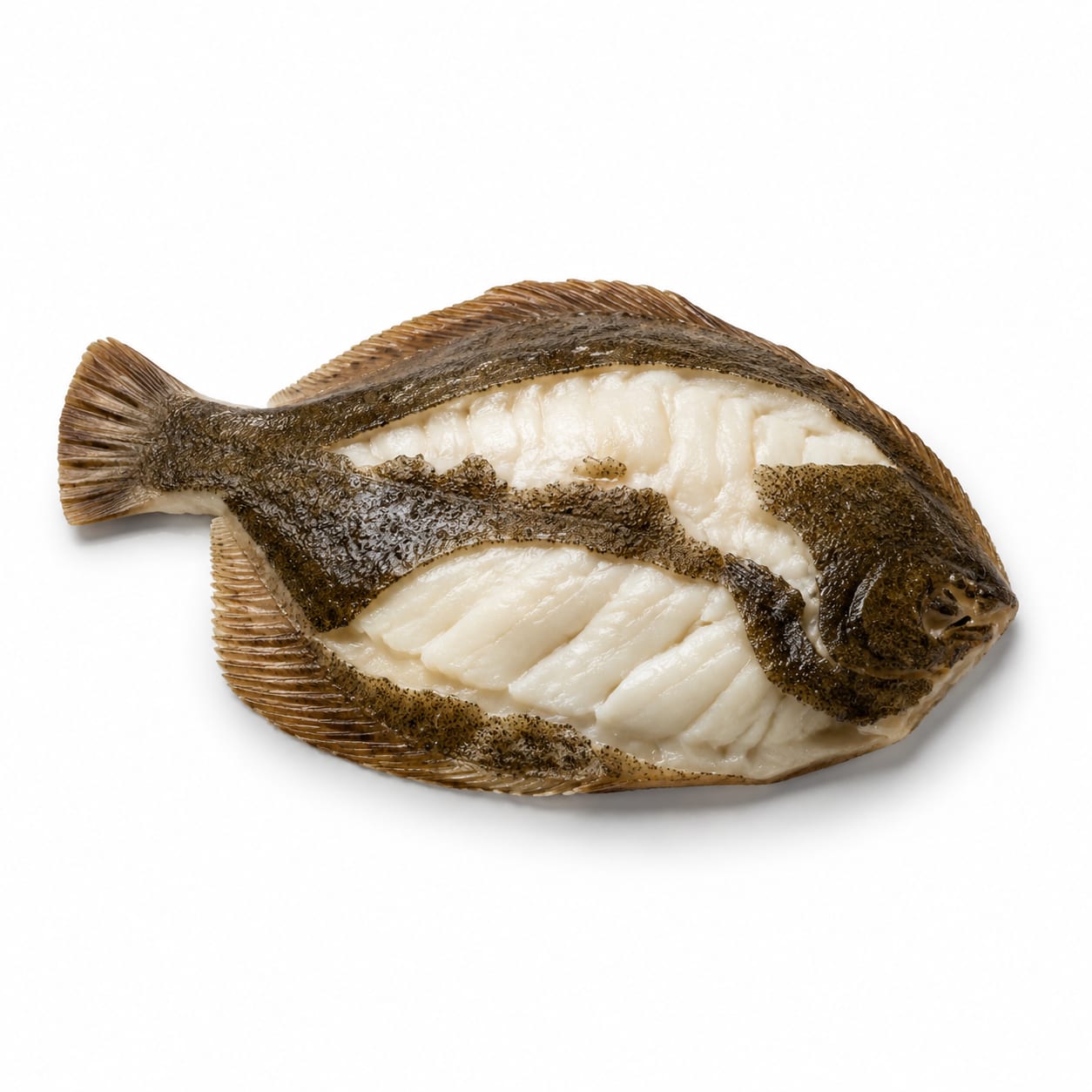
Flounder
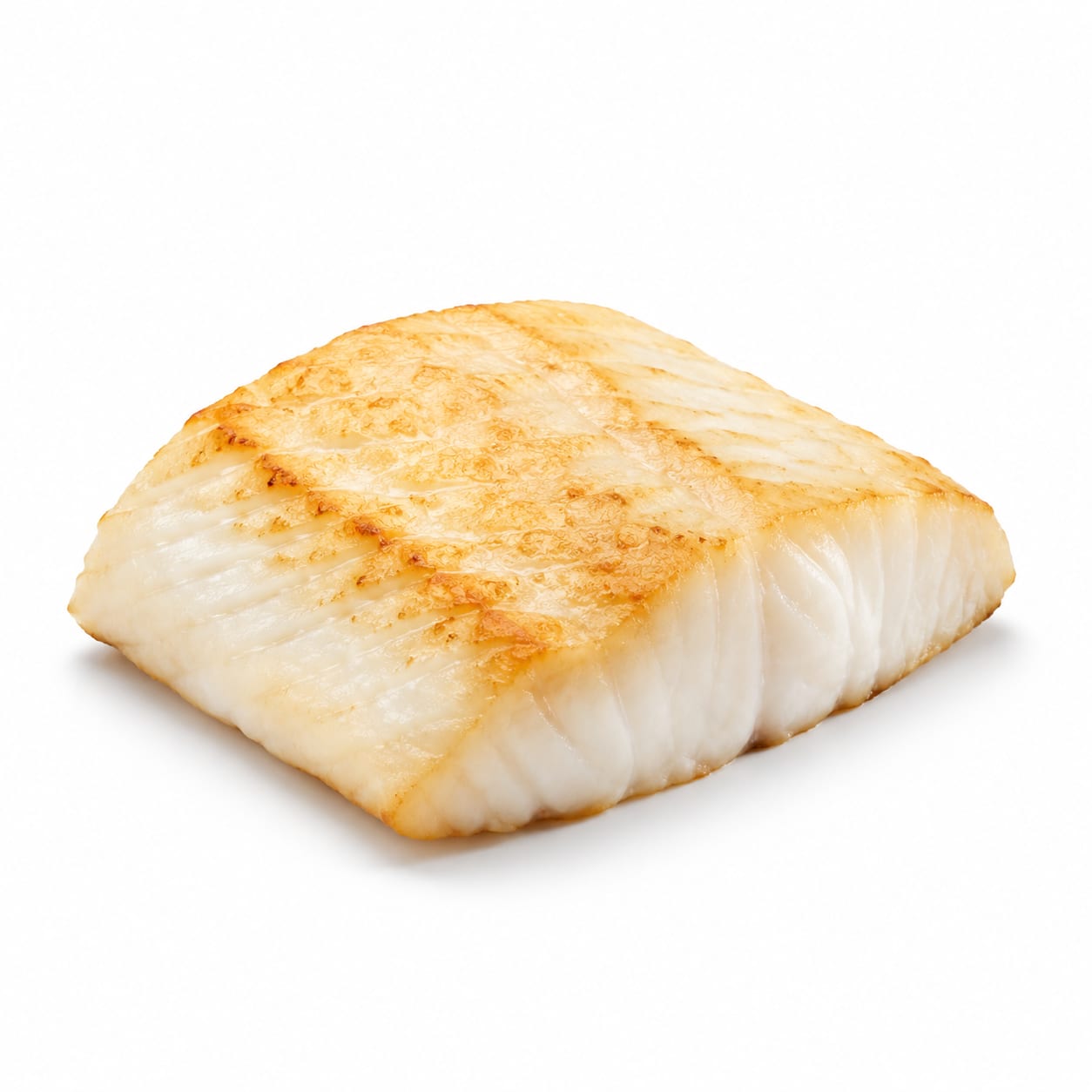
Cod
Cod offers more protein and versatility, while Flounder is lighter and slightly lower in mercury. Choose based on your cooking style and safety priorities.
Cod edges ahead on protein content, cooking versatility, and availability, but Flounder's lower mercury profile and delicate digestibility keep it competitive for specific needs.
Cod delivers firmer texture and higher protein per serving, but Flounder is gentler on the stomach and marginally safer for frequent consumption.
At a glance
Executive summary
Overall
It depends
Healthier
It depends
More practical
Cod
Daily use
Flounder
Key comparison lenses
lean protein source selection
Both are lean white fish primarily chosen for high-quality protein with minimal fat
mercury and contamination safety
Seaafety is a top consumer concern when choosing between fish varieties
cooking versatility and ease
Texture differences significantly affect how each fish performs in recipes
sustainability and environmental impact
Cod has well-documented fishery concerns that influence purchasing decisions
weight management and calorie control
Both are extremely low-calorie proteins favored by dieters
Best choice for
Flounder
- Pregnant women seeking lowest mercury fish
- People with sensitive digestion who prefer delicate foods
- Anyone eating fish 4+ times per week
- Light lunch or appetizer portions
Cod
- Meal preppers needing firm, reheatable protein
- Athletes and muscle-builders wanting more protein per calorie
- Home cooks making chowders, tacos, or fish and chips
- Families wanting a forgiving fish that's hard to overcook
Least suitable for
Flounder
- Grilling or high-heat cooking methods
- Hearty stews or chowders where fish breaks apart
- Those wanting maximum protein per serving
Cod
- Frequent daily consumption if mercury is a concern
- Pregnant women limiting mercury strictly
- Dishes requiring a delicate, melt-in-mouth texture
Deep comparison
Dimension by dimension
Each lens scores both foods and breaks down who each option suits.
- Dimension 1 · Priority 95Cod
Protein Quality and Quantity
Flounder · 68Cod · 82Cod provides noticeably more protein per serving — roughly 18g vs 15g per 3oz — making it more efficient for muscle maintenance and satiety.
Tradeoff
Flounder's protein is still high quality and complete, but you'd need a larger portion to match Cod's protein hit.
Why it matters
If you're eating fish as your primary protein source, those extra grams per serving add up significantly over a week.
Real-world impact
A Cod dinner leaves you fuller for longer; a Flounder dinner may feel light enough that you're snacking an hour later.
Flounder
- Smaller appetites who prefer not feeling stuffed
Better for
- Body recomposition phases where protein targets are high
Worse for
Cod
- Post-workout recovery meals
- Anyone tracking protein macros closely
Better for
- Light eaters who find dense protein portions heavy at night
Worse for
- Dimension 2 · Priority 90Flounder
Mercury and Contamination Safety
Flounder · 85Cod · 72Flounder consistently ranks lower in mercury than Cod, especially Atlantic Cod which can carry moderate levels.
Tradeoff
Pacific Cod is significantly cleaner than Atlantic Cod, but Flounder still wins on average across sources.
Why it matters
For pregnant women, children, or daily fish eaters, even small mercury differences compound over time.
Real-world impact
Eating Flounder several times a week is less risky than the same frequency with Cod, especially if you're not verifying the source.
Flounder
- Pregnant and breastfeeding women
- Children's meals
- Daily fish consumers
Better for
- None significant — this is Flounder's strongest advantage
Worse for
Cod
- Occasional eaters where mercury accumulation is negligible
Better for
- High-frequency consumption without source verification
Worse for
- Dimension 3 · Priority 85Cod
Cooking Versatility and Forgiveness
Flounder · 55Cod · 88Cod's firm flesh holds up to grilling, frying, baking, and stewing. Flounder's delicate texture limits it to gentle cooking methods.
Tradeoff
Flounder's delicacy is a feature for elegant dishes but a liability for casual weeknight cooking where mistakes happen.
Why it matters
A fish that forgives overcooking saves money and reduces kitchen frustration — Cod is remarkably forgiving.
Real-world impact
Cod works in fish tacos, chowder, and sheet-pan dinners. Flounder falls apart in those contexts and shines only with gentle sautéing or steaming.
Flounder
- Fine dining presentations where delicacy is the point
- Quick pan-sears with light sauces
Better for
- Grilling — flakes fall through the grates
- Beginner cooks who tend to over-handle fish
Worse for
Cod
- Busy weeknight meals
- Meal prep and leftovers
- Deep frying or battering
- Soups and stews
Better for
- Dishes where a tender, melt-in-mouth texture is essential
Worse for
- Dimension 4 · Priority 80Flounder
Calorie Efficiency for Weight Loss
Flounder · 88Cod · 82Both are exceptionally lean, but Flounder is slightly lower in calories per serving — roughly 70 vs 80 calories per 3oz.
Tradeoff
The calorie gap is small enough that portion size and cooking method matter far more than the fish itself.
Why it matters
When every calorie counts during aggressive cutting, Flounder's slight edge can feel psychologically helpful.
Real-world impact
Neither fish will derail a diet. The butter or oil you cook them in will.
Flounder
- Strict calorie-counting phases
- Volume eaters wanting larger portions for fewer calories
Better for
- People who find very low-calorie meals unsatisfying
Worse for
Cod
- Diets where protein intake matters more than calorie minimization
Better for
- Extremely low-calorie protocols under medical supervision
Worse for
- Dimension 5 · Priority 75Cod
Micronutrient Density
Flounder · 65Cod · 78Cod is richer in vitamin B12, phosphorus, and choline, while both provide solid selenium.
Tradeoff
Flounder still delivers respectable B-vitamins and selenium, but Cod is notably stronger for B12 — critical for energy and nerve health.
Why it matters
If fish is your main animal protein, Cod's B12 advantage helps prevent deficiency without supplementation.
Real-world impact
A serving of Cod covers over 100% of daily B12 needs. Flounder covers roughly 60-70%.
Flounder
- Those already supplementing B12 or eating other B12-rich foods
Better for
- Diets where fish is the sole B12 source
Worse for
Cod
- Older adults at risk for B12 deficiency
- Pescatarians relying on fish as their primary B12 source
Better for
- None significant — Cod's micronutrient profile is strong
Worse for
- Dimension 6 · Priority 70It depends
Sustainability and Environmental Impact
Flounder · 68Cod · 62Pacific Cod is well-managed and sustainable; Atlantic Cod remains troubled. Flounder sustainability varies widely by species and catch method.
Tradeoff
Neither fish is a clear environmental winner — you must check the specific source to make a responsible choice.
Why it matters
Choosing unsustainably caught fish contributes to population collapse, even if the health profile is excellent.
Real-world impact
Look for MSC certification. Pacific Cod with MSC is a solid choice. Wild-caught summer flounder from the US is reasonable. Avoid unlabeled Atlantic Cod.
Flounder
- US-caught summer flounder or Pacific flounder with certification
Better for
- Imported flounder without traceability
Worse for
Cod
- MSC-certified Pacific Cod
- Alaska Cod fisheries which are well-managed
Better for
- Atlantic Cod from depleted stocks
Worse for
Timeline
Health impact over time
Short-term
Hours to days
Flounder
- Very light post-meal feeling — unlikely to cause bloating or heaviness
- Easy to digest, gentle on sensitive stomachs
- Low satiety may trigger hunger sooner than expected
Cod
- More filling due to higher protein density
- Slightly heavier digestion but still very easy compared to red meat
- Better sustained energy for 3-4 hours after eating
Long-term
Months to years
Flounder
- Lower cumulative mercury exposure supports neurological health with frequent consumption
- Consistent lean protein intake supports cardiovascular health
- May require B12 supplementation if eaten as the sole animal protein
Cod
- Strong B12 intake supports nerve function and energy metabolism long-term
- Higher protein supports muscle preservation during aging
- Mercury accumulation risk increases with frequent Atlantic Cod consumption
Risk profile
Safety & processing
Both Flounder and Cod are whole, minimally processed foods in their fresh or frozen forms. Watch out for pre-breaded or frozen-prepared versions, which add sodium, preservatives, and refined carbs that negate the health benefits.
Flounder
Mercury exposure
lowFlounder is consistently classified as a low-mercury fish, making it one of the safer choices for frequent consumption.
Parasites in raw preparations
mediumLike all wild fish, flounder can carry parasites. Must be properly frozen before raw consumption in sushi or ceviche.
Habitat contamination
lowBottom-dwelling fish can accumulate contaminants from sediment, but flounder generally tests well below concern thresholds.
Cod
Mercury exposure
mediumAtlantic Cod can contain moderate mercury levels. Pacific Cod is lower. Frequency of consumption and source matter significantly.
Parasites in raw preparations
mediumCod worms are well-documented. Proper freezing or thorough cooking eliminates the risk entirely.
Sodium in salted/preserved forms
highSalt cod (bacalao) is extremely high in sodium. This traditional preparation undermines the natural health profile of fresh Cod.
Who wins for whom
Audience fit
Same foods, different winners depending on your goal.
children
FlounderLower mercury content and softer, more delicate texture make Flounder safer and easier for kids to eat.
daily consumption
FlounderLower mercury accumulation risk makes Flounder the safer choice for daily or near-daily eating patterns.
diabetes
It dependsBoth have zero carbs and minimal impact on blood sugar. Cod's higher protein may provide slightly better satiety, but the difference is negligible.
elderly
CodCod's superior B12 content and higher protein help counter age-related muscle loss and B12 absorption decline.
muscle gain
CodMore protein per serving and per calorie makes Cod more efficient for hitting daily protein targets.
weight loss
FlounderSlightly fewer calories per serving with similar satiety makes Flounder a marginal but real edge for strict calorie counters.
Your move
Decision guide
Choose Flounder
- You're pregnant, breastfeeding, or feeding young children
- You eat fish 4 or more times per week
- You prefer delicate textures and gentle cooking methods
- You're counting calories strictly and want maximum volume for minimum calories
- You have a sensitive stomach and find most proteins heavy
Choose Cod
- You want maximum protein per serving for muscle maintenance or gain
- You're meal prepping and need a fish that reheats well
- You're making chowder, fish tacos, or any dish requiring firm chunks
- You're an older adult concerned about B12 and muscle preservation
- You only eat fish 1-2 times per week and mercury is less concerning
Either works if
- You eat fish occasionally and have no specific health concerns
- You're simply looking for a lean protein to replace red meat
- You're following a heart-healthy Mediterranean-style diet
- Both are available fresh and you want variety in your week
Avoid both if
- You have a fish allergy — this goes without saying
- You can only find heavily processed frozen versions with breading and additives
- You're sourcing from unknown origins with no sustainability or safety certification
- You have gout and are sensitive to purines — both contain moderate levels
Final recommendation
Keep both in rotation. Use Cod when you need a hearty, protein-packed meal that stands up to bold cooking. Use Flounder when you want something lighter, safer for frequent eating, and elegantly simple. If you must pick one for daily use, Flounder's lower mercury profile makes it the smarter long-term choice.
Practical
Consumer tips
- 1
Always ask whether Cod is Pacific or Atlantic — Pacific is both more sustainable and lower in mercury
- 2
Flounder's delicacy means it cooks in minutes — overcooking is the most common mistake
- 3
Skip pre-breaded versions of either fish; they add empty calories, sodium, and preservatives that erase the health benefits
- 4
For Flounder, pan-sear with a thin crust of almond flour instead of batter — keeps it light while adding texture
- 5
For Cod, a simple bake with lemon and herbs is hard to beat nutritionally and requires almost no effort
- 6
If buying frozen, check for no added sodium solutions — some brands inject brine to increase weight
- 7
MSC certification is your best shortcut for sustainability with either fish