
Nutrition comparison
Flounder vs Halibut: Nutrition, Mercury, and Health Comparison
Compare Flounder vs Halibut to see which is healthier. Learn about mercury levels, protein, omega-3s, and which fish is safer for daily consumption.
Overall winner · Flounder
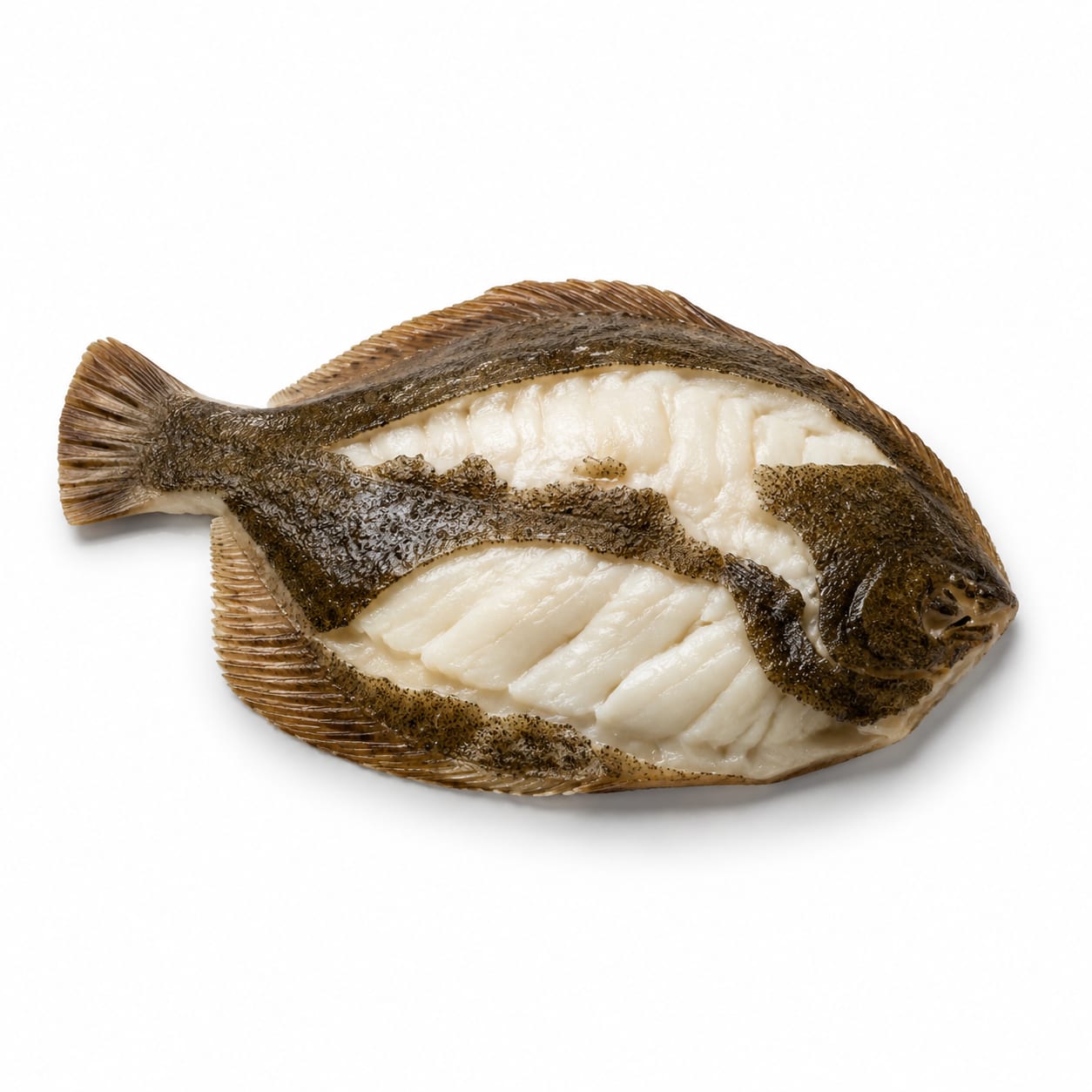
Flounder
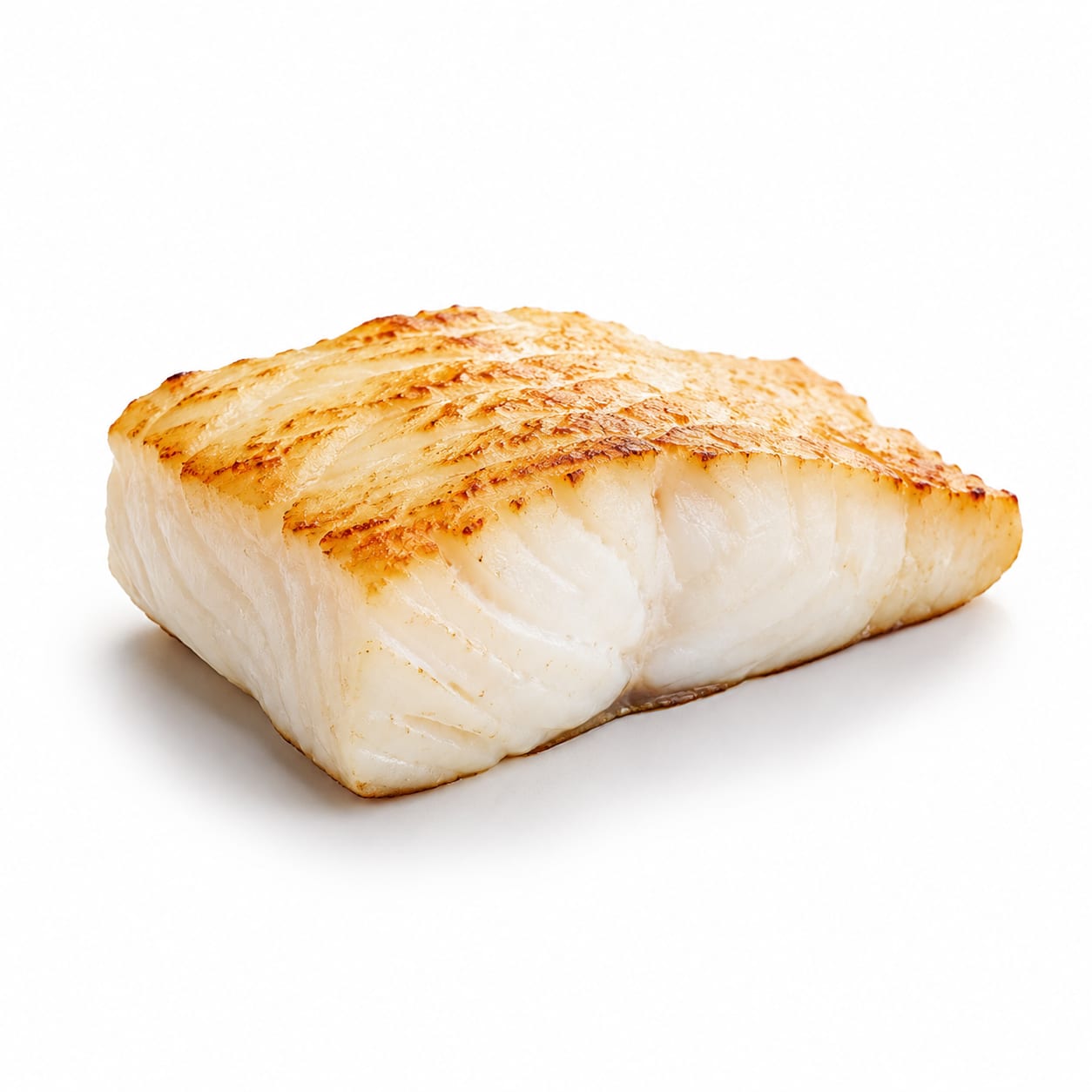
Halibut
Flounder is the safer, lighter choice for regular eating, while Halibut offers more protein and omega-3s but comes with higher mercury concerns.
Flounder scores higher overall due to its significantly lower mercury levels, making it safer for regular consumption. Halibut wins on protein and omega-3s but loses ground on safety for vulnerable populations.
Lower calories and mercury in Flounder versus higher protein and omega-3s in Halibut.
At a glance
Executive summary
Overall
Flounder
Healthier
Flounder
More practical
It depends
Daily use
Flounder
Key comparison lenses
Mercury and heavy metal safety
Halibut is a large predatory fish with moderate mercury, while Flounder is small and very low in mercury, making safety a primary decision factor.
Protein and satiety
Halibut offers significantly more protein and a meatier texture, impacting fullness and muscle support differently than the lighter Flounder.
Calorie density and weight management
Flounder is extremely low in calories, appealing to calorie-counters, whereas Halibut is denser.
Omega-3 fatty acid intake
Halibut provides more omega-3s, influencing heart and brain health choices.
Best choice for
Flounder
- Pregnant women and children
- Frequent fish eaters
- Low-calorie diets
Halibut
- Athletes needing high protein
- Those eating fish occasionally
- People wanting a steak-like fish texture
Least suitable for
Flounder
- Those needing high omega-3 intake from food alone
- High-protein bulk diets
Halibut
- Pregnant women
- Daily consumption
- Strict low-mercury diets
Deep comparison
Dimension by dimension
Each lens scores both foods and breaks down who each option suits.
- Dimension 1 · Priority 90Halibut
Protein & Satiety
Flounder · 70Halibut · 92Halibut delivers a much denser protein punch and keeps you full longer.
Tradeoff
You get more muscle-fueling protein with Halibut, but it comes with a heavier calorie load.
Why it matters
Satiety matters for managing hunger between meals and supporting an active lifestyle.
Real-world impact
A Halibut dinner will keep you satisfied well into the next morning, while Flounder might leave you looking for a snack.
Flounder
- Heavy physical labor days
- Athletes in training
Worse for
Halibut
- Post-workout recovery
- Building muscle
- Staying full for hours
Better for
- Dimension 2 · Priority 95Flounder
Mercury & Safety
Flounder · 95Halibut · 55Flounder is a low-mercury fish, while Halibut accumulates significantly more mercury due to its larger size and longer lifespan.
Tradeoff
Halibut offers more nutrients but poses a real mercury risk if eaten frequently.
Why it matters
Mercury exposure affects brain health and is especially dangerous for developing children.
Real-world impact
You can safely eat Flounder multiple times a week, but Halibut should be limited to a few times a month.
Flounder
- Pregnant women
- Weekly meal prep
- Children's diets
Better for
Halibut
- Daily meal planning
- Pregnancy diets
- Frequent seafood lovers
Worse for
- Dimension 3 · Priority 80Flounder
Calorie Density & Weight Management
Flounder · 90Halibut · 75Flounder is exceptionally low in calories, making it a dieter's dream.
Tradeoff
Fewer calories in Flounder means less energy density, while Halibut provides more calories from healthy fats.
Why it matters
Lower calorie density helps with portion control and weight loss without feeling deprived.
Real-world impact
You can eat a generous portion of Flounder without blowing your calorie budget.
Flounder
- Calorie counting
- Cutting weight
- Light dinners
Better for
Halibut
- Strict calorie deficits
- Light lunch options
Worse for
- Dimension 4 · Priority 85Halibut
Omega-3 & Healthy Fats
Flounder · 60Halibut · 85Halibut contains notably more omega-3 fatty acids, supporting heart and brain health.
Tradeoff
The omega-3 boost in Halibut is great, but you can easily get these fats from safer sources like salmon or sardines.
Why it matters
Omega-3s are crucial for reducing inflammation and supporting cognitive function.
Real-world impact
Eating Halibut gives a decent omega-3 boost, though it shouldn't be your only source.
Flounder
- Relying solely on this for omega-3s
Worse for
Halibut
- Heart health focus
- Anti-inflammatory diets
Better for
Timeline
Health impact over time
Short-term
Hours to days
Flounder
- Light, non-bloated feeling after eating
- Quick energy without heaviness
Halibut
- Strong satiety after meals
- Sustained energy from higher fat content
Long-term
Months to years
Flounder
- Lower risk of heavy metal accumulation
- Easier weight maintenance due to low calories
Halibut
- Better cardiovascular support from omega-3s
- Potential mercury accumulation if overconsumed
Risk profile
Safety & processing
Both Flounder and Halibut are whole, natural proteins typically sold fresh or frozen without additives.
Flounder
Mercury exposure
lowFlounder is a small, short-lived fish, keeping its mercury content well below safety limits.
Overfishing
lowMost Flounder populations are well-managed, but always check regional sustainability.
Halibut
Mercury exposure
mediumHalibut are large, long-lived predators that accumulate moderate to high levels of mercury, requiring consumption limits.
Parasites
lowLike all wild fish, Halibut can carry parasites, requiring proper cooking or freezing.
Who wins for whom
Audience fit
Same foods, different winners depending on your goal.
children
FlounderFlounder's low mercury levels make it much safer for developing nervous systems.
daily consumption
FlounderYou can safely eat Flounder daily without worrying about heavy metal buildup.
diabetes
FlounderBoth have zero carbs, but Flounder's lower calorie density helps with weight management, which is crucial for diabetes.
elderly
FlounderLower mercury exposure is safer for aging cardiovascular and neurological systems, and Flounder is easier to chew.
muscle gain
HalibutHalibut provides significantly more protein per serving, supporting muscle repair and growth.
weight loss
FlounderFlounder's extremely low calorie count allows for larger, satisfying portions without exceeding daily limits.
Your move
Decision guide
Choose Flounder
- You are pregnant or feeding children
- You eat fish multiple times a week
- You want a low-calorie, light meal
- You are concerned about mercury
Choose Halibut
- You eat fish only occasionally
- You need a high-protein, steak-like fillet
- You want more omega-3s from your meal
- You find delicate fish unsatisfying
Either works if
- You want a zero-carb protein source
- You are looking for a whole food dinner option
- You enjoy cooking fish at home
Avoid both if
- You have a severe fish allergy
- You are looking for a plant-based protein
Final recommendation
Make Flounder your everyday fish for its safety and lightness, and enjoy Halibut occasionally when you crave a meatier, higher-protein meal.
Practical
Consumer tips
- 1
Limit Halibut to 1-2 servings per week to keep mercury exposure in check.
- 2
Flounder cooks very quickly—usually under 10 minutes—so watch it closely to avoid drying out.
- 3
Pair Flounder with a healthy fat like olive oil or avocado to boost satiety and absorption of fat-soluble vitamins.
- 4
Check Seafood Watch for the most sustainable options in your area, as both fish have varying regional ratings.