
Nutrition comparison
Flounder vs Sardines: Nutrition, Mercury & Taste Compared
Flounder vs Sardines: Which fish is healthier? Compare omega-3s, mercury levels, calories, and taste to find out which is best for your diet.
Overall winner · Sardines
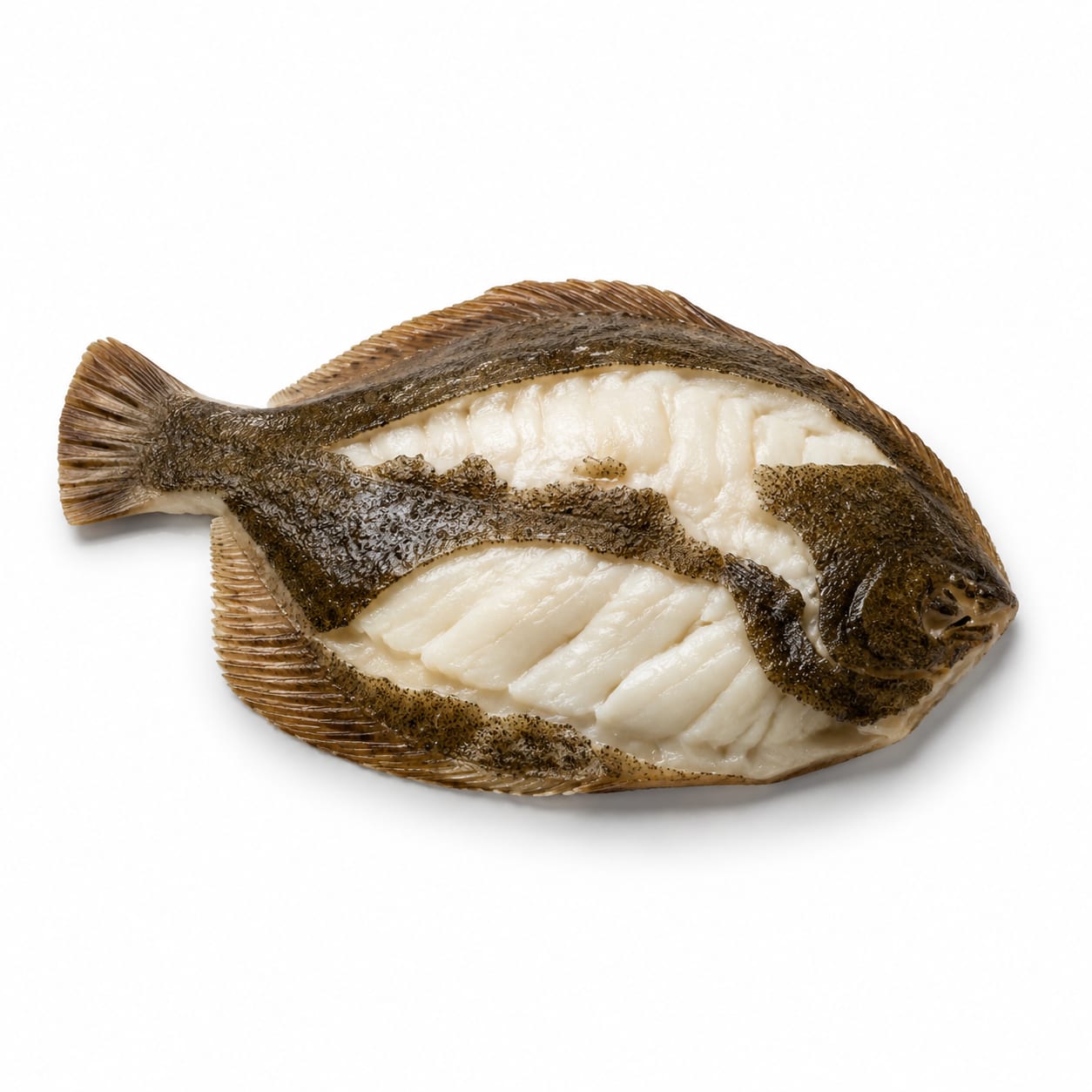
Flounder
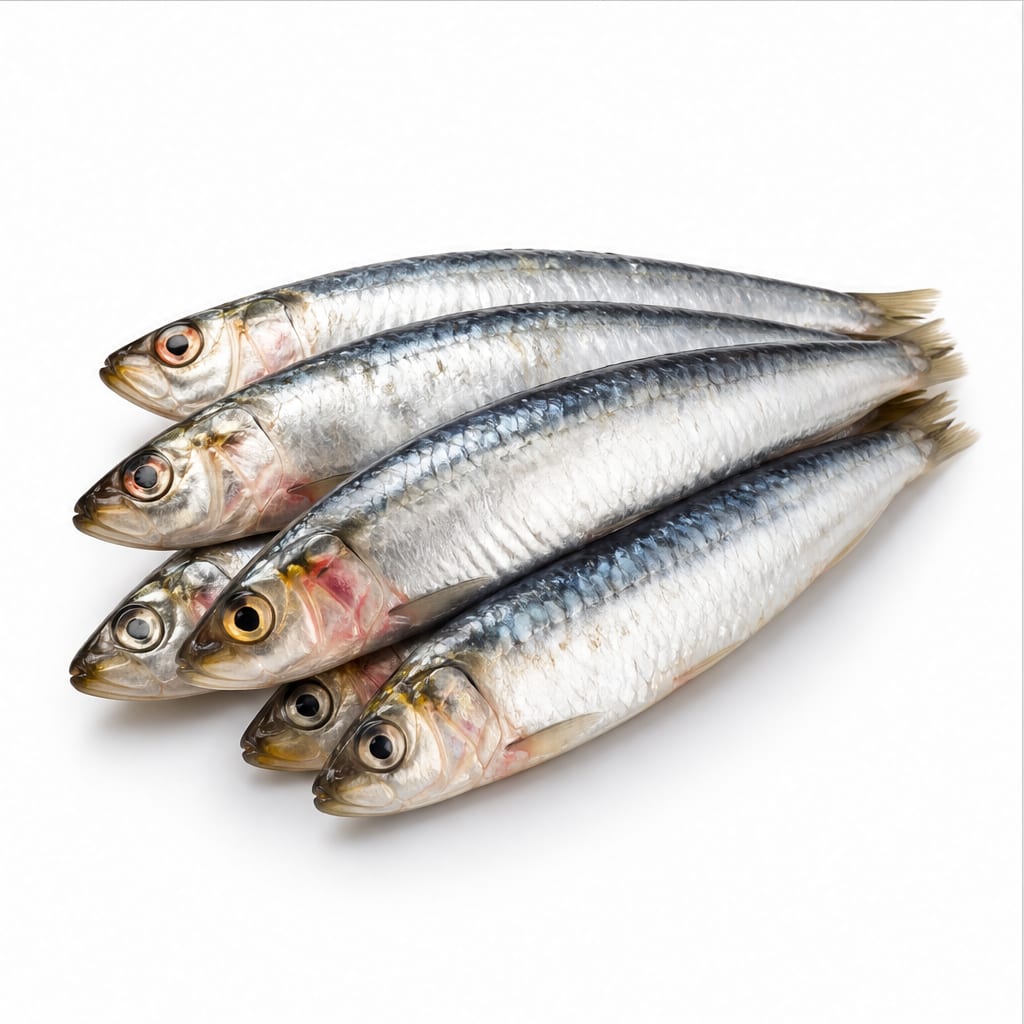
Sardines
Sardines are a nutritional powerhouse packed with omega-3s and calcium, while Flounder is a delicate, lean protein for light meals.
Sardines score significantly higher due to their exceptional omega-3, vitamin D, and calcium content. Flounder scores well as a lean protein but lacks the deep nutritional density of Sardines.
You trade the massive anti-inflammatory and bone-building benefits of Sardines for the mild, low-calorie versatility of Flounder.
At a glance
Executive summary
Overall
Sardines
Healthier
Sardines
More practical
Sardines
Daily use
It depends
Key comparison lenses
Omega-3 and anti-inflammatory benefits
Sardines are one of the best omega-3 sources available, while Flounder is a lean fish with almost none.
Calorie density and macronutrient balance
Flounder offers pure lean protein, whereas Sardines provide a richer, higher-calorie profile with healthy fats.
Mercury and heavy metal exposure
Both are low-mercury fish, but Sardines' small size and short lifespan make them virtually mercury-free.
Convenience and preparation ease
Canned Sardines are ready-to-eat, while Flounder requires cooking and careful handling to avoid drying out.
Taste preference and culinary versatility
Flounder is a mild blank canvas; Sardines have a distinct, polarizing flavor that limits their use for some.
Best choice for
Flounder
- Strict calorie counters wanting maximum volume
- Picky eaters or children who dislike fishy flavors
- Those needing an easily digested, light post-workout meal
Sardines
- People seeking heart and brain health via omega-3s
- Those wanting a shelf-stable, ready-to-eat protein
- Anyone needing a natural calcium and vitamin D boost
Least suitable for
Flounder
- People relying on fish for omega-3 intake
- Those wanting a quick, no-cook meal
Sardines
- People with gout or severe purine sensitivity
- Those who strongly dislike strong fish flavors or textures
Deep comparison
Dimension by dimension
Each lens scores both foods and breaks down who each option suits.
- Dimension 1 · Priority 95Sardines
Heart & Brain Health (Omega-3s)
Flounder · 15Sardines · 98Sardines are loaded with EPA and DHA omega-3s; Flounder has virtually none.
Tradeoff
Choosing Flounder means missing out on the primary reason most health experts recommend eating fish.
Why it matters
Omega-3s lower inflammation, support mood stability, and protect long-term heart health.
Real-world impact
Eating Sardines a few times a week can meaningfully reduce joint stiffness and improve mental clarity; Flounder will not move the needle here.
Flounder
- Relying on Flounder for essential fatty acids
Worse for
Sardines
- Reducing systemic inflammation
- Supporting cognitive function and mood
- Lowering triglycerides naturally
Better for
- Dimension 2 · Priority 85Flounder
Calorie Density & Lean Protein
Flounder · 90Sardines · 70Flounder delivers high protein with almost no fat or calories, making it incredibly light.
Tradeoff
Flounder keeps calories low but lacks the satiating fat that makes Sardines so filling.
Why it matters
If you are strictly tracking calories or need a light dinner, lean protein is highly valuable.
Real-world impact
A Flounder fillet feels light in the stomach and fits easily into a calorie deficit, whereas Sardines are denser and more satisfying per bite.
Flounder
- Strict calorie restriction diets
- Late-night meals that need to digest easily
Better for
- Those who feel hungry soon after lean meals
Worse for
Sardines
- Meals needing long-lasting satiety
Better for
- Dimension 3 · Priority 75Sardines
Convenience & Preparation
Flounder · 40Sardines · 95Canned Sardines are ready to eat instantly; Flounder requires cooking and careful timing to avoid drying out.
Tradeoff
Sardines sacrifice culinary elegance for instant gratification and zero cleanup.
Why it matters
Convenience often dictates whether healthy eating actually happens on busy days.
Real-world impact
You can eat Sardines straight from the tin on crackers in 30 seconds; Flounder requires a pan, heat, and careful cooking.
Flounder
- Formal dinners where presentation matters
Better for
- No-cook lunch situations
Worse for
Sardines
- Quick lunches at your desk
- Travel or camping protein
- Emergency pantry meals
Better for
- Dimension 4 · Priority 70Flounder
Taste & Culinary Versatility
Flounder · 85Sardines · 55Flounder is a mild, adaptable canvas; Sardines have a strong, distinct flavor that limits pairing options.
Tradeoff
Flounder blends into any cuisine seamlessly, while Sardines demand ingredients that complement their intensity.
Why it matters
If a food does not taste good to you, the nutritional benefits become irrelevant because you will not eat it.
Real-world impact
Flounder takes on the flavor of butter, lemon, or herbs beautifully; Sardines need mustard, hot sauce, or strong crackers to balance their richness.
Flounder
- Picky eaters and kids
- Recipes requiring a neutral fish base
Better for
Sardines
- Lovers of bold, umami flavors
Better for
- People sensitive to fishy taste or smell
Worse for
- Dimension 5 · Priority 80Sardines
Bone Health & Micronutrients
Flounder · 40Sardines · 95Sardines with bones provide massive amounts of calcium and vitamin D; Flounder offers standard fish micronutrients.
Tradeoff
Eating soft Sardine bones is the tradeoff for getting a dairy-free calcium powerhouse.
Why it matters
Bone health is not just about calcium; vitamin D is required to absorb it, and Sardines offer both in one package.
Real-world impact
A serving of bone-in Sardines covers about a third of your daily calcium needs, rivaling a glass of milk without the lactose.
Flounder
- Those relying on it for bone-supporting minerals
Worse for
Sardines
- Dairy-free diets needing calcium
- Older adults preventing bone density loss
Better for
Timeline
Health impact over time
Short-term
Hours to days
Flounder
- Feels very light and easy to digest
- Provides clean protein without feeling heavy or sluggish
Sardines
- High fat and protein content creates strong, lasting fullness
- May leave a lingering fishy aftertaste or breath
Long-term
Months to years
Flounder
- Supports lean muscle maintenance with minimal fat intake
- Does not contribute meaningful omega-3s for heart or brain protection
Sardines
- Significantly lowers markers of inflammation and supports cardiovascular health
- High purine content could trigger gout flares in susceptible individuals
Risk profile
Safety & processing
Fresh or frozen Flounder is completely unprocessed. Canned Sardines are minimally processed, though some contain added salt or olive oil, so checking the ingredient list is worthwhile.
Flounder
Mercury exposure
lowFlounder is a low-mercury fish, making it safe for frequent consumption, though slightly higher than tiny fish like Sardines.
Overcooking and dryness
lowNot a safety hazard, but Flounder dries out quickly, making it less palatable if cooked too long.
Sardines
Gout flares from purines
mediumSardines are high in purines, which can convert to uric acid and trigger joint pain in people with gout.
Sodium content
mediumCanned Sardines often contain added salt, which can be a concern for those managing blood pressure.
Choking on bones
lowWhile the bones are soft and edible, they can still pose a minor choking hazard for young children or distracted eaters.
Who wins for whom
Audience fit
Same foods, different winners depending on your goal.
children
FlounderFlounder has a mild flavor and no bones to worry about, making it far more kid-friendly than strong-tasting, bony Sardines.
daily consumption
It dependsSardines are nutritionally superior for daily use, but their strong flavor and sodium content make daily eating impractical for many; Flounder is easier to eat daily but less rewarding nutritionally.
diabetes
SardinesThe omega-3s in Sardines improve insulin sensitivity and reduce inflammation, which is crucial for blood sugar management.
elderly
SardinesThe calcium, vitamin D, and omega-3s in Sardines directly combat the bone density loss and cognitive decline risks associated with aging.
muscle gain
SardinesSardines offer more total protein per serving alongside anti-inflammatory fats that aid recovery, though both work well.
weight loss
FlounderFlounder provides maximum food volume and protein for minimal calories, making it easier to sustain a calorie deficit.
Your move
Decision guide
Choose Flounder
- You want a low-calorie, mild protein that will not overwhelm your plate
- You are feeding kids or picky eaters who reject strong fish flavors
- You need a light meal that digests easily before bed
Choose Sardines
- You want the maximum heart and brain benefits from eating fish
- You need a shelf-stable, zero-prep protein for busy days
- You are dairy-free and need a reliable source of calcium
Either works if
- You simply want a clean, low-mercury protein source instead of red meat
- You are rotating fish types to vary your nutrient intake
Avoid both if
- You have a severe fish or seafood allergy
Final recommendation
Let your goals decide: eat Sardines when you need a quick, nutrient-dense omega-3 hit, and choose Flounder when you want a light, comforting, low-calorie meal. Ideally, keep both in rotation.
Practical
Consumer tips
- 1
Buy Sardines packed in water or olive oil rather than soybean oil to avoid inflammatory seed oils.
- 2
Rinse canned Sardines briefly if you need to lower the sodium content before eating.
- 3
Cook Flounder with healthy fats like olive oil or butter to compensate for its lack of natural omega-3s.
- 4
Look for wild-caught Flounder over farmed to ensure better nutrient density and fewer contaminants.
- 5
Mash Sardines with mustard and avocado to mellow the flavor if eating them straight is too intense.