
Nutrition comparison
Haddock vs Flounder: Which White Fish Is Healthier?
Compare Haddock vs Flounder to find out which lean white fish is better for protein, mercury safety, and your dinner table.
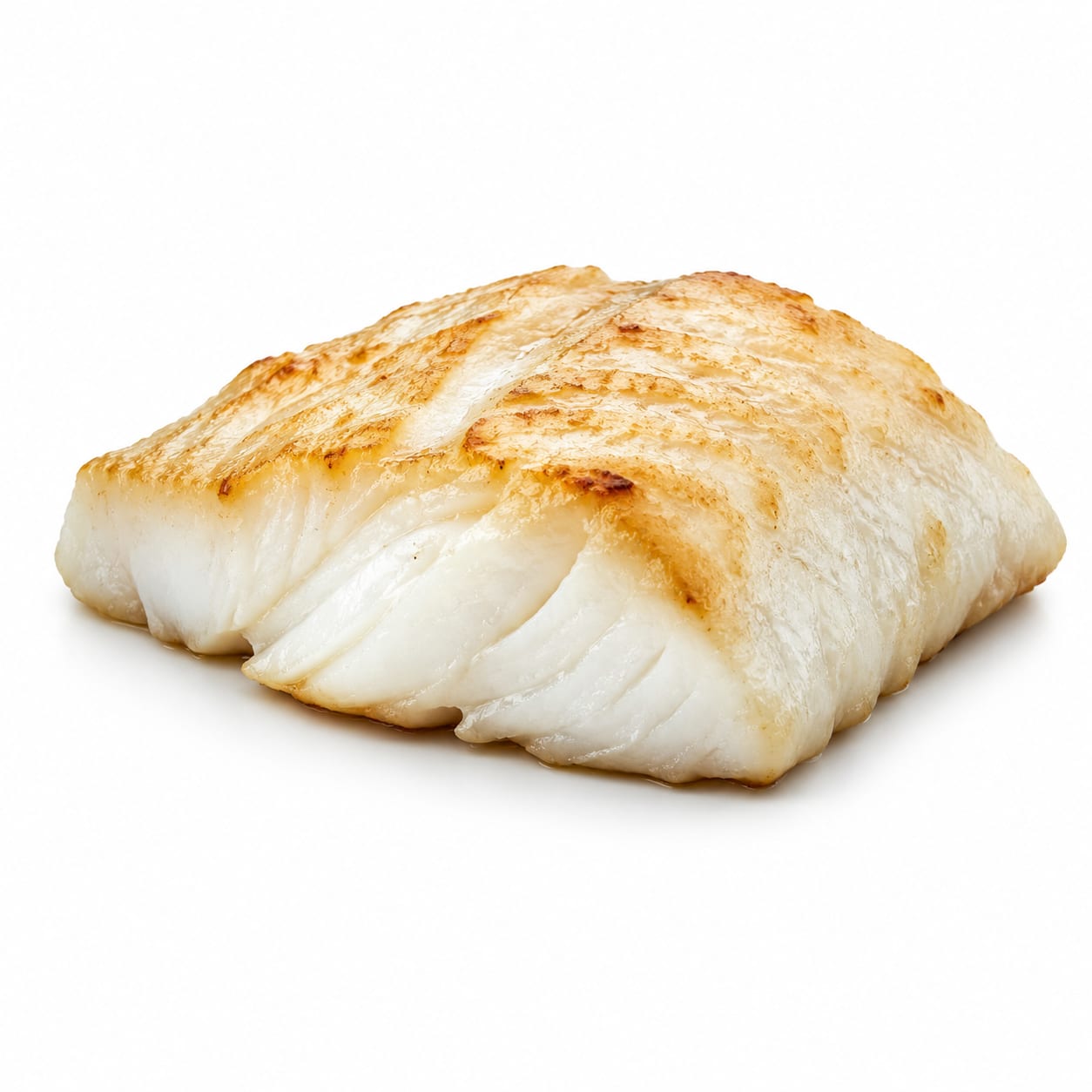
Haddock
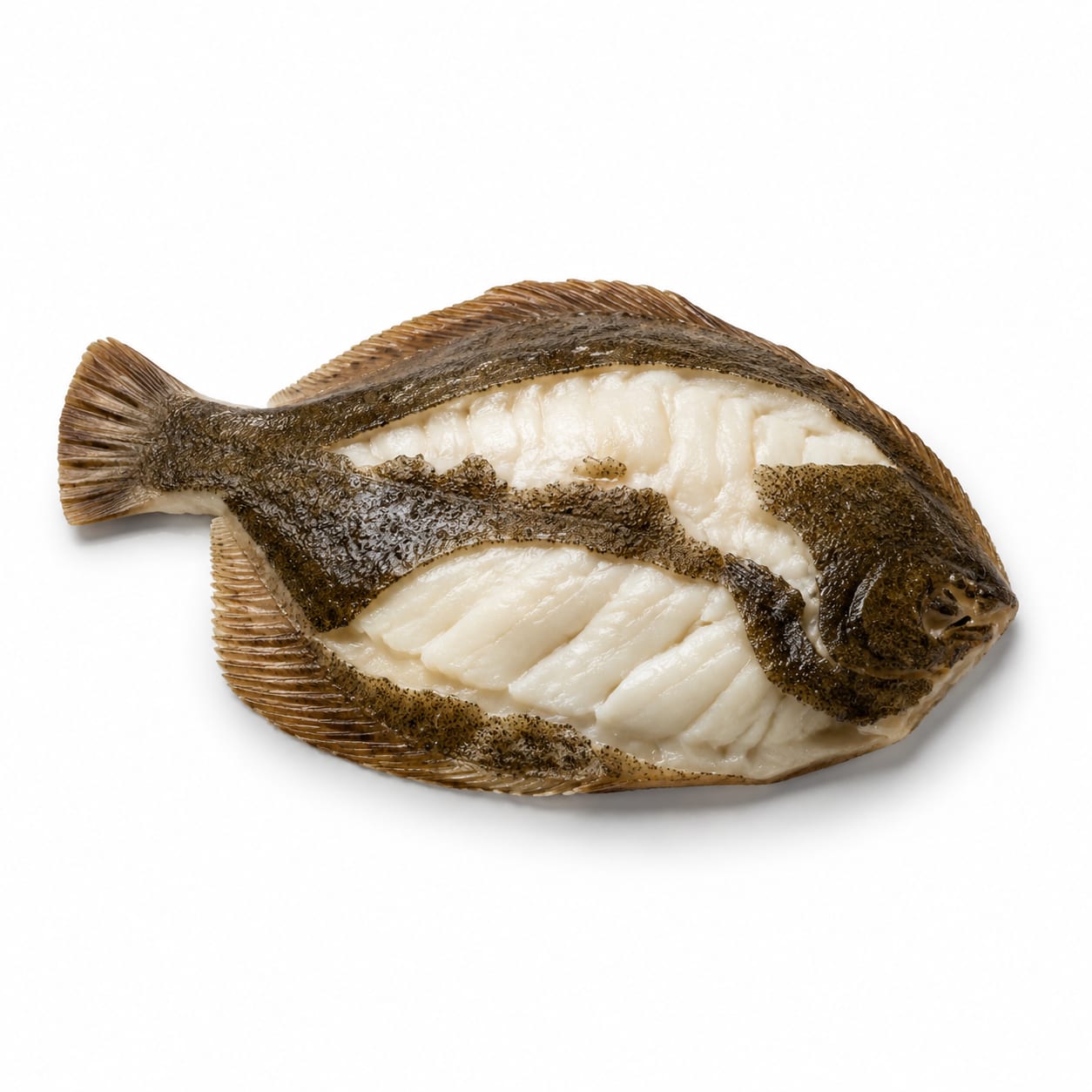
Flounder
Haddock and Flounder are both excellent lean white fish, but Haddock delivers more protein while Flounder offers slightly lower calories and mercury.
Haddock and Flounder are nutritionally similar lean white fish. Haddock edges ahead in protein density, but Flounder's slightly safer mercury profile and lighter calorie count give it a tiny overall advantage for regular consumption.
Firmer texture and higher protein in Haddock versus a more delicate bite and marginally safer long-term consumption profile in Flounder.
At a glance
Executive summary
Overall
It depends
Healthier
Flounder
More practical
It depends
Daily use
Flounder
Key comparison lenses
Lean protein source selection
Both are popular white fish chosen primarily for low-calorie protein, making protein density a key decision factor.
Mercury and heavy metal safety
Frequent fish consumers need to know which option poses less long-term contaminant risk.
Culinary texture and cooking method suitability
Haddock is firm and meaty while Flounder is delicate and flaky, heavily influencing recipe success.
Calorie density for weight management
Both are low-calorie, but subtle differences matter for strict calorie counters.
Best choice for
Haddock
- High-protein low-calorie diets
- Hearty fish chowders and stews
- Battered fish and chips
Flounder
- Low-mercury frequent fish consumption
- Light pan-seared dinners
- Delicate palates and children
Least suitable for
Haddock
- Those strictly minimizing even low-moderate mercury exposure
- Raw sushi preparations
Flounder
- Stews or chowders where the fish needs to hold its shape
- High-protein diets needing maximum macro density
Deep comparison
Dimension by dimension
Each lens scores both foods and breaks down who each option suits.
- Dimension 1 · Priority 90Haddock
Protein & Satiety
Haddock · 85Flounder · 72Haddock provides significantly more protein per serving, making it more filling.
Tradeoff
You get more muscle-fueling protein with Haddock, but Flounder feels lighter on the stomach.
Why it matters
If you are eating fish as your primary protein source, a few extra grams per fillet makes a real difference in staying full.
Real-world impact
A Haddock fillet will keep you satisfied longer after dinner, whereas Flounder might leave you looking for a snack an hour later.
Haddock
- Post-workout recovery
- Staying full until the next meal
Better for
- Very light meals where you don't want to feel stuffed
Worse for
Flounder
- Light lunches
- Days with a smaller appetite
Better for
- Recovery meals needing high protein
Worse for
- Dimension 2 · Priority 85Flounder
Mercury & Safety Profile
Haddock · 78Flounder · 90Flounder consistently ranks lower in mercury accumulation than Haddock.
Tradeoff
Haddock is still considered a low-mercury fish, but Flounder is among the safest choices available.
Why it matters
For people eating fish multiple times a week, cumulative mercury exposure matters even at low levels.
Real-world impact
Choosing Flounder gives you more flexibility to eat fish frequently without worrying about heavy metal buildup.
Haddock
- Occasional fish dinners
Better for
- Daily consumption routines
Worse for
Flounder
- Eating fish 3 or more times a week
- Pregnant women seeking the safest option
Better for
- Rare occasions where mercury is a non-issue
Worse for
- Dimension 3 · Priority 75Flounder
Calorie Density & Lightness
Haddock · 80Flounder · 86Flounder is slightly lower in calories, offering a lighter eating experience.
Tradeoff
Flounder sacrifices a bit of protein density to deliver a leaner, flakier fillet.
Why it matters
When cutting calories, every bit counts, and Flounder's delicate texture naturally pairs with lighter cooking methods.
Real-world impact
Flounder feels less heavy after a meal, making it a better fit for warm weather or late dinners.
Haddock
- Active days needing more fuel
Better for
- Strict calorie counting
Worse for
Flounder
- Calorie-restricted diets
- Warm-weather meals
Better for
- High-calorie bulking phases
Worse for
- Dimension 4 · Priority 80It depends
Culinary Texture & Cooking Versatility
Haddock · 82Flounder · 82Haddock holds up well to robust cooking, while Flounder shines in delicate preparations.
Tradeoff
Haddock's firmness makes it great for chowders and breading, but Flounder's thinness makes it perfect for quick searing and rolling.
Why it matters
The wrong fish can fall apart in a stew or turn rubbery if pan-fried too long.
Real-world impact
Use Haddock for a hearty New England chowder; use Flounder for an elegant rolled stuffed fillet.
Haddock
- Fish stews and chowders
- Battered and fried dishes
- Grilling
Better for
- Delicate sauces where a softer flake is desired
Worse for
Flounder
- Sautéing with lemon butter
- Stuffed fish rolls
- Quick weeknight bakes
Better for
- Heavy soups where the fish turns to mush
Worse for
Timeline
Health impact over time
Short-term
Hours to days
Haddock
- Provides a strong sense of fullness from higher protein
- Sustains energy without feeling heavy
Flounder
- Feels very light and easy to digest
- Quick to cook for immediate meals
Long-term
Months to years
Haddock
- Supports lean muscle maintenance with robust protein
- Very low mercury allows for regular weekly consumption
Flounder
- Minimal heavy metal accumulation even with frequent eating
- Gentle on the digestive system over the long haul
Risk profile
Safety & processing
Both Haddock and Flounder are whole, single-ingredient foods in their fresh or frozen forms, carrying virtually no risk of artificial additives unless pre-breaded or marinated.
Haddock
Mercury exposure
lowHaddock has low-to-moderate mercury levels, safe for weekly consumption but slightly higher than Flounder.
Flounder
Parasitic contamination
lowLike all wild fish, Flounder can carry parasites, which are easily eliminated by proper cooking or freezing.
Who wins for whom
Audience fit
Same foods, different winners depending on your goal.
children
FlounderFlounder's softer texture is easier for kids to chew, and its lower mercury profile is safer for developing bodies.
daily consumption
FlounderFlounder's exceptionally low mercury levels make it the safer choice for near-daily eating.
diabetes
It dependsBoth have zero carbs and will not spike blood sugar, making them equally excellent choices.
elderly
FlounderThe delicate flake of Flounder is easier to chew and digest, and the lower mercury is beneficial for aging bodies.
muscle gain
HaddockHaddock provides more protein per serving, which is crucial for muscle repair and growth.
weight loss
FlounderFlounder's lower calorie count and delicate texture naturally encourage lighter preparations.
Your move
Decision guide
Choose Haddock
- You want maximum protein per calorie
- You are making a hearty chowder or fish fry
- You prefer a firmer, meatier bite
Choose Flounder
- You eat fish multiple times a week
- You prefer a delicate, melt-in-your-mouth texture
- You are cooking for young children
Either works if
- You need a low-calorie, zero-carb protein for a weeknight dinner
- You are buying whatever is freshest at the seafood counter
Avoid both if
- You are specifically seeking high omega-3 fatty acids for brain or heart health
Final recommendation
Let your recipe and appetite lead the way. Pick Haddock when you want a meaty, satisfying fillet that stands up to bold cooking. Choose Flounder when you want something lighter, safer for daily eating, and elegantly delicate.
Practical
Consumer tips
- 1
Look for clear, translucent flesh; avoid fish that looks chalky or dry.
- 2
Since both are lean, avoid overcooking—pull them from the heat just before they look done.
- 3
If buying frozen, choose individually quick-frozen (IQF) fillets for better texture.
- 4
To boost healthy fats, bake either fish with a drizzle of olive oil.