
Nutrition comparison
Flounder vs Tilapia: Which White Fish is Healthier?
Compare Flounder and Tilapia to see which lean white fish is better for your health, budget, and dinner table. Learn the nutritional differences and safety facts.
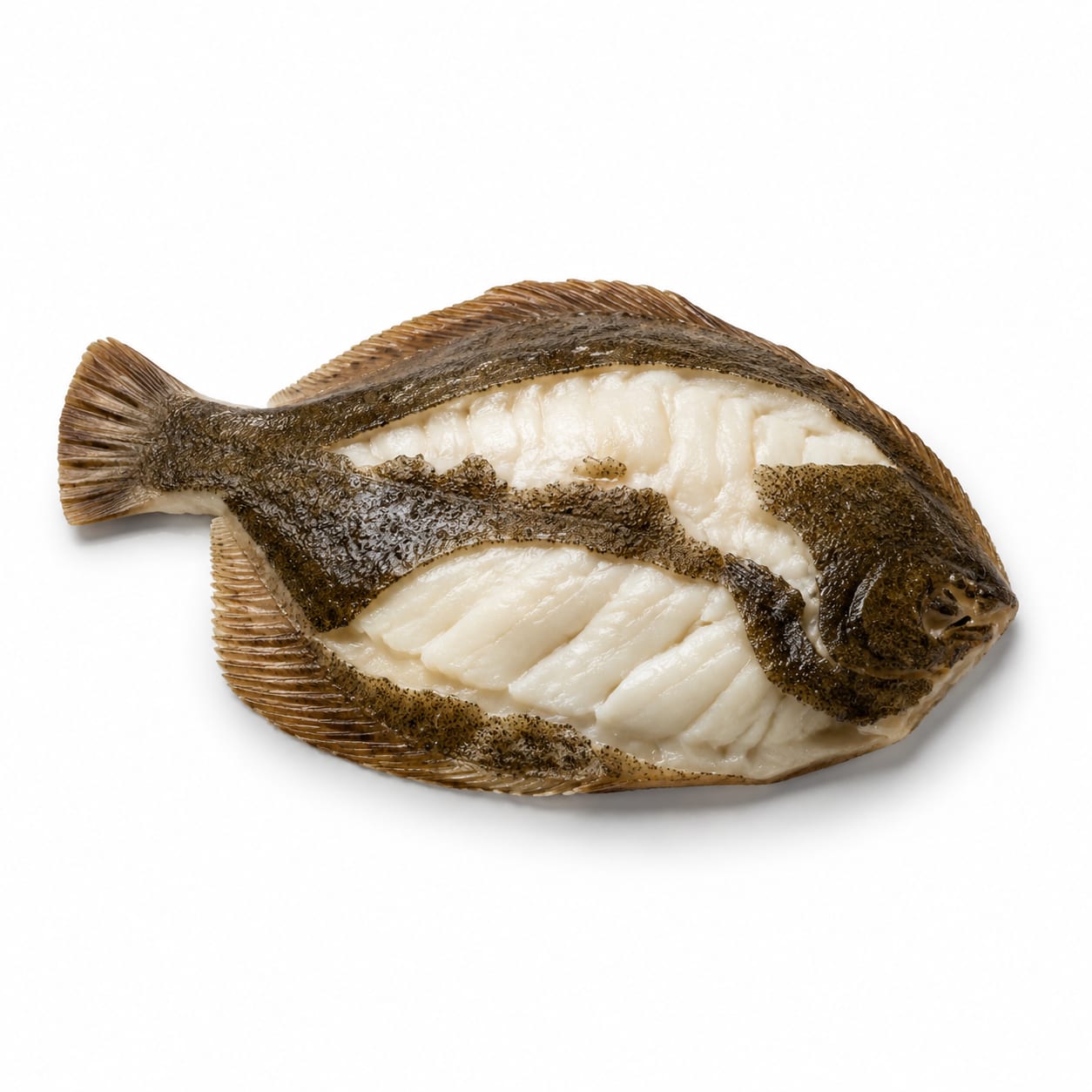
Flounder
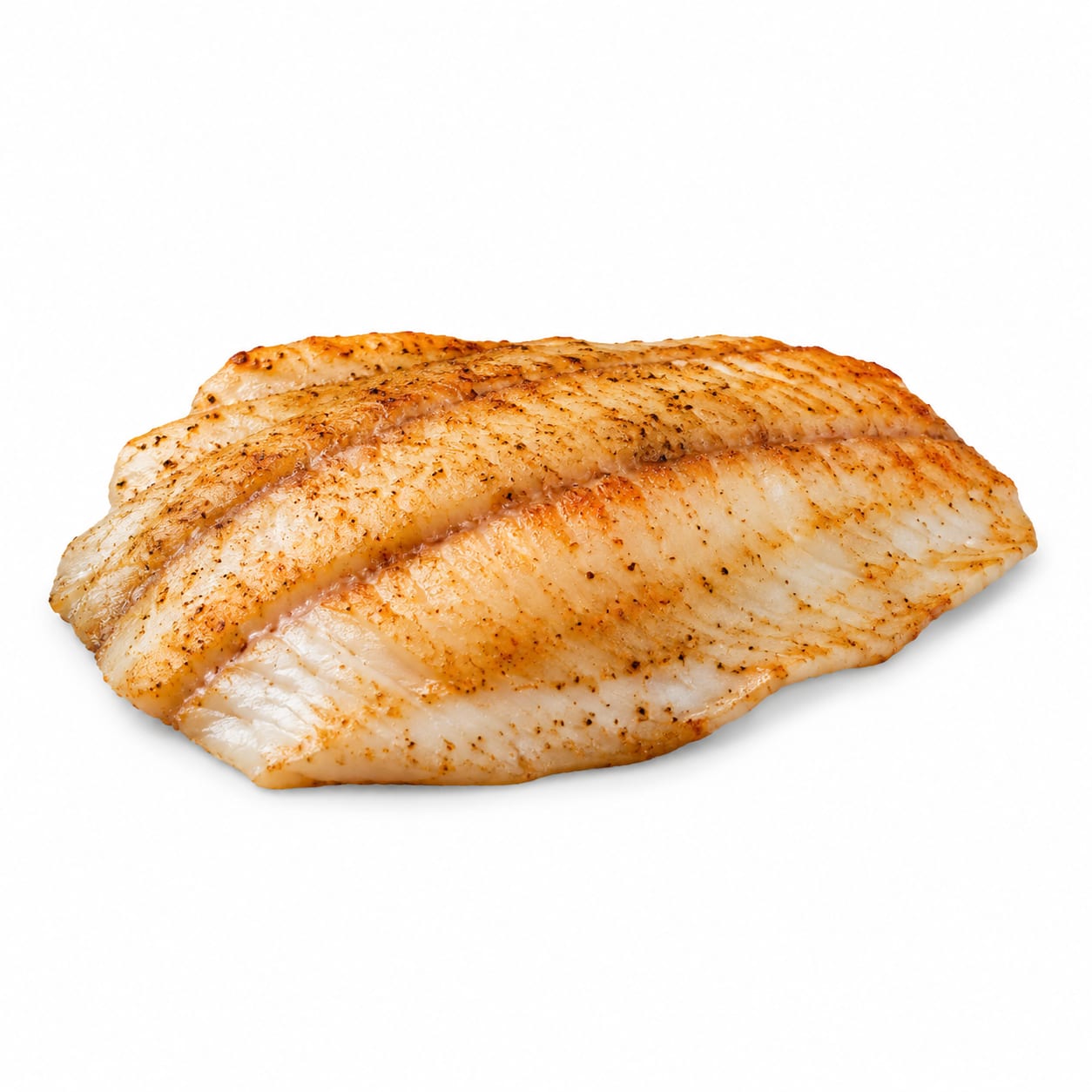
Tilapia
Flounder wins on nutritional purity and wild-caught quality, but Tilapia dominates on price and everyday accessibility.
Flounder scores higher due to its wild-caught nature and superior fatty acid profile, but Tilapia remains competitive because of its exceptional affordability and accessibility.
You trade the cleaner fat profile and wild-caught assurance of Flounder for the unbeatable convenience and low cost of Tilapia.
At a glance
Executive summary
Overall
It depends
Healthier
Flounder
More practical
Tilapia
Daily use
Tilapia
Key comparison lenses
Wild-caught vs farmed fish safety
Flounder is predominantly wild-caught while Tilapia is almost entirely farmed, raising distinct safety and purity concerns.
Budget-friendly lean protein comparison
Tilapia is famously cheap and accessible, making it a go-to lean protein, whereas Flounder is often pricier.
Omega-3 to Omega-6 ratio and inflammation
Farmed Tilapia is known for a less favorable omega-6 to omega-3 ratio compared to wild Flounder, which matters for inflammation.
Best choice for
Flounder
- Those prioritizing wild-caught seafood
- People managing inflammatory conditions
- Consumers wanting a cleaner omega-3 to omega-6 ratio
Tilapia
- Budget-conscious shoppers
- Families needing affordable lean protein
- Meal preppers looking for widely available fish
Least suitable for
Flounder
- Tight grocery budgets
- Those needing highly available, everyday fish options
Tilapia
- People strictly avoiding farmed seafood
- Those concerned about agricultural antibiotic exposure
Deep comparison
Dimension by dimension
Each lens scores both foods and breaks down who each option suits.
- Dimension 1 · Priority 95Flounder
Nutritional Profile & Fat Quality
Flounder · 82Tilapia · 65Flounder offers a more favorable omega-3 to omega-6 ratio, making it less potentially inflammatory than farmed Tilapia.
Tradeoff
Tilapia provides slightly more protein per serving, but its farmed diet skews its fats toward omega-6s.
Why it matters
A high omega-6 intake from farmed fish can counteract the anti-inflammatory benefits you expect from eating seafood.
Real-world impact
Choosing Flounder means your fish dinner actively fights inflammation, whereas Tilapia might not give you the anti-inflammatory boost you assume you are getting.
Flounder
- Reducing systemic inflammation
- Getting a cleaner fat profile from wild seafood
Better for
- Slightly lower total protein density compared to Tilapia
Worse for
Tilapia
- Slightly higher total protein intake per calorie
Better for
- Higher omega-6 levels that may not support heart health goals
Worse for
- Dimension 2 · Priority 90Flounder
Safety & Contamination Risk
Flounder · 88Tilapia · 68Wild-caught Flounder generally avoids the antibiotics and chemical exposures common in Tilapia aquaculture.
Tradeoff
While both are low-mercury fish, Tilapia's farmed origins introduce different risks like antibiotic residues and polluted water exposure.
Why it matters
Farmed seafood from poorly regulated regions can carry residues that affect gut health and antibiotic resistance.
Real-world impact
Eating Flounder gives you peace of mind about what the fish ate, while Tilapia requires careful label reading to ensure it comes from a reputable farm.
Flounder
- Avoiding antibiotic residues
- Lower risk of industrial pollutant exposure
Better for
- Wild ocean environments face microplastic exposure
Worse for
Tilapia
- Consistently low mercury levels regardless of source
Better for
- Risk of antibiotic and chemical exposure from intensive farming
Worse for
- Dimension 3 · Priority 85Tilapia
Affordability & Convenience
Flounder · 45Tilapia · 95Tilapia is one of the most affordable and widely available fish in the supermarket, making it an easy weekly staple.
Tradeoff
Flounder is often expensive and harder to find fresh, making it more of a special occasion purchase.
Why it matters
The best healthy food is the one you can actually afford and cook regularly without stress.
Real-world impact
Tilapia lets you put fish on the table for a family of four without breaking the bank, whereas Flounder might blow your grocery budget.
Flounder
- Premium feel for special occasion dinners
Better for
- High cost per pound
- Limited availability in standard stores
Worse for
Tilapia
- Feeding a family on a budget
- Finding fish at any standard grocery store
- Easy meal prep for the week
Better for
- Lacks the premium appeal for fine dining
Worse for
- Dimension 4 · Priority 70It depends
Culinary Versatility & Taste
Flounder · 80Tilapia · 78Flounder has a delicate, sweet flavor and flaky texture, while Tilapia is very mild and firm, making both versatile in different ways.
Tradeoff
Flounder is sublime when pan-fried or baked but falls apart easily; Tilapia is sturdy enough for grilling and strongly flavored sauces.
Why it matters
Texture and flavor dictate how you cook the fish and what meals it fits into.
Real-world impact
Use Flounder for elegant, delicate dishes like meunière, and Tilapia for fish tacos or heavily seasoned bakes where the fish needs to hold up.
Flounder
- Delicate gourmet preparations
- Mild, sweet flavor profiles
Better for
- Falls apart easily with rough handling
Worse for
Tilapia
- Hearty recipes like fish tacos
- Absorbing bold marinades and spices
Better for
- Can taste muddy or bland if not seasoned well
Worse for
Timeline
Health impact over time
Short-term
Hours to days
Flounder
- High-quality lean protein keeps you full without feeling heavy
- Very easy to digest due to low fat content
Tilapia
- Excellent post-workout protein source that is light on the stomach
- Quick to cook, making healthy dinners faster to get on the table
Long-term
Months to years
Flounder
- Better omega-3 intake supports long-term heart and brain health
- Lower exposure to farmed contaminants supports gut health
Tilapia
- Consistent lean protein intake aids weight maintenance
- Poor omega-6 to omega-3 ratio could slow inflammation improvement if eaten exclusively
Risk profile
Safety & processing
Both Flounder and Tilapia are typically sold as fresh or frozen fillets with minimal processing, though Tilapia is sometimes treated with carbon monoxide to preserve color, which is a minor concern to watch for on labels.
Flounder
Microplastics
lowAs a wild ocean fish, Flounder encounters microplastics, but levels are generally low in this species.
Overfishing bycatch
mediumSome Flounder fisheries have bycatch concerns, though U.S. caught varieties are well-managed.
Tilapia
Antibiotic residues
mediumIntensively farmed Tilapia, especially from certain overseas operations, may be treated with antibiotics that leave residues.
Industrial pollutants
mediumFarmed fish in crowded pens can be exposed to higher levels of agricultural runoff and local water pollution.
Who wins for whom
Audience fit
Same foods, different winners depending on your goal.
children
FlounderWild-caught Flounder avoids the antibiotic and farming chemical risks, making it a cleaner choice for developing bodies, while both are low in mercury.
daily consumption
TilapiaTilapia's low cost and wide availability make it much more realistic to eat several times a week without straining your budget.
diabetes
FlounderFlounder's better omega-3 profile helps improve insulin sensitivity more effectively than the omega-6 heavy profile of farmed Tilapia.
elderly
FlounderThe anti-inflammatory benefits of Flounder's fat profile are especially valuable for older adults managing joint and heart health.
muscle gain
TilapiaTilapia offers slightly more protein per serving, giving it a small edge for building muscle when eaten in larger quantities.
weight loss
It dependsBoth are extremely low in calories and fat, making either an excellent choice for weight loss as long as preparation methods stay lean.
Your move
Decision guide
Choose Flounder
- You want the cleanest possible fish with a wild-caught guarantee
- You are managing inflammation and care about your omega-3 to omega-6 ratio
- Budget is not your primary constraint
Choose Tilapia
- You need an affordable lean protein to eat multiple times a week
- You are making dishes with heavy seasonings or sauces where the fish flavor is secondary
- You can verify the Tilapia is sourced from well-regulated farms like those in the US or Ecuador
Either works if
- You just want a low-calorie, low-mercury white fish for a light dinner
- You plan to bake or steam the fish with a squeeze of lemon
Avoid both if
- You are looking for a high-omega-3 fish like Salmon or Mackerel
- You have a strong aversion to mild, white fish
Final recommendation
Choose Flounder when quality and purity are your top priorities, especially for managing inflammation. Opt for Tilapia when you need a budget-friendly, everyday protein, but always check the packaging to ensure it was raised in a responsible, well-regulated environment.
Practical
Consumer tips
- 1
Look for country of origin labels on Tilapia; fish from the US, Canada, or Ecuador generally have stricter farming standards.
- 2
If buying frozen Tilapia, avoid fillets that look unnaturally bright white or pink, as they may be treated with carbon monoxide to preserve color.
- 3
When cooking Flounder, handle gently and use wide spatulas to keep the delicate fillets from breaking apart.
- 4
Boost the omega-3 content of a Tilapia meal by drizzling it with high-quality olive oil or serving it alongside chia seeds.