
Nutrition comparison
Flounder vs Salmon: Which Fish Is Healthier for You?
Compare Flounder and Salmon on omega-3s, calories, mercury, and nutrition. Find out which fish fits your health goals, budget, and lifestyle best.
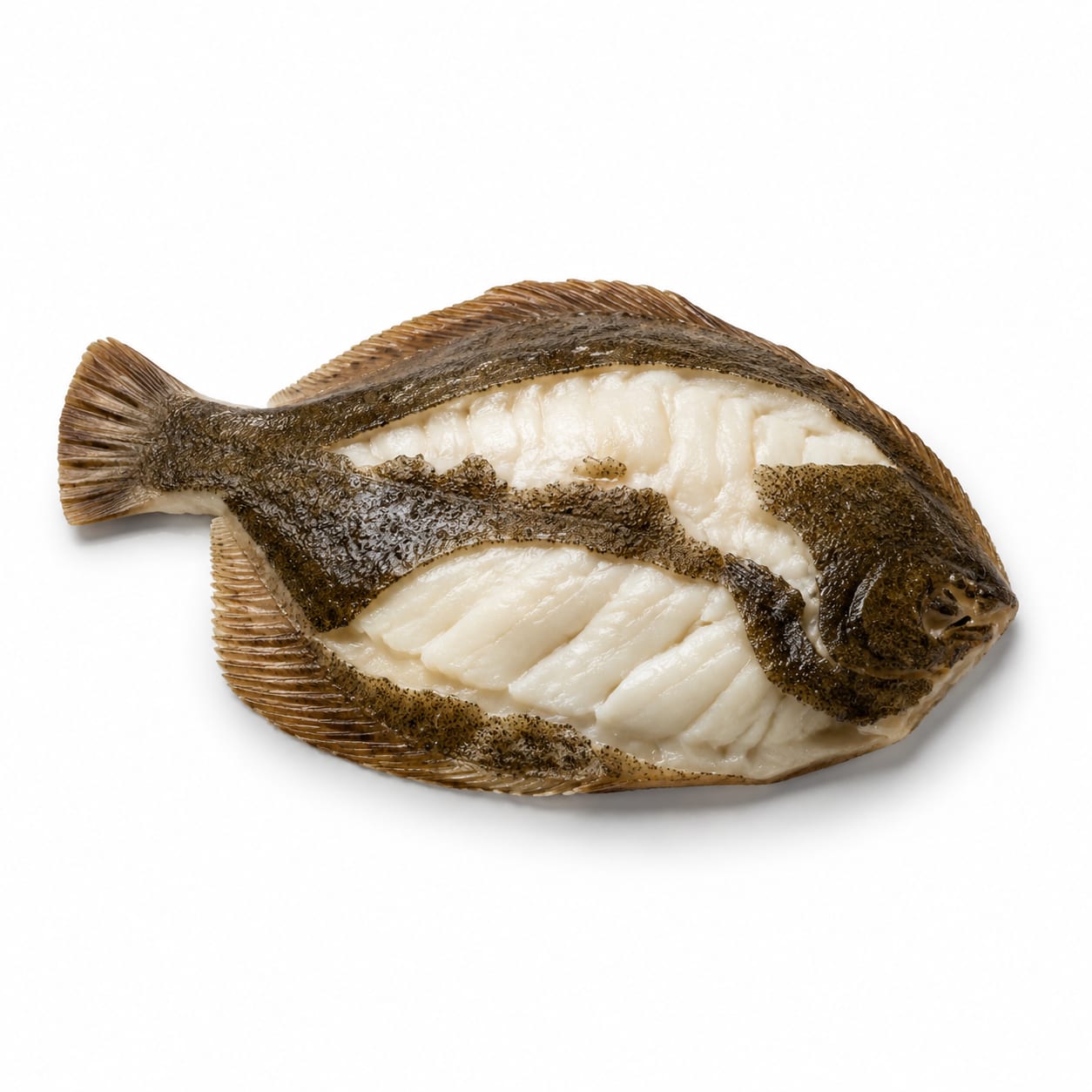
Flounder
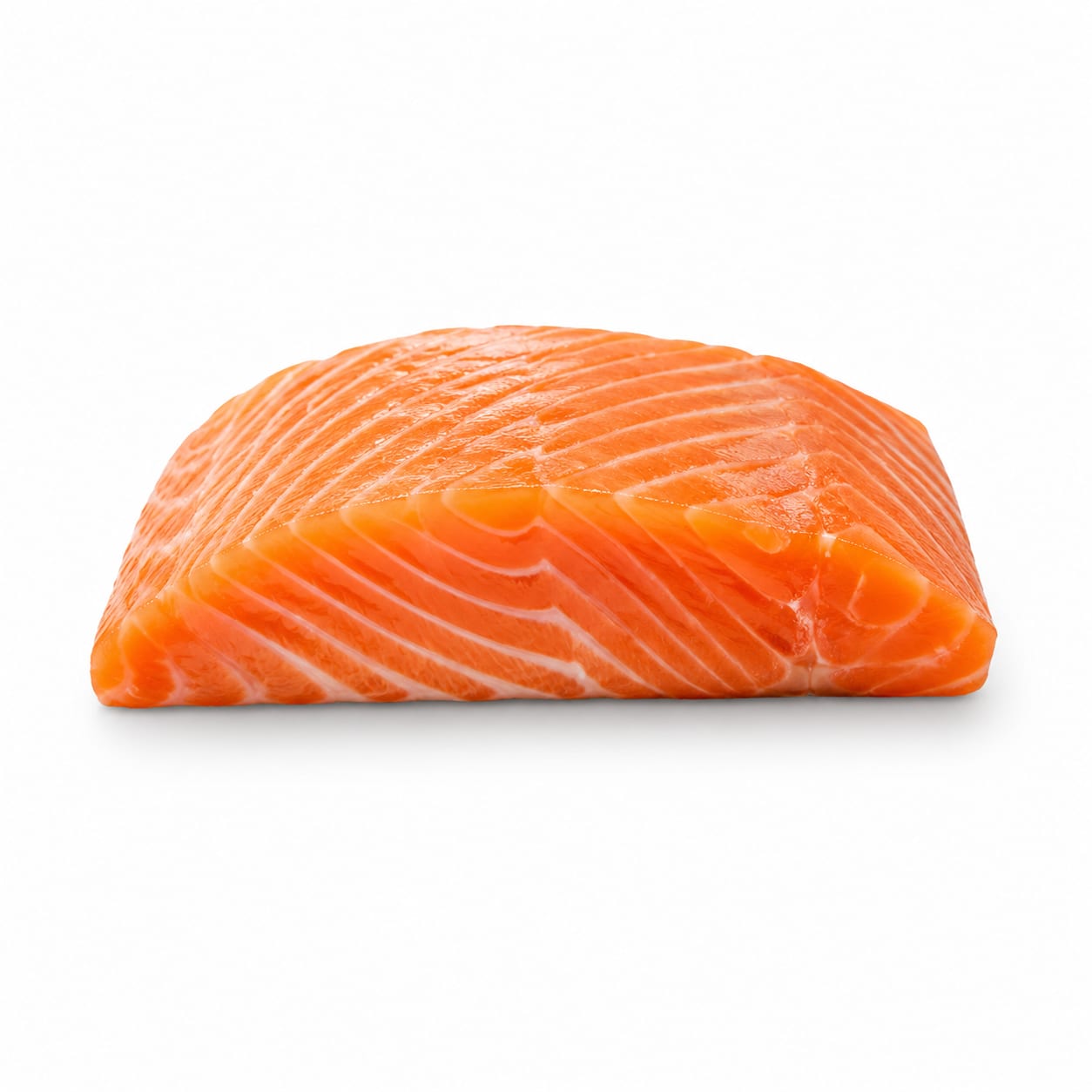
Salmon
Salmon dominates for omega-3s and nutrient density, but Flounder wins for low-calorie lean protein and lower contaminant risk.
Salmon scores higher overall due to superior omega-3 content, vitamin D, and nutrient density. Flounder remains a solid lean protein choice but lacks the healthy fats that give Salmon its health edge.
You choose between Salmon's powerful healthy fats and Flounder's lighter, cleaner protein profile with fewer calories.
At a glance
Executive summary
Overall
It depends
Healthier
Salmon
More practical
Flounder
Daily use
It depends
Key comparison lenses
omega-3 and heart health comparison
The single biggest difference between these fish is omega-3 content, which drives heart and brain health decisions
calorie and macronutrient tradeoff
Flounder is very lean while salmon is fatty — users need to understand when each profile is advantageous
contaminant and mercury safety
Both are seafood, so heavy metals, PCBs, and farming practices matter for regular consumption
weight management suitability
Lean vs fatty fish creates a clear calorie difference that matters for dieting
budget and accessibility
Salmon is typically more expensive, which affects how often people can realistically eat it
Best choice for
Flounder
- People counting calories who want lean protein
- Those concerned about mercury and PCB exposure
- Anyone finding salmon too rich or heavy
- Budget-conscious weekly meal planners
Salmon
- Heart health and cardiovascular protection
- Brain health and cognitive function support
- Getting adequate omega-3s without supplements
- Anti-inflammatory dietary goals
Least suitable for
Flounder
- Anyone relying on food alone for omega-3 intake
- Those needing calorie-dense meals or weight gain
- People seeking strong-flavored, satisfying fish
Salmon
- Strict calorie counters wanting maximum volume
- Those avoiding higher-mercury or farmed fish risks
- Budget-limited households needing frequent fish meals
Deep comparison
Dimension by dimension
Each lens scores both foods and breaks down who each option suits.
- Dimension 1 · Priority 95Salmon
omega-3 fatty acids
Flounder · 15Salmon · 95Salmon delivers roughly 10-20x more omega-3s than Flounder, making it one of the best dietary sources available.
Tradeoff
Flounder's leanness means almost no omega-3s, so you would need to get these essential fats elsewhere.
Why it matters
Omega-3s reduce inflammation, protect your heart, and support brain function. Most people don't get enough.
Real-world impact
Eating Salmon twice a week can meaningfully improve your omega-3 status. Eating Flounder that often won't move the needle.
Flounder
- Anyone not supplementing omega-3s elsewhere
- People with inflammatory conditions
Worse for
Salmon
- Heart disease prevention
- Brain health and memory
- Joint inflammation reduction
- Reducing triglycerides
Better for
- Dimension 2 · Priority 80Flounder
calorie efficiency and leanness
Flounder · 90Salmon · 55Flounder provides high protein with minimal calories and almost no fat, making it ideal for lean diets.
Tradeoff
Salmon's healthy fats add calories, which is great for some goals but not for strict calorie restriction.
Why it matters
If you are cutting calories, Flounder lets you eat a satisfying portion without the fat calorie load.
Real-world impact
A 6oz Flounder fillet has roughly 150 calories. The same portion of Salmon has 280-350 calories.
Flounder
- Weight loss diets
- Lean muscle definition phases
- Large portion eaters watching calories
Better for
- People needing calorie-dense meals
- Those who find lean fish unsatisfying
Worse for
Salmon
- Weight gain or maintenance needs
- Keto and low-carb diets
- Endurance athletes needing calorie density
Better for
- Strict calorie restriction plans
- Those who feel heavy after fatty meals
Worse for
- Dimension 3 · Priority 75Salmon
nutrient density beyond omega-3s
Flounder · 50Salmon · 88Salmon packs more vitamin D, B12, selenium, and astaxanthin per serving than Flounder.
Tradeoff
Flounder still provides solid protein and some B vitamins but cannot match Salmon's micronutrient richness.
Why it matters
Vitamin D deficiency is widespread, and Salmon is one of the few natural food sources that delivers meaningful amounts.
Real-world impact
A single Salmon serving can provide your full daily vitamin D target. Flounder offers almost none.
Flounder
- Those relying on food for vitamin D
- People with B12 deficiency concerns
Worse for
Salmon
- Vitamin D supplementation through food
- B12 support for energy
- Antioxidant intake from astaxanthin
Better for
- Dimension 4 · Priority 75Flounder
contaminant and mercury safety
Flounder · 82Salmon · 60Flounder generally carries lower mercury and fewer PCB concerns than Salmon, especially farmed Salmon.
Tradeoff
Wild Salmon has moderate mercury but higher PCB risk depending on source. Farmed Salmon raises additional concerns about antibiotics and contaminants.
Why it matters
If you eat fish multiple times weekly, cumulative contaminant exposure becomes a real consideration.
Real-world impact
Flounder is a low-mercury fish safe for frequent consumption. Salmon is moderate and best limited to 2-3 servings per week.
Flounder
- Pregnant women seeking low-mercury fish
- Frequent fish eaters minimizing cumulative exposure
- Those avoiding farmed fish antibiotics
Better for
Salmon
- Pregnant women needing to monitor mercury carefully
- People eating fish 4+ times weekly
Worse for
- Dimension 5 · Priority 65Salmon
satiety and meal satisfaction
Flounder · 55Salmon · 85Salmon's fat content makes meals more filling and satisfying, reducing the urge to snack later.
Tradeoff
Flounder is lighter and less filling, which can be either refreshing or unsatisfying depending on your needs.
Why it matters
Meals that actually satisfy you prevent overeating and late-night snacking better than portion control alone.
Real-world impact
A Salmon dinner tends to keep you full for hours. Flounder may leave you reaching for a snack sooner.
Flounder
- Light lunch eaters who dislike feeling heavy
- Hot weather meals where richness feels unpleasant
Better for
- People who feel hungry soon after lean meals
Worse for
Salmon
- Dinner meals needing staying power
- Post-workout recovery eating
- Anyone prone to evening snacking
Better for
- Those who feel sluggish after rich meals
Worse for
- Dimension 6 · Priority 60Flounder
budget and practicality
Flounder · 78Salmon · 50Flounder is generally more affordable and easier to find as a consistent, budget-friendly option.
Tradeoff
Quality wild Salmon is expensive and sometimes seasonal, while farmed Salmon is cheaper but raises health tradeoffs.
Why it matters
The best fish for you is the one you can actually afford to eat regularly.
Real-world impact
Flounder often costs $8-14 per pound. Wild Salmon can run $15-30+ per pound depending on source and season.
Flounder
- Weekly meal prep on a budget
- Families needing affordable fish options
- Consistent availability year-round
Better for
Salmon
- Budget-limited households
- Those wanting fish more than twice weekly
Worse for
Timeline
Health impact over time
Short-term
Hours to days
Flounder
- Light, clean energy without heaviness after eating
- Quick-digesting protein suitable before or after workouts
- Minimal digestive discomfort due to low fat content
Salmon
- Longer-lasting fullness and satisfaction after meals
- Steadier energy from balanced protein and fat
- Possible mild digestive heaviness if you are unused to fatty fish
Long-term
Months to years
Flounder
- Consistent lean protein intake supporting muscle maintenance
- Lower omega-3 intake unless supplemented through other sources
- Reduced cumulative contaminant exposure with frequent consumption
Salmon
- Meaningfully lower cardiovascular disease risk from regular omega-3 intake
- Better cognitive aging and potential mood benefits
- Possible contaminant accumulation if eating farmed Salmon too frequently
Risk profile
Safety & processing
Both Flounder and Salmon are whole, minimally processed foods when purchased fresh or frozen. Farmed Salmon may involve antibiotic use and artificial coloring additives, which is less of a concern with wild-caught Salmon or Flounder.
Flounder
Mercury exposure
lowFlounder is classified as a low-mercury fish, safe for frequent consumption including during pregnancy.
Overfishing and sustainability
mediumSome Flounder populations are overfished depending on region. Look for MSC-certified sources.
Salmon
PCB and dioxin contamination
mediumFarmed Salmon can contain higher levels of PCBs and dioxins stored in its fat. Wild Salmon has lower risk.
Mercury exposure
mediumSalmon is moderate in mercury. Safe at 2-3 servings per week but not ideal for daily consumption.
Antibiotic and dye concerns in farmed Salmon
mediumFarmed Salmon may be treated with antibiotics and fed artificial pigments to achieve pink color. Wild Salmon avoids both issues.
Who wins for whom
Audience fit
Same foods, different winners depending on your goal.
children
FlounderFlounder's low mercury makes it safer for kids, and its mild flavor is more appealing to picky eaters.
daily consumption
FlounderLower mercury and contaminant levels make Flounder safer to eat more frequently throughout the week.
diabetes
SalmonSalmon's healthy fats improve insulin sensitivity and slow digestion, stabilizing blood sugar better than lean fish alone.
elderly
SalmonSalmon's omega-3s protect against cognitive decline and joint inflammation, both key concerns with aging.
muscle gain
SalmonSalmon provides more protein per serving along with anti-inflammatory omega-3s that support recovery.
weight loss
FlounderFlounder's low calorie and fat content lets you eat larger portions while staying in a deficit.
Your move
Decision guide
Choose Flounder
- You are counting calories and want maximum protein with minimal fat
- You eat fish 3+ times per week and want to limit cumulative mercury exposure
- You prefer mild-tasting fish that takes on seasoning well
- You are feeding children who need low-mercury options
- Wild Salmon is out of your budget and you want to avoid farmed fish concerns
Choose Salmon
- Heart health and omega-3 intake are top priorities for you
- You want a single food that covers protein, healthy fats, and vitamin D
- You eat fish 1-2 times per week and want maximum nutritional impact per serving
- You follow a keto or low-carb diet and benefit from natural fat sources
- You want a more filling, satisfying fish dinner that prevents late snacking
Either works if
- You simply want a clean protein source and get omega-3s from supplements or other foods
- You rotate fish types throughout the week for variety and balanced exposure
- You are cooking for a group with mixed taste preferences
Avoid both if
- You have a fish or seafood allergy
- You are strictly vegan or vegetarian
- You cannot verify the source and have high contaminant sensitivity
Final recommendation
Eat Salmon when you want the nutritional powerhouse — its omega-3s, vitamin D, and satiety make it the stronger health choice per serving. Choose Flounder when you need something lighter, leaner, safer for frequent eating, or easier on the wallet. The smartest approach is rotating both: Salmon 1-2 times weekly for omega-3s, Flounder on other fish days for lean protein with lower contaminant risk.
Practical
Consumer tips
- 1
Choose wild-caught Salmon when possible to avoid antibiotics, dyes, and higher PCB levels found in farmed varieties
- 2
Flounder's mild flavor makes it ideal for marinades, herbs, and citrus — it absorbs seasoning beautifully
- 3
If buying farmed Salmon, look for certifications like ASC or BAP that indicate better farming practices
- 4
Freeze fresh fish immediately if not cooking within a day to preserve quality and safety
- 5
Canned Salmon with bones is an affordable, shelf-stable way to get omega-3s and calcium on a budget
- 6
Flounder cooks very quickly due to its low fat — overcooking makes it dry, so watch it closely