
Nutrition comparison
Flounder vs Sole: Which Flatfish Is Healthier, Safer, and Better Value?
Compare Flounder and Sole nutrition, mercury levels, taste, price, and sustainability. Find out which lean white fish is the smarter choice for your health and budget.
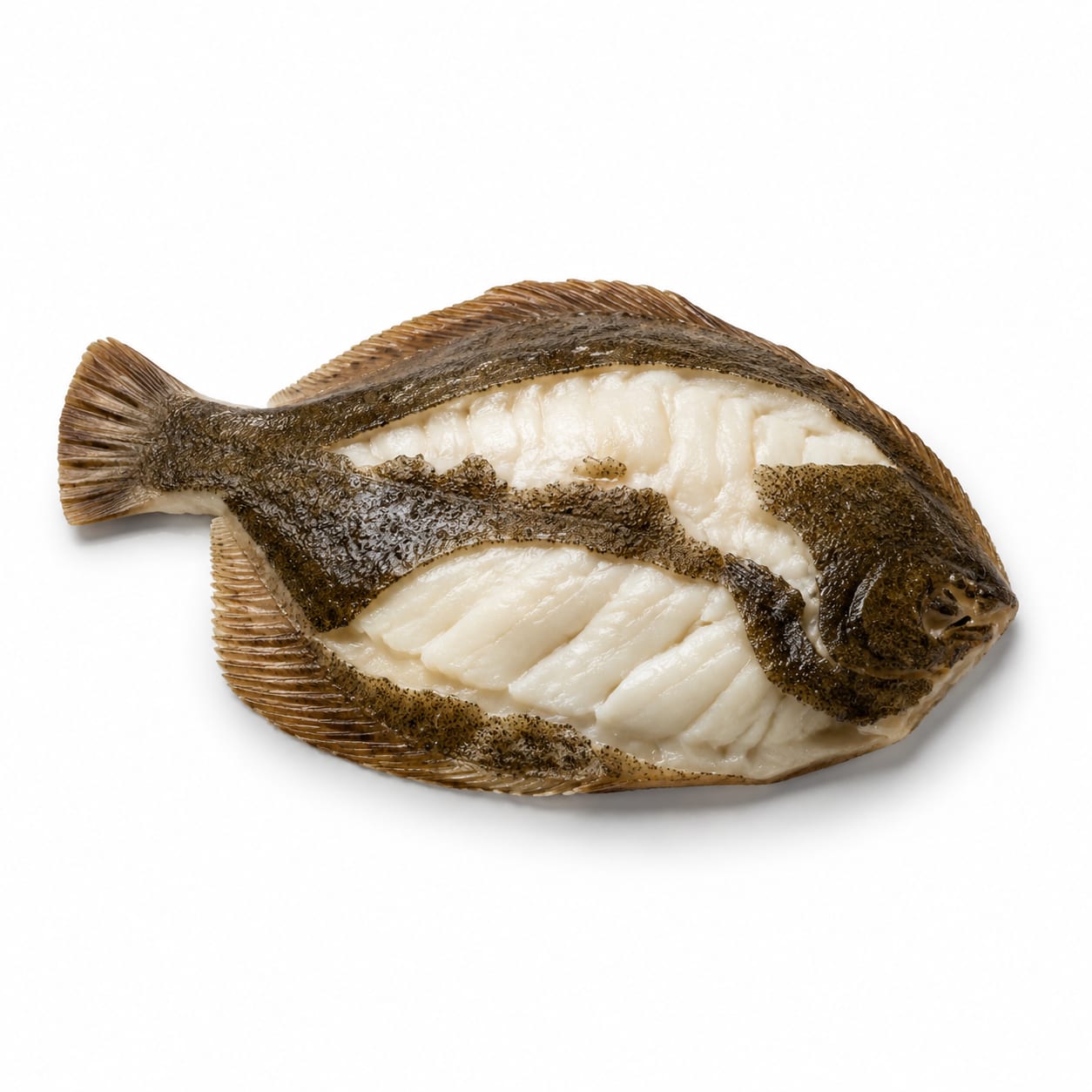
Flounder
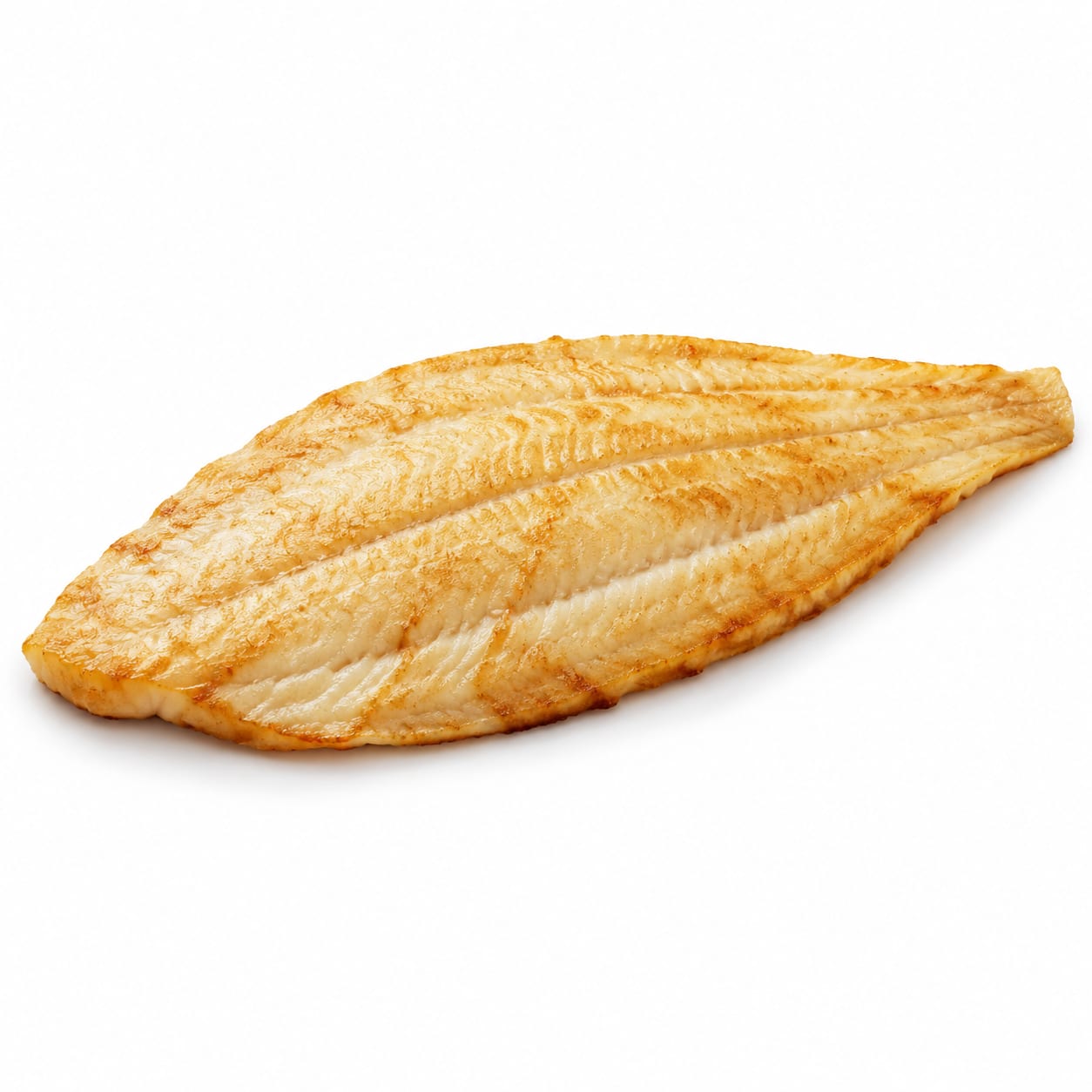
Sole
Flounder and Sole are nutritionally near-identical lean white fish. The real decision comes down to taste preference, budget, and which specific species is sustainably sourced near you.
Flounder edges ahead slightly on practicality and value while matching Sole nutritionally. Sole scores a touch lower only because its premium price delivers marginal culinary benefit for everyday eating. Both are strong choices.
Sole offers a more refined, delicate texture at a higher price, while Flounder delivers nearly the same nutrition for less money and wider availability.
At a glance
Executive summary
Overall
It depends
Healthier
It depends
More practical
Flounder
Daily use
Flounder
Key comparison lenses
Choosing the healthier lean white fish for regular meals
Both are mild flatfish often swapped at dinner, so nutritional differences matter for weekly meal planning
Mercury and contamination safety for frequent seafood consumption
Eating fish multiple times per week raises valid concerns about heavy metal accumulation
Value and taste tradeoff between similar flatfish
Sole commands a premium price and diners want to know if the upgrade is worth it
Sustainability and ocean impact of flatfish choices
Both species face overfishing pressure in certain regions, influencing ethical purchasing decisions
Best choice for
Flounder
- Budget-conscious weeknight dinners
- Families wanting affordable lean protein
- Recipes where fish is breaded or heavily sauced
- People who prefer slightly firmer texture
Sole
- Special occasion meals where delicacy matters
- Classic preparations like sole meunière
- Diners who prize subtle, sweet flavor
- Those willing to pay more for a refined eating experience
Least suitable for
Flounder
- High-end dinner parties where presentation and prestige matter
- Dishes requiring paper-thin fillets
Sole
- Tight grocery budgets
- Casual fish taco night where delicacy gets lost
- Large family meals where cost per portion adds up fast
Deep comparison
Dimension by dimension
Each lens scores both foods and breaks down who each option suits.
- Dimension 1 · Priority 90It depends
Protein Quality and Content
Flounder · 78Sole · 80Both deliver excellent lean protein with all essential amino acids. Sole has a slight edge in protein density per calorie.
Tradeoff
Sole packs marginally more protein per ounce, but the difference is small enough that portion size matters more than species choice.
Why it matters
For hitting daily protein targets, either fish works well. The gap between them won't make or break your macros.
Real-world impact
A 6-ounce Sole fillet gives you roughly 1-2 extra grams of protein compared to the same size Flounder — barely noticeable in daily intake.
Flounder
- Larger portion eaters who want more volume for fewer calories
Better for
- Those counting every gram of protein per ounce
Worse for
Sole
- Precision macro-trackers squeezing every gram of protein per calorie
Better for
- Anyone expecting a dramatically higher protein hit — the edge is slim
Worse for
- Dimension 2 · Priority 88Flounder
Mercury and Contamination Safety
Flounder · 82Sole · 75Flounder generally tests slightly lower for mercury than Sole, though both rank as low-mercury fish compared to tuna or swordfish.
Tradeoff
Sole, especially Dover sole from certain European waters, can carry marginally higher contaminant loads depending on sourcing.
Why it matters
If you eat white fish 2-3 times weekly, even small mercury differences accumulate over months and years.
Real-world impact
Both are safe for 2-3 servings per week, but Flounder gives slightly more headroom for pregnant women or children who also eat other seafood.
Flounder
- Pregnant women adding fish to their diet
- Parents serving fish to young children
- People eating white fish 3+ times per week
Better for
Sole
- Occasional diners for whom mercury accumulation is negligible
Better for
- Heavy seafood eaters who already consume fish daily and need to minimize every mercury source
Worse for
- Dimension 3 · Priority 82Sole
Calorie Density and Leanness
Flounder · 79Sole · 83Sole is slightly leaner with fewer calories per ounce, making it one of the lowest-calorie protein sources available.
Tradeoff
Sole's extreme leanness means less satiety from fat — you may feel hungry sooner after eating it compared to slightly richer Flounder.
Why it matters
For strict calorie counting, Sole wins. For staying full longer, Flounder's tiny bit of extra fat actually helps.
Real-world impact
A Sole dinner might leave you reaching for a snack an hour earlier than a Flounder dinner would.
Flounder
- People who find very lean fish unsatisfying
- Those preferring longer-lasting fullness between meals
Better for
- Competitive bodybuilders in deep calorie deficits
Worse for
Sole
- Strict calorie counters in a cutting phase
- Anyone prioritizing the lowest possible calorie density
Better for
- People prone to post-meal hunger with very lean proteins
Worse for
- Dimension 4 · Priority 76Sole
Culinary Versatility and Taste
Flounder · 72Sole · 85Sole is prized by chefs for its sweet, delicate flavor and fine texture that elevates simple preparations.
Tradeoff
Sole's delicacy means it can easily overcook and fall apart, while Flounder's slightly firmer texture is more forgiving for home cooks.
Why it matters
If you're an experienced cook making elegant dishes, Sole rewards skill. For weeknight pan-frying, Flounder is harder to ruin.
Real-world impact
Overcooked Sole becomes mushy and disappointing. Flounder holds up better to less precise cooking times.
Flounder
- Beginner home cooks wanting forgiving fish
- Breading and frying applications
- Fish tacos and casual preparations
Better for
- Refined dinner parties where the fish is the star
Worse for
Sole
- Experienced cooks highlighting the fish itself
- Elegant French-style preparations
- Serving to seafood enthusiasts who notice subtlety
Better for
- Distracted weeknight cooking where timing isn't perfect
- Heavy sauces that mask Sole's delicate flavor anyway
Worse for
- Dimension 5 · Priority 80Flounder
Value and Accessibility
Flounder · 88Sole · 60Flounder is significantly more affordable and widely available, especially in North America.
Tradeoff
Dover sole imports command premium prices, and true Dover sole can be hard to find outside specialty fish markets.
Why it matters
For regular fish consumption, cost determines whether you actually keep eating it weekly or it becomes a rare treat.
Real-world impact
Flounder often costs 40-60% less per pound than Dover sole, making it realistic for twice-weekly meals on a normal grocery budget.
Flounder
- Weekly meal preppers on a budget
- Families feeding multiple people
- Anyone outside major coastal cities with limited fish market access
Better for
Sole
- Special occasions where cost is secondary
- Cooking for one or two where the per-meal cost stays manageable
Better for
- Households where fish at premium prices becomes a rare purchase
- Anyone trying to build a consistent seafood-eating habit affordably
Worse for
- Dimension 6 · Priority 72Flounder
Omega-3 and Healthy Fats
Flounder · 68Sole · 62Neither fish is an omega-3 powerhouse — both are very lean. Flounder contains marginally more total fat including omega-3s.
Tradeoff
If you're eating flatfish specifically for omega-3s, you're choosing the wrong category entirely. Salmon or sardines deliver 10-20x more.
Why it matters
People sometimes assume all fish are rich in omega-3s. These flatfish are not, and relying on them for healthy fats will leave you short.
Real-world impact
You'd need to eat over 3 pounds of either fish to match the omega-3s in a single serving of salmon.
Flounder
- Getting a tiny bit more omega-3 as a bonus alongside other sources
Better for
- Anyone counting on Flounder as a meaningful omega-3 source
Worse for
Sole
- People assuming Sole provides significant healthy fats
Worse for
Timeline
Health impact over time
Short-term
Hours to days
Flounder
- Light, easy-to-digest protein that sits comfortably after eating
- Very low risk of digestive upset even with sensitive stomachs
- Mild flavor won't trigger nausea in fish-averse eaters
Sole
- Extremely light meal that won't cause sluggishness
- Delicate texture is gentle on digestion
- May leave you hungry sooner due to minimal fat content
Long-term
Months to years
Flounder
- Consistent lean protein supports muscle maintenance with minimal saturated fat
- Low mercury profile allows safe regular consumption for years
- Will not meaningfully move the needle on omega-3 intake without supplementation or other fish
Sole
- Excellent long-term option for heart-healthy low-calorie eating patterns
- Very low calorie density supports sustainable weight management
- Marginal mercury concerns with some sole species warrant checking sourcing if eating frequently
Risk profile
Safety & processing
Both Flounder and Sole are typically sold as fresh or frozen whole fillets with no additives. Watch out for pre-breaded or frozen prepared versions, which add sodium, preservatives, and refined carbs that undermine the natural leanness.
Flounder
Parasitic worms
mediumLike all wild flatfish, Flounder can carry parasites. Freezing at -4°F for 7 days or cooking to 145°F eliminates this risk entirely.
Microplastic exposure
lowBottom-dwelling fish may ingest microplastics from sediment, though levels in Flounder remain well below thresholds of concern.
Sole
Mercury accumulation in certain species
mediumDover sole from the English Channel and Mediterranean can test higher for mercury than Flounder. Lemon sole is generally lower. Check regional advisories.
Mislabeling at retail
mediumSole is frequently mislabeled — cheaper flatfish get sold as Dover sole. This means you may pay premium prices for regular Flounder anyway.
Parasitic worms
mediumSame concern as Flounder. Proper freezing or thorough cooking resolves this completely.
Who wins for whom
Audience fit
Same foods, different winners depending on your goal.
children
FlounderFlounder's lower mercury profile and milder, slightly firmer texture make it a safer and more kid-friendly option.
daily consumption
FlounderBetter value, wider availability, and slightly lower mercury make Flounder more realistic as a regular staple.
diabetes
It dependsBoth have essentially zero carbs and won't spike blood sugar. The choice is irrelevant for glycemic control.
elderly
FlounderFlounder's slightly softer texture when cooked and lower contaminant profile suit older adults who need gentle protein with minimal risk.
muscle gain
SoleMarginally higher protein per calorie makes Sole slightly more efficient, but you'd need to eat a lot of either to hit bodybuilding protein targets.
weight loss
SoleSole's slightly lower calorie density gives it a narrow edge for strict calorie deficits, though both are excellent choices.
Your move
Decision guide
Choose Flounder
- You want the best value for regular fish meals
- You're feeding a family and cost per portion matters
- You're pregnant, nursing, or serving fish to young children
- You're a casual home cook who values forgiving preparation
- Your local fish counter stocks Flounder but not true Dover sole
Choose Sole
- You're cooking a special meal where the fish is the centerpiece
- You have access to genuine, fresh Dover sole from a trusted source
- You're an experienced cook who can handle delicate fish without overcooking
- Budget is not a constraint and you want the most refined eating experience
- You're in a calorie-cutting phase and want maximum protein per calorie
Either works if
- You're adding lean protein to a salad or grain bowl where the fish isn't the star
- You're breading and frying — the delicacy difference disappears
- You eat fish only occasionally and mercury accumulation is not a concern
- You're pairing with a rich sauce that masks subtle flavor differences
Avoid both if
- You have a fish or shellfish allergy
- You're specifically seeking high omega-3 intake — choose salmon, sardines, or mackerel instead
- You can only find pre-breaded frozen versions loaded with sodium and fillers
- You live far from reliable fresh fish sources and frozen quality is poor in your area
Final recommendation
For most people eating fish a couple of times per week, Flounder is the smarter everyday choice — it delivers nearly identical nutrition at a better price with slightly lower mercury risk. Save Sole for occasions when you want to splurge on something special, and make sure you're getting genuine Dover sole from a fishmonger you trust, not mislabeled Flounder at a premium.
Practical
Consumer tips
- 1
Ask your fish counter specifically whether 'sole' is Dover sole or lemon sole — they're different fish with different price points and mercury profiles
- 2
If the sole price seems too good to be true, it's probably Flounder or another flatfish mislabeled — buy from reputable sources
- 3
Frozen-at-sea Flounder fillets often beat 'fresh' fish that's been sitting on ice for days in both quality and safety
- 4
Both fish benefit from simple preparations — pan-sear with butter, lemon, and capers rather than heavy breading that wastes their natural leanness
- 5
Pair either fish with a side of olive oil-dressed vegetables or avocado to add the healthy fats these lean fish lack
- 6
Check Seafood Watch for current sustainability ratings in your region — both species have overfished populations in certain areas