
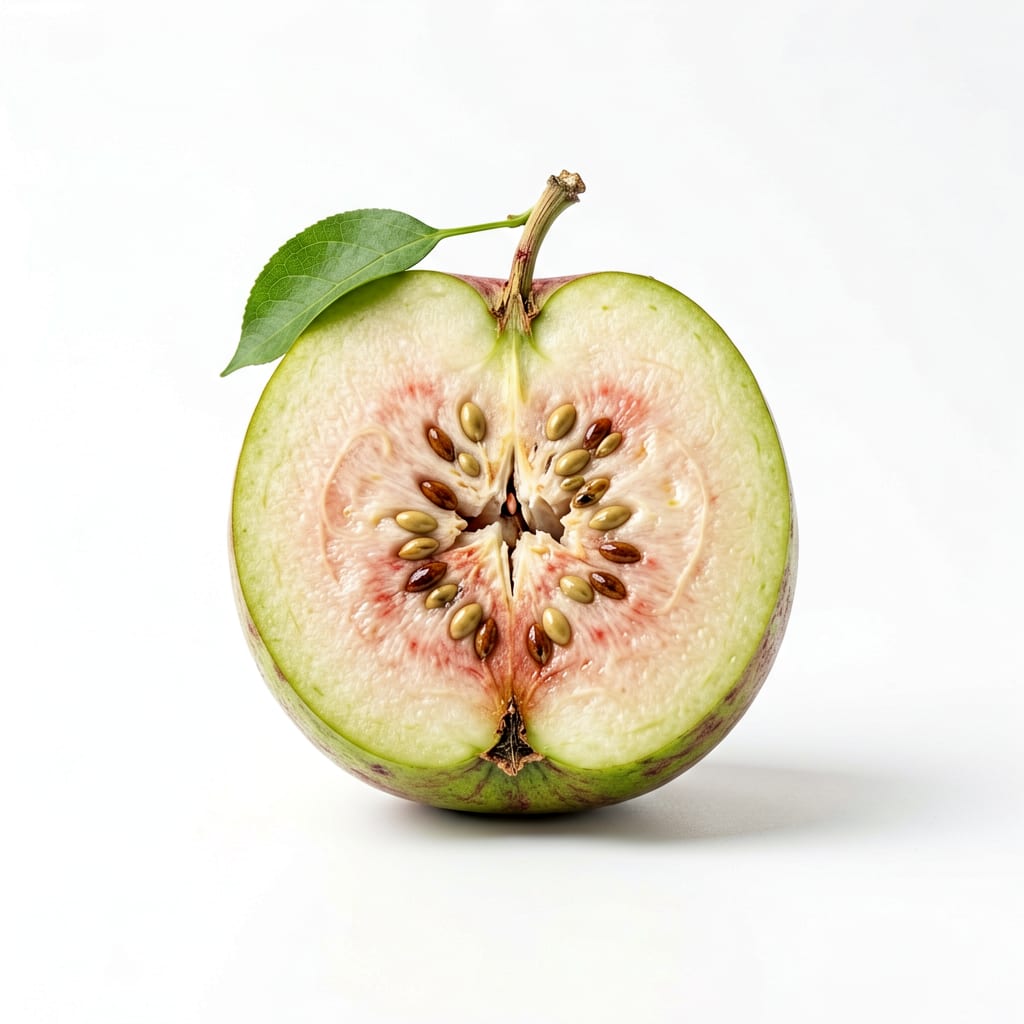
Fruit
Fig
A sweet, fiber-rich fruit with a soft texture and edible seeds, often enjoyed fresh or dried.
A teardrop-shaped fruit with a soft fleshy interior packed with tiny edible seeds, known for its sweet flavor and chewy texture.
moderate-calorie high-fiber fruit
Typical serving · 60g
Common varieties · Black Mission, Brown Turkey, Calimyrna, Kadota, Adriatic
Overall context score across nutrition, safety, and diet fit
At a glance
Quick facts
Simple indicators based on nutrition, processing, and diet fit.
The story
What makes it unique
Figs are moderate-glycemic fruits containing simple sugars (glucose and fructose) alongside dietary fiber, which slows digestion and moderates the glycemic response. They provide moderate satiety due to their fiber and water content but are less filling than lower-sugar, high-fiber fruits. As a whole, unprocessed plant food, their cellular structure remains intact, optimizing nutrient bioavailability.
Varieties: Black Mission · Brown Turkey · Calimyrna · Kadota · Adriatic
Per 100g
Nutrition breakdown
Macro balance and key metrics at a glance.
Energy
Density 0.74 kcal/g
Protein
Carbs
Fat
Fiber
Sugar
16 g
Sodium
1 mg
Potassium
232 mg
Glycemic index
61
Glycemic load
16
Water content
79.1%
Standout compounds
Nutrient highlights
Fiber
moderatepromotes digestive regularity and gut health
Potassium
moderatesupports healthy blood pressure and fluid balance
Calcium
lowcontributes to bone health and muscle function
Vitamin K
lowessential for blood clotting and bone metabolism
Antioxidants
moderatecombats oxidative stress and reduces inflammation
Wellness map
Health scores & processing
NOVA processing scale
minimally processed · Whole food
Fresh figs are whole, unprocessed fruits harvested directly from the tree with no added ingredients.
Diet compatibility
- Weight loss
- Muscle gain
- Diabetes
- Gut health
- Low carb
- High protein
- Heart health
Relative standing
Food rankings
Qualitative ranks compared to similar whole foods.
- Satietygood
- Blood sugarmoderate
- Nutrient densitygood
- Fitness fuelgood
- Processing qualityexcellent
Eat with confidence
Food safety profile
Fresh figs have a thin skin that can retain pesticide residues. Washing thoroughly under running water reduces surface contaminants. Overripe figs are prone to mold and fermentation.
Evidence confidence 85%
- Pesticidesmoderate
- Antibioticslow
- Heavy metalslow
- Contaminationlow
Watch for
- pesticide residues
- mold (if overripe)
Safer choices
Organic fresh figs
Prep tips
Rinse gently but thoroughly under cool running water and pat dry. Remove the stem tip if desired.
Standard agricultural monitoring applies; thin skin allows potential pesticide penetration.
Deep dive
Health analysis
How this food may fit different goals and preparation choices.
Weight loss
Moderate calorie density and dietary fiber support satiety, but natural sugars require portion control to avoid overconsumption.
Blood sugar
Medium glycemic index means they raise blood sugar faster than low-GI fruits; pair with protein or fat to blunt the glycemic spike.
Fitness & energy
Provides quick-digesting carbohydrates and potassium, making them a good natural pre-workout fuel for short bursts of energy.
Gut health
Good source of soluble fiber and prebiotics that feed beneficial gut bacteria and promote regular bowel movements.
Processing quality
Whole, unprocessed fruit with intact cellular structure and micronutrients when consumed fresh.
Food safety
Thin skin makes them susceptible to pesticide residue; washing is essential. Highly perishable, so check for mold before eating.
Common mistakes
Confusing fresh and dried fig nutrition profiles; dried figs are significantly higher in sugar and calories per serving.
Best preparation
Eaten raw with the skin on for maximum fiber, or paired with nuts and cheese for balanced macronutrients.
Practical guide
Best use cases
When and how this food fits real eating patterns.
pre-workout energy boost
Provides fast-digesting carbohydrates for quick energy during exercise.
high-fiber snack for digestion
Supports gut motility and feeds beneficial gut bacteria.
natural sweetener for oatmeal
Adds natural sweetness and texture without refined sugars.
Balance sheet
Pros & cons
Upsides
- good source of dietary fiber
- contains natural prebiotics for gut health
- provides quick natural energy
- rich in antioxidants and micronutrients
- versatile for sweet and savory pairings
Trade-offs
- moderate to high natural sugar content
- short shelf life when fresh
- higher glycemic index than berries
- thin skin retains pesticide residue
Fit check
Who is it for?
Great match
- pre-workout fuel
- digestive regularity
- natural sweet cravings
Consider alternatives
- strict low-carb diets
- strict diabetic diets
- fructose malabsorption
Side by side
How it compares
Open the full head-to-head analysis for nutrition, safety, and practical tradeoffs.
This food
Fig
VS85% alike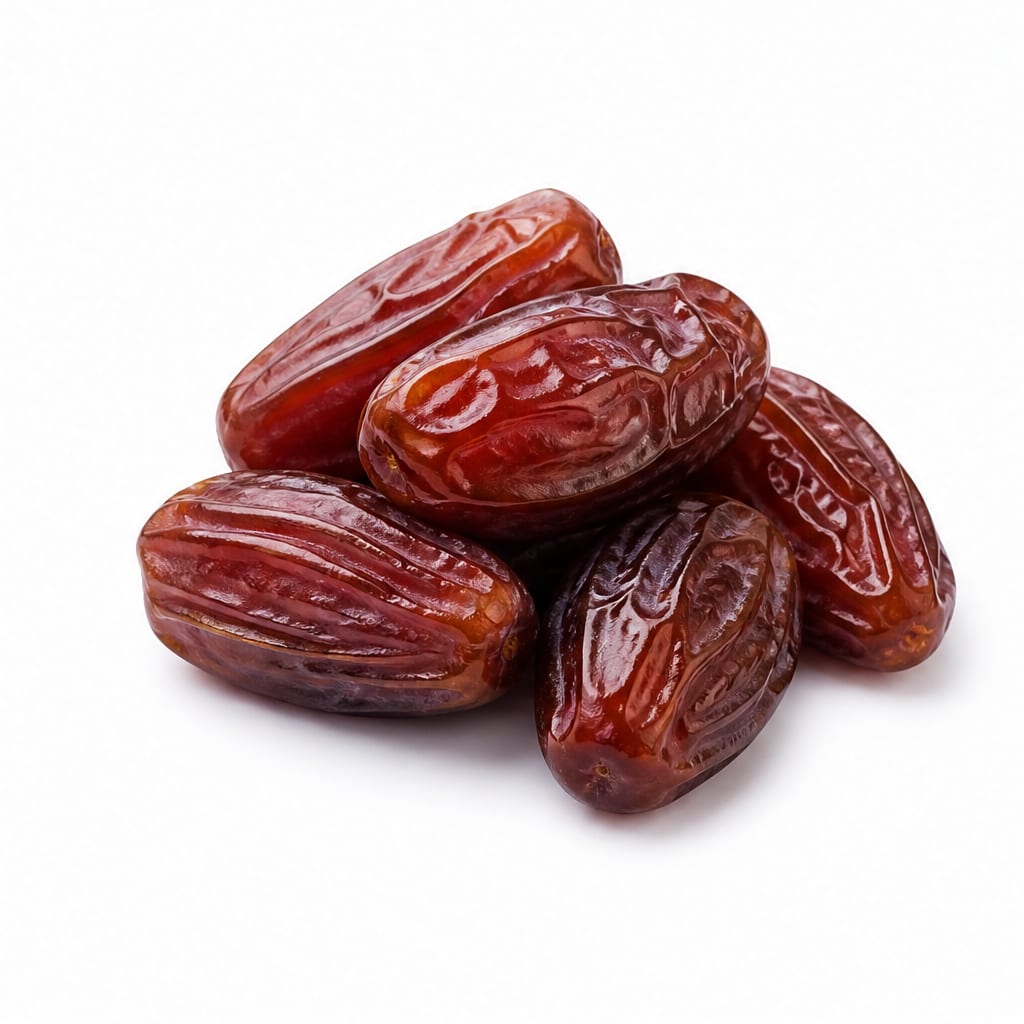
Compare with
Dates
Dates are much sweeter and more calorie-dense, while fresh figs offer a softer texture and lower sugar per gram.
Dates provide more concentrated energy and potassium, while fresh figs are lower in calories and better for weight loss.
This food
Fig
VS95% alike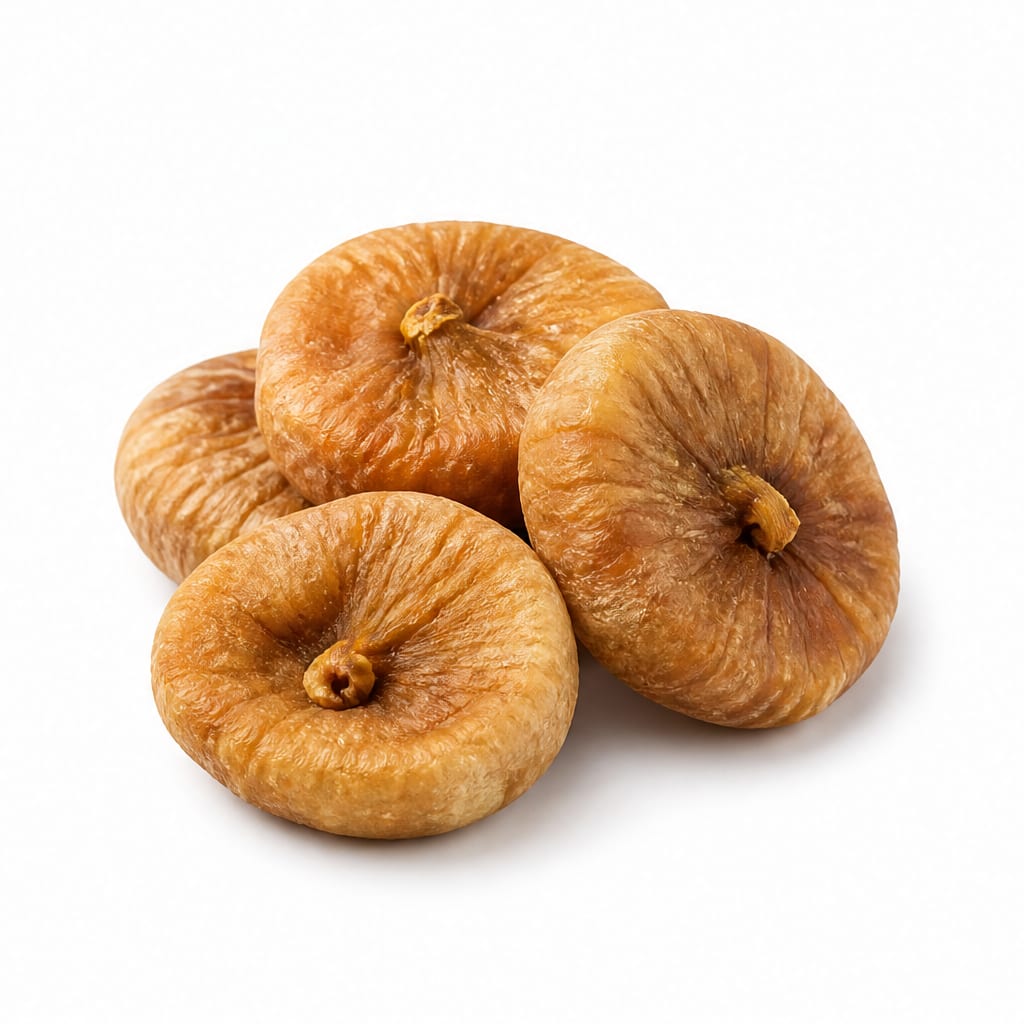
Compare with
Dried Figs
Dried figs are significantly higher in calories, sugar, and fiber per serving compared to fresh figs.
Fresh figs offer high volume and lower calories, while dried figs are a dense source of sugar and fiber.
This food
Fig
VS80% alike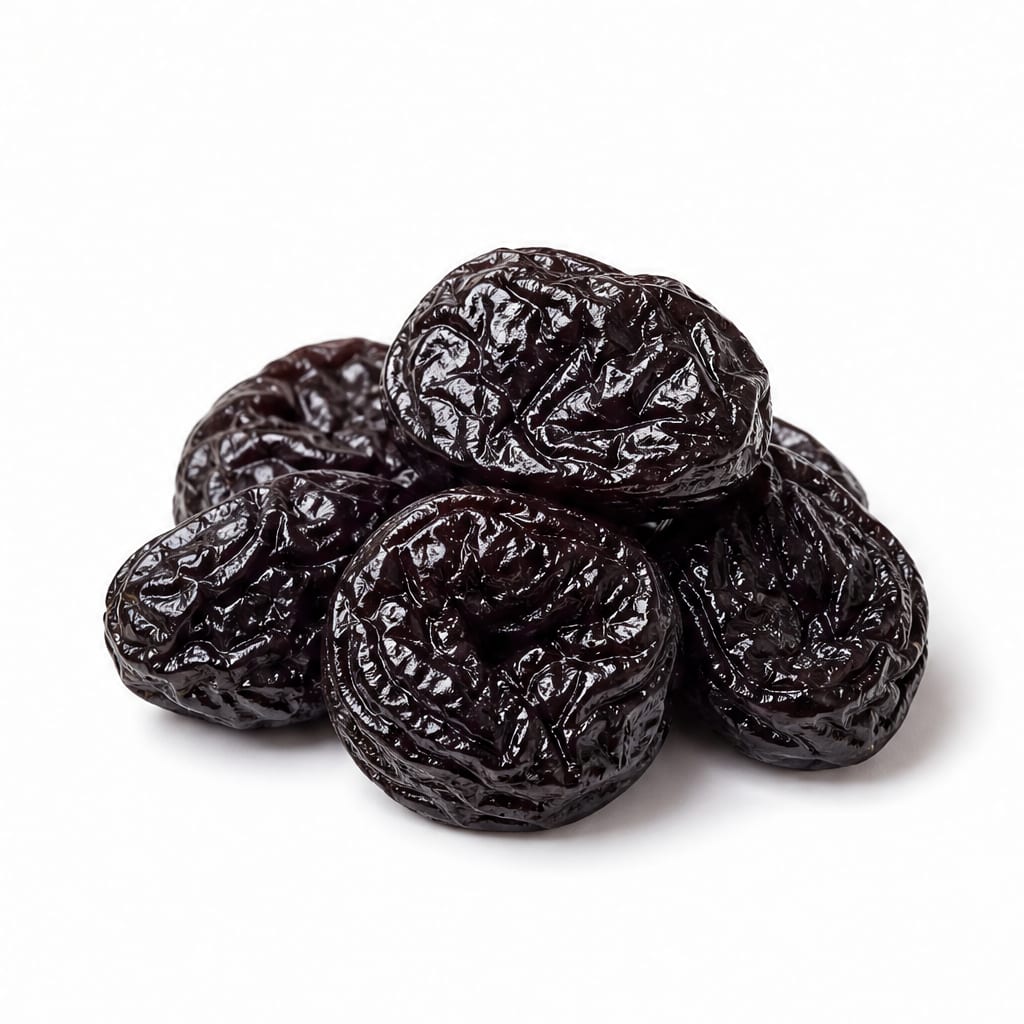
Compare with
Prunes
Prunes are higher in fiber and have a more pronounced laxative effect, while figs are lower in calories and have a milder flavor.
Prunes are better for constipation relief, while fresh figs are lower in sugar and calories for everyday snacking.
This food
Fig
VS75% alike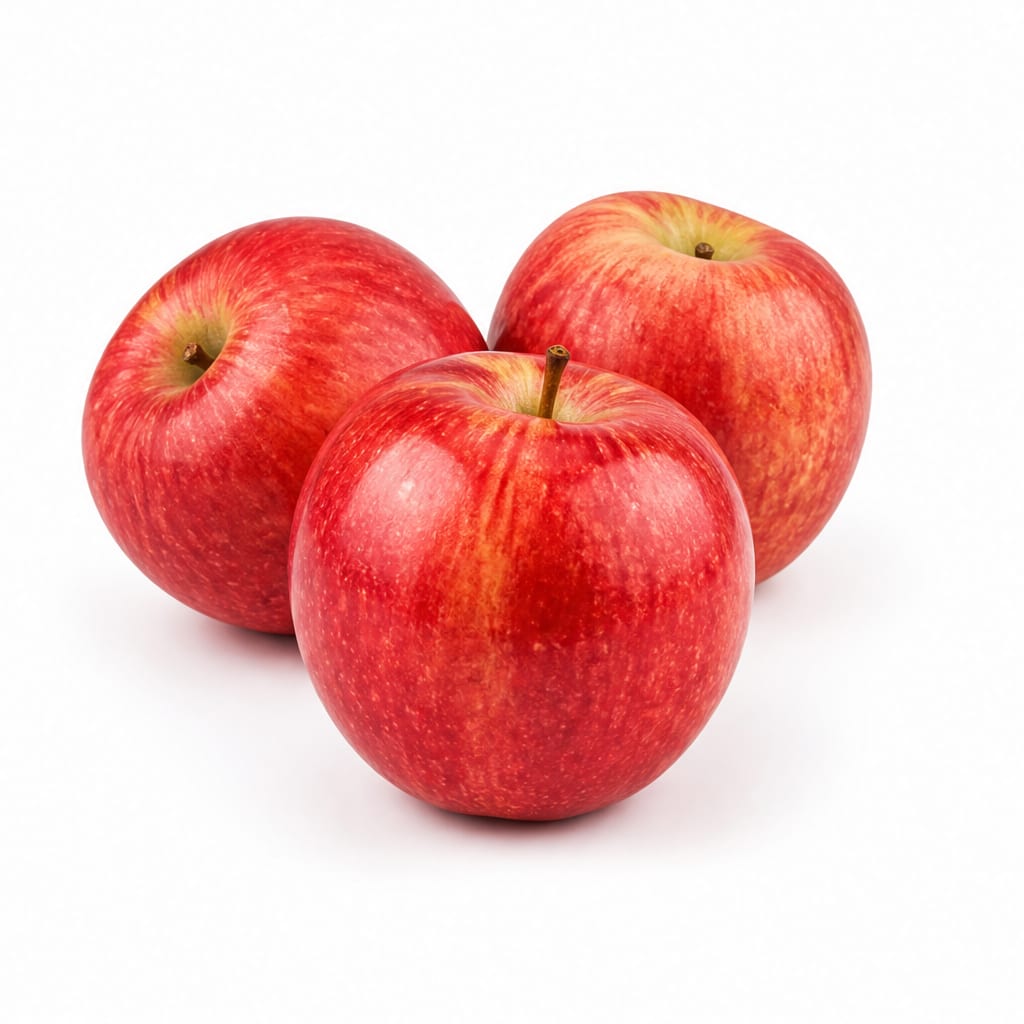
Compare with
Apples
Apples are lower in sugar and calories with a lower glycemic index, making them better for blood sugar control, while figs offer more calcium.
Apples are lower in sugar and better for blood sugar control, while figs provide more calcium and faster energy.
This food
Fig
VS75% alike
Compare with
Bananas
Bananas provide more potassium and workout fuel, while figs are lower in calories and better for light snacking.
Bananas provide more potassium and workout fuel, while figs are lower in calories and better for weight management.
This food
Fig
VS70% alike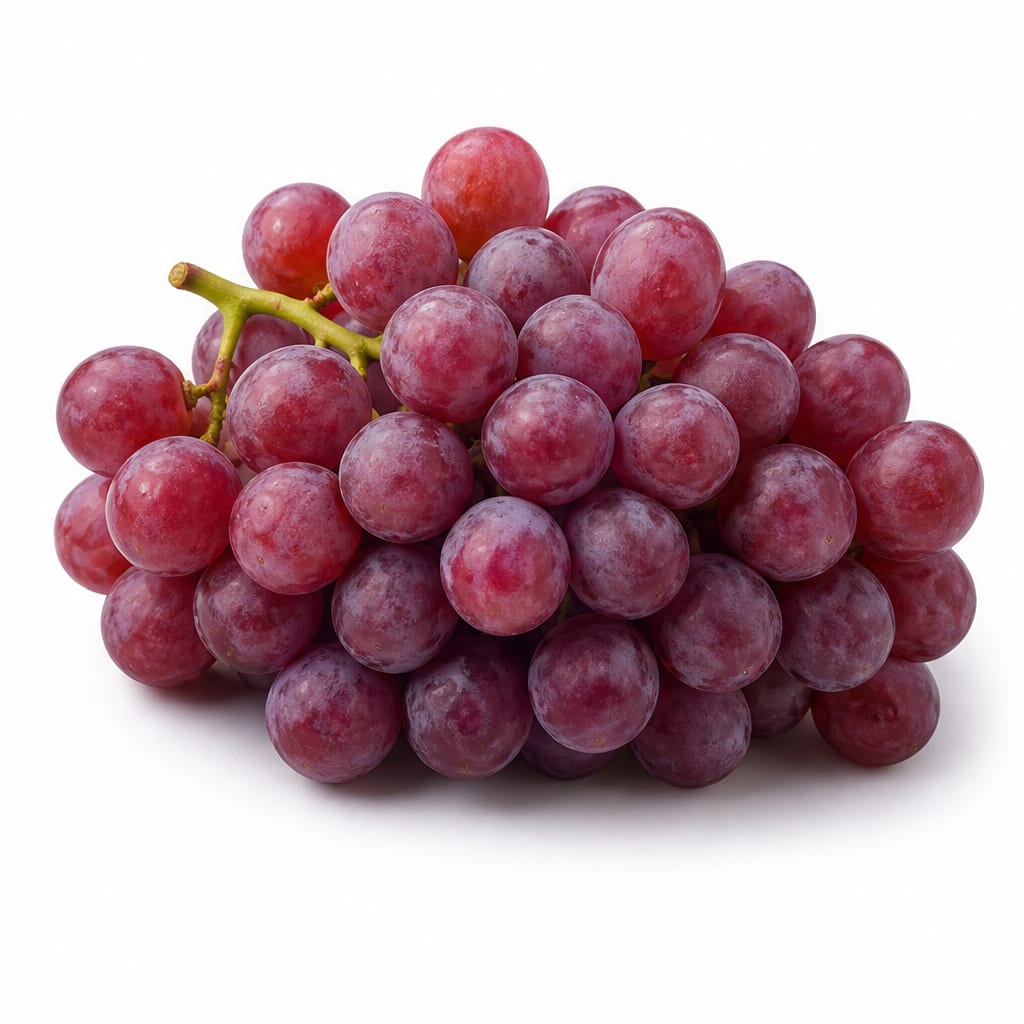
Compare with
Grapes
Grapes are lower in fiber and higher in water content, while figs provide more dietary fiber and a slower release of energy.
Figs offer more fiber and better satiety than grapes, making them a more balanced snack for blood sugar.
This food
Fig
VS75% alike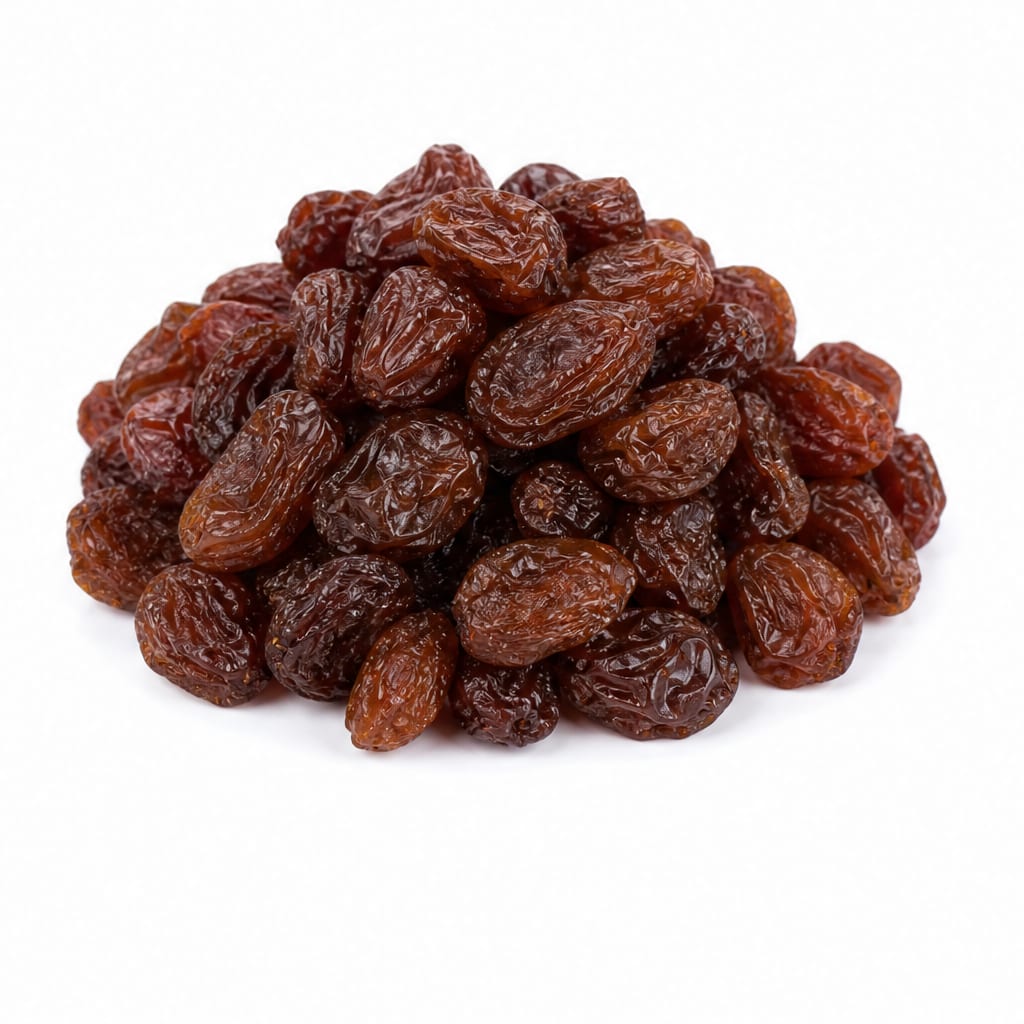
Compare with
Raisins
Raisins are dried and highly concentrated in sugar and calories, whereas fresh figs offer high volume and lower energy density.
Fresh figs are significantly lower in sugar and calories than raisins, which are concentrated energy sources.
This food
Fig
VS70% alike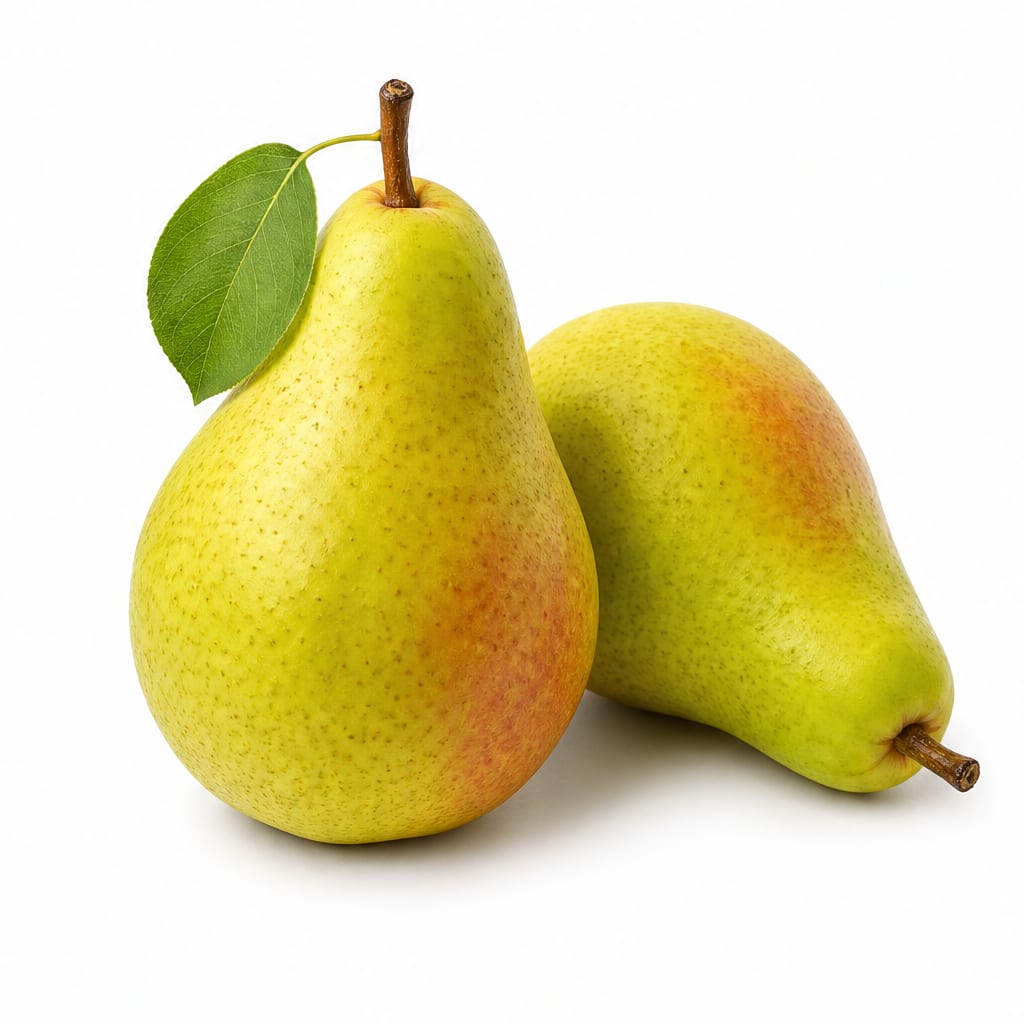
Compare with
Pears
Pears are lower in sugar and higher in fiber, making them slightly better for satiety and blood sugar management than figs.
Pears are higher in fiber and lower in sugar, offering better blood sugar control than figs.
This food
Fig
VS65% alike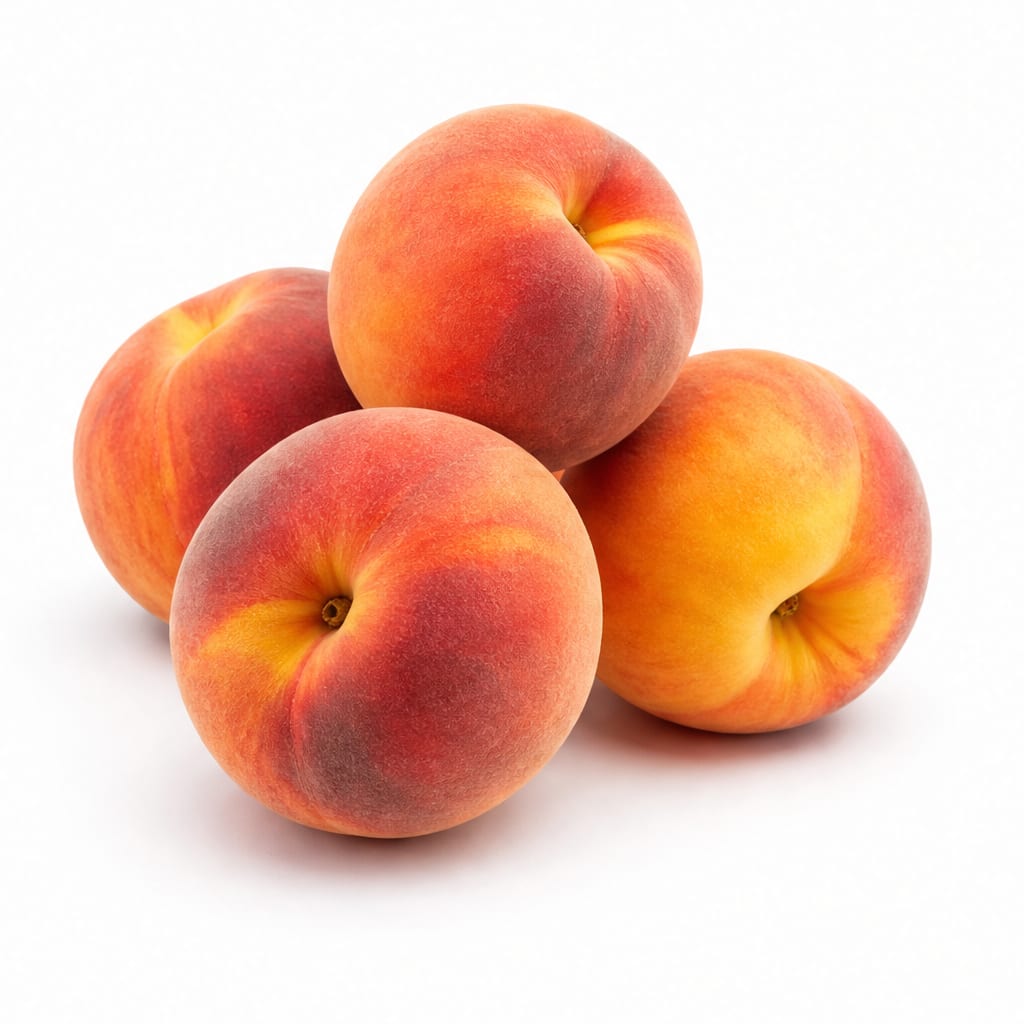
Compare with
Peaches
Peaches are significantly lower in calories and sugar, making them a better choice for weight loss, while figs are richer in minerals.
Peaches are much lower in sugar and calories, while figs provide more calcium and quick carbohydrates.
This food
Fig
VS70% alike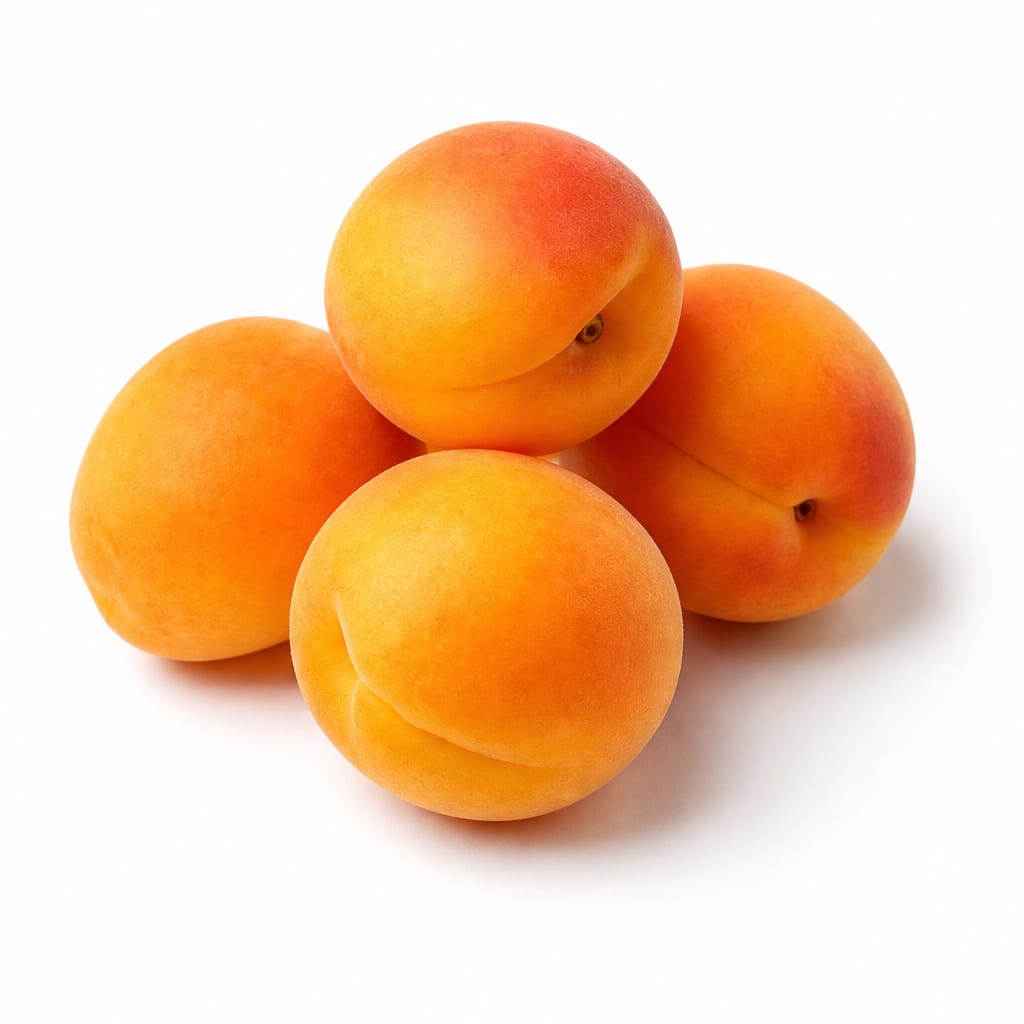
Compare with
Apricots
Apricots are much lower in sugar and calories, offering a better profile for weight loss and blood sugar control than figs.
Apricots are lower in sugar and better for strict diets, while figs offer more fiber and faster energy.
Common questions
FAQ
Answers aligned with how people search for this food.
Are figs good for weight loss?
Yes, in moderation. Their dietary fiber helps you feel full, but their natural sugars add up if you eat too many.
Can diabetics eat figs?
Fresh figs can be eaten in small portions due to their medium glycemic index, but they should be paired with a protein or fat to avoid blood sugar spikes.
Do figs make you poop?
Yes, figs contain both soluble and insoluble fiber that add bulk to stool and promote regular bowel movements.
How many figs can I eat a day?
Eating 2 to 3 fresh figs per day is a reasonable portion to get nutritional benefits without overconsuming sugar.
Are fresh figs better than dried figs?
Fresh figs are lower in sugar and calories per gram, making them a better choice for weight management, while dried figs are more concentrated in nutrients and fiber.
Is it safe to eat fig skin?
Yes, fig skin is completely edible and contains a significant portion of the fruit's fiber and antioxidants.
Are figs a good source of potassium?
Yes, figs provide a moderate amount of potassium, which helps regulate blood pressure and fluid balance.
Why are figs so sweet?
Figs are naturally high in simple sugars like glucose and fructose, which give them their distinct sweetness.
Transparency
Data confidence
Estimated confidence for nutrition data, interpretation, safety notes, and comparisons.
Nutrition data
Health analysis
Food safety
Comparisons