
Nutrition comparison
Fig vs Dried Figs: Nutrition, Sugar, and Health Comparison
Compare fresh figs vs dried figs for sugar content, weight loss, and mineral density. Find out which is healthier for your daily diet.
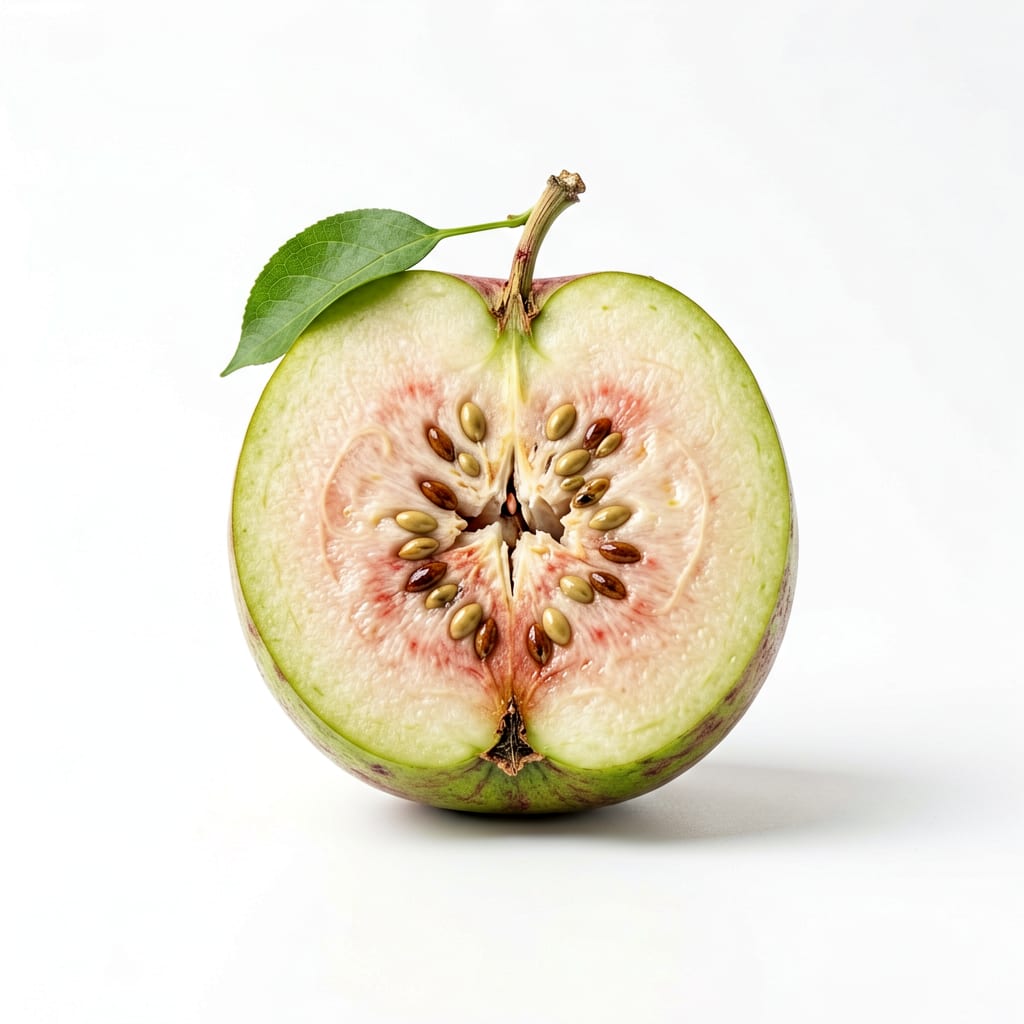
Fig

Dried Figs
Fresh figs offer more volume and steadier energy for fewer calories, while dried figs pack concentrated minerals and convenience at the cost of high sugar density.
Fresh figs score higher due to lower sugar density and better satiety per calorie, making them a safer daily choice. Dried figs lose points for overeating risk and blood sugar spikes, though they win on convenience.
Hydration and blood sugar stability versus shelf-stable convenience and mineral concentration.
At a glance
Executive summary
Overall
It depends
Healthier
Fig
More practical
Dried Figs
Daily use
Fig
Key comparison lenses
Sugar concentration and blood sugar impact
Removing water concentrates sugars dramatically, changing how the body processes the fruit.
Calorie density and overeating risk
Dried fruit shrinks in volume, making it very easy to consume a large amount of calories quickly.
Convenience and shelf life
A primary reason people choose dried fruit over fresh is portability and storage.
Hydration and satiety
Water content directly impacts how full you feel after eating.
Best choice for
Fig
- Weight management
- Blood sugar control
- Hydrating snacks
Dried Figs
- Hiking and outdoor activities
- Boosting iron and calcium
- Long-term pantry storage
Least suitable for
Fig
- Off-grid travel
- Long-term storage without refrigeration
Dried Figs
- Strict low-sugar diets
- Portion control struggles
Deep comparison
Dimension by dimension
Each lens scores both foods and breaks down who each option suits.
- Dimension 1 · Priority 95Fig
Blood Sugar & Glycemic Control
Fig · 85Dried Figs · 45Fresh figs have a much gentler impact on blood sugar because their water content dilutes the sugar.
Tradeoff
You get a quick energy hit from dried figs, but it comes with a sharper blood sugar spike.
Why it matters
Frequent sugar spikes drive cravings and energy crashes.
Real-world impact
Eating a few dried figs can feel like eating candy, leaving you hungry an hour later, while fresh figs provide steadier energy.
Fig
- Diabetics
- Steady energy seekers
Better for
- Those needing immediate glycogen replenishment
Worse for
Dried Figs
- Endurance athletes needing fast carbs
Better for
- People with insulin resistance
Worse for
- Dimension 2 · Priority 90Fig
Satiety & Portion Control
Fig · 90Dried Figs · 40The high water volume in fresh figs fills you up on fewer calories, whereas dried figs are very easy to overeat.
Tradeoff
Concentrated fruit means more bites per minute, which bypasses fullness signals.
Why it matters
Overconsuming dried fruit is a common hidden cause of weight gain.
Real-world impact
You can easily eat five dried figs without feeling full, but three fresh figs will feel like a substantial snack.
Fig
- Weight loss
- Mindful snacking
Better for
- Those needing to gain weight
Worse for
Dried Figs
- Backpackers needing calorie density
Better for
- Emotional eaters
Worse for
- Dimension 3 · Priority 80Dried Figs
Nutrient Density & Minerals
Fig · 70Dried Figs · 88Dried figs concentrate calcium, iron, and potassium per serving since the water is removed.
Tradeoff
You get more minerals, but you also get significantly more sugar alongside them.
Why it matters
Minerals like calcium and iron are crucial for bone and blood health.
Real-world impact
A serving of dried figs can cover a notable chunk of your daily calcium needs, making them a solid plant-based mineral booster.
Fig
- Those who get minerals from varied low-calorie sources
Better for
- Those with high mineral needs on low calories
Worse for
Dried Figs
- Vegans needing iron and calcium
- Pregnant women needing extra minerals
Better for
- People watching their sugar intake
Worse for
- Dimension 4 · Priority 85Dried Figs
Convenience & Shelf Life
Fig · 40Dried Figs · 95Dried figs last for months and travel well, while fresh figs are delicate and perishable.
Tradeoff
You trade freshness and water content for pantry stability.
Why it matters
A healthy food only works if you can actually keep it around and eat it.
Real-world impact
Fresh figs spoil within days and get mushy in a backpack; dried figs are ready whenever you are.
Fig
- Enjoying at home as a fresh dessert
Better for
- Meal prepping for the week
Worse for
Dried Figs
- Emergency snacks
- Travel
- Camping
Better for
- Those who prefer fresh, juicy textures
Worse for
Timeline
Health impact over time
Short-term
Hours to days
Fig
- Quick hydration
- Moderate energy lift without a crash
Dried Figs
- Rapid blood sugar spike
- Quick calorie replenishment
Long-term
Months to years
Fig
- Better weight maintenance
- Stable blood sugar patterns
Dried Figs
- Increased mineral intake
- Risk of unintended weight gain if portions aren't controlled
Risk profile
Safety & processing
Fresh figs are entirely whole foods. Dried figs undergo dehydration, and some brands add sulfites to preserve color, though unsulfured options are widely available.
Fig
Mold and spoilage
mediumFresh figs are highly perishable and can develop mold quickly if not refrigerated.
Dried Figs
Sulfite sensitivity
mediumSome dried figs contain sulfites, which can trigger asthma or allergic reactions in sensitive individuals.
Who wins for whom
Audience fit
Same foods, different winners depending on your goal.
children
FigFresh figs provide a sweet treat with built-in portion control and no sticky dental hazard, unlike dried fruit.
daily consumption
FigEasier on blood sugar and waistline when eaten daily.
diabetes
FigLower sugar concentration and higher water content lead to a more manageable glycemic response.
elderly
Dried FigsDried figs are easier to keep on hand and provide concentrated calcium and iron, though they should watch the sugar.
muscle gain
It dependsDried figs offer quick carbs post-workout, but fresh figs offer better overall dietary control.
weight loss
FigHigh water content and lower calorie density make fresh figs much easier to fit into a calorie deficit.
Your move
Decision guide
Choose Fig
- You want a hydrating, low-calorie snack
- Blood sugar control is a priority
- You struggle with portion control
Choose Dried Figs
- You need shelf-stable energy for hiking or travel
- You want a concentrated source of plant-based calcium and iron
- You are trying to gain weight healthily
Either works if
- You want a natural sweet treat
- You need a fiber boost
Avoid both if
- You have a severe fig allergy
- You are on a strict very-low-carb diet
Final recommendation
Keep fresh figs as your go-to daily snack for their hydration and satiety benefits, but stash dried figs in your bag for when you need durable, mineral-rich energy on the go.
Practical
Consumer tips
- 1
If buying dried figs, look for unsulfured varieties to avoid preservatives.
- 2
Pair dried figs with a handful of nuts or some cheese to blunt the blood sugar spike.
- 3
Store fresh figs in the fridge and eat within a few days of purchase.
- 4
Remember that 1 dried fig has the sugar of roughly 1 fresh fig, but it is much easier to eat 5 dried figs in one sitting.