
Nutrition comparison
Fig vs Dates: Nutrition, Sugar, and Health Comparison
Which is healthier, figs or dates? Compare calories, sugar, fiber, and best uses for these popular dried fruits to find the right fit for your diet.
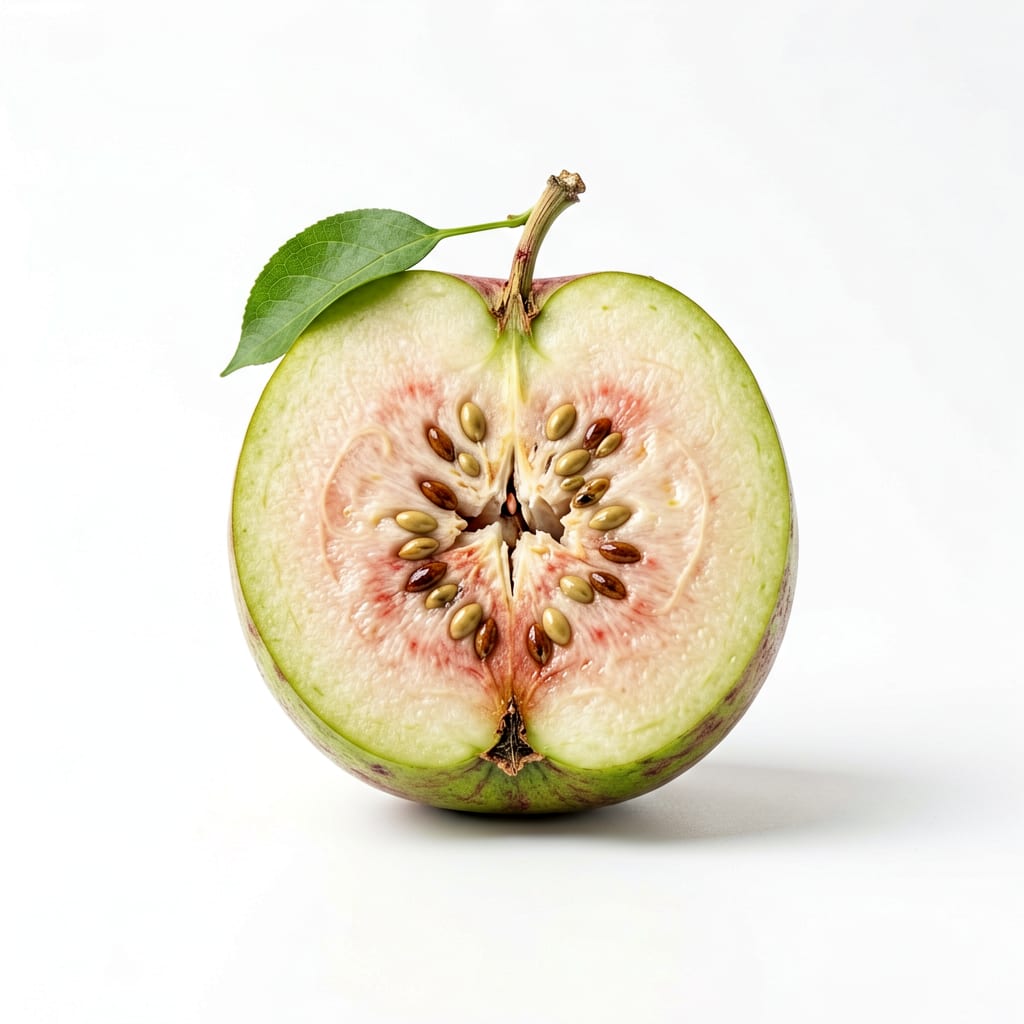
Fig
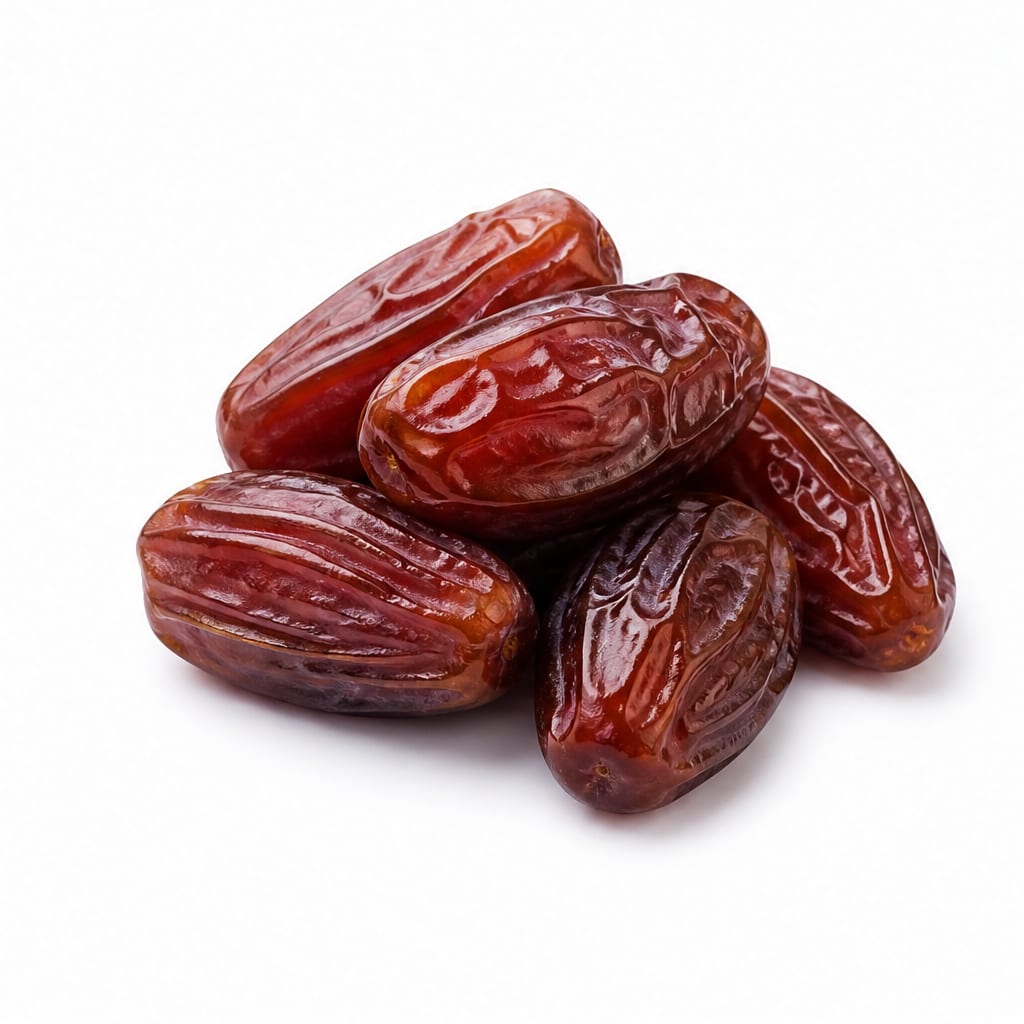
Dates
Figs are lighter and better for snacking without overdoing calories, while dates are denser energy bombs ideal for quick fuel or natural sweetening.
Figs score slightly higher due to lower calorie density and a gentler blood sugar impact, making them easier to incorporate daily. Dates remain excellent for specific energy needs but carry a higher risk of overconsumption.
Figs offer more volume and calcium for fewer calories, but dates deliver faster energy and more potassium in a smaller, sweeter package.
At a glance
Executive summary
Overall
It depends
Healthier
Fig
More practical
Dates
Daily use
Fig
Key comparison lenses
sugar content and glycemic impact
Both are notoriously sweet dried fruits, but their sugar density and impact on blood sugar differ significantly
calorie density and weight management
Dates are highly calorie-dense and easy to overeat, while figs offer more volume per calorie
mineral and micronutrient profile
Figs are uniquely high in calcium, while dates dominate in potassium and magnesium
culinary versatility as natural sweetener
Dates are a staple in healthy baking as a sugar substitute, whereas figs are more of a standalone snack
Best choice for
Fig
- Light afternoon snacking
- Bone health support
- Satisfying a sweet tooth with fewer calories
- Savory cheese and meat pairings
Dates
- Pre-workout quick energy
- Natural sweetener for smoothies and baking
- Pregnancy nutrition boost
- Hiking and endurance fuel
Least suitable for
Fig
- Replacing refined sugar in dessert recipes
- High-calorie bulking diets
Dates
- Strict low-carb or keto diets
- Unrestricted snacking during weight loss
Deep comparison
Dimension by dimension
Each lens scores both foods and breaks down who each option suits.
- Dimension 1 · Priority 95Fig
Blood Sugar & Energy Stability
Fig · 65Dates · 50Figs have slightly lower sugar density and a gentler glycemic impact compared to the intense sweetness of dates.
Tradeoff
Dates provide rapid energy for physical exertion but can cause a sharper blood sugar spike and crash if eaten while sedentary.
Why it matters
Steady energy prevents the afternoon slump and reduces cravings for more sweets.
Real-world impact
Eating a few dates at your desk will likely leave you reaching for more snacks an hour later, whereas figs offer a steadier, lighter satisfaction.
Fig
- Sitting at a desk
- Late-night light snacking
Better for
- Quick recovery from a hypoglycemic dip
Worse for
Dates
- Mid-run energy gel replacement
- Pre-workout fuel
Better for
- Managing insulin resistance
- Sedentary snacking
Worse for
- Dimension 2 · Priority 90Fig
Satiety & Calorie Density
Fig · 75Dates · 60Figs provide more physical volume and water content per calorie, making them more filling.
Tradeoff
Dates are compact and calorie-dense, which is great for packing light but risky for mindless snacking.
Why it matters
Foods that offer more volume for fewer calories help naturally control portion sizes without leaving you hungry.
Real-world impact
You can eat three dried figs for roughly the same calories as two dates, but the figs will feel substantially more substantial in your stomach.
Fig
- Weight management
- Curbing hunger between meals
Better for
- Situations requiring maximum calories in minimal space
Worse for
Dates
- Backpacking and ultralight travel
- Getting calories in during a bulk
Better for
- Mindless snacking while watching TV
Worse for
- Dimension 3 · Priority 85It depends
Mineral Density & Micronutrients
Fig · 70Dates · 75Figs are a rare fruit source of calcium, while dates dominate in potassium and magnesium.
Tradeoff
Choosing between them depends on whether your diet needs bone support more than electrolyte replenishment.
Why it matters
Most people fall short on both calcium and potassium, but the specific gap varies by individual diet.
Real-world impact
If you are dairy-free, figs are a great calcium hack. If you struggle with muscle cramps or high blood pressure, dates offer more potassium.
Fig
- Dairy-free diet calcium support
- Bone density maintenance
Better for
- Replenishing potassium after heavy sweating
Worse for
Dates
- Post-workout electrolyte replenishment
- Blood pressure management
Better for
- Meeting daily calcium needs without dairy
Worse for
- Dimension 4 · Priority 80Dates
Culinary Versatility & Convenience
Fig · 60Dates · 85Dates are incredibly versatile as a natural sweetener and bind easily in recipes, while figs are more of a standalone snack.
Tradeoff
Dates blend seamlessly into smoothies and desserts, but figs have a distinct texture and seed crunch that doesn't work everywhere.
Why it matters
A food that easily replaces refined sugar in your kitchen has massive practical health value.
Real-world impact
You can throw a couple of dates into a blender to sweeten a smoothie perfectly, but blending figs introduces a gritty texture from the seeds.
Fig
- Charcuterie boards
- Standalone textured snacking
Better for
- Creating smooth, sweet dessert textures
Worse for
Dates
- Healthy baking and dessert making
- Smoothie sweetening
- Energy ball binders
Better for
- Savory and cheese pairings
Worse for
Timeline
Health impact over time
Short-term
Hours to days
Fig
- Gentle energy lift without a harsh crash
- Satisfying chewy texture that slows down eating
Dates
- Rapid energy surge for physical activity
- High sweetness that can trigger cravings for more sugar
Long-term
Months to years
Fig
- Better weight maintenance due to lower calorie density
- Improved bone density from consistent calcium intake
Dates
- Better blood pressure regulation from high potassium
- Risk of gradual weight gain if portions are not carefully managed
Risk profile
Safety & processing
Both are whole, dried fruits that require no added sugar or preservatives to maintain their shelf life, though some commercial brands add sulfites for color preservation.
Fig
Sulfite sensitivity
mediumSome commercially dried figs are treated with sulfur dioxide to preserve color, which can trigger asthma in sensitive individuals.
Mold growth
lowFigs retain more moisture than dates, making them slightly more prone to mold if stored in a warm, humid environment.
Dates
Crystallized sugar
lowOver time, the natural sugars in dates can form white crystals on the surface. This is harmless but alters the texture.
Pantry pests
lowLike many dried fruits, dates can attract pantry moths or weevils if not stored in airtight containers.
Who wins for whom
Audience fit
Same foods, different winners depending on your goal.
children
DatesDates are naturally sweeter and blend easily into kid-friendly recipes like smoothies and oatmeal, making them an easy sell.
daily consumption
FigIt is easier to incorporate a fig or two into a daily routine without significantly impacting total sugar and calorie intake.
diabetes
FigWhile both require strict portion control, figs have slightly less concentrated sugar and a marginally gentler impact on blood glucose.
elderly
FigThe calcium in figs supports bone health, which becomes increasingly important with age, and they are slightly easier on blood sugar.
muscle gain
DatesDates provide dense, fast-digesting carbohydrates that are ideal for fueling workouts and getting calories in efficiently.
weight loss
FigFigs offer more volume and fewer calories per serving, making it easier to satisfy a sweet craving without accidentally consuming hundreds of calories.
Your move
Decision guide
Choose Fig
- You want a lighter afternoon snack that will not ruin your appetite
- You are dairy-free and looking for natural calcium sources
- You prefer a fruit with a distinct texture and mild sweetness
Choose Dates
- You need quick energy before or after a workout
- You want to replace refined sugar in baking and smoothies
- You are pregnant and need calorie-dense, potassium-rich foods
Either works if
- You are constipated and need a natural fiber boost
- You want a whole-food alternative to candy
Avoid both if
- You are on a strict ketogenic or very low-carb diet
- You are highly sensitive to natural sugars and need to minimize fructose
Final recommendation
Keep both in your pantry but use them differently. Reach for figs when you want a satisfying, lower-calorie snack to bridge meals. Turn to dates when you need a pre-workout energy surge or a whole-food sweetener for your recipes. Always pair them with a protein or fat—like a handful of almonds—to slow down sugar absorption.
Practical
Consumer tips
- 1
Always look for unsulphured varieties of both fruits to avoid unnecessary chemical exposure
- 2
Store both in an airtight container in the fridge to extend shelf life and prevent mold or pests
- 3
Medjool dates are the creamiest and best for eating raw, while Deglet Noor are less sweet and better for baking
- 4
If your dates get too dry, soak them in warm water for 10 minutes to revive their chewy texture