
Nutrition comparison
Fig vs Prunes: Which Dried Fruit Is Better for Digestion, Bones, and Blood Sugar?
Compare figs and prunes for health benefits, fiber content, blood sugar impact, and bone health support. Learn which dried fruit is better for weight loss, digestion, and daily snacking.
Overall winner · Prunes
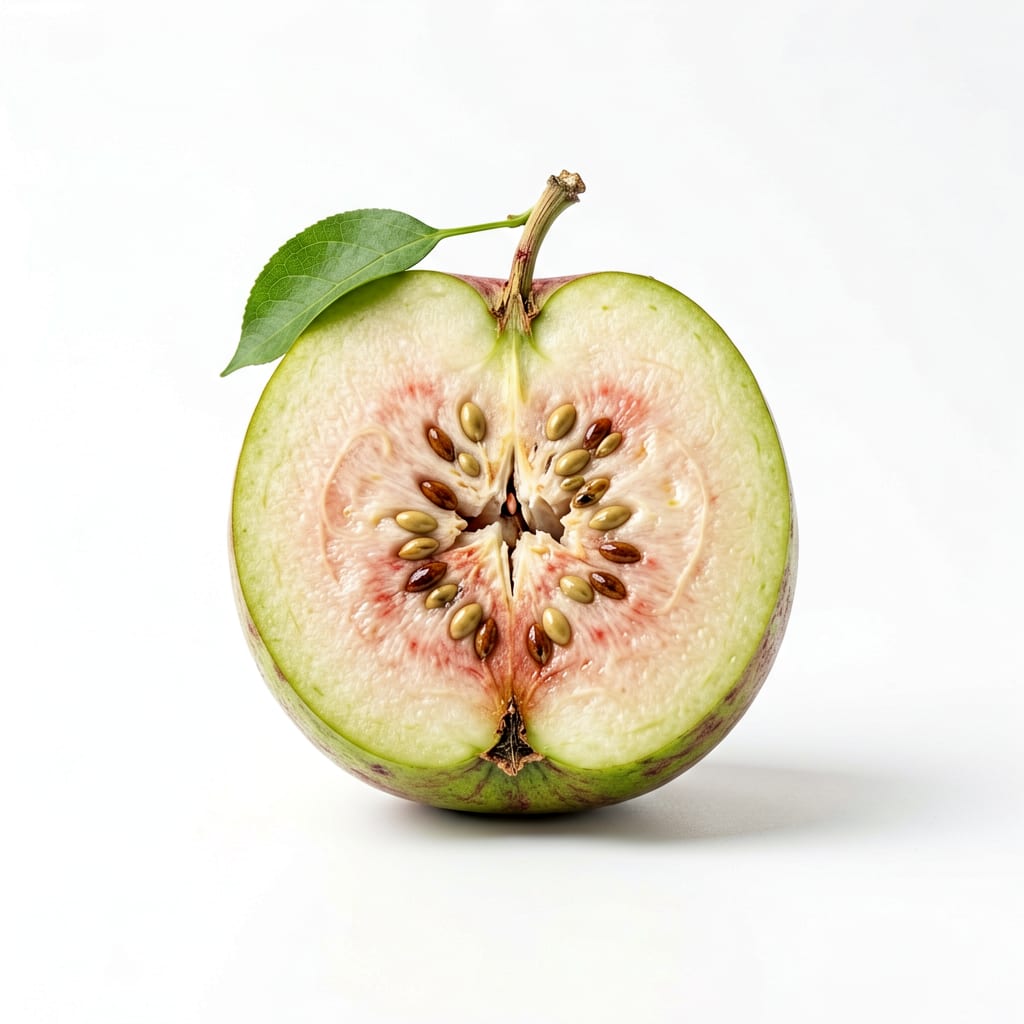
Fig
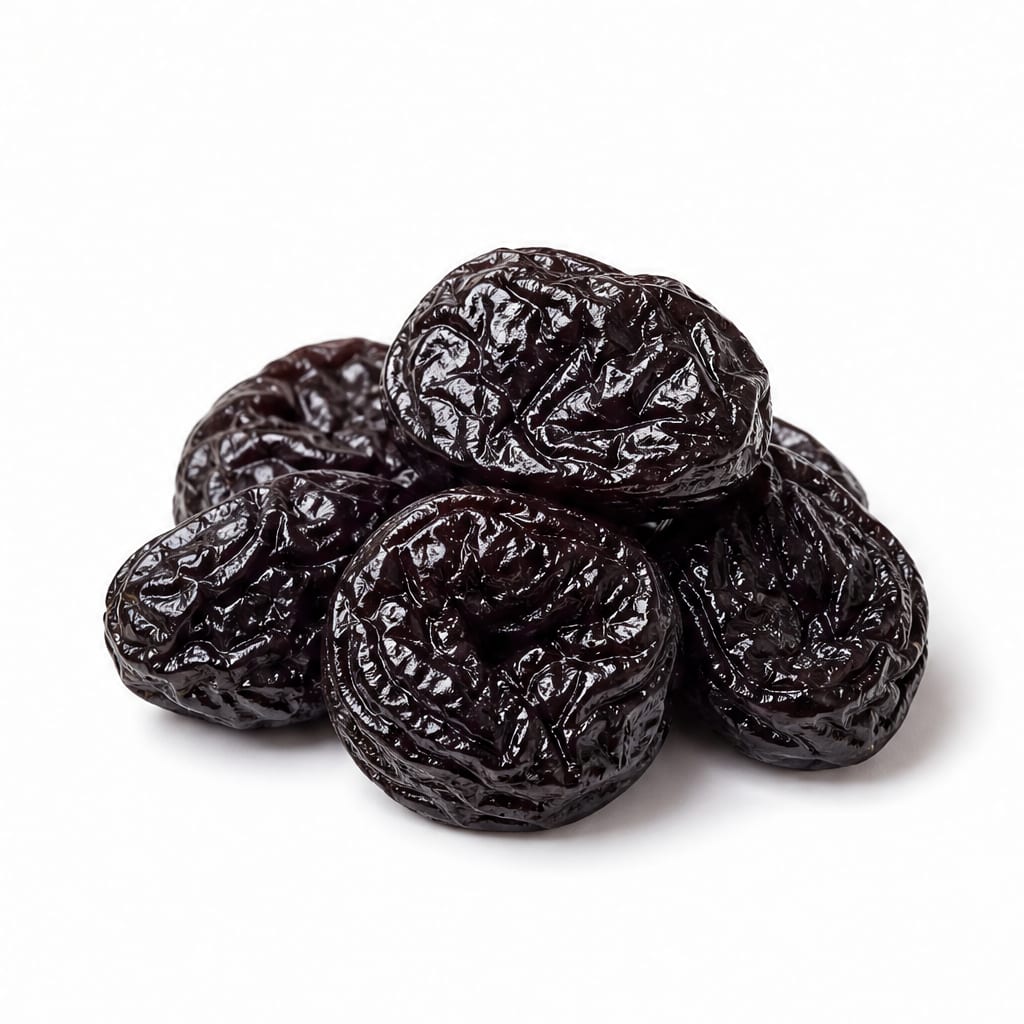
Prunes
Prunes deliver more fiber, stronger digestive benefits, and better bone health support per calorie, making them the more functional daily choice.
Prunes score higher due to superior fiber density, proven digestive benefits, and bone health research. Figs remain appealing for taste and calcium but offer less functional health advantage per serving.
Figs offer a more indulgent, honey-like sweetness and fresher eating experience, while prunes are the workhorse for digestion and sustained satiety.
At a glance
Executive summary
Overall
Prunes
Healthier
Prunes
More practical
Prunes
Daily use
Prunes
Key comparison lenses
digestive health and regularity
Prunes are famously effective for digestion; users comparing these two are likely seeking gut-friendly options
natural sweet snack alternative
Both satisfy sweet cravings naturally, making them common substitutes for candy or baked goods
blood sugar management
Both are sugar-dense dried fruits; glycemic impact is a real concern for many users
bone health support
Prunes have emerging evidence for bone density; figs offer calcium but less research backing
weight management snacking
Both are calorie-dense dried fruits where portion control matters significantly
Best choice for
Fig
- People wanting a luxurious, dessert-like fruit experience
- Those seeking fresh fruit options when in season
- Anyone needing more calcium from a whole food source
- Home cooks wanting natural sweetness in recipes
Prunes
- Anyone struggling with irregular digestion
- Older adults concerned about bone density
- People wanting a shelf-stable, portable snack
- Those prioritizing fiber intake per calorie
Least suitable for
Fig
- People watching calorie intake closely (easy to overeat dried figs)
- Those needing reliable digestive regularity
- Anyone wanting a long-lasting pantry staple (fresh figs spoil fast)
Prunes
- People sensitive to sorbitol or prone to loose stools
- Those who dislike the texture or taste of dried fruit
- Anyone avoiding concentrated sugar sources
Deep comparison
Dimension by dimension
Each lens scores both foods and breaks down who each option suits.
- Dimension 1 · Priority 95Prunes
digestive_health_and_regularity
Fig · 55Prunes · 95Prunes are arguably the most effective natural remedy for constipation, thanks to fiber, sorbitol, and natural fruit compounds that stimulate bowel movement.
Tradeoff
Figs provide gentle fiber support but lack the sorbitol and proven laxative effect that makes prunes a go-to for digestive issues.
Why it matters
Chronic constipation affects roughly 16% of adults and impacts energy, mood, and comfort daily.
Real-world impact
Eating 3-4 prunes daily can meaningfully improve regularity within days. Figs would need larger portions and still may not match the effect.
Fig
- Mild digestive support without urgency
Better for
- Insufficient for active constipation relief
Worse for
Prunes
- Reliable relief from constipation
- Post-antibiotic gut recovery
- Maintaining regularity during travel
Better for
- Can cause loose stools if overconsumed
- Sorbitol may cause gas in sensitive people
Worse for
- Dimension 2 · Priority 82Prunes
blood sugar_stability
Fig · 50Prunes · 65Prunes have a lower glycemic index (around 29) compared to dried figs (around 61), making them gentler on blood sugar despite both being sweet.
Tradeoff
Fresh figs score better glycemically than dried figs, but most people eat figs dried, where prunes clearly win for sugar control.
Why it matters
Sugar spikes from dried fruit can trigger cravings, energy crashes, and long-term metabolic strain if portions aren't controlled.
Real-world impact
A serving of prunes creates a slower, steadier blood sugar rise. Dried figs hit harder and faster, risking that 3pm energy dip.
Fig
- Fresh figs eaten whole with skin for slower absorption
Better for
- Dried figs can spike blood sugar quickly
- Easy to overeat due to high sweetness
Worse for
Prunes
- Diabetics seeking a safe sweet treat
- Anyone avoiding afternoon energy crashes
- Sustained energy during long work sessions
Better for
- Still a concentrated sugar source requiring portion control
Worse for
- Dimension 3 · Priority 75Prunes
bone_health_support
Fig · 60Prunes · 82Prunes have clinical evidence showing they may slow bone loss and improve bone density, likely due to boron, vitamin K, and antioxidant compounds.
Tradeoff
Figs offer more calcium per serving, but prunes deliver a broader bone-protective nutrient profile with research backing.
Why it matters
Osteoporosis affects 1 in 3 women over 50. Dietary choices that protect bone density matter decades before symptoms appear.
Real-world impact
Eating 5-6 prunes daily has been shown to benefit bone markers in postmenopausal women within months. Figs have calcium but lack equivalent evidence.
Fig
- Calcium-focused bone support
- Those already getting adequate vitamin K from other sources
Better for
- Less overall bone-protective nutrient synergy
Worse for
Prunes
- Postmenopausal women concerned about bone density
- Older adults wanting evidence-based bone protection
- Anyone on long-term corticosteroids risking bone loss
Better for
- Lower calcium content than figs
Worse for
- Dimension 4 · Priority 78Prunes
satiety_and_portion_control
Fig · 52Prunes · 74Prunes are more filling per calorie due to higher fiber and sorbitol, which slow digestion and signal fullness. Dried figs are dangerously easy to overeat.
Tradeoff
Figs taste richer and more dessert-like, which increases satisfaction but also increases the risk of eating too many.
Why it matters
Overeating calorie-dense dried fruit can silently add 200-400 extra calories per day without feeling full.
Real-world impact
Three prunes feel satisfying and stop further snacking. Three dried figs often lead to reaching for three more.
Fig
- Emotional satisfaction from richer, sweeter taste
- Replacing high-calorie desserts with something natural
Better for
- Very easy to overconsume calories
- Sweetness can trigger more sugar cravings
Worse for
Prunes
- Weight management snacking
- Controlling late-night sweet cravings
- Staying full between meals
Better for
- Less indulgent taste experience
Worse for
- Dimension 5 · Priority 70Prunes
convenience_and_shelf_stability
Fig · 45Prunes · 90Prunes are shelf-stable for months, always ready to eat, and require no prep. Fresh figs spoil within days; dried figs are more stable but still less versatile.
Tradeoff
Fresh figs offer a premium eating experience but demand timing, availability, and immediate consumption.
Why it matters
The healthiest snack is the one you actually have on hand when hunger strikes. Perishability kills consistency.
Real-world impact
Prunes sit in your pantry ready anytime. Fresh figs require a farmer's market trip and must be eaten within 2 days.
Fig
- Special occasion fruit experiences
- Seasonal cooking and baking projects
Better for
- Fresh figs are fragile and highly perishable
- Limited seasonal availability
Worse for
Prunes
- Office desk snacking
- Travel and hiking fuel
- Emergency pantry staple
- Consistent daily habit formation
Better for
- Less culinary versatility than figs
Worse for
- Dimension 6 · Priority 72Prunes
antioxidant_and_nutrient_density
Fig · 65Prunes · 78Prunes rank among the highest antioxidant foods tested, with strong phenolic content. Figs are nutritious but less concentrated in protective compounds.
Tradeoff
Figs offer more calcium and slightly more iron, but prunes deliver more potassium, vitamin K, and overall antioxidant capacity.
Why it matters
Antioxidant-rich diets correlate with lower inflammation, slower aging, and reduced chronic disease risk over decades.
Real-world impact
Regular prune consumption contributes meaningfully to daily antioxidant intake. Figs help, but you'd need more servings to match.
Fig
- Boosting calcium intake from whole foods
- Adding iron to plant-based diets
Better for
- Lower overall antioxidant concentration
Worse for
Prunes
- Maximizing antioxidant intake per calorie
- Anti-inflammatory eating patterns
- Potassium for blood pressure management
Better for
- Less calcium than figs per serving
Worse for
Timeline
Health impact over time
Short-term
Hours to days
Fig
- Quick energy from natural sugars, especially dried figs
- Mild digestive support from fiber
- Satisfying sweet taste that can curb dessert cravings
Prunes
- Noticeable improvement in bowel regularity within 1-2 days
- Steadier energy without sharp sugar crashes
- Feeling fuller for longer after eating
Long-term
Months to years
Fig
- Good calcium intake supporting bone and dental health
- Potential weight gain if dried figs are overconsumed regularly
- Moderate antioxidant contribution to overall diet quality
Prunes
- Sustained digestive regularity and gut health improvement
- Potential preservation of bone density in at-risk populations
- Better long-term blood sugar management compared to other dried fruits
Risk profile
Safety & processing
Both are whole foods with minimal processing. Dried figs and prunes are simply dehydrated fruit. Some commercial prunes contain potassium sorbate as a preservative; check labels if avoiding additives. Fresh figs are the most natural form of either option but are highly perishable.
Fig
Mold and spoilage
mediumFresh figs spoil rapidly and can develop mold within 2-3 days. Dried figs are more stable but can still mold in humid conditions.
Pesticide residue
mediumConventional fresh figs may carry pesticide residues on skin. Dried figs concentrate any residues present. Choose organic when possible.
Prunes
Sulfite sensitivity
lowSome prunes contain sulfites as preservatives, which can trigger reactions in sensitive individuals. Most modern prunes are unsulfured.
Sorbitol overload
mediumExcessive prune consumption can cause diarrhea, gas, and abdominal discomfort due to sorbitol content. Stick to 3-6 per serving.
Who wins for whom
Audience fit
Same foods, different winners depending on your goal.
children
FigFresh figs are a fun, sweet, less messy fruit experience kids often enjoy. Prunes can cause loose stools in children if they eat too many.
daily consumption
PrunesPrunes offer more consistent daily health benefits, better shelf stability, and a proven track record at modest serving sizes for digestive and bone health.
diabetes
PrunesPrunes have a significantly lower glycemic index and cause slower blood sugar rise, making them the safer sweet option for diabetics.
elderly
PrunesPrunes address two major elderly health concerns simultaneously: constipation and bone density loss. The evidence for bone benefits is particularly relevant for this group.
muscle gain
It dependsNeither is a protein source. Dried figs offer slightly more carbs for post-workout glycogen replenishment, but the difference is minimal.
weight loss
PrunesPrunes provide more satiety per calorie and are harder to overeat than sweet dried figs, making portion control easier.
Your move
Decision guide
Choose Fig
- You want a luxurious, dessert-like fruit experience rather than a functional health snack
- Fresh figs are in season and available locally
- You're specifically looking to boost calcium intake from whole foods
- You're cooking or baking and want natural sweetness and texture
Choose Prunes
- Digestive regularity is a daily concern
- You want a shelf-stable snack that's always ready
- Bone health is a priority, especially if you're postmenopausal
- You tend to overeat sweet foods and need something that stops you naturally
- You want the most health benefit per calorie from a dried fruit
Either works if
- You simply want a natural alternative to candy or processed sweets
- You're rotating through different fruits for dietary variety
- Neither is a staple in your diet, just an occasional addition
Avoid both if
- You're on a strict low-sugar or ketogenic diet
- You have fructose intolerance or IBS that reacts to dried fruit
- You're already consuming large amounts of dried fruit daily
Final recommendation
Make prunes your daily staple for their proven digestive and bone health benefits, and enjoy fresh figs as a seasonal treat when available. If choosing dried figs, be mindful of portions — their honey-like sweetness makes them easy to overeat. Three to four prunes a day is a practical, evidence-backed habit; dried figs are better saved for moments when you want something special.
Practical
Consumer tips
- 1
Buy unsulfured prunes to avoid preservative exposure — most major brands now offer them
- 2
If buying dried figs, choose varieties without added sugar; many already taste plenty sweet
- 3
Fresh figs should feel soft but not mushy, and should be consumed within 48 hours of purchase
- 4
Soak prunes in warm water overnight for a gentler digestive effect and easier chewing for elderly users
- 5
Freeze dried figs or prunes to extend shelf life and create a chewy, satisfying texture
- 6
Pair either fruit with a handful of nuts to slow sugar absorption and increase satiety
- 7
Start with 2-3 prunes daily and increase gradually to avoid sudden digestive changes