
Nutrition comparison
Fig vs Raisins: Which Dried Fruit Is Healthier?
Compare figs vs raisins for fiber, sugar, and weight loss. Find out which dried fruit is better for digestion, blood sugar, and daily snacking.
Overall winner · Fig
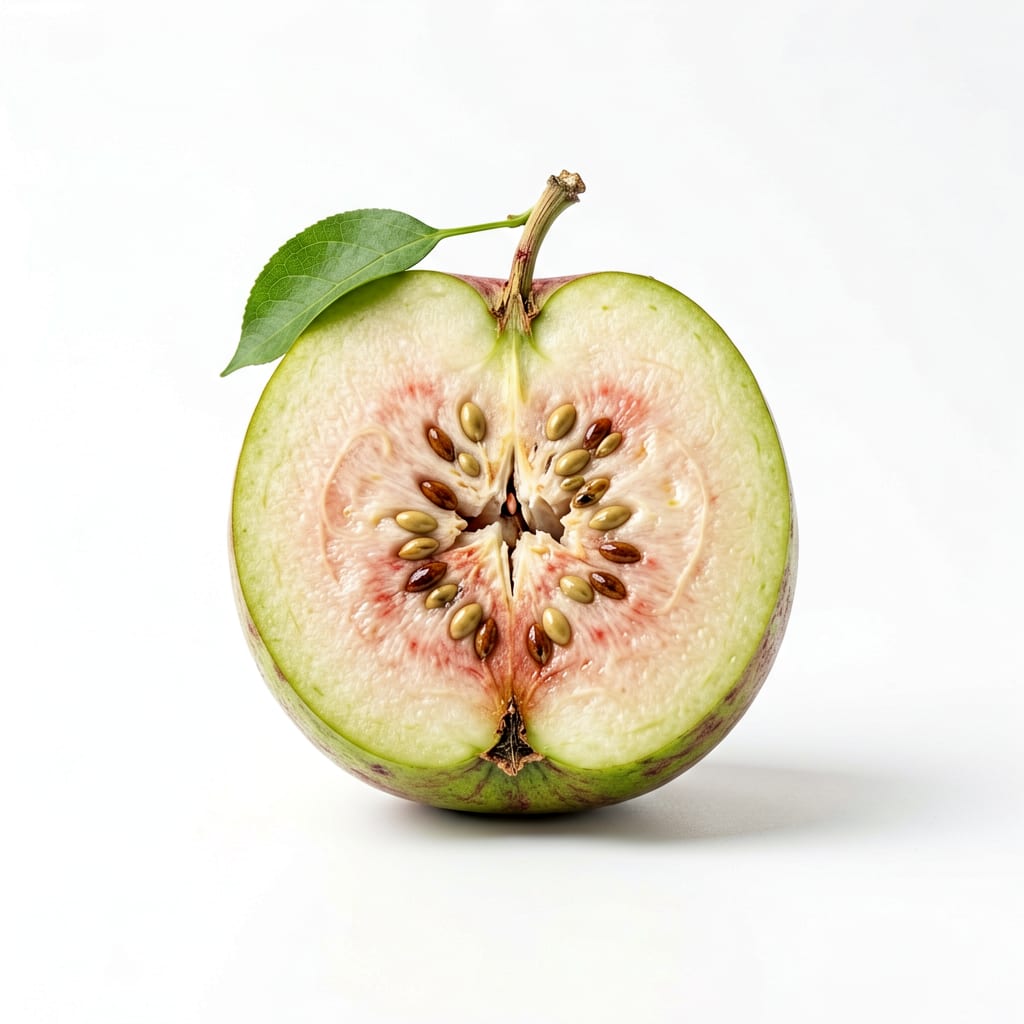
Fig
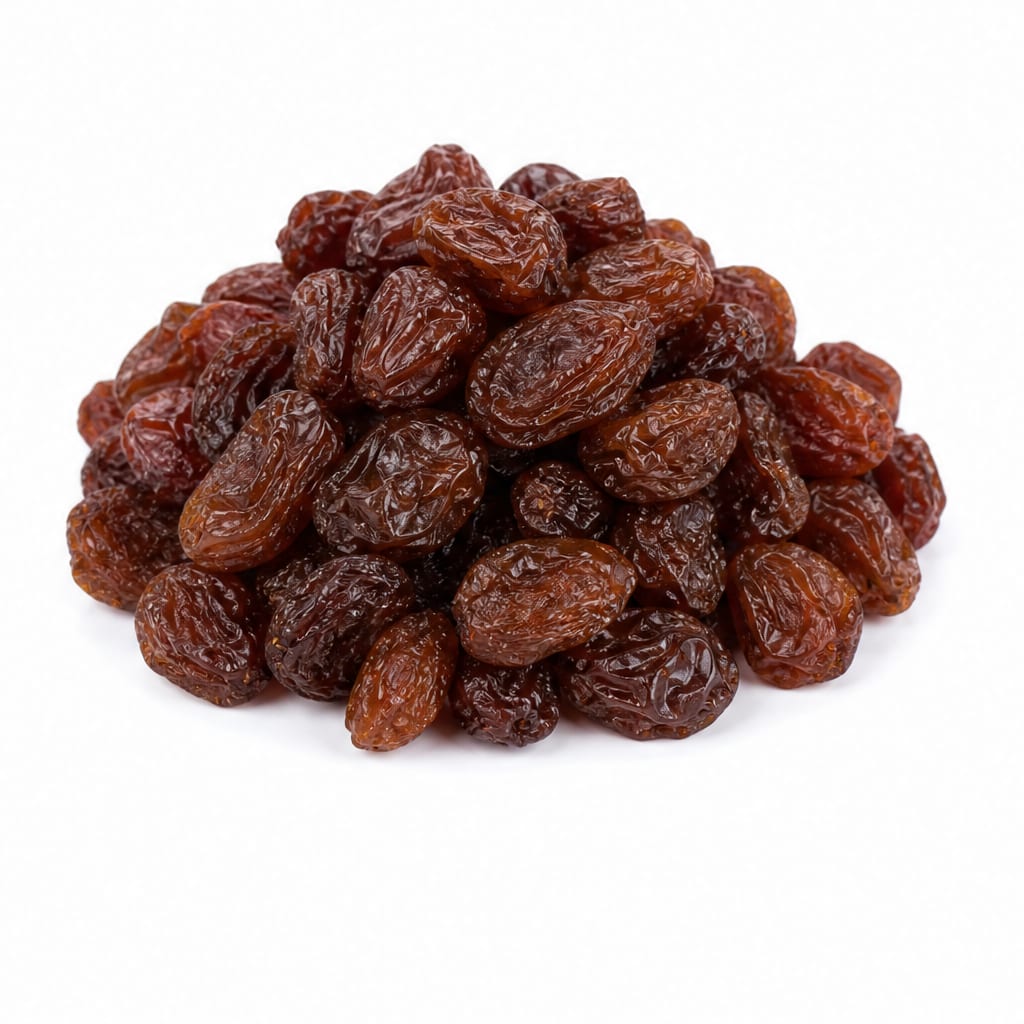
Raisins
Figs offer more fiber and a steadier energy release, making them a more satisfying snack. Raisins are a denser, quicker-energy option that is dangerously easy to overeat.
Figs score higher due to superior fiber content and satiety, making their high sugar content easier to manage. Raisins lose points for extreme calorie density and a higher risk of overeating.
Chewing satisfaction and fullness from figs versus the quick, portable energy hit from raisins.
At a glance
Executive summary
Overall
Fig
Healthier
Fig
More practical
Raisins
Daily use
Fig
Key comparison lenses
Sugar density and blood sugar impact
Both are concentrated sources of natural sugars, but their fiber differences drastically change how the body handles that sugar.
Satiety and overeating risk
Raisins are tiny and easy to overconsume by the handful, while figs are larger and more filling.
Digestive health and fiber
Figs are renowned for their fiber content, making them a go-to for digestion, whereas raisins offer less fiber per bite.
Micronutrient tradeoffs
Figs provide more calcium for bones, while raisins deliver more iron and potassium for blood and muscle function.
Best choice for
Fig
- People wanting better digestion and regularity
- Those who struggle with portion control
- Anyone needing more calcium in their diet
Raisins
- Endurance athletes needing quick carbs
- People with higher iron needs
- Kids lunchboxes as an easy-to-eat treat
Least suitable for
Fig
- Those who find dried fruit too tough or chewy
- People wanting a light, non-filling snack
Raisins
- People with blood sugar management issues
- Anyone prone to mindless snacking
Deep comparison
Dimension by dimension
Each lens scores both foods and breaks down who each option suits.
- Dimension 1 · Priority 95Fig
Satiety & Fullness
Fig · 78Raisins · 55Figs are much more filling per calorie because of their dense texture and high fiber content.
Tradeoff
You feel full faster with figs, but raisins are less chewy and easier to eat quickly.
Why it matters
Preventing the endless snacking loop is crucial for weight management and energy stability.
Real-world impact
A few figs feel like a substantial afternoon snack; a handful of raisins often leaves you reaching for more.
Fig
- Curbing afternoon hunger
- Feeling satisfied after a small portion
Better for
- Situations requiring very quick eating without chewing
Worse for
Raisins
- Getting calories in when you have no appetite
Better for
- Mindless snacking while watching TV
Worse for
- Dimension 2 · Priority 90Fig
Blood Sugar Stability
Fig · 65Raisins · 50Figs have a gentler impact on blood sugar thanks to their fiber slowing down sugar absorption.
Tradeoff
Neither is a low-sugar food, but figs offer a steadier ride, while raisins spike energy faster.
Why it matters
Avoiding sugar spikes helps prevent the afternoon crash and intense cravings.
Real-world impact
Raisins can give you a quick burst followed by a dip; figs provide steadier, longer-lasting energy.
Fig
- Avoiding the post-snack energy crash
- Managing prediabetes
Better for
- When you need immediate, fast-acting energy
Worse for
Raisins
- Quickly treating a hypoglycemic episode
Better for
- Sitting at a desk for hours with no activity
Worse for
- Dimension 3 · Priority 80It depends
Nutrient Density
Fig · 75Raisins · 75Figs win for calcium and fiber, while raisins win for iron and potassium.
Tradeoff
Your specific dietary needs determine the winner here, as both offer distinct mineral advantages.
Why it matters
Targeted nutrition matters more than blanket superfood labels.
Real-world impact
If you need bone support, choose figs. If you need to boost iron or replenish electrolytes, choose raisins.
Fig
- Supporting bone health
- Improving daily digestion
Better for
- Those needing a rapid iron boost
Worse for
Raisins
- Supporting blood health and preventing anemia
- Replenishing electrolytes after sweating
Better for
- Those needing to prioritize calcium intake
Worse for
- Dimension 4 · Priority 85Fig
Overeating Potential
Fig · 70Raisins · 40Raisins are tiny and sweet, making it dangerously easy to eat hundreds of calories without feeling full.
Tradeoff
Raisins are convenient to pop by the handful, but that convenience comes at a high calorie cost.
Why it matters
Calorie density dictates real-world weight management more than willpower.
Real-world impact
It takes 5 minutes to accidentally eat 300 calories of raisins; figs slow you down naturally.
Fig
- Practicing mindful eating
- Sticking to a calorie budget
Better for
- When you want a very light, non-filling addition to a meal
Worse for
Raisins
- Hiking or endurance sports where you actively want to eat a lot of calories easily
Better for
- Late-night snacking when willpower is low
Worse for
Timeline
Health impact over time
Short-term
Hours to days
Fig
- Improved digestion and reduced bloating from fiber
- Steady energy without a sharp crash
Raisins
- Quick energy replenishment for depleted muscles
- Rapid blood sugar spike if eaten in excess
Long-term
Months to years
Fig
- Better bone health from consistent calcium intake
- More stable bowel habits due to high fiber
Raisins
- Potential iron deficiency support for prone individuals
- Risk of weight gain if portions are not strictly controlled
Risk profile
Safety & processing
Both are simply dried fruits, but golden raisins often contain sulfites to preserve color, whereas regular raisins and most dried figs are sulfite-free.
Fig
Dental health
mediumDried figs are sticky and high in sugar, which can cling to teeth and promote cavities if not rinsed.
Raisins
Sulfite sensitivity
mediumGolden raisins are treated with sulfur dioxide, which can trigger asthma or allergies in sensitive individuals.
Dental health
highRaisins are extremely sticky and adhere to teeth longer, significantly increasing cavity risk compared to most foods.
Who wins for whom
Audience fit
Same foods, different winners depending on your goal.
children
RaisinsRaisins are less chewy, easier for small mouths to eat, and a classic kid-friendly snack, though portions should be monitored.
daily consumption
FigThe fiber and satiety make figs a more sustainable daily habit without easily tipping into excess sugar.
diabetes
FigThe higher fiber content in figs slows sugar absorption, leading to a more manageable blood sugar response.
elderly
FigFigs provide much-needed calcium and fiber for bone density and digestion, though they should be soaked if chewing is difficult.
muscle gain
RaisinsRaisins provide a faster, more easily digestible carbohydrate source for post-workout glycogen replenishment.
weight loss
FigHigher fiber and a more substantial chew make figs more satisfying, helping you eat fewer calories overall.
Your move
Decision guide
Choose Fig
- You want a snack that actually fills you up
- You need more fiber and calcium in your diet
- You tend to overeat small sweet snacks
Choose Raisins
- You need quick carbs before or after a workout
- You want an easy-to-sprinkle topping for oatmeal or salads
- You need an iron boost in your diet
Either works if
- You just want a natural sweet treat in moderation
- You are looking for a whole-food alternative to candy
Avoid both if
- You are on a strict low-carb or ketogenic diet
- You have severe dental issues and need to avoid sticky, sugary foods
Final recommendation
Choose figs for a satisfying, fiber-rich snack that keeps you full, and keep raisins as a quick-energy tool for active days rather than a casual desk snack.
Practical
Consumer tips
- 1
Always check the ingredient list on raisins to avoid added oils or sulfites if you are sensitive.
- 2
Pair either fruit with a handful of nuts or some Greek yogurt to blunt the blood sugar spike and add protein.
- 3
If dried figs are too tough, soak them in warm water for 10 minutes to soften them up.
- 4
Measure out a single portion (about 1/4 cup) before eating, rather than eating straight from the bag.