
Nutrition comparison
Fig vs Banana: Which Fruit Is Better for Your Health Goals?
Compare figs and bananas on fiber, sugar, potassium, weight loss, and daily practicality. Find out which fruit fits your health goals and lifestyle better.
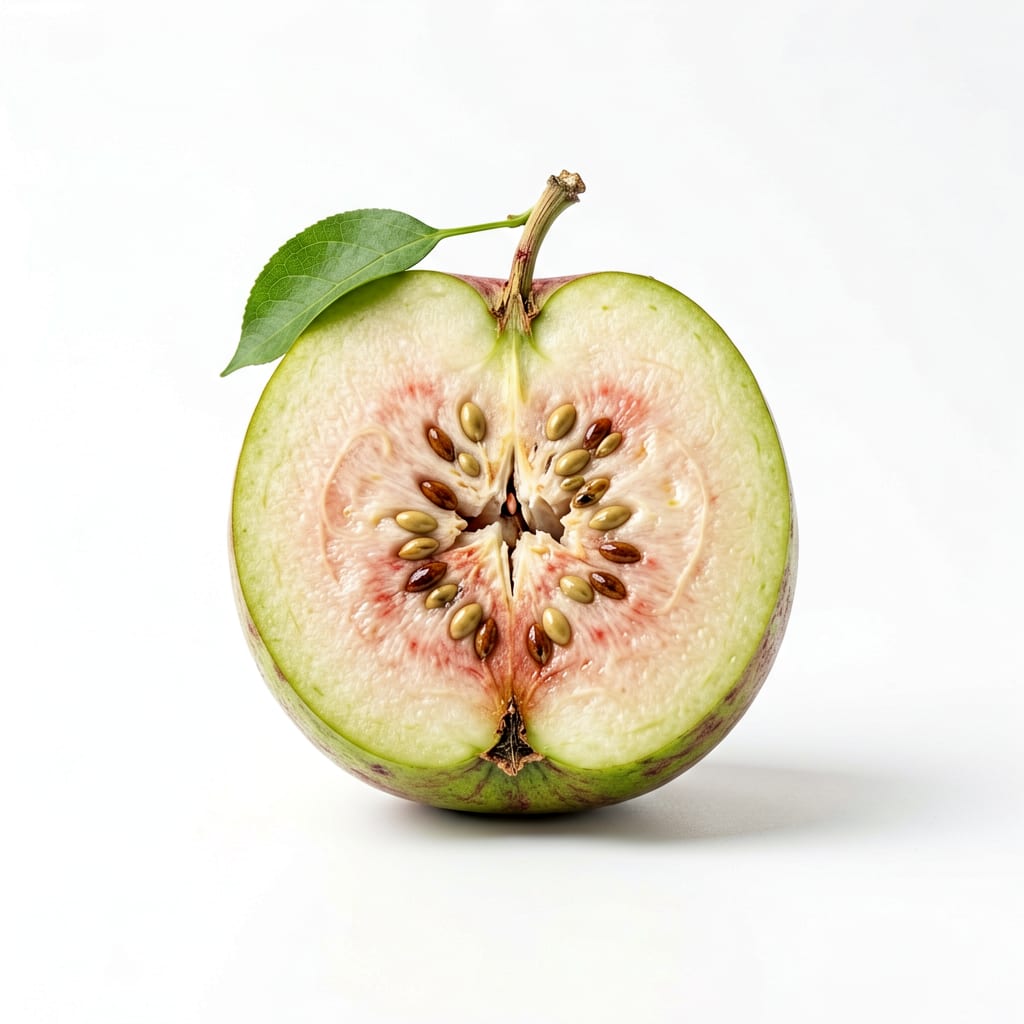
Fig

Bananas
Bananas win on convenience, satiety, and potassium. Figs win on fiber, calcium, and antioxidant diversity. Your pick depends on what your body needs most.
Bananas edge ahead due to superior practicality, lower sugar density, and broader everyday suitability. Figs score well on micronutrient diversity and fiber but lose ground on availability, perishability, and higher sugar concentration per serving.
Bananas are the everyday reliable snack that fills you up steadily. Figs are the nutrient-dense treat with superior fiber and minerals but higher sugar density and fragile availability.
At a glance
Executive summary
Overall
It depends
Healthier
It depends
More practical
Bananas
Daily use
Bananas
Key comparison lenses
blood sugar management
Both are sweet fruits with notable sugar content, making glycemic impact a primary concern for many users
digestive health and regularity
Figs are famous for digestive benefits while bananas are a go-to for gentle stomach settling
convenient snacking and portability
Bananas are one of the most portable fruits available; fresh figs are fragile and seasonal
weight management and satiety
Calorie density and fullness differ significantly between these two fruits
mineral intake especially potassium
Bananas are iconic for potassium but figs offer a broader mineral profile including calcium
Best choice for
Fig
- People needing digestive regularity and extra fiber
- Those seeking more calcium from fruit sources
- Anyone wanting antioxidant variety beyond the usual staples
- People looking for a naturally satisfying sweet treat
Bananas
- Athletes needing quick portable energy
- People managing blood sugar who want steadier energy
- Anyone wanting a filling on-the-go snack
- Those prioritizing potassium for muscle and heart health
Least suitable for
Fig
- People strictly limiting sugar intake
- Those who need a portable durable snack
- Anyone on a tight grocery budget seeking daily fruit
Bananas
- People with latex-fruit allergy syndrome
- Those who find bananas cause constipation
- Anyone bored by monotony in daily fruit choices
Deep comparison
Dimension by dimension
Each lens scores both foods and breaks down who each option suits.
- Dimension 1 · Priority 92Bananas
blood sugar stability
Fig · 55Bananas · 68Bananas provide steadier blood sugar response, especially when slightly green. Figs concentrate more sugar into a smaller serving.
Tradeoff
Figs taste sweeter per bite but hit your bloodstream faster. Bananas release energy more gradually, particularly less ripe ones.
Why it matters
If you experience afternoon energy crashes or mood swings after sweet snacks, this difference is very noticeable.
Real-world impact
A banana at 10am likely carries you to lunch. A handful of figs may leave you hungry again within an hour.
Fig
- Quick pre-workout fuel when you need fast carbs
Better for
- Blood sugar spikes in sensitive individuals
Worse for
Bananas
- Sustained energy between meals
- Diabetes-friendly fruit choice
- Avoiding the sugar crash cycle
Better for
- Overripe bananas can spike sugar nearly as much
Worse for
- Dimension 2 · Priority 88Fig
fiber and digestive health
Fig · 85Bananas · 62Figs are a fiber powerhouse with both soluble and insoluble types. They have a long reputation as a natural remedy for constipation.
Tradeoff
Figs deliver noticeably more digestive benefit per serving but bananas are gentler on sensitive stomachs and help bind stool when you have diarrhea.
Why it matters
If regularity is a struggle, figs can make a visible difference within days. Bananas are better when you need the opposite effect.
Real-world impact
Three to four fresh figs can meaningfully improve your daily fiber intake. You would need nearly two bananas to match that fiber.
Fig
- Chronic constipation relief
- Boosting daily fiber without supplements
- Supporting gut microbiome diversity
Better for
- Too many dried figs can cause loose stools
Worse for
Bananas
- Settling an upset stomach
- Binding stool during illness
- Gentle fiber for sensitive digestion
Better for
- Insufficient fiber for constipation-prone people
Worse for
- Dimension 3 · Priority 85Bananas
convenience and availability
Fig · 35Bananas · 92Bananas are available everywhere, cheap, and durable. Fresh figs are seasonal, fragile, and expensive. Dried figs help but change the nutritional profile.
Tradeoff
Bananas are the ultimate grab-and-go fruit. Figs require planning, careful handling, and often a bigger budget.
Why it matters
The best fruit nutritionally is useless if you cannot access it regularly. Consistency beats perfection.
Real-world impact
You can toss a banana in a bag and eat it hours later. A fresh fig bruises if you look at it wrong.
Fig
- Special occasion fruit enjoyment
- Farmers market seasonal eating
Better for
- Cannot easily pack or transport fresh
- Short shelf life means waste risk
Worse for
Bananas
- Commute snacking
- Gym bag fuel
- Office desk staple
- Budget-friendly daily fruit
Better for
- Bruising can make them unappealing visually
Worse for
- Dimension 4 · Priority 75Fig
mineral density
Fig · 80Bananas · 72Figs offer more calcium, iron, and magnesium per serving. Bananas dominate on potassium but figs provide a broader mineral spectrum overall.
Tradeoff
If potassium is your priority, bananas are the classic choice. If you want mineral diversity especially calcium from fruit, figs deliver more.
Why it matters
Many people fall short on calcium and magnesium. Getting these from fruit is an underrated advantage of figs.
Real-world impact
A serving of figs provides roughly the same calcium as a quarter cup of milk. Bananas cannot match that.
Fig
- Bone health support through calcium
- Iron intake for plant-based eaters
- Magnesium for sleep and relaxation
Better for
- Still not a complete mineral source on its own
Worse for
Bananas
- Potassium for blood pressure and cramps
- Post-workout electrolyte replenishment
Better for
- Minimal calcium contribution
Worse for
- Dimension 5 · Priority 80Bananas
satiety and calorie efficiency
Fig · 58Bananas · 74Bananas are more filling per calorie due to their resistant starch and water content. Figs are more calorie-dense, especially dried figs.
Tradeoff
You can eat a medium banana and feel satisfied for about 105 calories. The same calories in figs is a much smaller portion.
Why it matters
For weight management, feeling full on fewer calories is the name of the game. Bananas simply go further here.
Real-world impact
A banana feels like a snack. A few figs feel like a taste. Both cost similar calories but bananas satisfy longer.
Fig
- Dense energy when you need calories
- Hiking or endurance fuel
Better for
- Easy to overeat dried figs and consume excess calories
Worse for
Bananas
- Weight management snacking
- Holding over between meals
- Preventing overeating later
Better for
- Some people find them too filling before meals
Worse for
- Dimension 6 · Priority 70Fig
antioxidant and phytonutrient diversity
Fig · 82Bananas · 55Figs contain a wider range of polyphenols, anthocyanins especially in darker varieties, and unique phytonutrients. Bananas offer modest antioxidant value.
Tradeoff
Figs bring more disease-fighting compounds to the table. Bananas are nutritionally solid but not an antioxidant star.
Why it matters
Long-term health is shaped by cumulative antioxidant intake. More variety in your fruit choices generally means better coverage.
Real-world impact
Dark-skinned figs rival berries in antioxidant content. Bananas are more about energy and minerals than cellular protection.
Fig
- Reducing oxidative stress
- Anti-inflammatory dietary patterns
- Adding phytonutrient variety to a repetitive diet
Better for
- Seasonal limits reduce year-round antioxidant benefit
Worse for
Bananas
- Consistent baseline nutrition without thinking about it
Better for
- Less impressive antioxidant profile compared to most other fruits
Worse for
Timeline
Health impact over time
Short-term
Hours to days
Fig
- Quick energy from natural sugars, especially dried figs
- Noticeable digestive stimulation within hours
- Satisfying sweet taste that curbs dessert cravings
Bananas
- Steady energy lasting 1-2 hours from a medium banana
- Soothing effect on an upset stomach
- Feeling of fullness that reduces between-meal snacking
Long-term
Months to years
Fig
- Improved regularity and gut health from consistent fiber intake
- Better calcium and iron status if eaten regularly
- Risk of excess calorie intake if consuming dried figs frequently
Bananas
- Stable potassium intake supporting heart and muscle function
- Consistent blood pressure support from regular consumption
- Possible constipation if eaten to excess without other fiber sources
Risk profile
Safety & processing
Both are whole foods when fresh. However, dried figs often contain sulfites or added sugars, so read labels. Bananas are almost always sold fresh and unadulterated.
Fig
Sulfite sensitivity from dried figs
mediumMany commercially dried figs contain sulfur dioxide as a preservative, which can trigger reactions in sensitive individuals including headaches and breathing difficulty.
Added sugars in dried varieties
mediumSome dried fig products coat figs in extra sugar or syrup, significantly increasing calorie and sugar content beyond what you expect from whole fruit.
Pesticide residue on conventional figs
lowFigs generally have lower pesticide residue than many fruits, but conventional farming still uses sprays. Washing helps reduce surface residue.
Bananas
Latex-fruit allergy cross-reaction
highPeople with latex allergies may react to bananas due to similar proteins. Reactions can range from mouth itching to anaphylaxis in severe cases.
Pesticide residue
mediumConventional bananas are grown with significant pesticide use. While the thick peel reduces what you ingest, workers and ecosystems bear the exposure burden.
Choking hazard for young children
lowLarge pieces of banana can obstruct airways in toddlers. Always cut into small pieces for children under four.
Who wins for whom
Audience fit
Same foods, different winners depending on your goal.
children
BananasBananas are mild, easy to digest, widely liked by kids, and safe when properly prepared. Figs are less familiar and dried versions are choking risks for toddlers.
daily consumption
BananasBananas are affordable, available year-round, and have a balanced nutritional profile that supports consistent daily intake without excessive sugar.
diabetes
BananasLess ripe bananas have a lower glycemic index and more resistant starch. Figs, especially dried, concentrate sugar heavily per serving.
elderly
FigFigs provide more calcium for bone health and fiber for the constipation that commonly affects older adults. The mineral diversity supports aging bodies well.
muscle gain
BananasBananas offer quick carbs plus potassium for muscle function, making them a staple pre- or post-workout. Their portability to the gym is unmatched.
weight loss
BananasBananas provide more satiety per calorie and are harder to overeat. Dried figs are calorie-dense and easy to consume in excess.
Your move
Decision guide
Choose Fig
- You struggle with constipation and need more fiber
- Calcium intake is a concern, especially on a dairy-free diet
- You want antioxidant variety beyond your usual fruit rotation
- You enjoy seasonal eating and can find fresh figs locally
- You need dense energy for hiking or endurance activities
Choose Bananas
- You want a reliable daily fruit that is always available
- Blood sugar management is a priority
- You need portable fuel for workouts or busy days
- Budget matters and you want maximum nutrition per dollar
- You want something filling that prevents overeating later
Either works if
- You simply want more whole fruit in your diet
- You are looking for natural sweetness to replace processed desserts
- You need potassium-rich foods in your routine
Avoid both if
- You are on a strict very-low-carb or ketogenic diet
- You have been advised to limit all fruit sugar by your doctor
- You have fructose intolerance or malabsorption issues
Final recommendation
Keep bananas as your daily staple fruit and treat figs as a nutritional upgrade when they are in season. Bananas give you consistency, satiety, and value. Figs give you fiber, calcium, and antioxidant variety when you can get them fresh. If you buy dried figs, watch portions carefully as the concentrated sugar and calories add up fast.
Practical
Consumer tips
- 1
If buying dried figs, choose unsulfured varieties without added sugar to avoid unnecessary preservatives and calories
- 2
Slightly green bananas have more resistant starch and less sugar impact than fully ripe ones
- 3
Fresh figs should feel soft but not mushy and should be eaten within two days of purchase
- 4
Freeze overripe bananas for smoothies rather than discarding them
- 5
Pair either fruit with a protein or fat source like nuts or yogurt to slow sugar absorption and extend satiety
- 6
One medium banana counts as about half a cup of fruit toward daily recommendations
- 7
Four to five dried figs contain as many calories as two bananas, so portion awareness matters